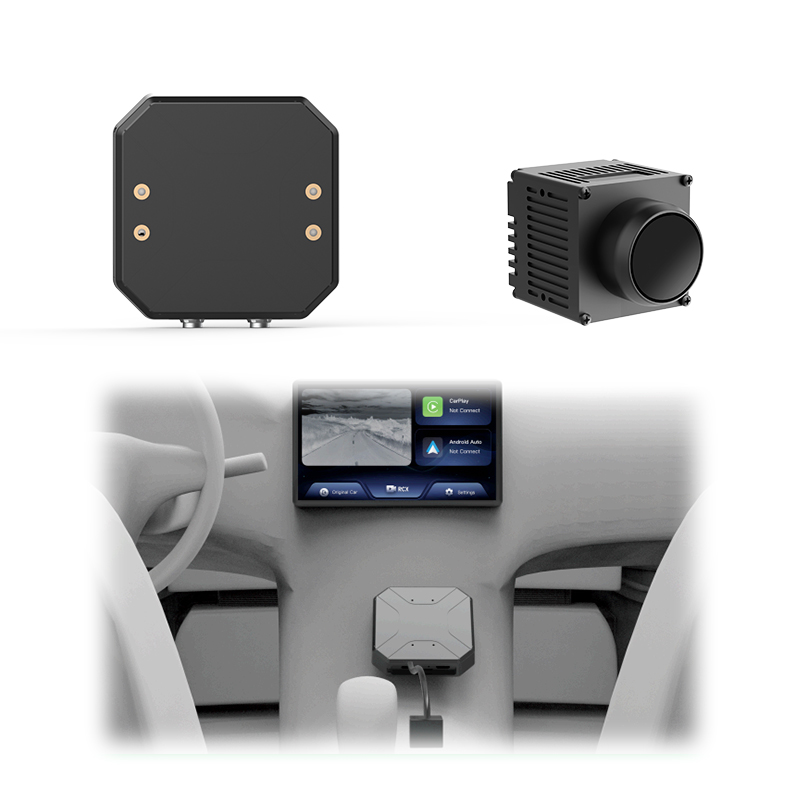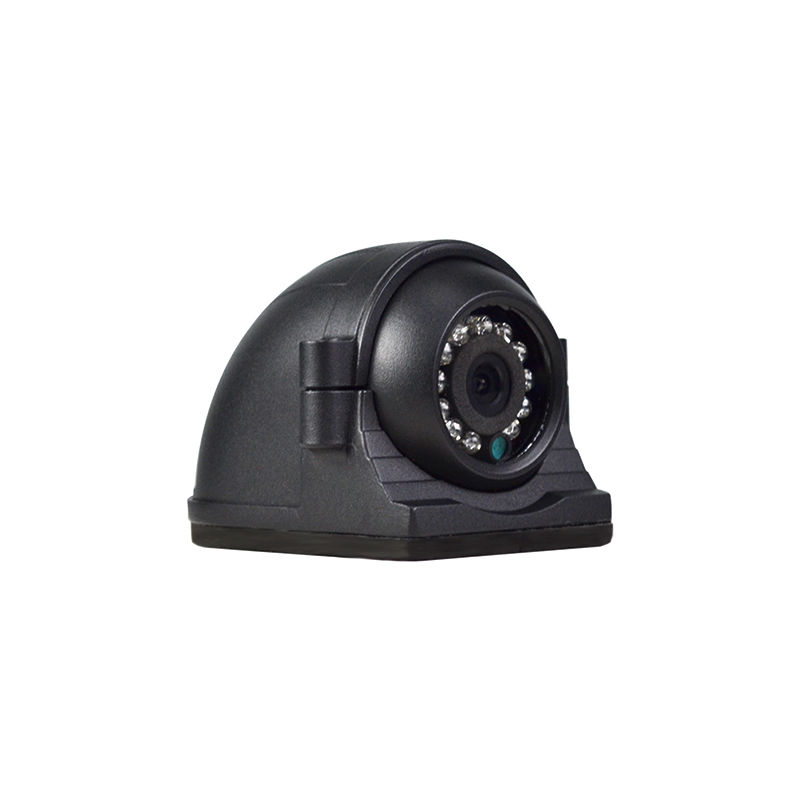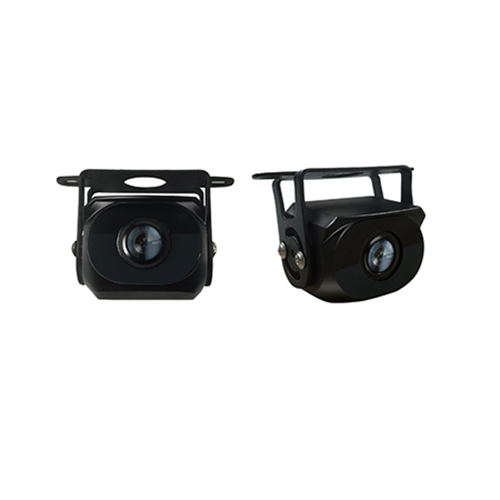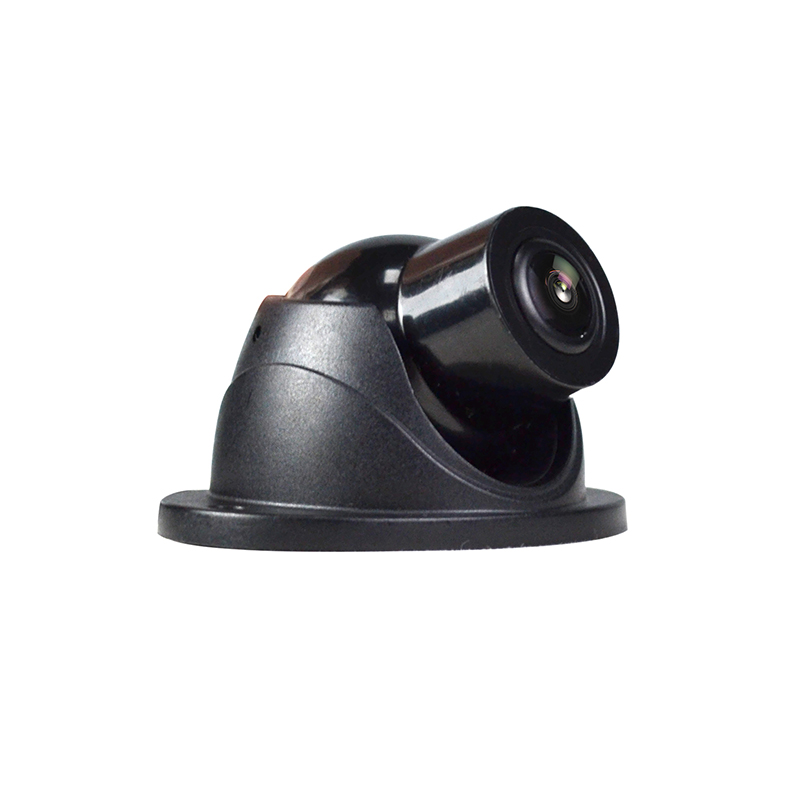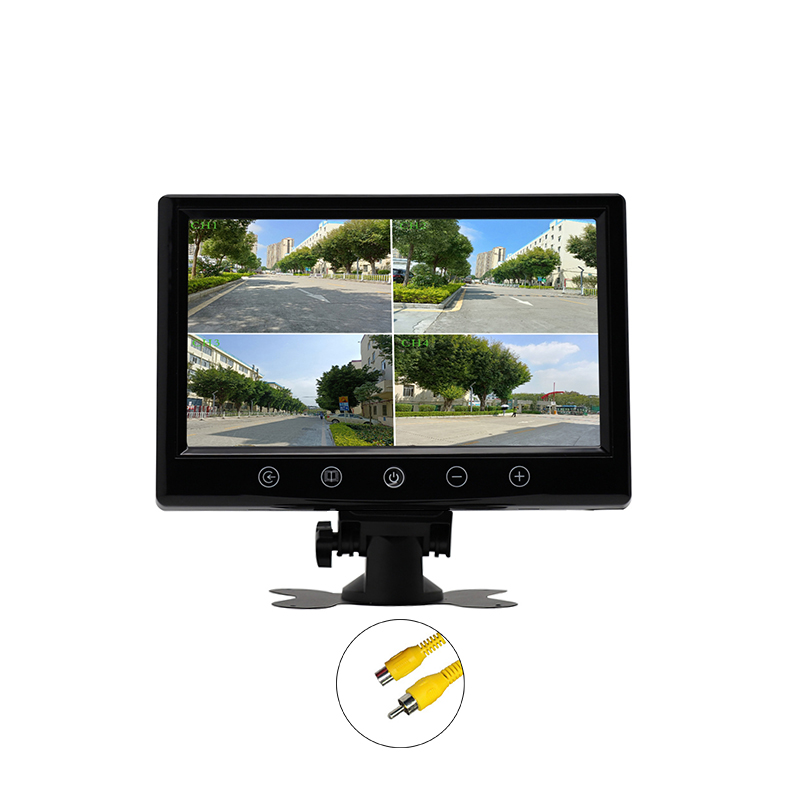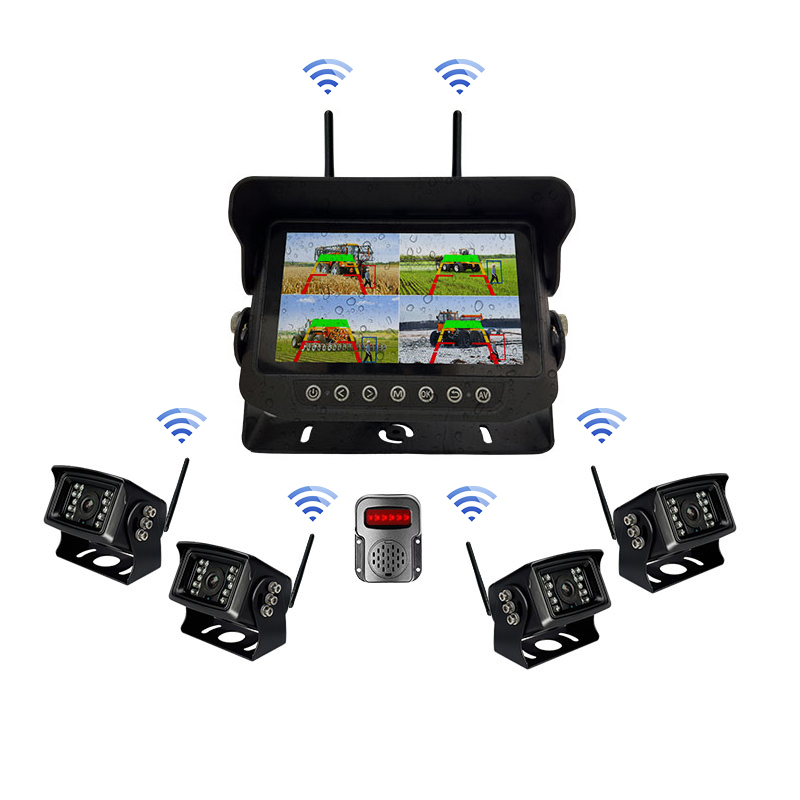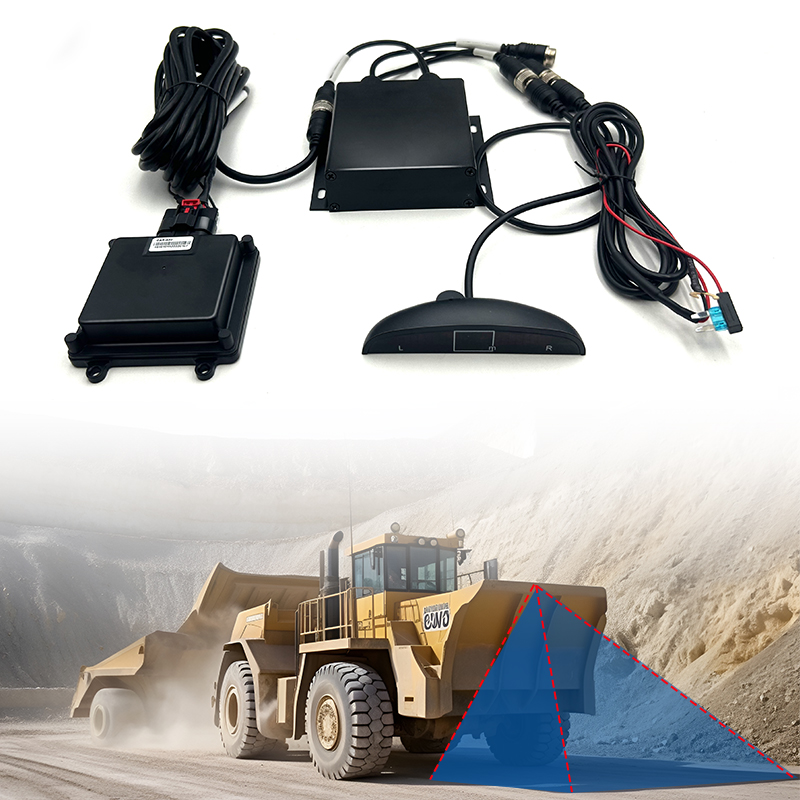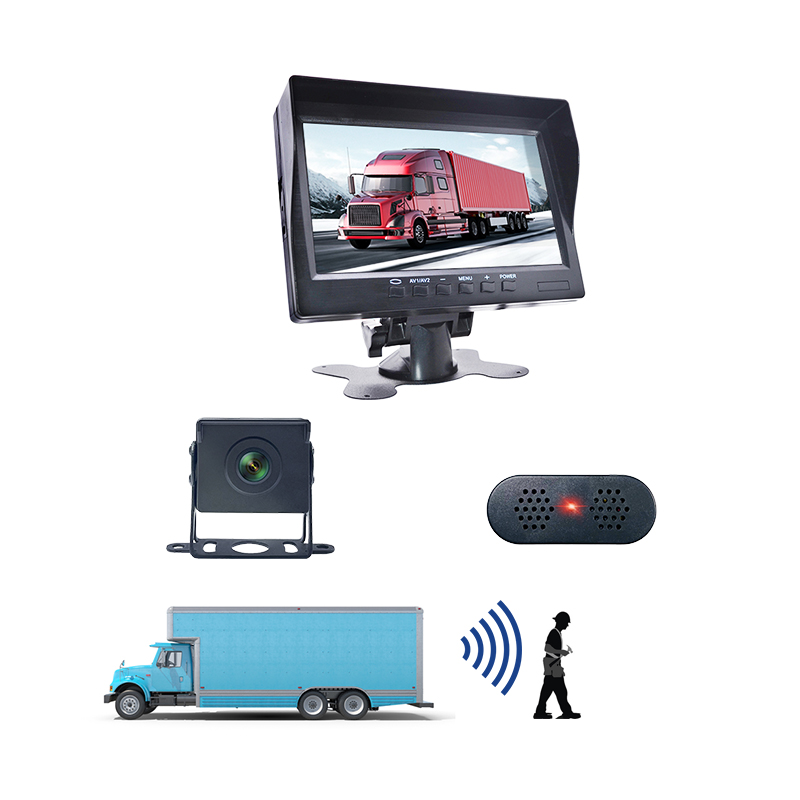

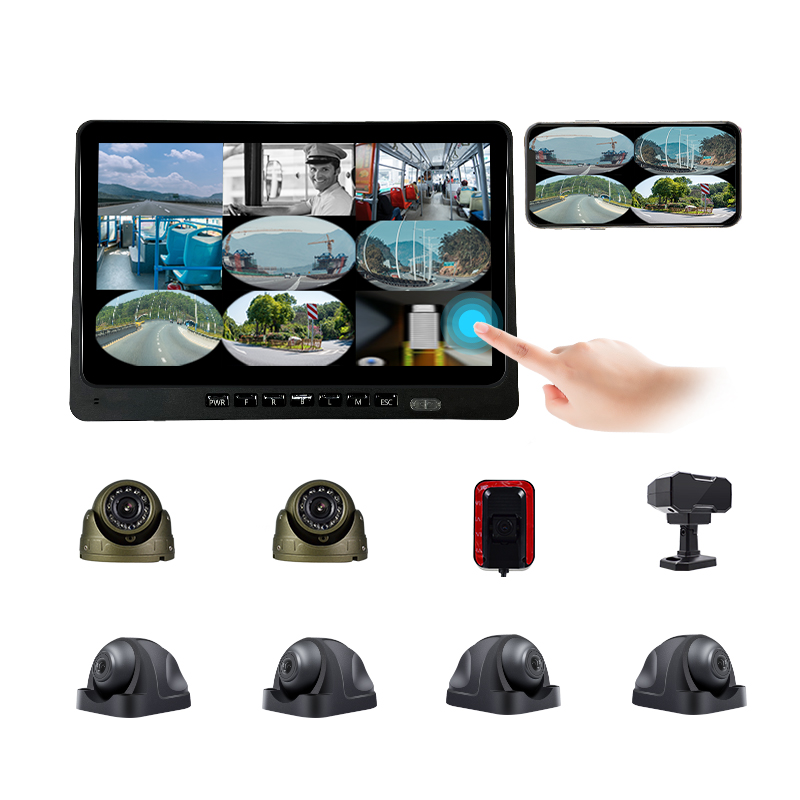
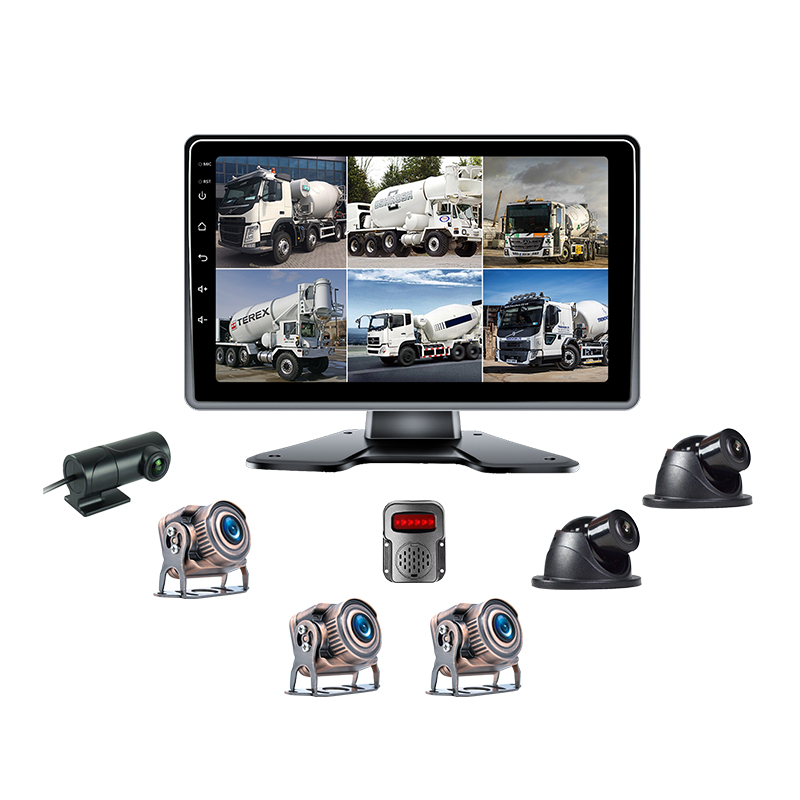
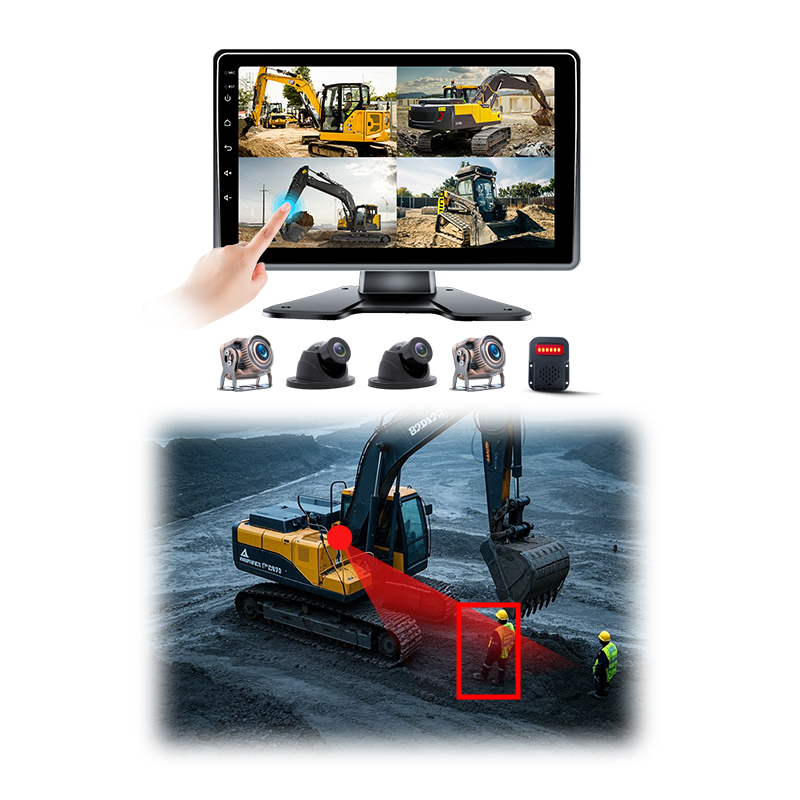
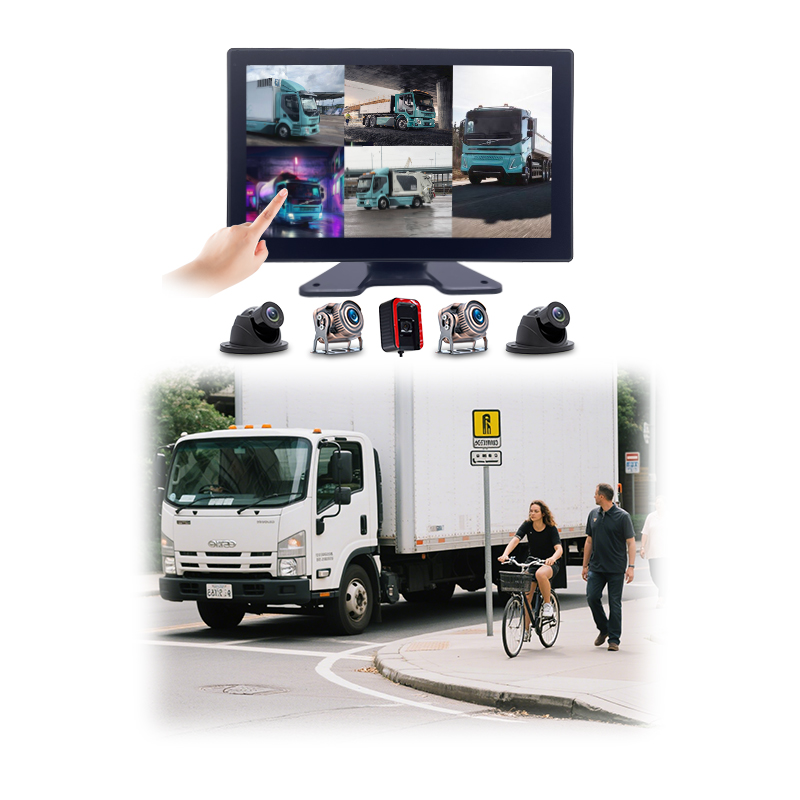

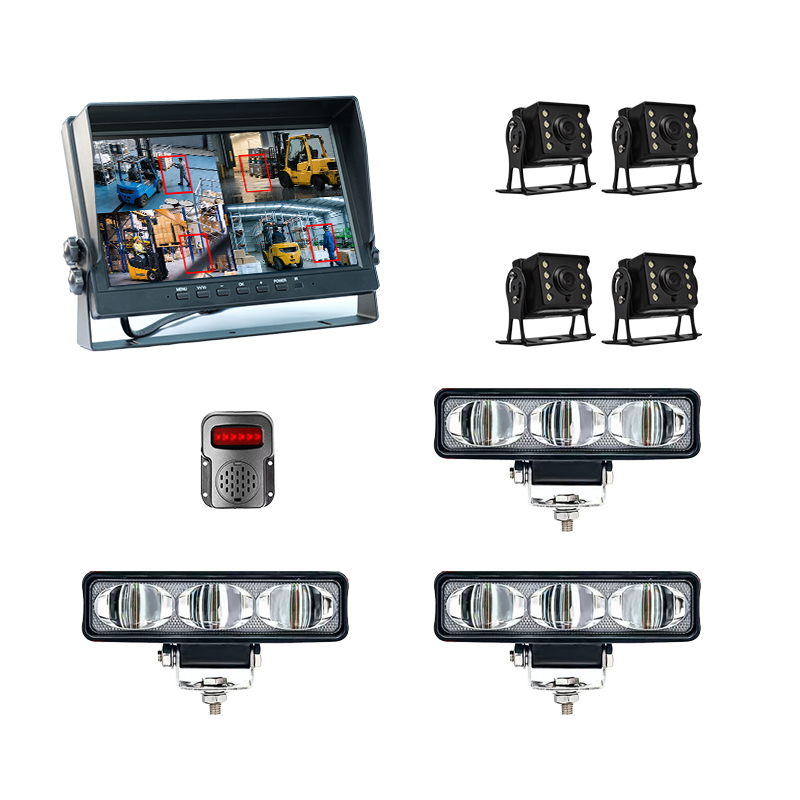
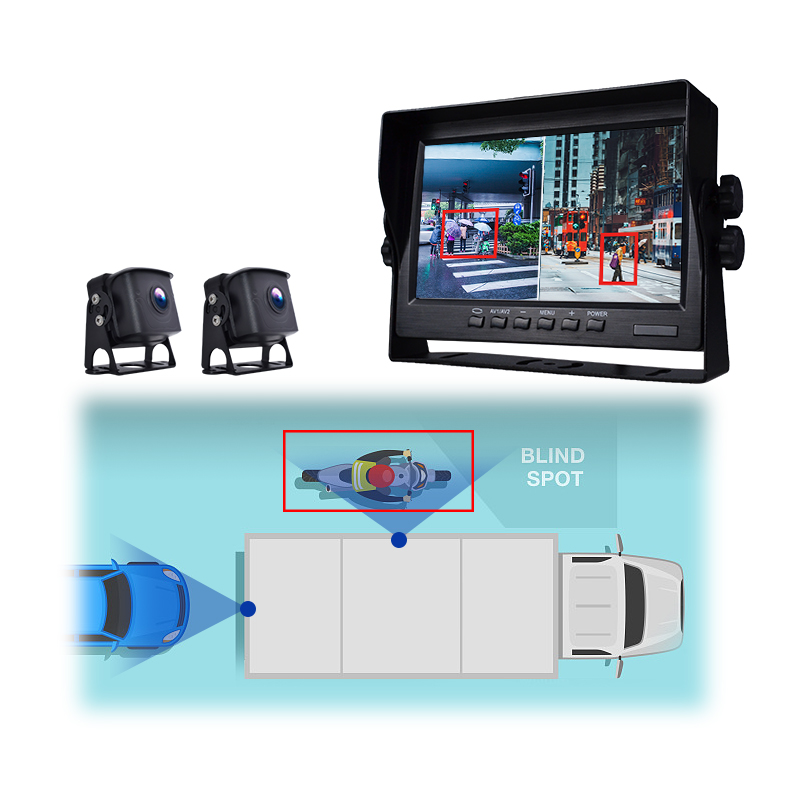
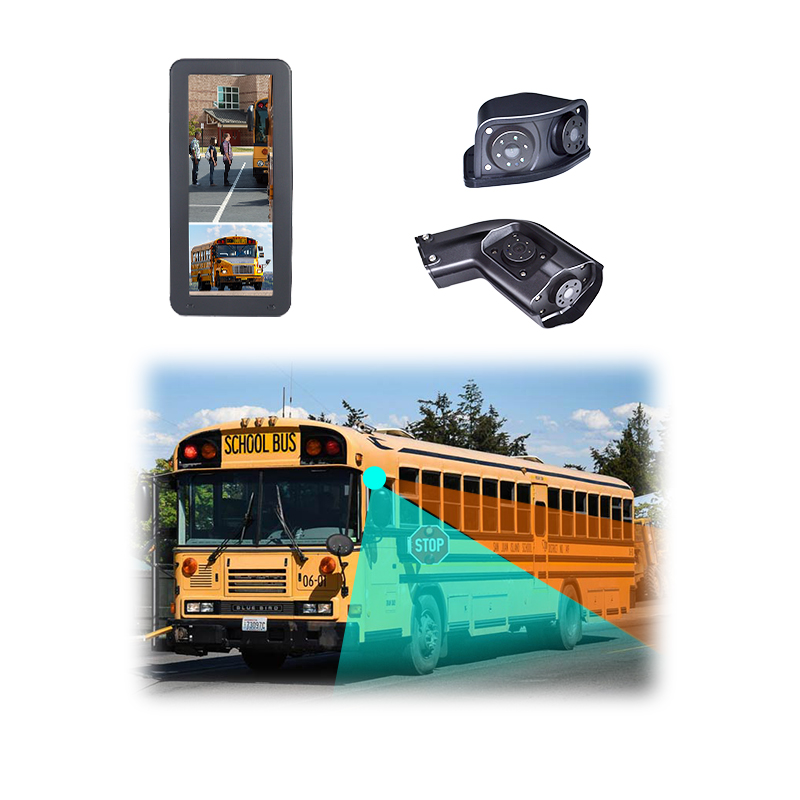
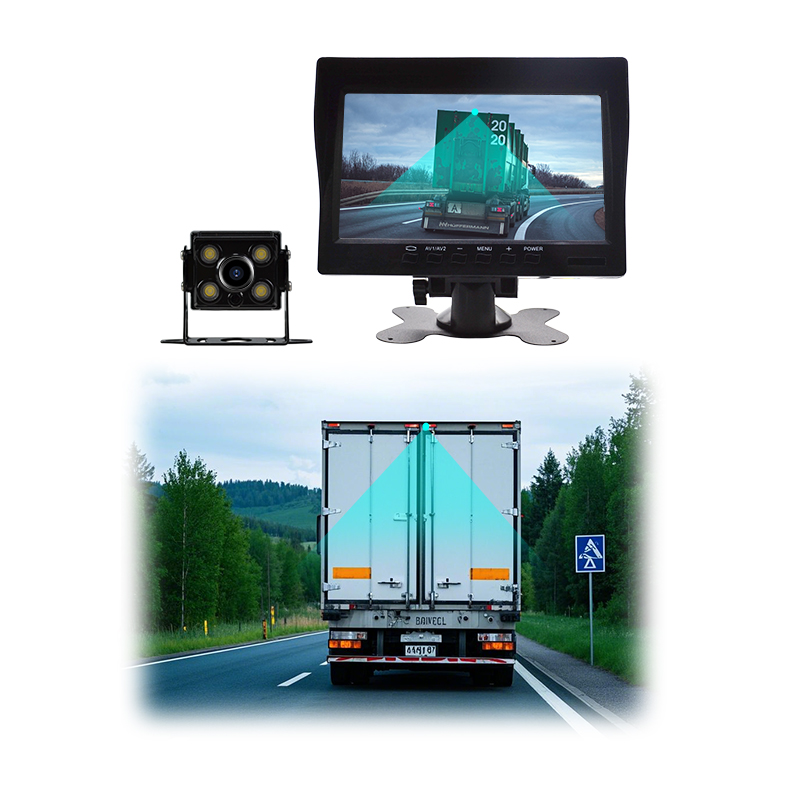

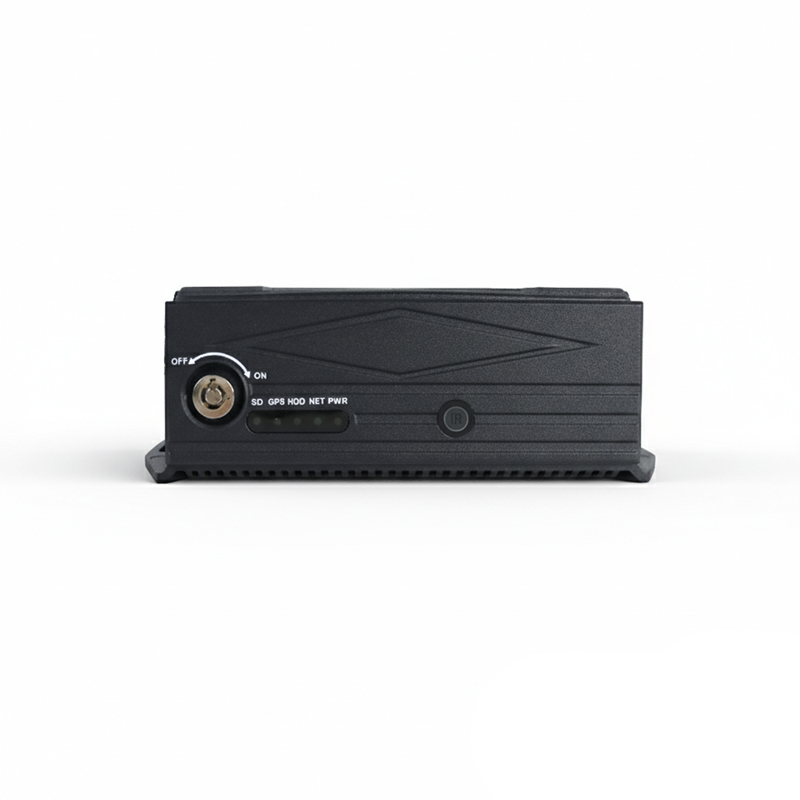
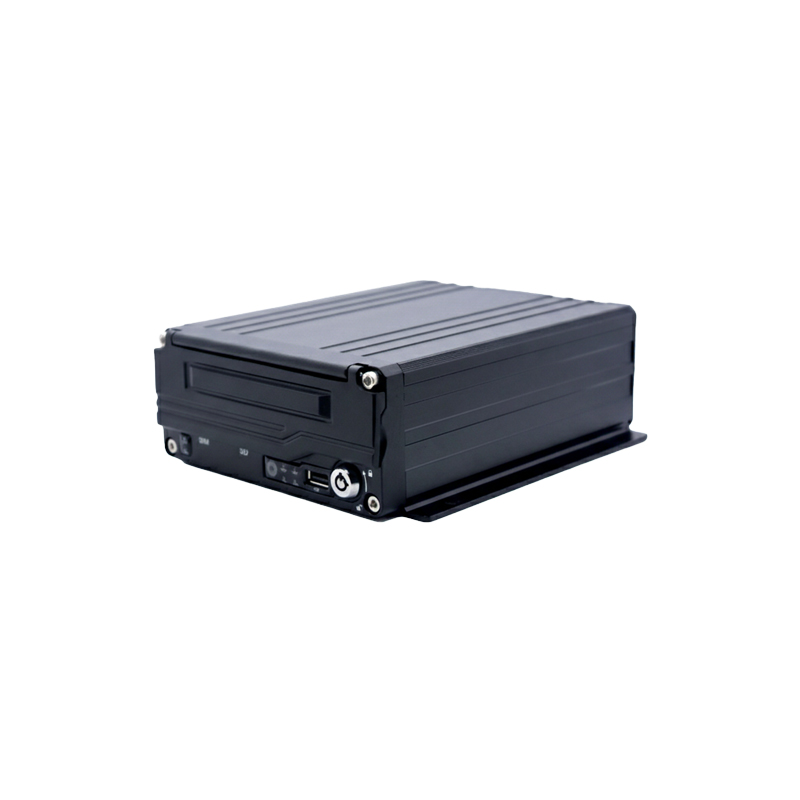
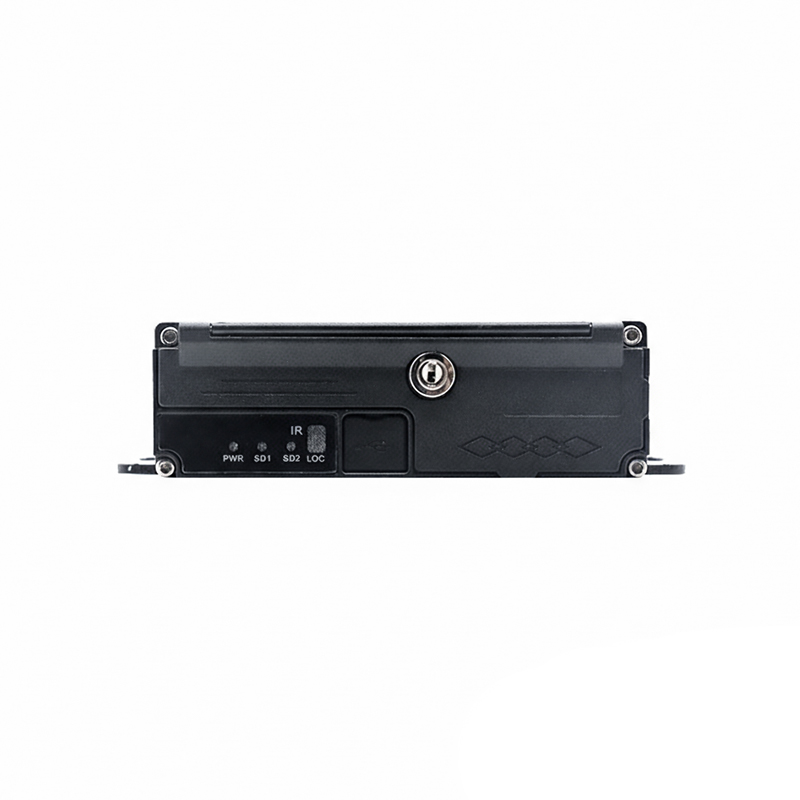
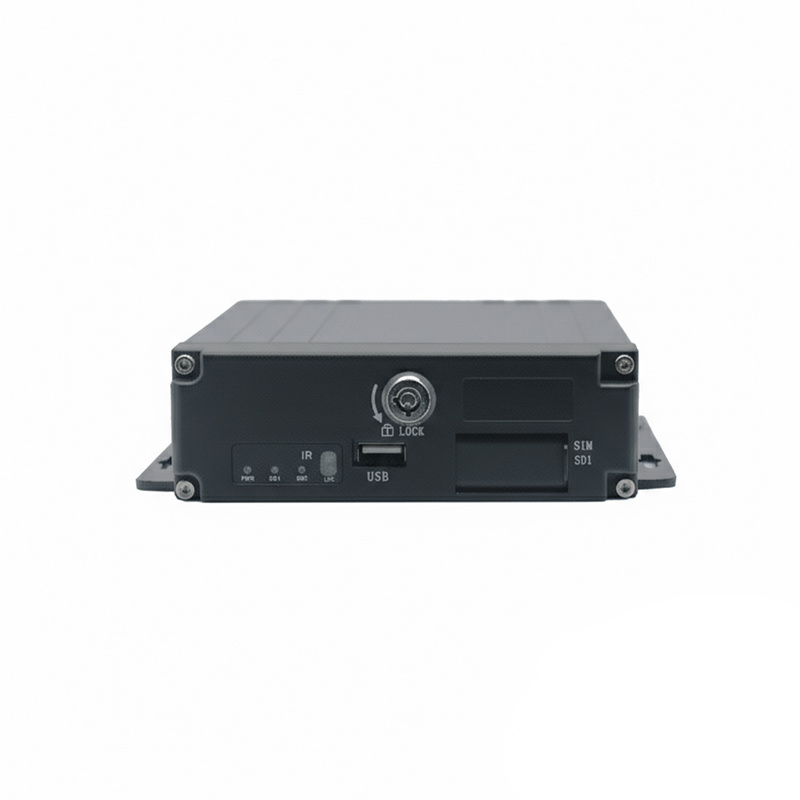
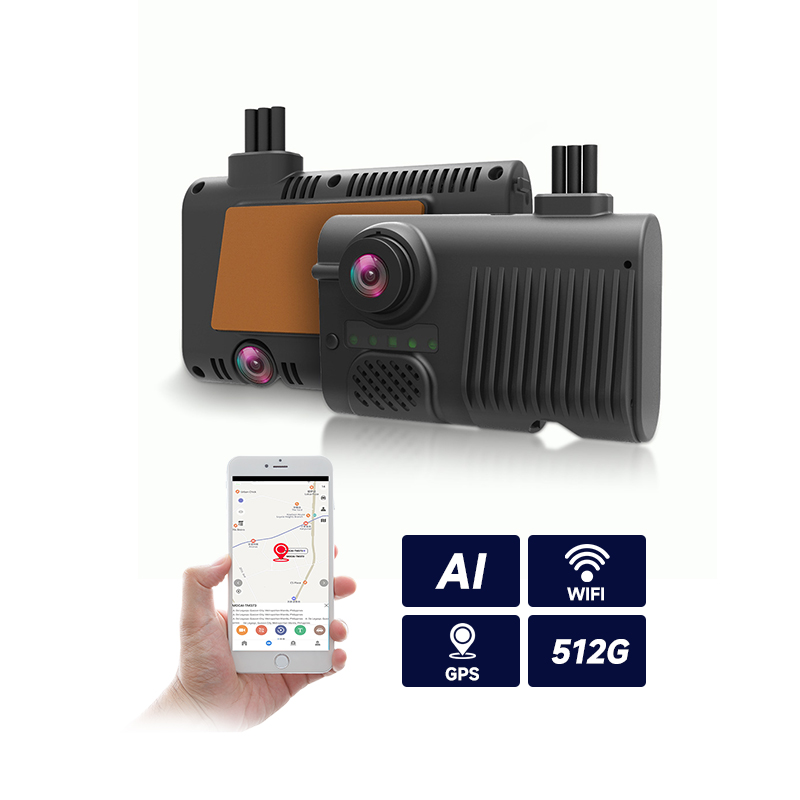
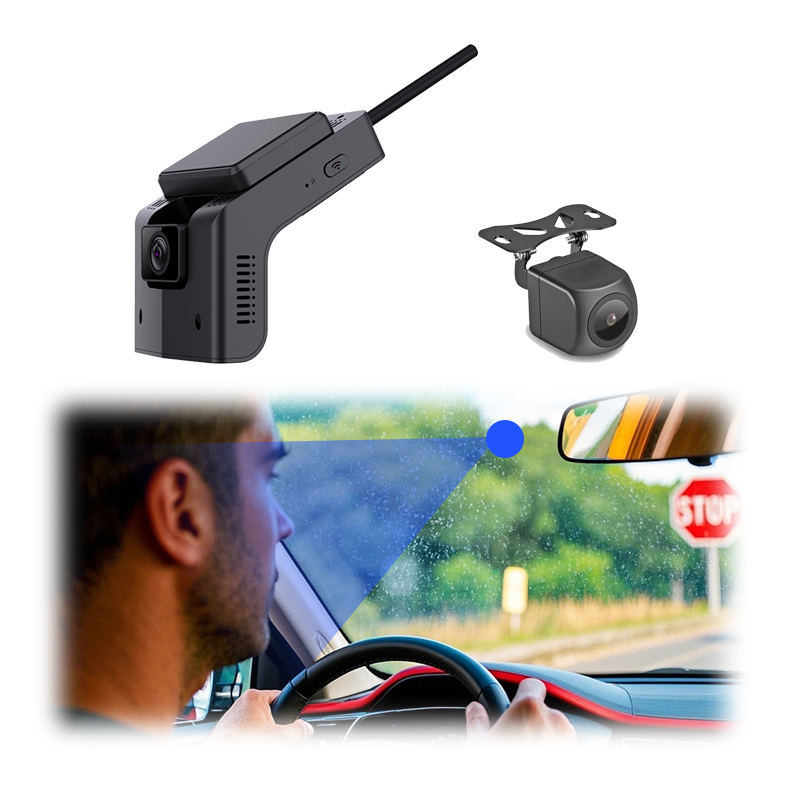
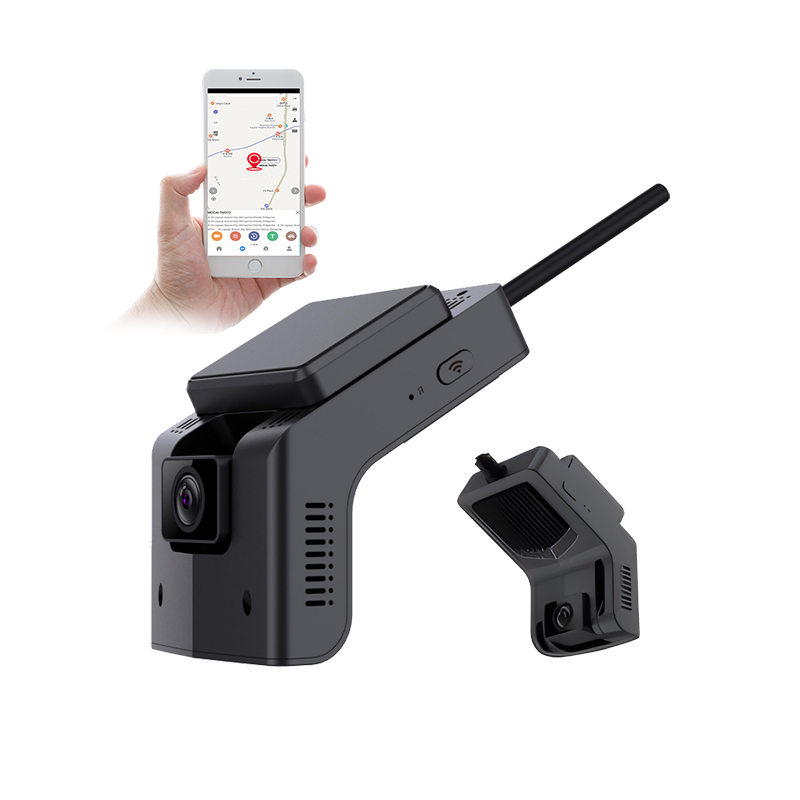
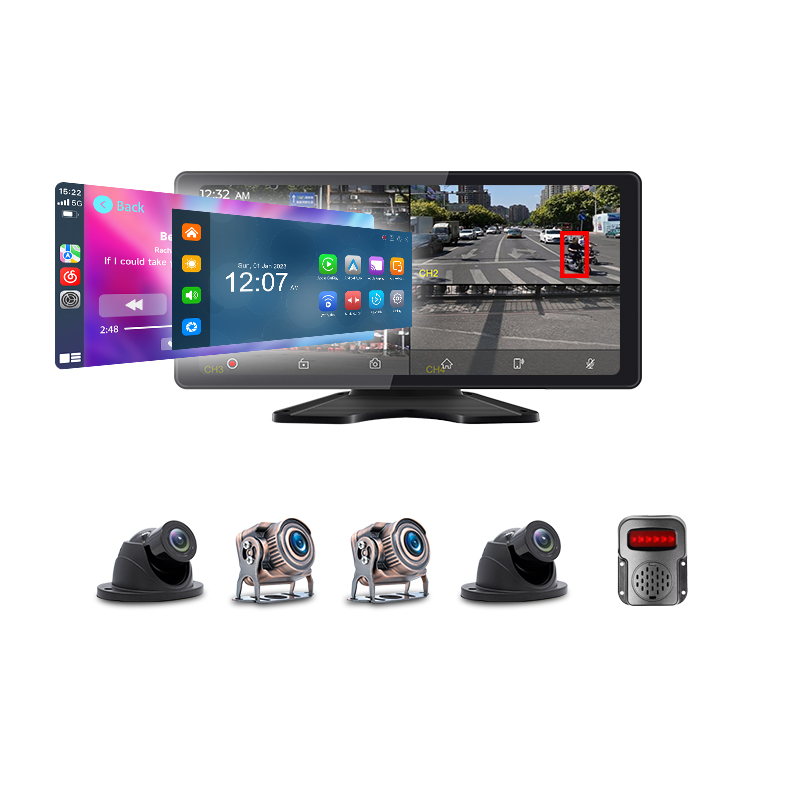

A box can record four channels flawlessly and still be illegal to bolt onto a Chinese coach. What decides that lives in a stack of standards written by authorities who never had to agree with one another, and a device built to sell nationwide answers to all of them long before it answers to the customer. None of those rule-makers cares whether the picture is sharp, only that the box does the one thing it was told to do in the exact form it was told to do it.
The layer everyone names first governs how video moves, the rules for how a box hands live and recorded footage to a government platform when the platform asks. What JT 1078 governs is the conversation between a terminal and a platform far more than any picture quality, the request that comes down and the stream or the stored file that goes back up. It reads as a remote-control protocol for a recorder you cannot reach, which is the frame that makes the rest of the document cohere.
The number does not stand alone. It belongs to a small family, with 1076 and 1077 each covering their own slice of the in-vehicle video problem, and beneath the whole family runs the older positioning-and-messaging protocol the industry shorthands as 808. The relationship between 808 and 1078 is the thing that catches newcomers. 808 is the base layer that signs the terminal in and keeps the session alive with a heartbeat every few seconds. Its workhorse packet is the position report, and an alarm rides there as a flag on a message the box is already sending, which surprises anyone who expected video and telemetry on separate channels. 1078 sits on top and owns everything to do with the picture, and a box does not choose between them. It lives on 808 to stay online and to raise an alarm, and it switches into 1078 the moment the platform wants to watch a channel or pull a file back from a day ago. The two halves have to stay coherent, because a terminal that is healthy on 808 but mute on 1078 shows up on the dispatcher’s wall as a vehicle that is online and blind at the same time, and a platform that logs that state for long enough starts asking the fleet why it pays for a box that reports and cannot be seen.
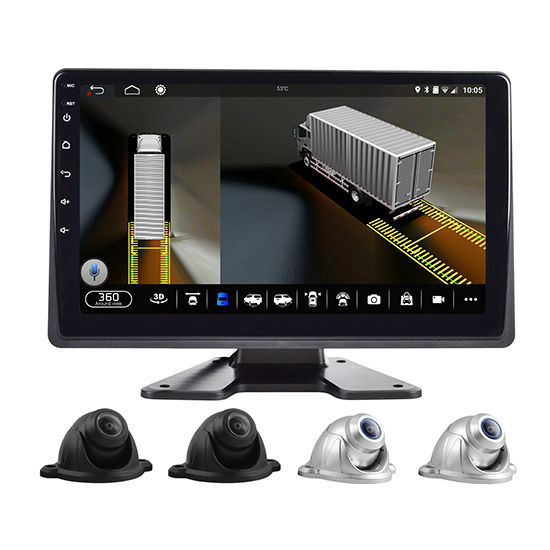
The protocol is only the pipe. What a box has to do on a given vehicle comes from a different pair of transport standards that name functions rather than message formats. JT 883 sets the active-safety functions an operating commercial vehicle must run and report, the forward warnings and the cab-facing driver monitoring that turn a recorder into a safety device, and JT 1242 puts the 360 around view on the required list for the heavy classes, the stitched overhead picture answering the close-ring blind zones the mirrors lose at walking pace. A box that merely records satisfies neither, since this layer wants the vehicle to judge the moment, act on it and leave a named alarm on the platform with the evidence attached.
Here is where the survivors separate from the spec-sheet vendors. The ministry protocol is only the floor. Active safety was driven up by the provinces on top of it, and a box sold across China quietly carries several provincial profiles at once, because the alarm-type identifiers and the upload handshake shift as you cross a provincial line, and the headline cases of Jiangsu and Guangdong differ in detail down to the length of a SIM identifier buried inside the video stream. Jiangsu codified its profile first and much of the industry now codes against it, while Guangdong arrived later and broke enough conventions to count as its own target. Clearing the audit is a slog on top of all of it, a test-house report followed by a live docking session against the actual provincial platform, where an integration engineer on the platform side makes every alarm type and every attachment survive their parser before the model lands on the approved list. None of that depth shows in the protocol number a buyer copies into a tender, and all of it is what separates a box that connects on the first day from one that fails its docking three times and slips a delivery by a quarter.
The transport protocols decide how a box talks; the national GB standards decide whether the vehicle was allowed to move in the first place, and they bite from a different angle. The easily missed clauses in GB 7258 reach the recorder indirectly, through the vehicle’s own safety-of-operation rules, while the GB 19056 driving-recorder standard is the one that set the tamper-resistant baseline years before anyone cared about video, the speed-and-time record an accident investigation can lean on. A four-channel host inherits that lineage whether its maker reads the document or not, and the inheritance is why a timestamp and a speed stamp on a clip are handled as courtroom evidence from the moment they are written.
The split between GB 28181 and JT 1078 wastes integration weeks of its own, since the public-security video-networking standard and the transport-ministry one solve overlapping problems with incompatible plumbing, and a box built for one does not drop into a platform built for the other. The newest pressure comes from emissions, of all places, since the emissions reporting terminal that China 6 mandates puts a second regulated box on the vehicle, with its own data link reporting to an environmental platform; a fleet renewing to the current emissions tier carries two reporting duties where it used to carry one.

The electronics still have to survive a decade bolted to a vehicle that vibrates, bakes, freezes, and runs off a filthy power rail. The phrase the industry leans on for that is automotive-grade, and it hides more than it reveals.
AEC-Q100 gets quoted wrong more than any standard in the stack. AEC-Q100 is a test specification, not a certification mark, a set of stress procedures a silicon part is run through, and a chip that has come out the far side carries a temperature grade and no certificate at all. The grade is the entire content of it, a part proven to the wider automotive temperature band where the commercial grade would already have quit, and a box that drops a few graded chips onto a board full of ordinary commercial parts has bought the word without the thing. Nobody hands you a document that says AEC-Q100, and a supplier waving one is selling you a misunderstanding. The device-level counterpart is heavier going, since a pre-installation device has to pass ISO 16750, which breaks the punishment a road vehicle deals its electronics into separate test runs, the electrical insults off the charging system on one bench and the climate and vibration loads on others. The load dump off the alternator and the thermal cycling that finds every cold solder joint a hand-built sample hid are where a unit that looked perfect on a desk quietly dies in service.
The grade lives or dies on the boring numbers. The gap between IP67 and IP6K9K is the gap between a camera that survived a dunk in still water and one rated for the high-pressure, high-temperature jet a depot pressure-washer fires at a rear housing, and on a working vehicle the second is the test that counts. The 9 to 36 volt wide-voltage window exists because one part has to live on a 12-volt light truck and a 24-volt heavy one and hold its feet through the sag of a winter start, and a box designed for a tidy bench supply browns out the first cold morning in a yard. The way EMC immunity gets tested is the quiet one nobody films for a brochure, the bench where a unit is bombarded with the electrical noise a diesel engine bay throws at it to prove the recording does not turn to confetti every time the vehicle keys the radio or fires an injector.

What ties the durability standards together is the thing a procurement table can never see. A box that has been through the full ISO 16750 sequence, the EMC bench, and the pressure-wash rating carries a cost the cheaper unit does not, and a buyer reading two spec sheets that both say “IP camera, wide voltage” has no way to tell the qualified one from the one that copied the words. The proof only arrives eighteen months later, on the vehicle that cannot easily be pulled off the road, when one fleet’s cameras are still clean and the other’s have gone milky behind a cracked seal. The qualification also costs before a single unit ships, in the months a model sits in a test lab and the fees each standard charges to enter it, and it costs again every time a component goes end-of-life and a substitute drags the box back through the parts of the sequence the change touched, which is the quiet reason a serious vendor freezes a bill of materials while a price-led one keeps swapping parts under one model number.
Export adds a last gate that has nothing to do with China. The E-Mark a device needs to enter Europe is a separate approval with its own test house and its own paperwork, and a vendor who built only to the domestic stack discovers, the first time a European distributor asks, that none of the Chinese paperwork counts and the qualification has to be earned again in front of a European lab.
A four-channel host is sold as hardware and bought as compliance. The customer wants footage, and the regulator and the platform decide whether that footage is allowed to exist, so the box that satisfies them is over-built for anyone who only wanted a recorder with a phone app.
That over-building is the whole point when the stakes are an inspector pulling a clip three months after a crash. A device that cleared the transport protocols and the national standards and the automotive-grade bench is not a more expensive recorder. It is a different category of object, one whose paperwork is doing as much work as its silicon.
Read the standards in the order a fleet meets them and the noise resolves into a sequence.