






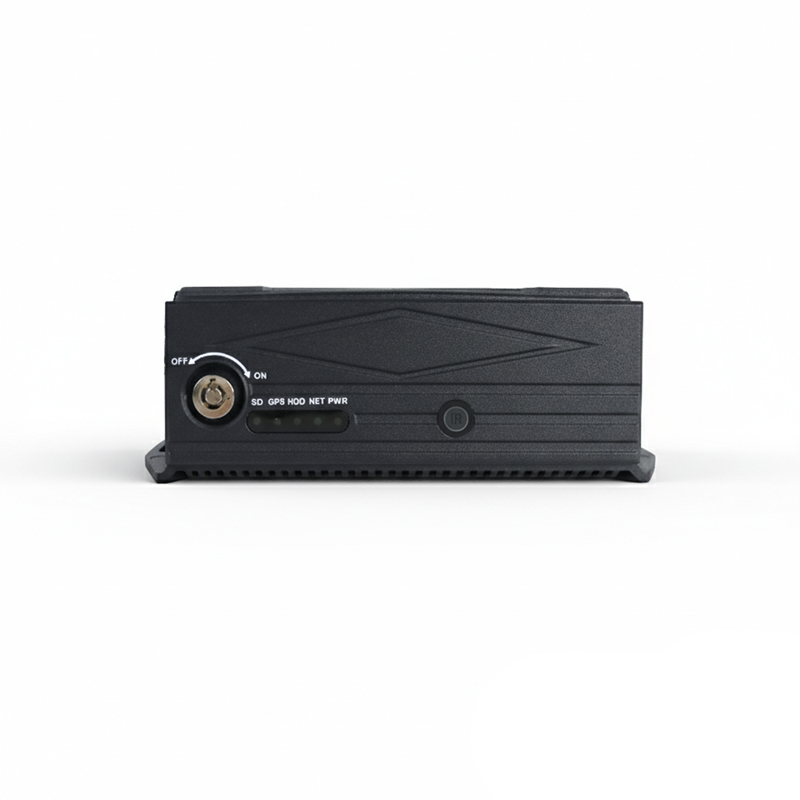
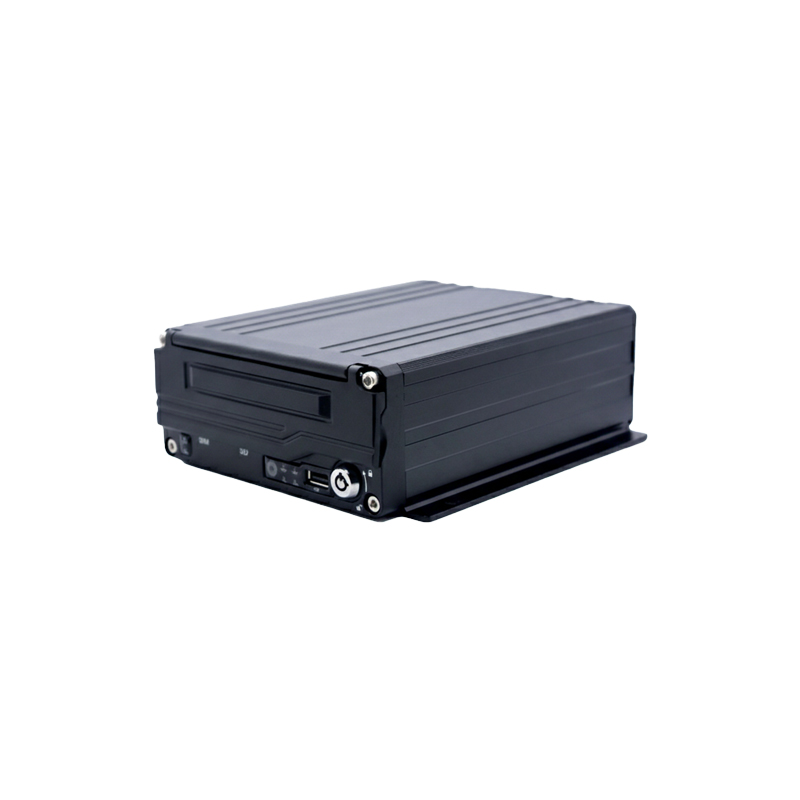
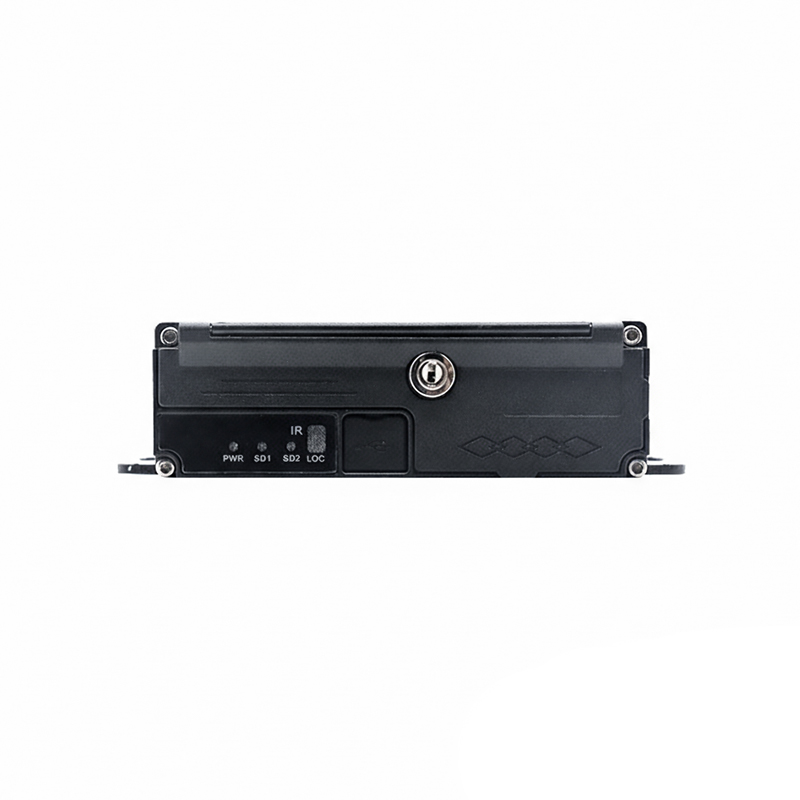
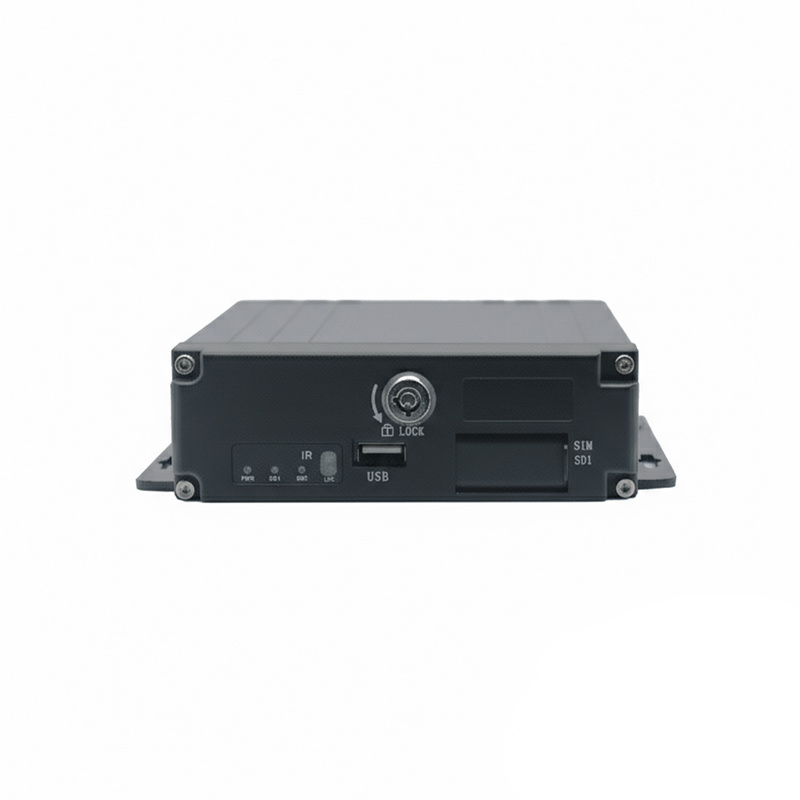
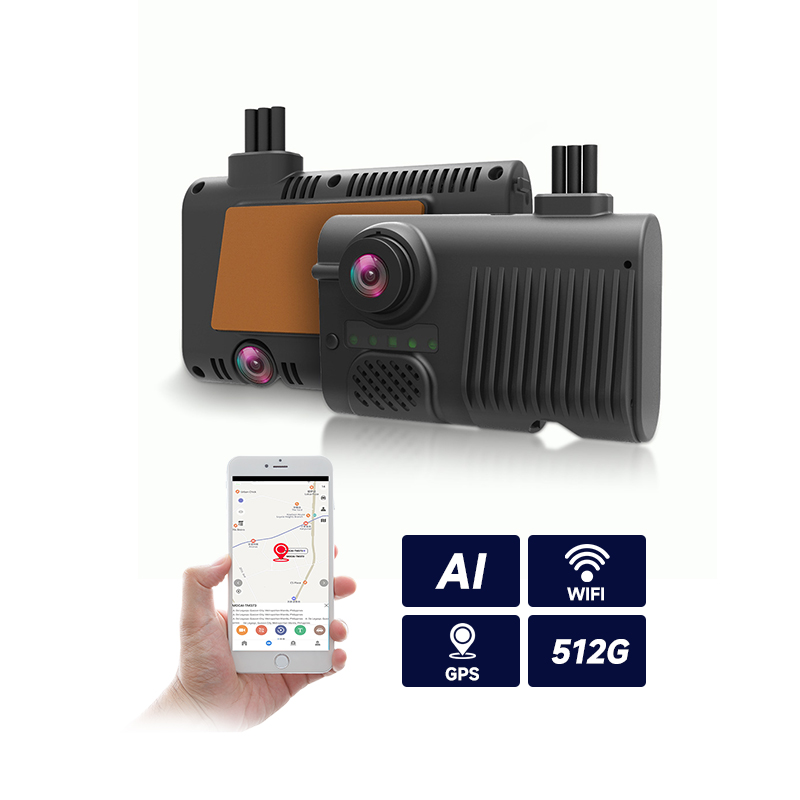
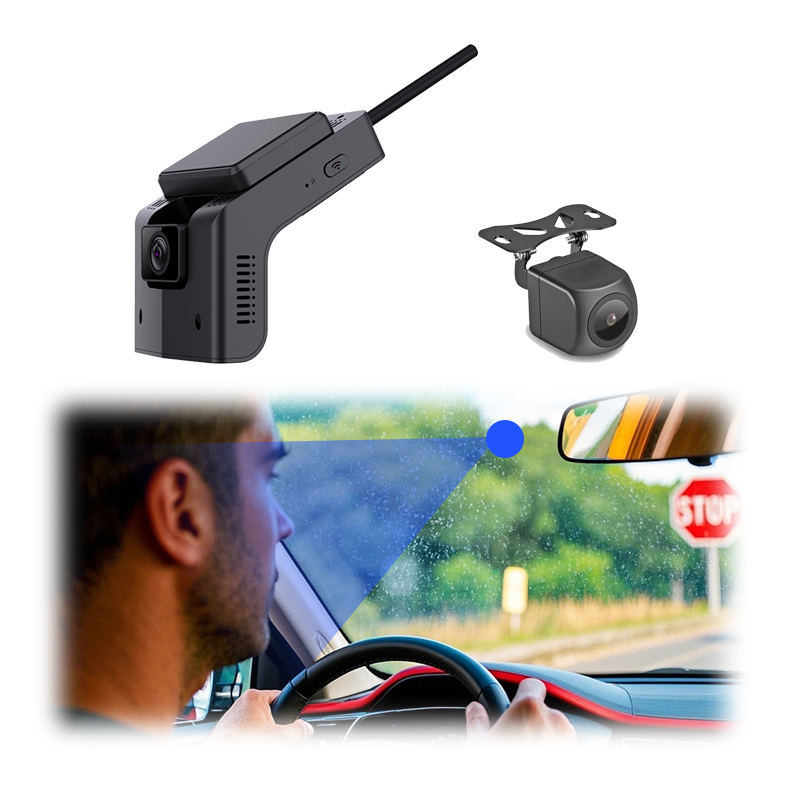
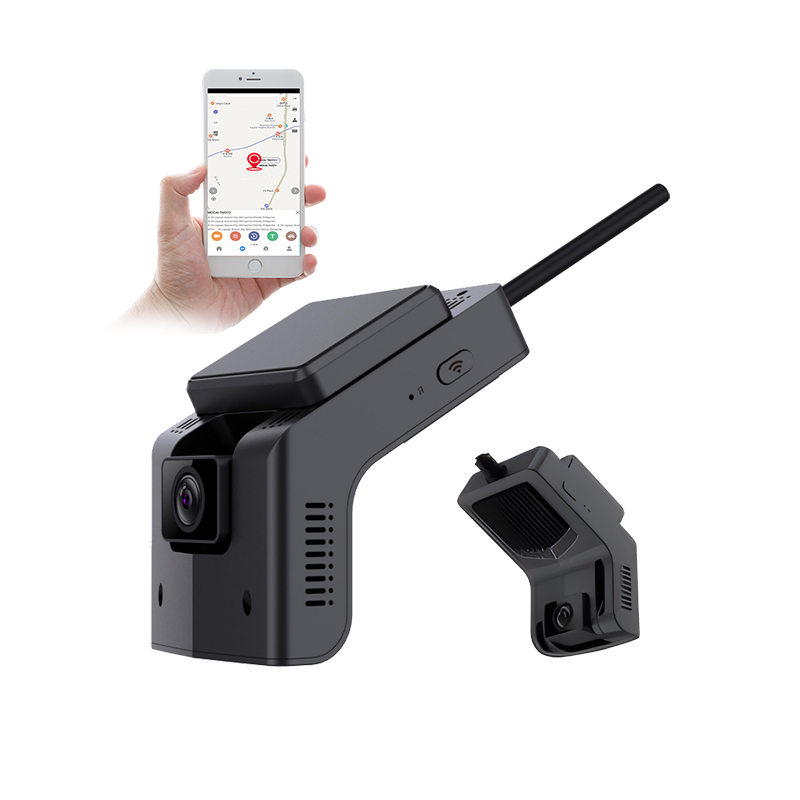


A vehicle device can be built from chips that all passed automotive qualification and still fail on a truck. The device is more than its chips: it has an enclosure, connectors, a board, solder joints and seals, each of those a failure point chip qualification never touches. ISO 16750 is the standard that tests them, putting the whole assembled device through the life a vehicle gives it.
A buyer who reads that every chip in a device is automotive-grade can take the device itself as proven, which it is not. Chip qualification does its job at the level of the chip. It says nothing about the box those chips are soldered into, the connector that feeds it power, the seal that keeps water out. Those parts have their own ways of failing. A device good on paper for its silicon can still die in a vehicle through one of them. ISO 16750 is the standard that closes that gap, testing the finished device against the stresses a vehicle delivers.
The way to understand ISO 16750 is to start from what a device adds to its chips, since that is what the standard exists to test. A chip becomes a device only once it is given an enclosure, mounted on a board, wired to connectors, sealed against the weather and fixed to the vehicle. Every one of those additions is a part that can fail on its own, in ways the chip inside knows nothing about. Each failure point pairs with a stress family ISO 16750 uses to find it, the electrical, the mechanical, the climatic and the chemical, each aimed at the parts of a device that chip qualification leaves untested.

Chip qualification proves the silicon. A standard like AEC-Q100 puts an integrated circuit through temperature extremes, thermal cycling, electrical stress and the rest. A part that passes has shown the chip itself can take a vehicle’s environment. This is real and necessary work, the proof that the components inside a device are fit for a vehicle. It is also the limit of what it proves. The qualification is about the chip, tested as a chip, on its own. Chip qualification is thorough within its bounds. It ages the silicon, stresses its junctions, cycles its temperature, checks it against the electrical conditions a chip meets in service. A part that holds the grade has been worked hard. The work stops at the package, at the boundary of the chip. What holds that package to a board, what carries power to it, what keeps the weather off it, lies outside the qualification entirely. A device is more than a chip. It is a population of chips soldered to a board, wired to connectors, closed in an enclosure, sealed and bolted to the vehicle. The qualification of each chip says nothing about how the board flexes, whether a connector works loose, how well the seal holds, whether a solder joint cracks under vibration. These belong to the device, not to any chip in it. The standard answering them runs in five numbered parts, ISO 16750-1 for the general conditions, then 16750-2 through 16750-5 for the electrical, mechanical, climatic and chemical loads in turn. A device can hold only qualified parts and fail anyway, because the part that failed was never a chip at all. That is the space ISO 16750 was written to cover.
Turning a set of chips into a working device adds parts that carry their own risks. The board the chips sit on can flex and crack a joint. The connectors that bring in power and signals can corrode, loosen or lose contact under vibration. The enclosure can let in water or dust if its seal is poor. The solder joints holding everything down can fatigue and break as the device heats and cools. The mountings can transmit the worst of a vehicle’s shaking straight into the assembly. None of these parts is a chip. None is covered when the chips are qualified. They are where a finished device tends to fail, in its assembly, with the silicon sound. ISO 16750 aims its tests at exactly these points, taking the assembled device and loading it the way a vehicle will, to find the connector that backs out or the joint that cracks before a customer does. The stresses it applies fall into four kinds, each reaching a different set of these failure points.
The pattern shows in how devices fail in the field. A unit returned from a vehicle rarely failed because a chip stopped working. It failed because a joint cracked, a connector corroded, a seal let water reach the board, the case let in dust. The silicon was usually found intact, the fault in the assembly around it. This is the everyday truth a device-level standard exists to catch before a device ships.
A vehicle’s electrical supply is unstable. The voltage sags when the engine cranks and climbs when the alternator charges. A load dump, when a heavy load disconnects, throws a damaging spike across the system. The supply carries ripple and transients. A wire reversed at the battery can put power across the device backwards. None of this is the clean, steady voltage a chip sees on a test bench.
ISO 16750 puts the whole device through these electrical conditions. It applies the voltage swings, the load dump, the reverse polarity, the ripple and the transients, then watches whether the device rides them or fails. The test reaches the device’s power design, the protection and regulation built around the chips, the whole circuit beyond them. A device survives by how well its board handles what comes in at the connector, which is a question the whole assembly answers together.
The load dump is the hardest of these to take. When a charging alternator suddenly loses its load, the energy it was feeding has nowhere to go and rises into a high-voltage spike across the supply. A device unprotected against it can have its input stage destroyed in an instant. ISO 16750 generates this spike and applies it, checking that the device’s protection clamps the energy before it reaches the parts a surge would ruin.
Reverse polarity is the simplest of these faults and one of the commonest in service. A wire crossed at the battery, a jump-start hooked up backwards, sends the supply through the device the wrong way. A device without reverse protection can be ruined the instant it happens. ISO 16750 applies reversed voltage and checks the device takes it without damage, the test of a protection a careless connection makes necessary.
Voltage quality carries the same weight as the extremes. The supply on a vehicle is full of small disturbances, dips as other loads switch on, noise riding on the line, brief sags and surges through the day. A device has to run through all of it without resetting or misreading. ISO 16750 feeds the device these everyday disturbances and watches it keep working, the test of a power design that holds steady on a supply that never does.

A vehicle never stops shaking. The engine, the road, the load all feed vibration into anything bolted to the vehicle, hour after hour, for years. Shock comes on top of it, a pothole or a slammed door driving a sharp jolt through the device. This steady and sudden movement works at the mechanical parts of an assembly, the solder joints, the connectors, the board, the mountings.
ISO 16750 shakes the device to find what the movement loosens. It drives the device with a vibration profile matched to where it rides on the vehicle, then delivers mechanical shock, watching for a cracked joint, a fretted contact, a fatigued mounting. These are assembly failures, the kind that no amount of chip qualification prevents, since a joint between a chip and a board belongs to the device that joined them. The test is where a device’s mechanical reliability gets proven, the assurance the assembly holds together under what the vehicle keeps doing to it.
The vibration a device must take is defined as a profile, a spread of frequencies and intensities standing in for the years of shaking a vehicle delivers. A device on the engine sees a harsher profile than one in the cab, since the engine shakes harder than the body. ISO 16750 runs the device on a shaker through its profile for an extended time, compressing years of road into a test of hours, to surface the joint or mounting that vibration would eventually loosen.
Connectors take much of the mechanical punishment. A connector is a join that has to stay tight through years of vibration, the point where a wire meets the device and power crosses a gap. Vibration works a connector loose, frets its contacts, wears the plating that carries the current. A loose connector is among the commonest field failures, which is why ISO 16750 tests the device with its connectors mated, shaking the join as hard as the box.
Mechanical shock is the sharp counterpart to the steady vibration. A wheel dropping into a pothole, a door slammed, a coupling banged home sends a hard, brief jolt through the device, far stronger for its instant than the background shaking. ISO 16750 delivers calibrated shocks and checks nothing breaks, the test of an assembly against the sudden blows a vehicle’s life includes.
Temperature works on a device in two ways. The range runs from a winter night well below freezing to an engine bay in summer. A device has to work across the whole of it. The cycling between extremes is worse than the extremes themselves, since each swing expands and contracts the materials of the device by different amounts, prying at solder joints and seals until something gives. Damp adds its own attack, moisture and condensation reaching boards and contacts to corrode them.
ISO 16750 cycles the device through temperature and exposes it to humidity, looking for what the heat, cold and damp break. It holds the device at its high and low limits, runs it through cycle after cycle, then subjects it to humid and condensing conditions. These tests find the seal that fails and lets moisture in, the joint that fatigues as the device expands and contracts with each cycle, the contact that corrodes. The failures are again the device’s, in its materials and its assembly, the things temperature and damp reach that a chip’s own qualification did not.
Thermal cycling wears a device out over years. A unit warms when it runs and when the sun beats on it, cools when it stops and when night falls, doing this thousands of times across its life. Each cycle moves the solder, the board, the case by a little, the different materials pulling against one another as they expand and shrink. Over enough cycles a joint that took every single change works itself loose. The device fails through the repetition of a small stress over thousands of cycles.
Humidity attacks by a route of its own. Warm, damp air finds its way into a device through any gap in the seal; when the device cools, the moisture condenses inside, beading on the board and the contacts. Water on a live board corrodes tracks and bridges connections. ISO 16750 holds the device in humid heat and cycles it to force condensation, the test of whether the seal keeps the inside dry across every temperature swing.
A vehicle is a chemical environment on top of a physical one. A device may meet oil and grease, fuel and brake fluid, the salt of a treated winter road, the cleaners used to wash the vehicle down. These reach the outside of the device, its enclosure, its seals, its exposed connectors, the surfaces a chip sealed inside never meets.
ISO 16750 exposes the device to the chemicals it is likely to encounter where it is mounted. It checks whether the enclosure holds up, whether the seals survive, whether an exposed contact corrodes. This is a test of the device’s outer defences, the parts that stand between the vehicle’s chemistry and the electronics within. A device mounted in a clean cab meets little of this. One in an engine bay or under the chassis meets a great deal. The standard grades its severities for exactly that difference.
How well a device keeps the chemistry out comes down to its sealing. A well-sealed enclosure with rated connectors keeps oil, water and salt away from the board. The sealing is rated to a standard of its own for dust and water. ISO 16750 checks that the rating holds against the specific chemicals a vehicle brings. A device meant for a wet or dirty location depends on this sealing for its whole service life.
The same device faces widely different lives depending on where it rides. A unit in the cab sees mild temperatures, gentle vibration and little chemical attack. A unit in the engine bay sees fierce heat, heavy vibration and a bath of oils and fluids. A unit under the chassis takes the road’s water, salt and stones directly. The stress a device must survive is set by its mounting place.
ISO 16750 builds this in, setting the severity of its tests by where the device is meant to go. The document itself runs in five parts, a general text plus four stress families, electrical loads in part 2, mechanical in part 3, climatic in part 4, chemical in part 5, so a test report that means anything names which parts ran and at what severity. A device qualified for the cab is tested to cab conditions; a device for the engine bay is tested to the harder conditions there. The standard is a set of severities matched to mounting locations, so a device is proven for the place it will live. A buyer reading an ISO 16750 result has to know which location it covers, since a pass for a sheltered spot says nothing about a harsh one.
The vehicle divides roughly into zones of severity. The cab is the gentlest, a controlled space where people sit. The engine bay is among the harshest, hot and oily and shaken hard. The chassis and the exterior take the weather and the road directly. A device is designed and tested for the zone it belongs to, its enclosure, its sealing, its rated temperature range all chosen for the conditions there. Moving a cab-rated device to the engine bay asks it to survive a place it was never proven for.
Knowing a device’s rated location is part of fitting it. A unit sold for the cab carries a rating proven in cab conditions. Bolting it into the engine bay puts it somewhere its rating never promised. A fleet matching devices to mounting points keeps each unit where its testing covers. The rating is a statement of where a device belongs, of little use once the device is mounted somewhere harsher.
Chip qualification and ISO 16750 are two levels of one assurance. The chip level proves the silicon can take a vehicle. The device level proves the assembly built from that silicon can take a vehicle too. A reliable vehicle device needs both: qualified chips inside an assembly that has itself passed ISO 16750. One without the other leaves a hole, good chips in a device that fails at a connector, or a well-built box around parts that cannot take the heat.
This is why a careful maker carries both kinds of proof. The chip qualifications show the components are automotive-grade. The ISO 16750 testing shows the finished unit is too. The two together cover the device from its silicon out to its enclosure, leaving no level unproven. A trustworthy monitoring terminal is proven at both levels, the parts qualified and the whole tested, each standard answering for the part of the device the other cannot.
The split of work between the two levels is clean. The chip maker proves the silicon, running the qualifications that give a part its automotive grade. The device maker proves the assembly, running the ISO 16750 tests on the finished unit. Each answers for what it builds, the chip maker for the chip, the device maker for the device. A fleet relying on the end product relies on both having done their part, the qualified silicon and the tested assembly meeting in the unit it fits.
The two-level idea is one to hold onto, since it is how reliability is built in any system made of qualified parts. A complex thing is proven from the bottom up. The smallest pieces are qualified first, each shown fit on its own. Then the assembly of those pieces is proven, since putting good parts together makes a new thing with new ways to fail. A vehicle device is exactly this. Its chips are the qualified pieces, each proven by its own qualification to take the automotive world. The device is the assembly, the new thing made by joining those chips with a board, connectors, an enclosure and the rest. Proving the chips does not prove the device, because the device has properties no chip has: the way its board flexes, the way its joints fatigue, the way its seal holds or fails. Those properties come into being only when the parts are assembled, so they can be tested only at the level of the assembly. This is the gap ISO 16750 fills. It takes the assembled device and tests the properties that assembly created, the ones chip qualification could not have reached because they did not exist at the chip level. A device that passes both has been proven all the way through, from each chip up to the whole unit, with no level left to chance. A device proven at only one level has a blind spot: qualified chips in an untested assembly, or a tested assembly whose components were never graded. The discipline a buyer should look for is every level proven in turn, from the silicon to the sealed box, since a chain of reliability is only as sound as the level nobody proved. The practical form of this is plain: a buyer asks whether the device around the chips was tested, the half of the proof that decides whether the unit lasts, the chips themselves being the easy half already covered by their grade. The device-level test is the harder half and the more telling one, since it alone reaches the parts that fail first in service: the joints, the seals, the connectors, the board, the places a working vehicle breaks a device its chips alone would have carried, the silicon intact through a failure the assembly suffered. The report a buyer should ask for names the part of ISO 16750 each load was run under, the severity applied at each, the behaviour observed all the way through. That is the whole case for testing the device beyond its parts.
A device of qualified parts still needs its own pass through 16750.
For a fleet choosing a vehicle device, the lesson is to look past the chips to the device. A claim that a unit uses automotive-grade components is good to have. It speaks for the silicon. The question that finishes the picture is whether the finished device passed ISO 16750, to what location’s severity. A device proven only at the chip level covers its silicon. The assembly around those chips needs its own pass.
The check is to ask for the device-level qualification and read what it covers. Confirm the unit was tested to ISO 16750. Confirm the severity matches where it will be mounted, a cab unit to cab conditions, an exposed unit to the harder ones. Treat a spec that lists automotive-grade chips and says nothing about device testing as half an answer. A fleet that fits a device proven at both levels gets a unit whose chips and whose assembly have each been shown to survive the vehicle, which is what keeps it working long after a bench-tested box would have failed.
Reading a device’s spec for this takes a moment’s care. A line that says automotive-grade components describes the chips. A line that says tested to ISO 16750 describes the device. The two make different claims. A spec that offers the first, staying quiet on the second, has described the components and left the device unexamined. A buyer who knows to look for the device-level line reads a spec for what it leaves out alongside what it states.
The cost of getting this wrong falls on the fleet. A device that fails in service strands a vehicle, pulls a technician out to it, leaves a gap in the data a regulator may require. A unit proven only at the chip level carries that risk into the fleet unseen. Paying attention to the device-level testing at purchase is what keeps the failure from arriving later, when it costs far more than the question would have at the start. The small effort of asking about device-level testing is the cheapest insurance a fleet buys against a unit that fails early in the field, far from the depot and the spare it would need.
ISO 16750 tests a finished electrical or electronic device against the conditions a road vehicle subjects it to. It covers electrical loads such as voltage swings and load dump, mechanical loads such as vibration and shock, climatic loads such as temperature cycling and humidity, and chemical exposure such as oils and salt. It proves the whole assembled device. The chips inside carry their own separate qualification.
Chip qualification, such as AEC-Q100, proves an individual integrated circuit can survive a vehicle. ISO 16750 proves the device built from those chips survives as a whole, including the enclosure, connectors, board, solder joints and seals. A device can hold qualified chips and still fail through a weak connector or a poor seal, so the two standards test different levels of the same device.
Because a device is more than its chips. It adds a board, connectors, an enclosure, solder joints and seals. These can fail in ways no chip qualification covers: a joint cracks under vibration, a connector loosens, a seal lets water in. These are assembly failures, which is exactly what ISO 16750 is designed to find.
Yes. ISO 16750 sets the severity of its tests by where the device is mounted. A device for the cab is tested to milder conditions. A device for the engine bay or chassis is tested to harsher ones. A pass applies to a particular location, so a buyer has to know which location an ISO 16750 result covers.
Yes. The two are levels of one assurance. Chip qualification proves the silicon. ISO 16750 proves the assembly built from it. A reliable vehicle device needs qualified chips inside a unit that has itself passed ISO 16750, since either one alone leaves a gap the other closes.
Ask whether the finished device was tested to ISO 16750 and to what location’s severity. A claim of automotive-grade chips covers the components. The assembled device needs its own test evidence. Confirm device-level testing and that its severity matches where the unit will be mounted, treating silence about device testing as an incomplete answer.