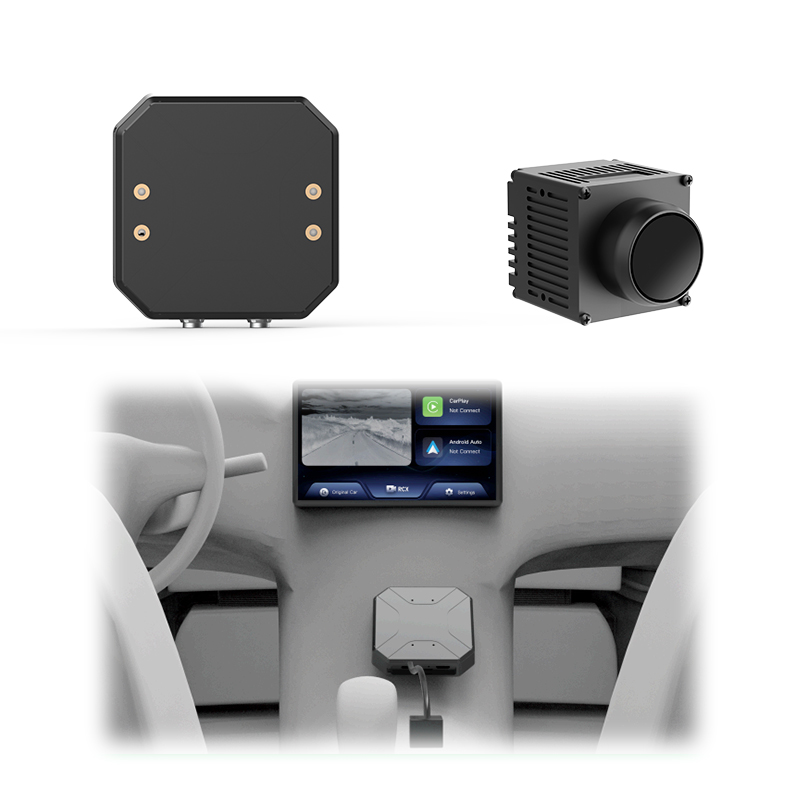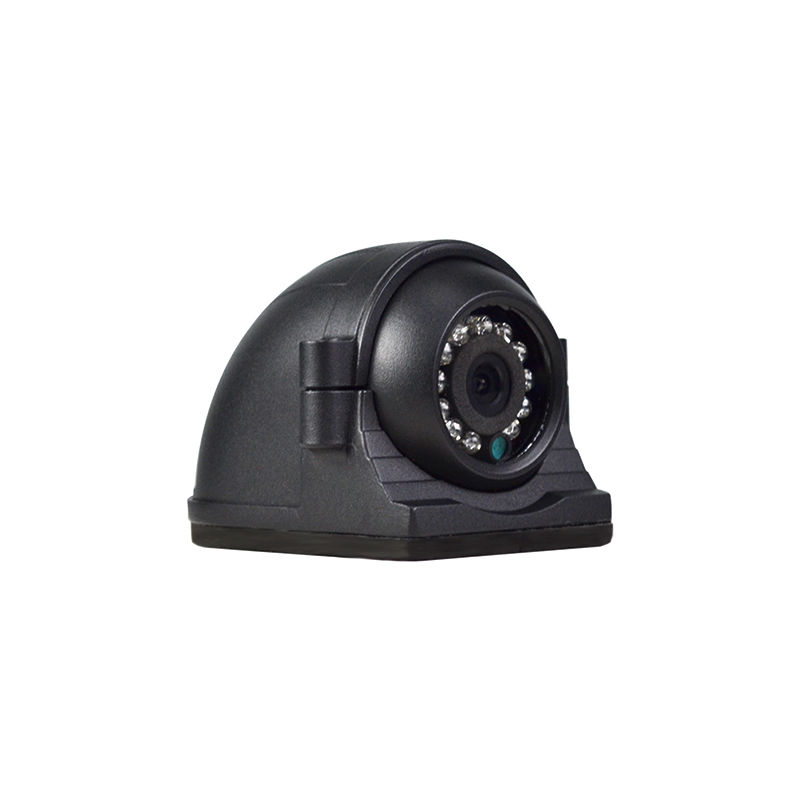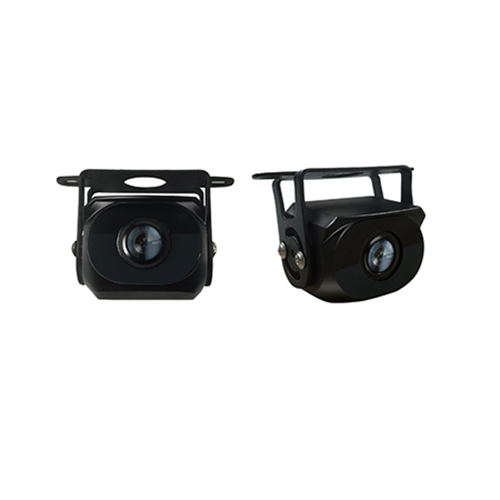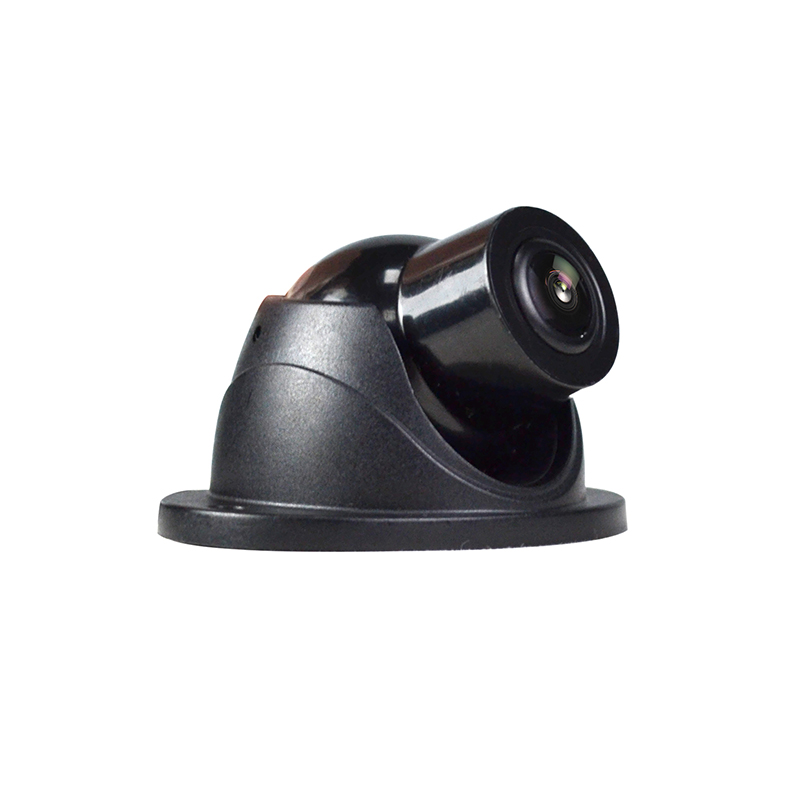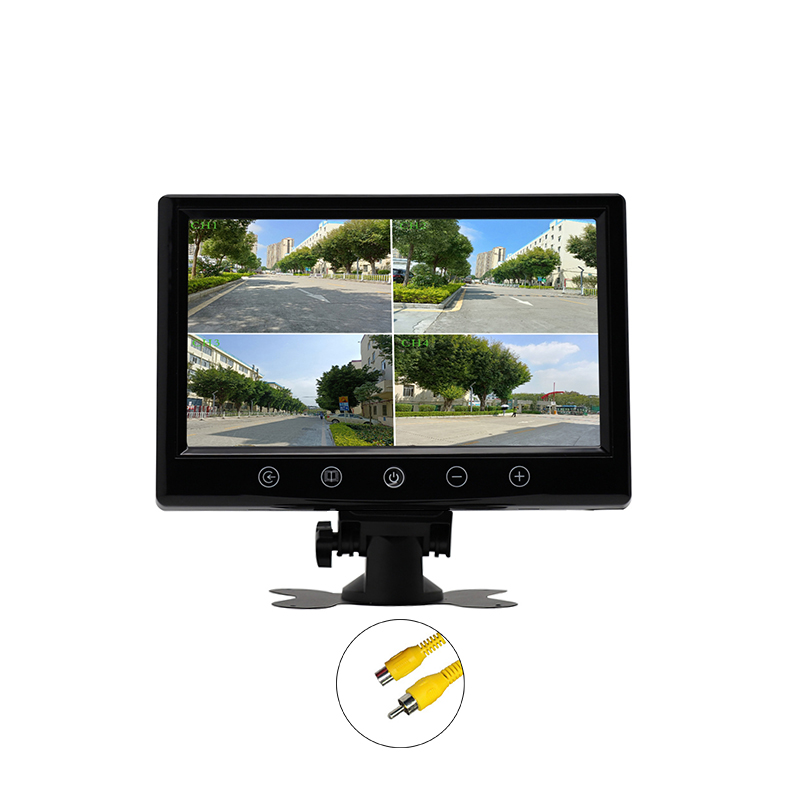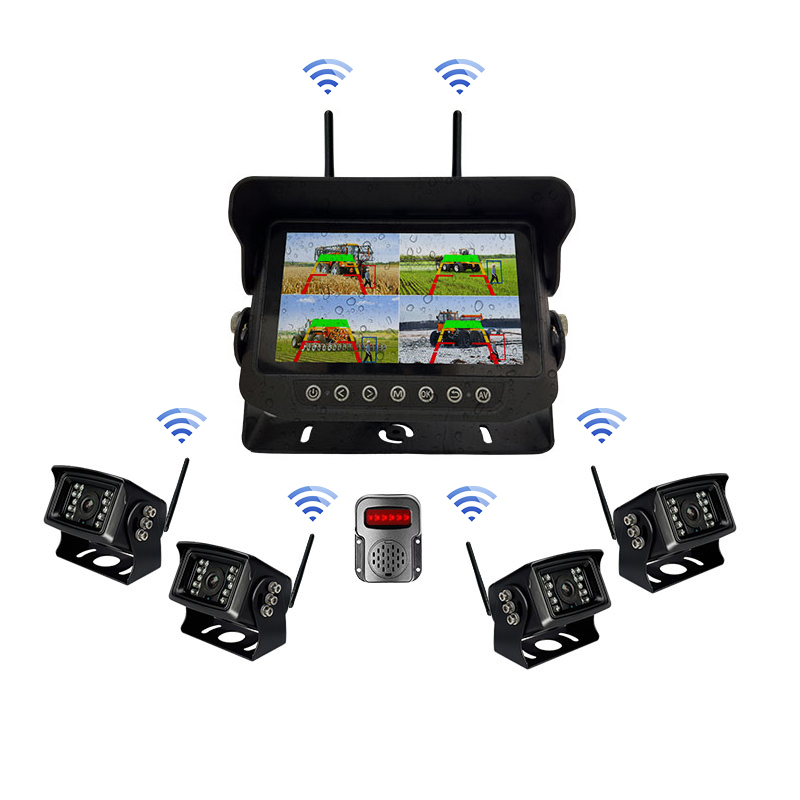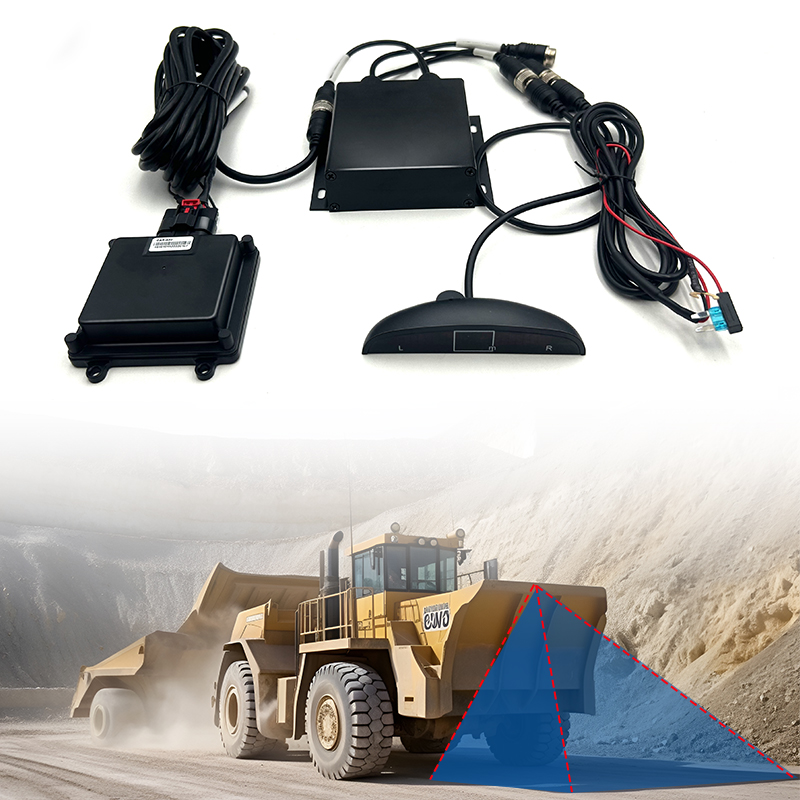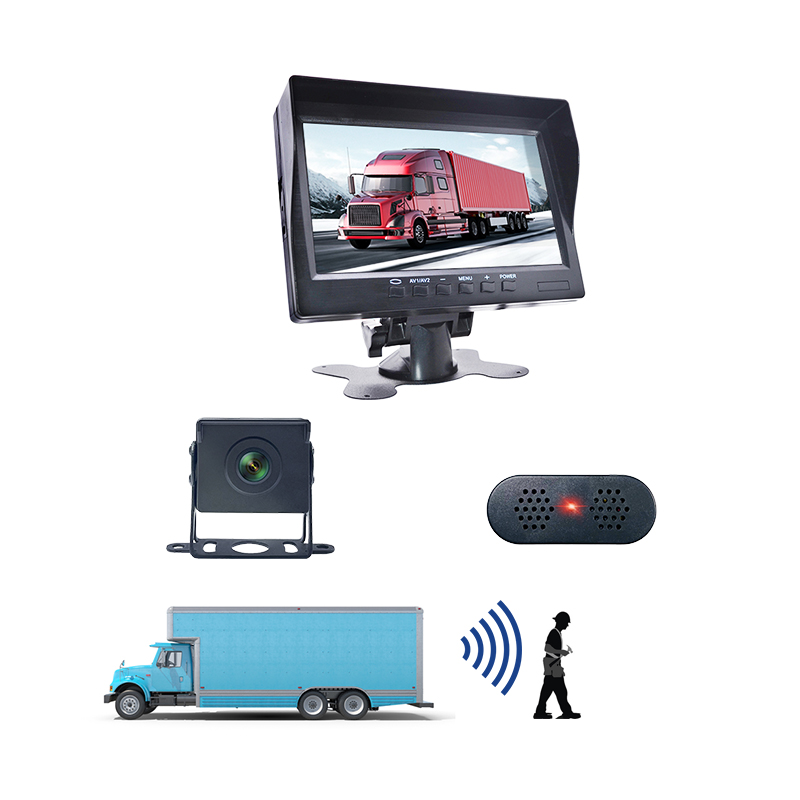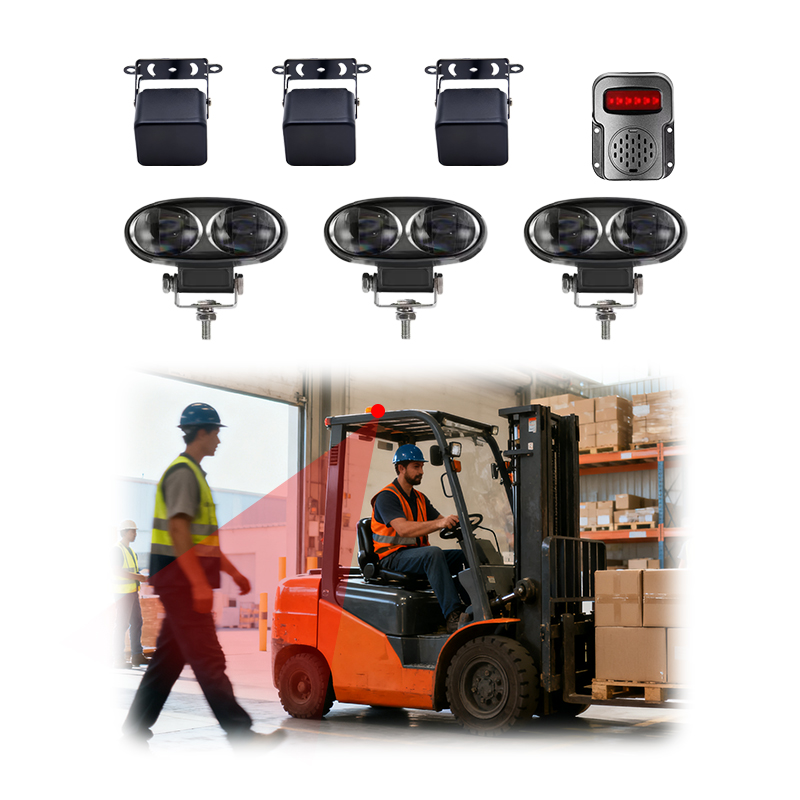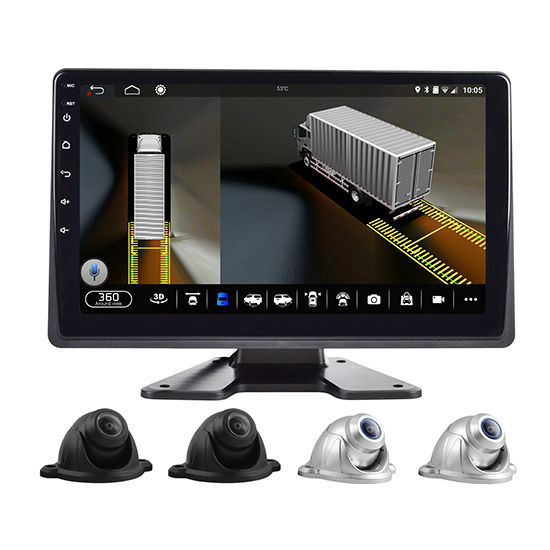
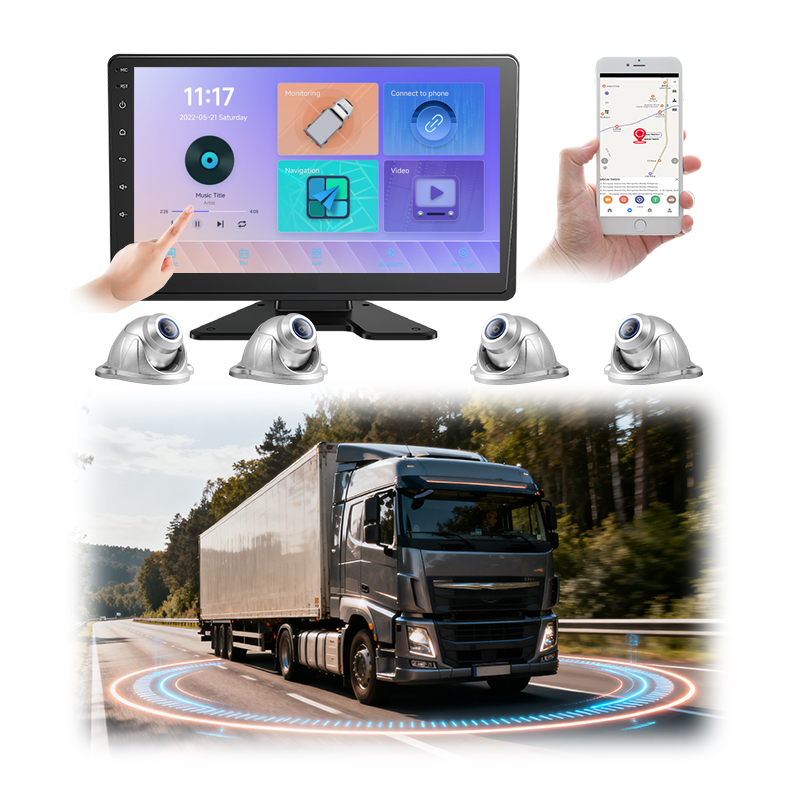
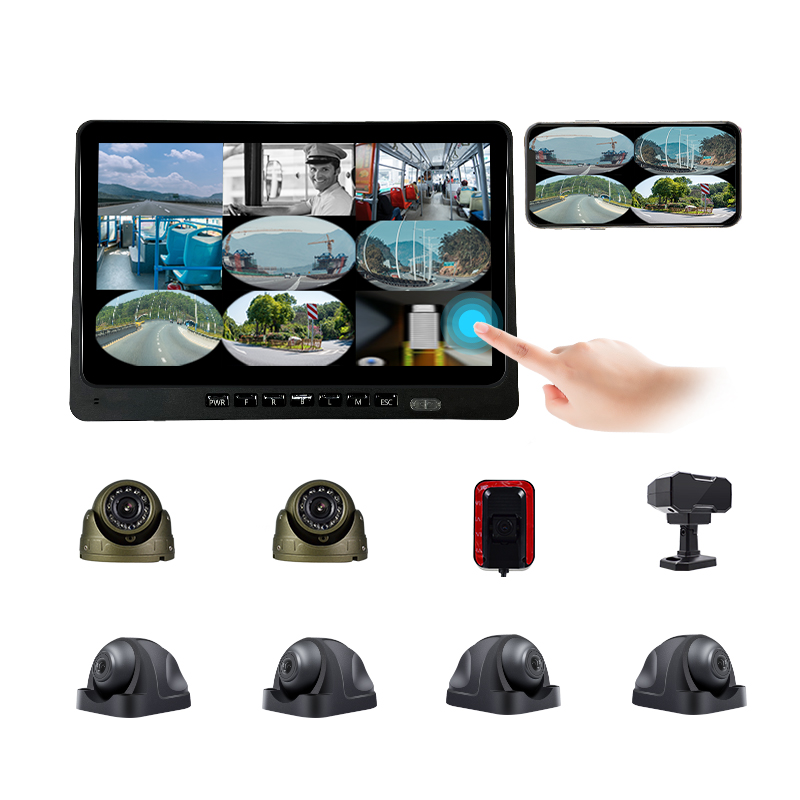
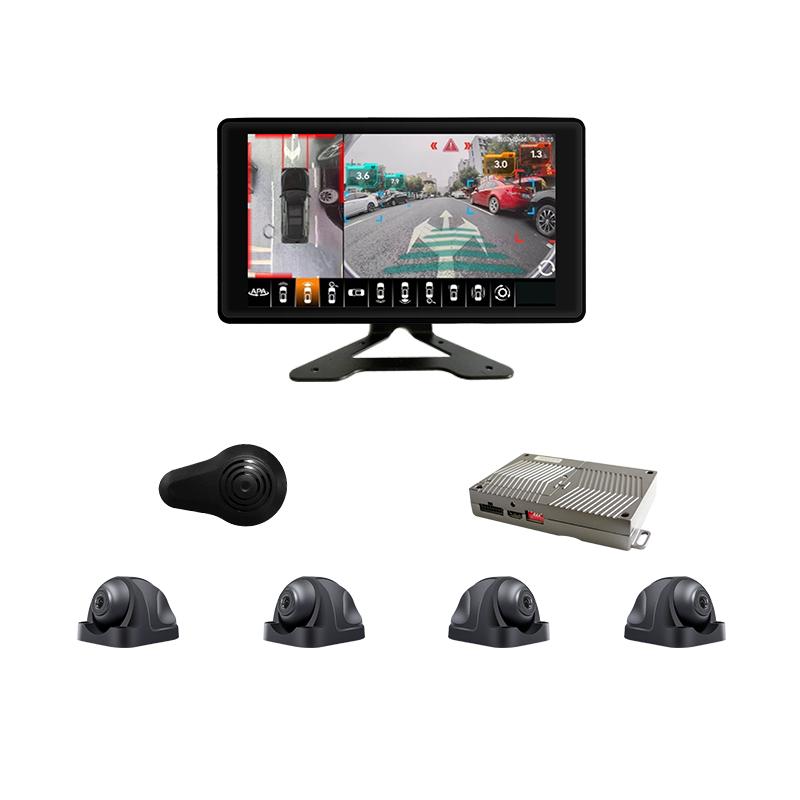
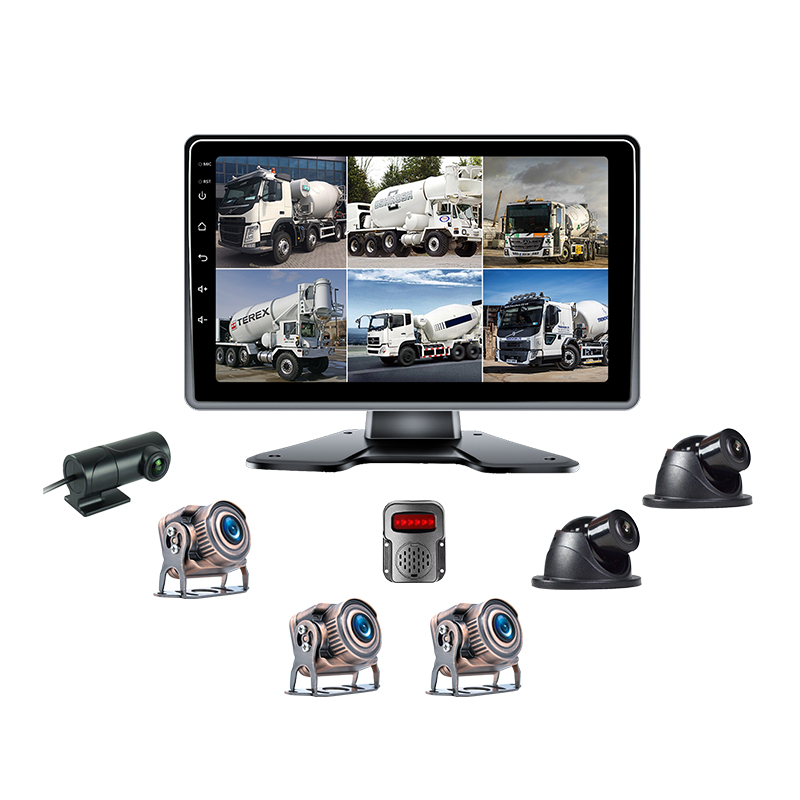
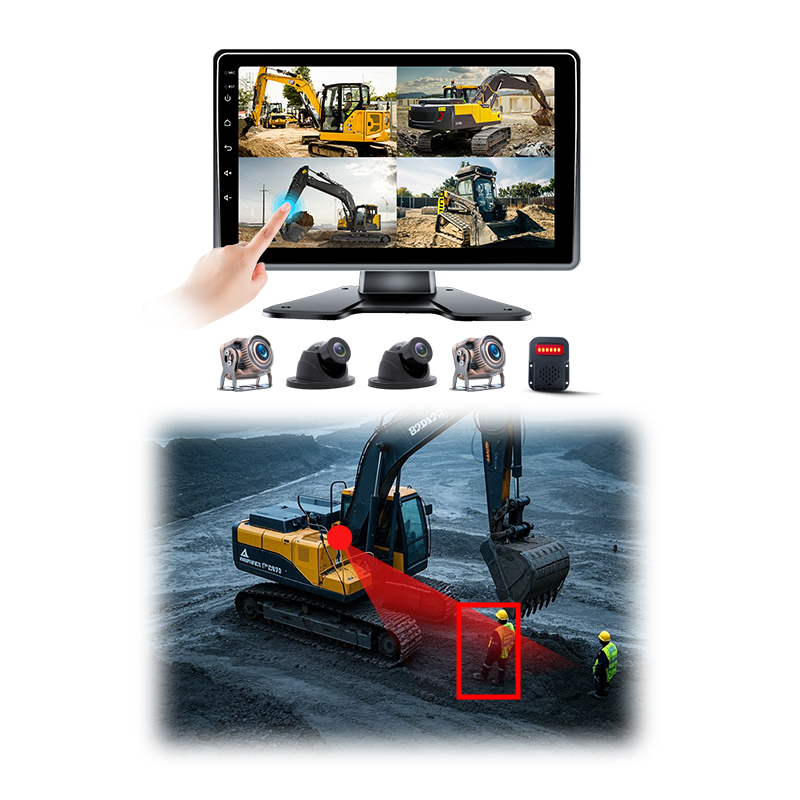
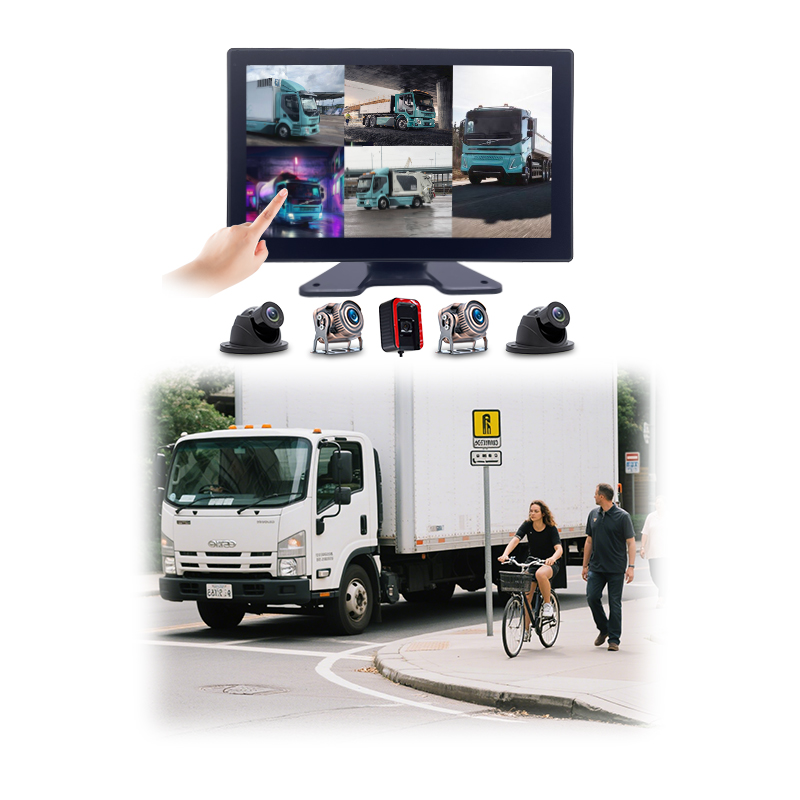
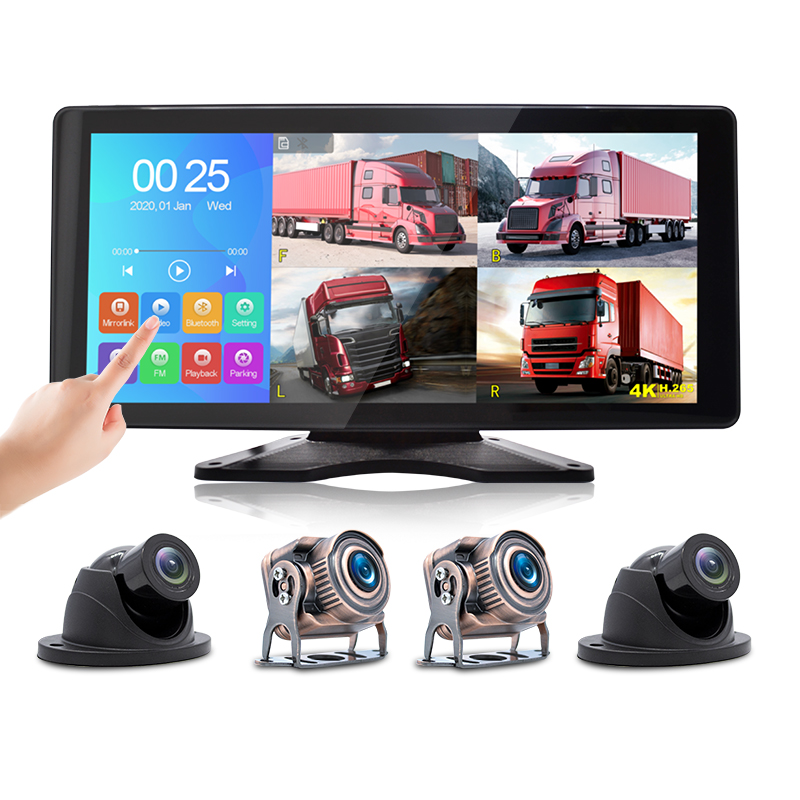
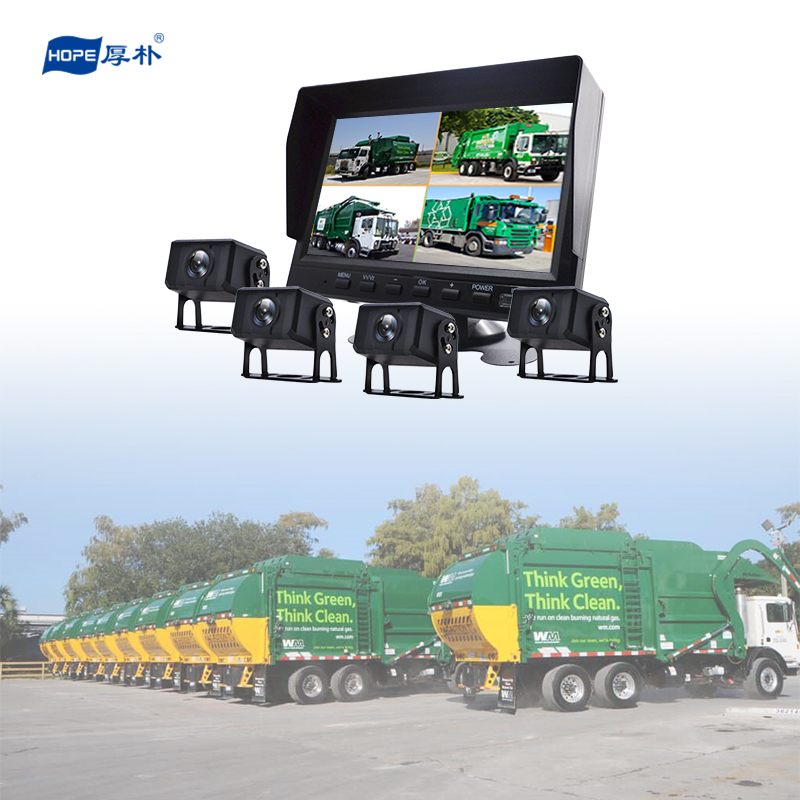
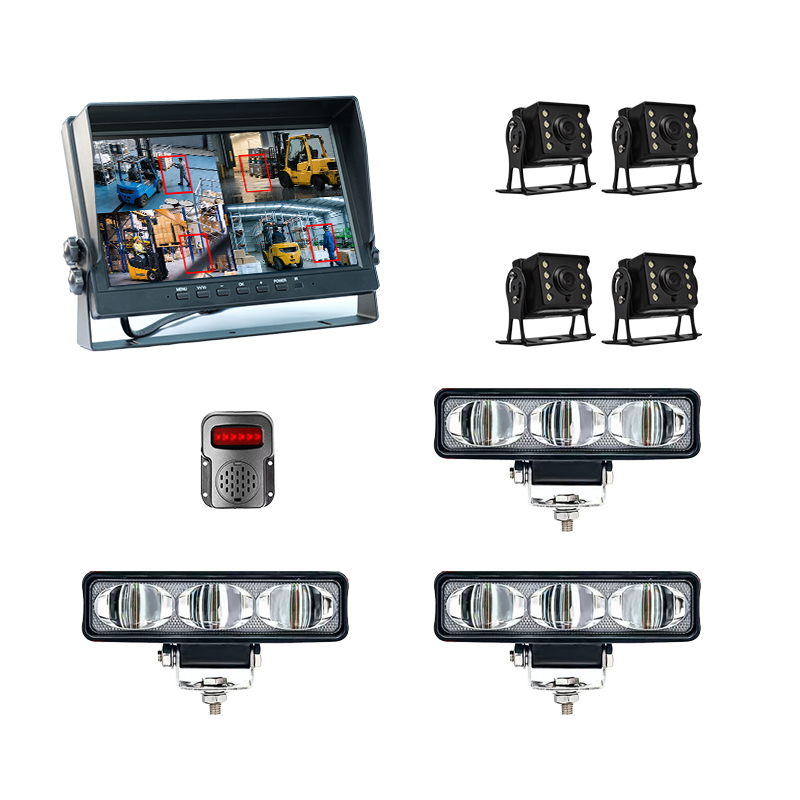
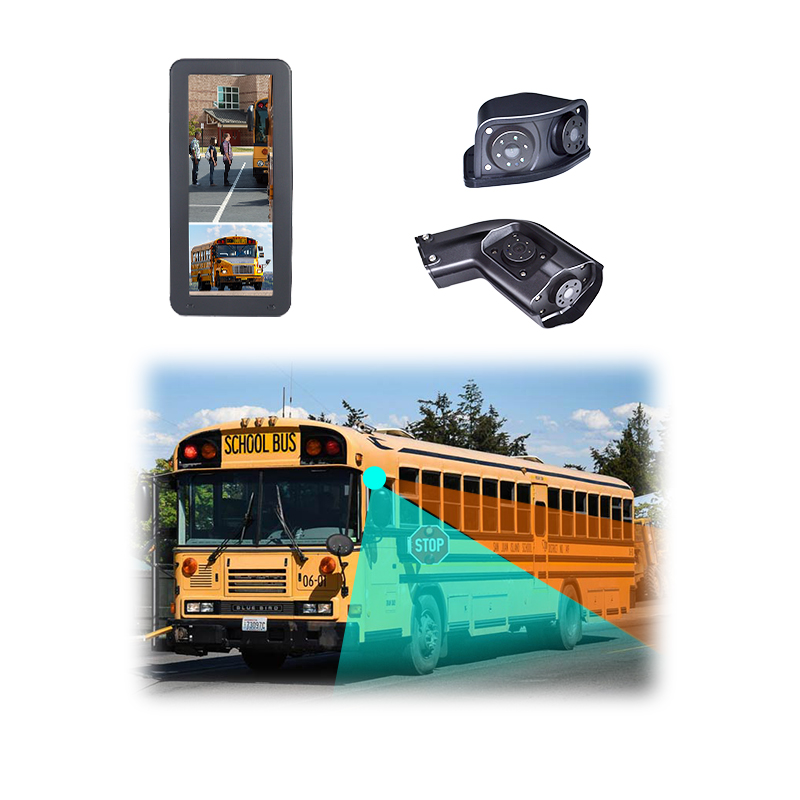
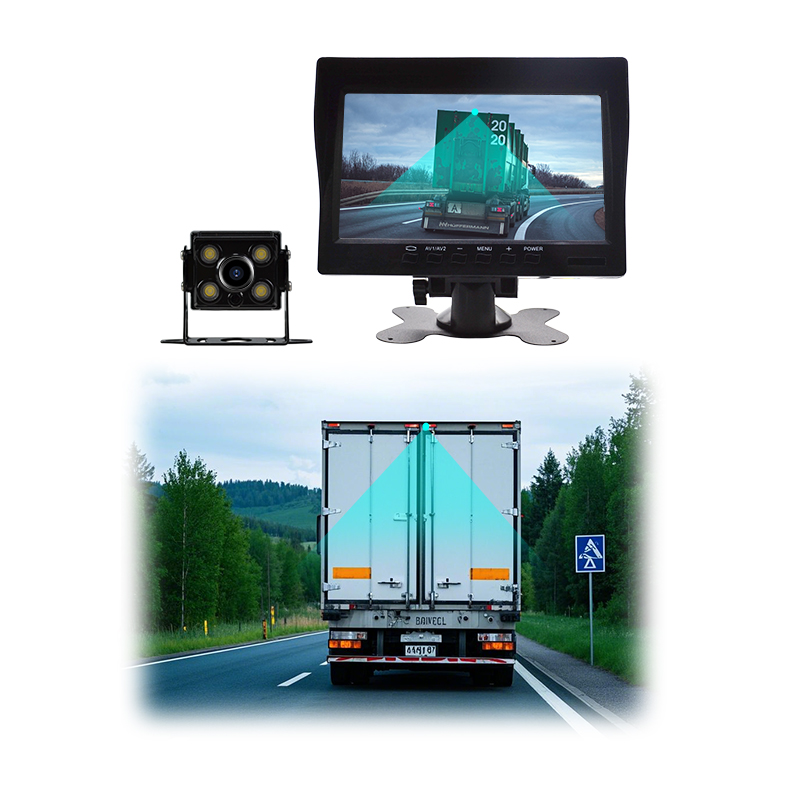
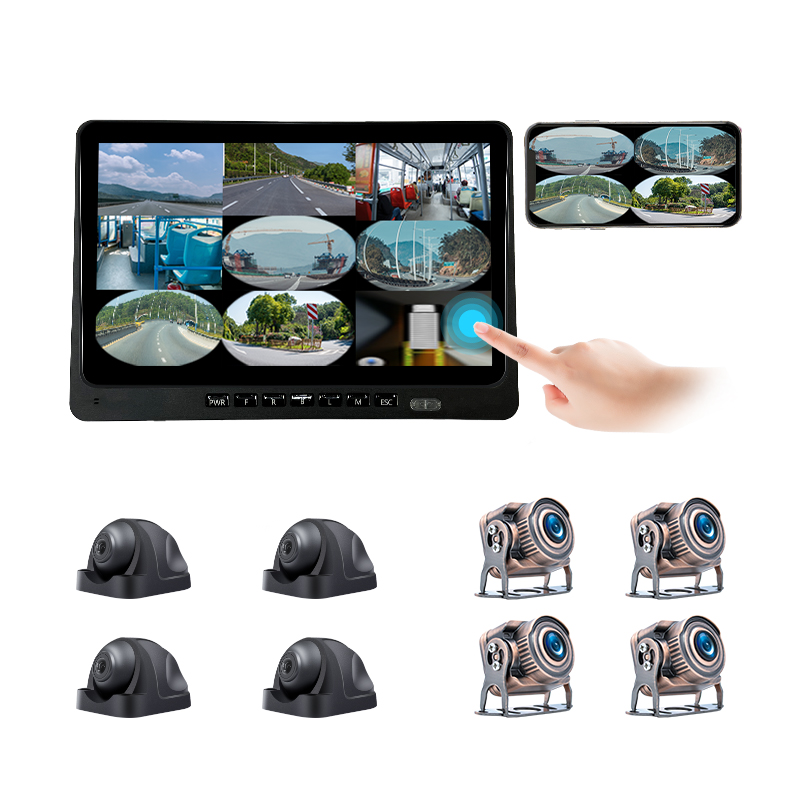
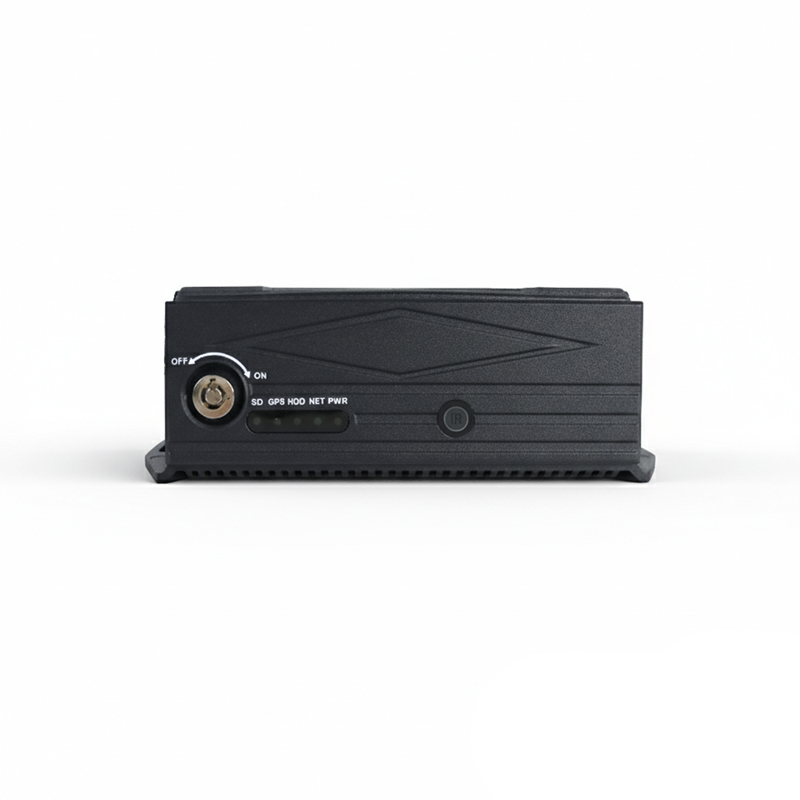
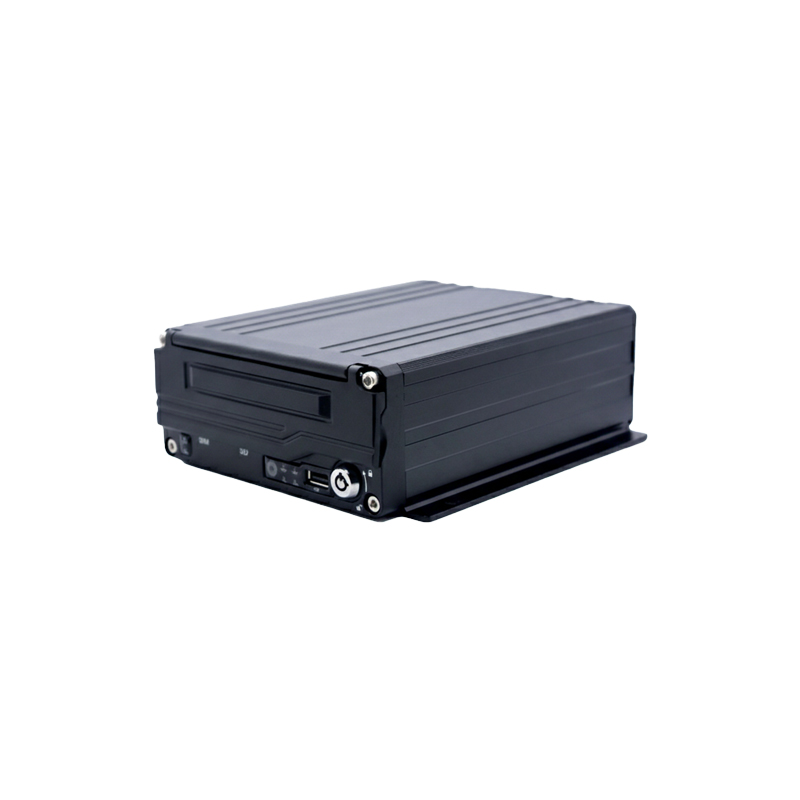
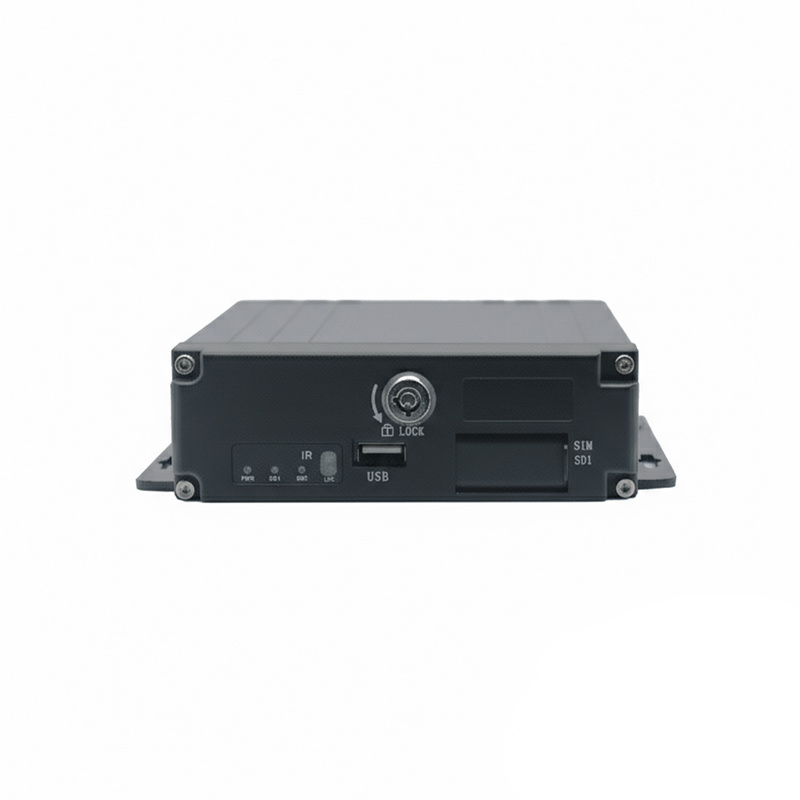
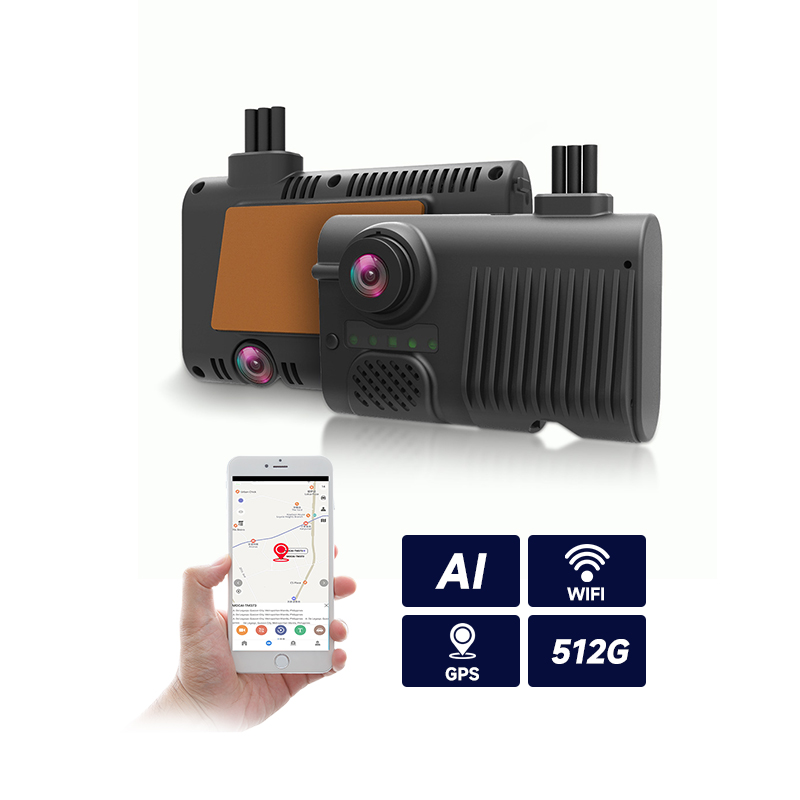
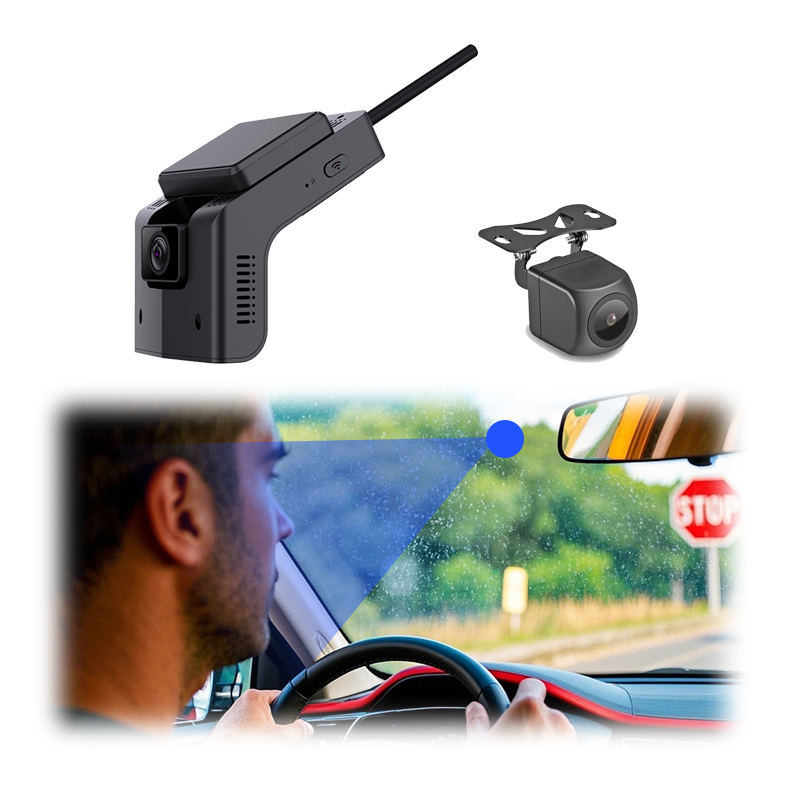
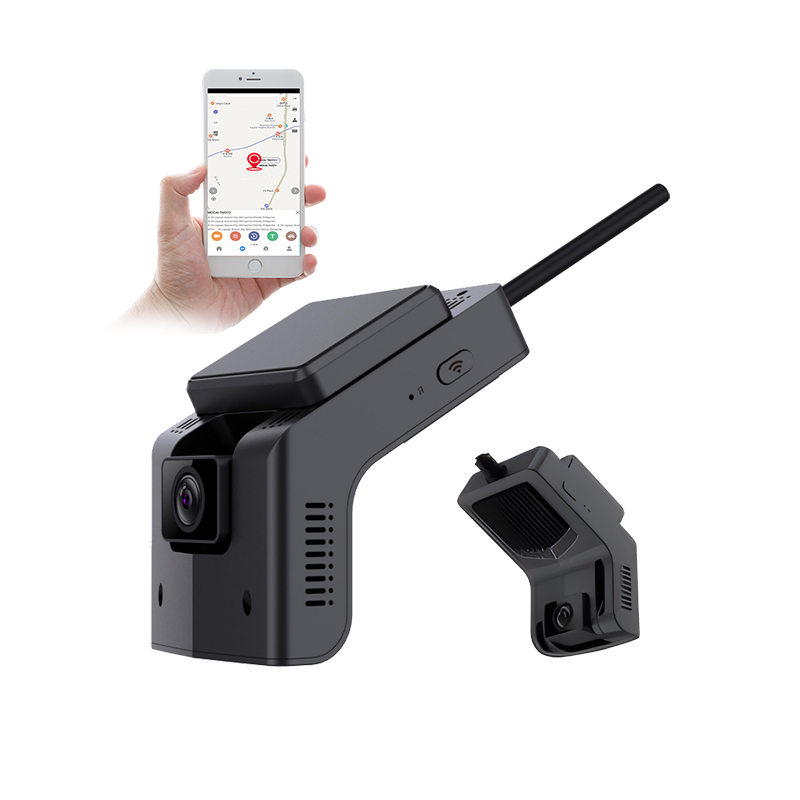
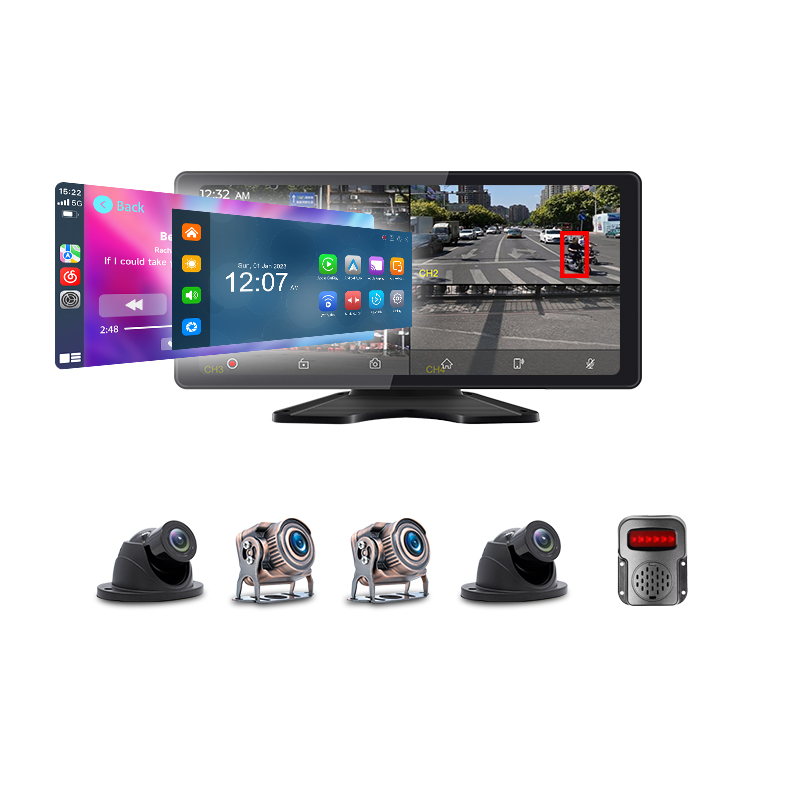
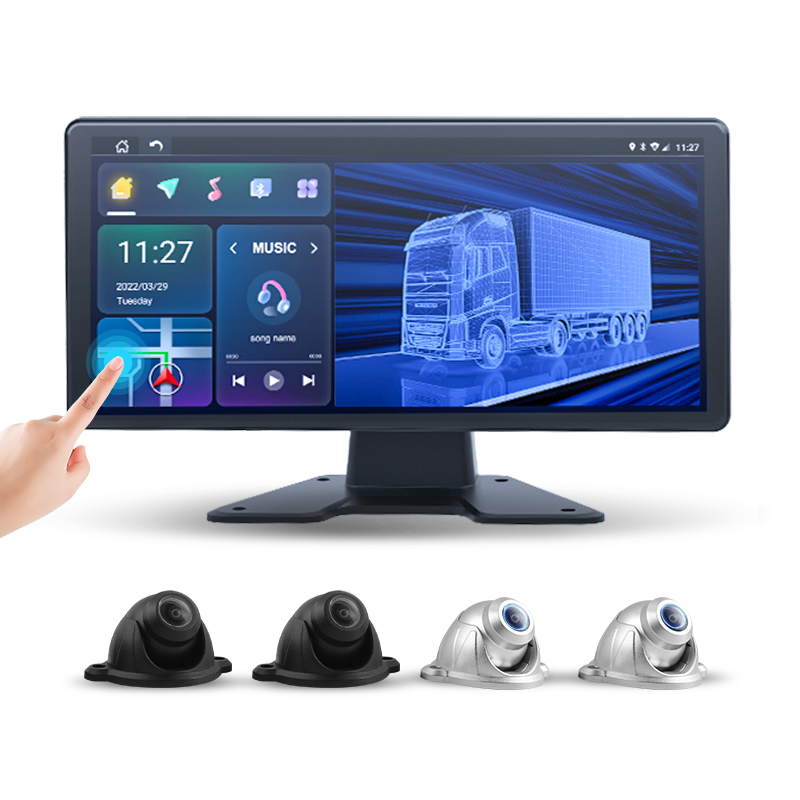
The same four-channel hardware fits a school bus, a hazardous-goods tanker and a muck truck, but each of them is watched for a different reason. HOPE matches the cameras, recorder and active-safety stack to what a given fleet actually has to prove and prevent.
Each of these starts from the same proven platform and changes only what the work demands, the camera count, the mounting, the alarms a regulator wants reported.
The right-turn that hides a child, a headcount that no one gets left behind, and a tamper-proof record an inspector can pull after an incident.
The high-risk passenger class, with driver-state monitoring for long shifts and a stitched 360 view around a long body.
Forward collision and lane warning tuned for a loaded stopping distance, full-bitrate local recording and video on demand over 4G.
An in-cab record that protects driver and passenger alike, with live position and clips a dispatcher can reach in seconds.
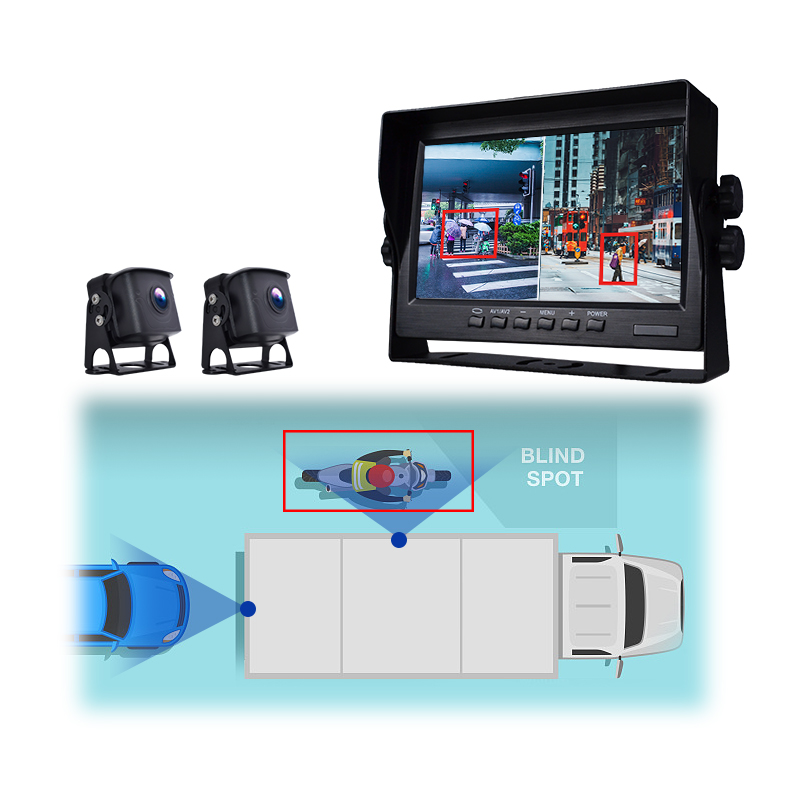
Blind-spot detection for the nearside turn that kills cyclists, plus an around-view that closes the gaps a high cab leaves.
The strictest monitoring mandate there is, built to report the right alarms to a provincial platform and hold the evidence months later.
Recording and telematics that survive the run, so a delivery is documented end to end and a dispute has footage behind it.
Explosion-proof cameras, agricultural rigs and one-off builds, handled through the same OEM and ODM line as the standard range.
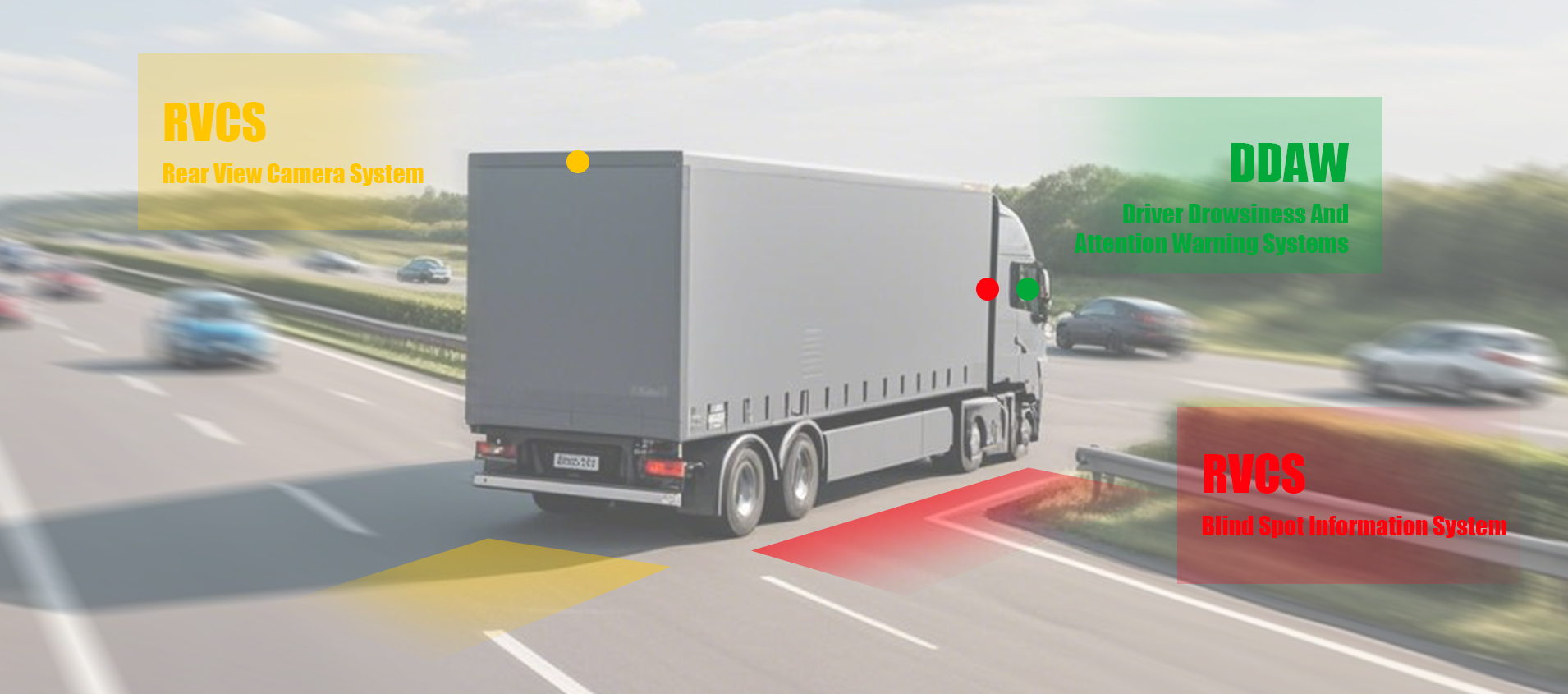
Most of these fleets run the same active-safety set. The host reads four feeds and does four jobs at once, and the regulation usually decides which of them is mandatory.
Four corner cameras stitched into one overhead picture that erases the blind zones around a long vehicle.
Lane-departure and forward-collision warning, fired earlier because a loaded truck takes longer to stop.
The nearside camera that catches a cyclist the mirrors lose at the moment the wheel tracks toward them.
An inward camera reading fatigue and distraction, warning the moment the eyes close or the phone comes up.
Give us the vehicle type, the route and the rules you answer to, and we will come back with a camera layout, the right recorder and the platform it should report to.