

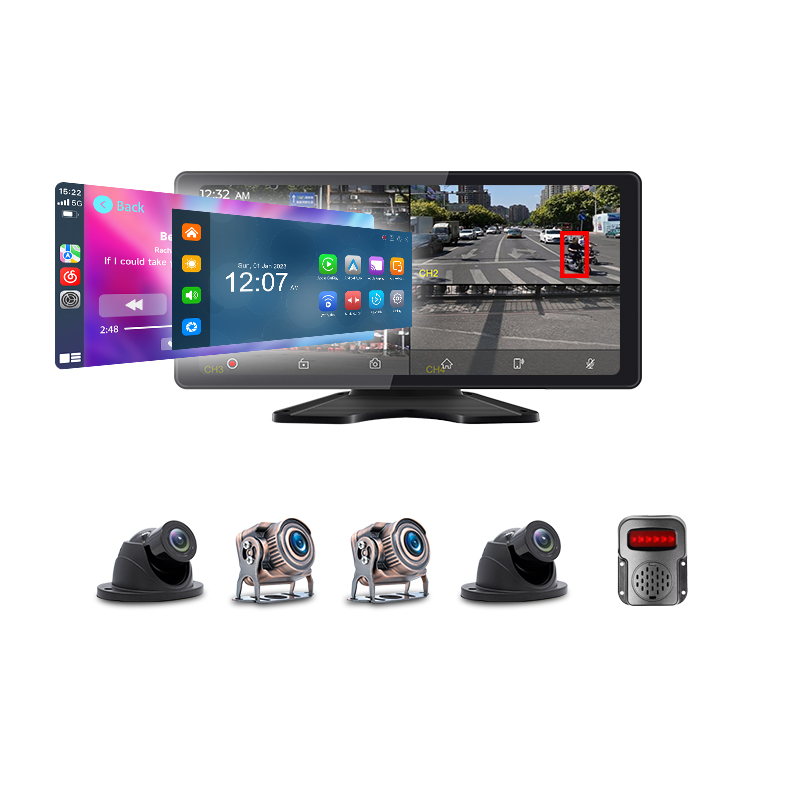

JT 883 obliges a working vehicle to warn its driver, never to act in their place. It is the Chinese standard for the warning system fitted to a working bus or truck. It sets what the forward-collision, lane-departure and driver-monitoring functions have to detect, how well they must do it, then how a lab proves they work.
JT/T 883, in full JT/T 883-2014, carries the title of a technical standard for the driving hazard warning system on operating vehicles. It describes a device that watches the road ahead and the driver. It raises an alert before a collision or a lane drift becomes an accident. The standard sets the functions that device must perform, the level of performance it has to reach, the way it is installed, with the test methods that confirm all of it. A buyer who sees JT 883 on a datasheet is looking at a claim about a warning system. The camera and the recorder sit outside that word.
The word that matters in the title is warning. JT 883 covers devices that alert a driver. It does not cover devices that take control of the vehicle, which is a separate standard and a separate piece of hardware. Reading the two apart is the first step to understanding what a JT 883 device does on a bus or a coach, along with where its job ends.
JT 883 reads in three layers: the functions a warning system must have, the performance each function must reach, then the route in law that decides which vehicles must carry it. A fleet buying to the standard is buying the first two layers ready-made; the third sits in the safety rules that call the standard up, which is where the checking falls back on the operator.
JT 883 systems alert the driver; braking authority sits in other equipment.
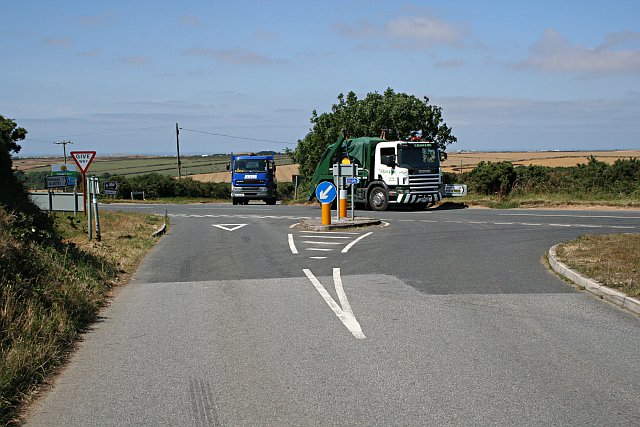
JT 883 governs a hazard warning system, the kind that gives a driver a sound, a light or a seat buzz when danger is building ahead. The standard is built around three threats a working vehicle meets every shift: the car braking ahead, the lane line drifting away under a tired hand, and the driver whose attention has left the road. A device built to JT 883 watches for all three and warns. The choice of what to do next stays with the driver.
Warning is where JT 883 stops and the automatic braking of a different standard takes over. A warning system tells the driver to act. An automatic braking system acts on its own when the driver does not. The two often share a forward radar and a camera. A vehicle may carry both. They answer to separate standards because they make a different promise. JT 883 promises a timely alert. It does not promise the vehicle will stop itself.
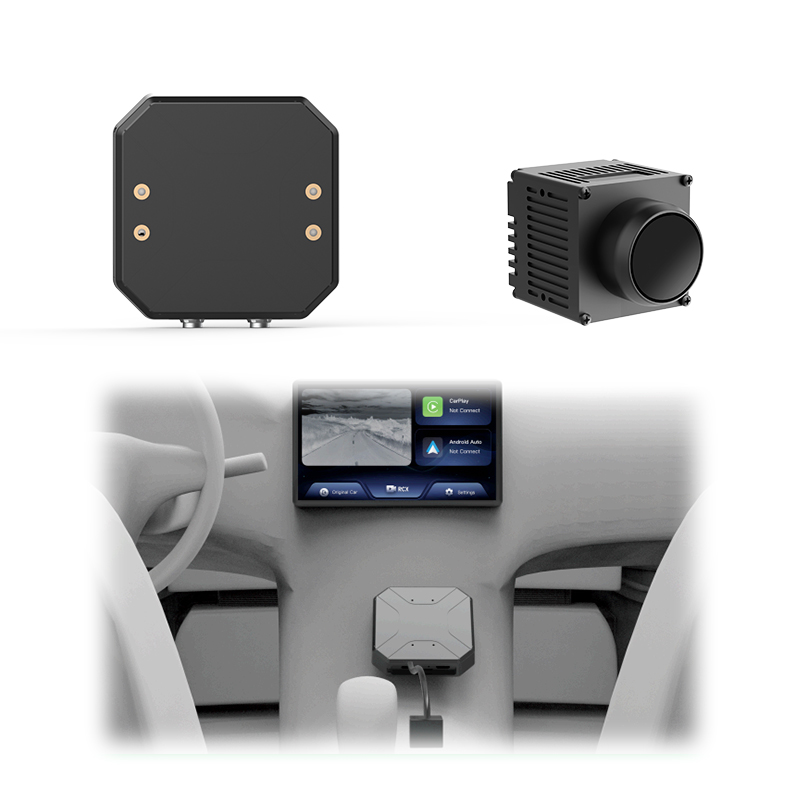
Three functions sit at the centre of the standard. The first is forward collision warning, which alerts the driver when the vehicle is closing on whatever is ahead fast enough to hit it. The second is lane departure warning, which alerts the driver when the vehicle wanders out of its lane without a signal. The third is the set of driver-monitoring alerts, which watch the cab itself and flag a driver who is drowsy, looking away, smoking or holding a phone.
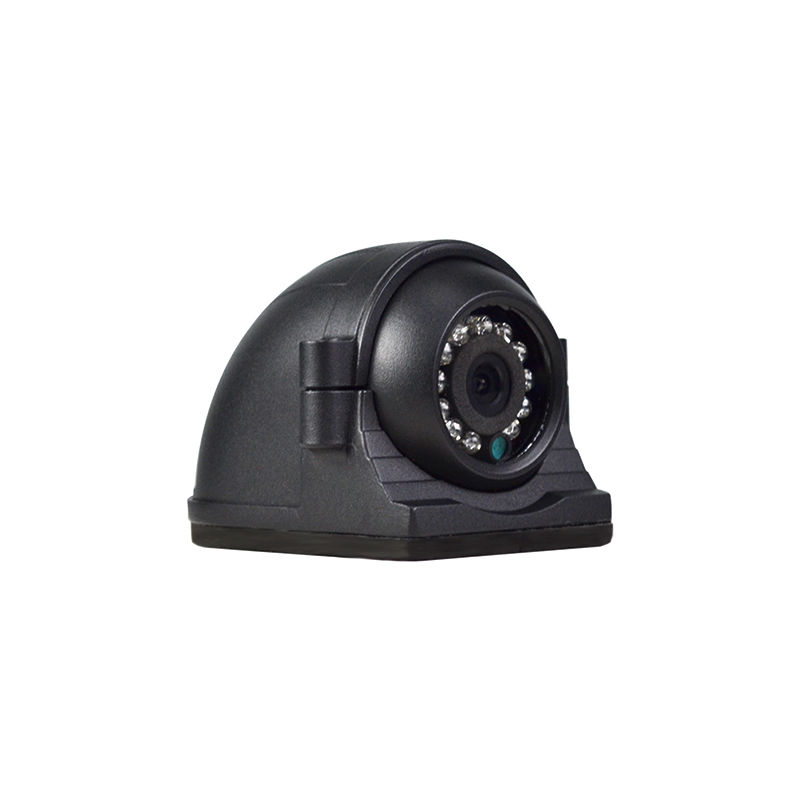
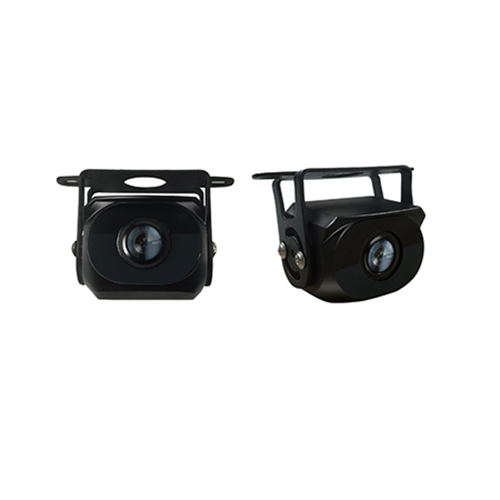
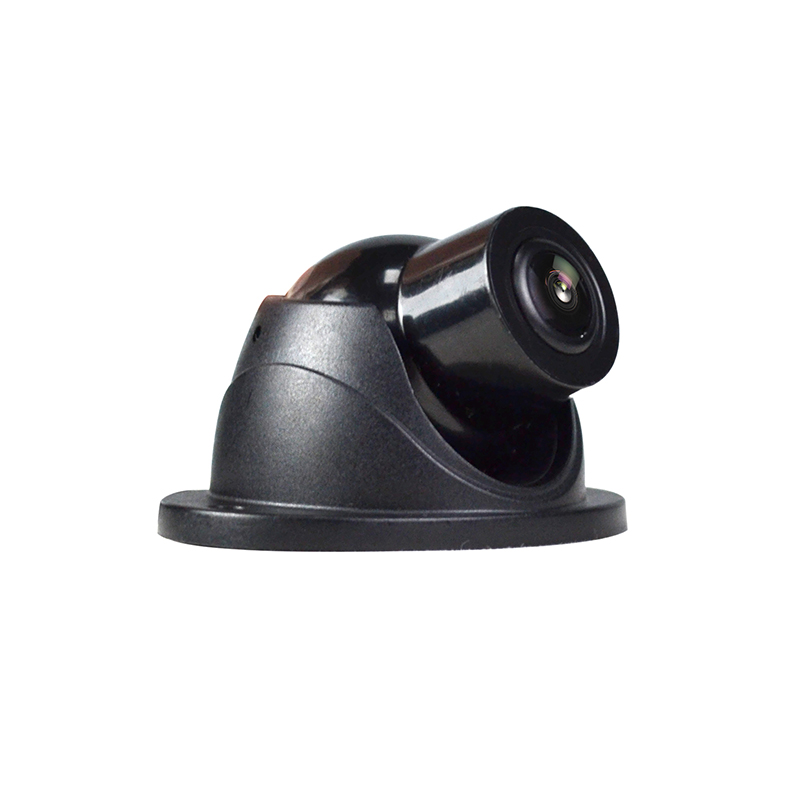
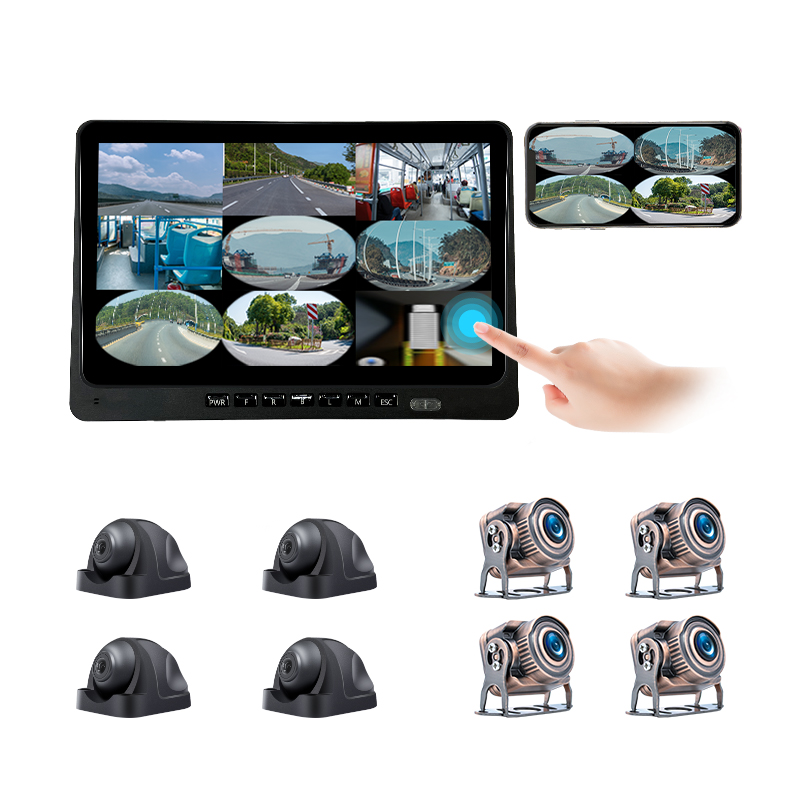
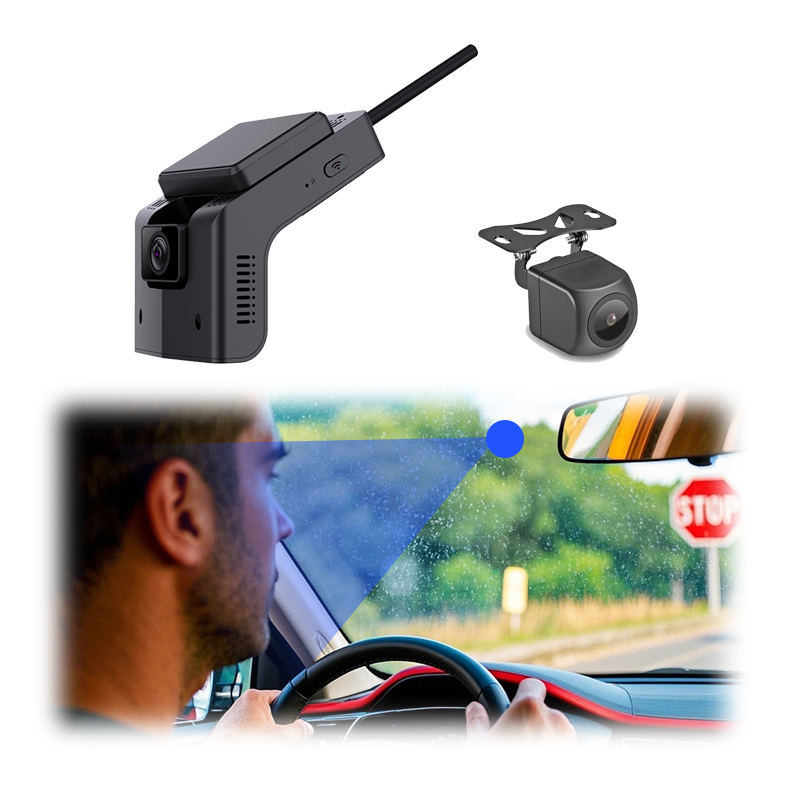
The first two look outward through a forward camera, often paired with a radar, reading the road and the markings. The third looks inward through a camera aimed at the driver, reading the face and the head. A full JT 883 system runs both halves at once, the outward watch for the traffic and the inward watch for the person steering into it. The standard treats them as parts of one job, since a hazard on an operating vehicle comes as often from the driver as from the road.
Why this falls to a standard for operating vehicles at all comes down to how those vehicles are driven and what happens when they crash. A long-distance coach runs for hours on monotonous motorway, the conditions under which attention fades and a head begins to nod. Fatigue here is a physiological state and not a failure of will: a brain on a featureless road at the low ebb of its daily cycle slips toward micro-sleep whatever the driver intends. A lapse of a few seconds at motorway speed carries a coach the length of a football pitch with nobody watching the road. A loaded truck adds a mass that takes a long way to shed, so the same few seconds of inattention close a gap a car would have survived. The crashes that follow are not fender benders. A fully laden coach at speed carries an enormous store of energy. When that energy meets a stationary queue the result is counted in lives. The warning system is aimed squarely at the two failures behind those crashes: the driver who looked away and the driver who did not see the danger close in time. It buys back the seconds those failures cost, catching the closing gap or the wandering lane before the driver does and putting an alert in front of them with room still to brake or steer. On a vehicle carrying forty passengers or forty tonnes, those seconds are the difference the standard was written to capture, which is why the regulation reaches operating fleets first and leaves private cars to choose for themselves.
Economics push the same way safety does. A fleet that prevents one serious coach collision in a year has paid for the warning systems across its whole fleet many times over, before the safety benefit is even counted. A regulator writing the rule is asking operators to do something the arithmetic already favours, which is part of why the requirement met less resistance than a pure cost would have drawn. The rule sets a floor under a calculation a careful operator would reach on its own in time.
There is a public dimension here that a private car never carries. A coach is a place forty strangers have handed their safety to one driver and one operator. The duty that flows from that is the basis of the regulation. A private motorist who nods off at the wheel risks mainly themselves. A coach driver who does the same risks a coach full of passengers behind them, which is why the state regulates the coach and leaves the private motorist to make their own choice.
None of this assumes the driver is careless. A professional at the end of a long shift, on a road that has given nothing to look at for an hour, is subject to the same fatigue any human would be. The warning system does not replace that driver. It stays alert through the hours that wear the driver down, ready to prompt when fatigue starts to win.
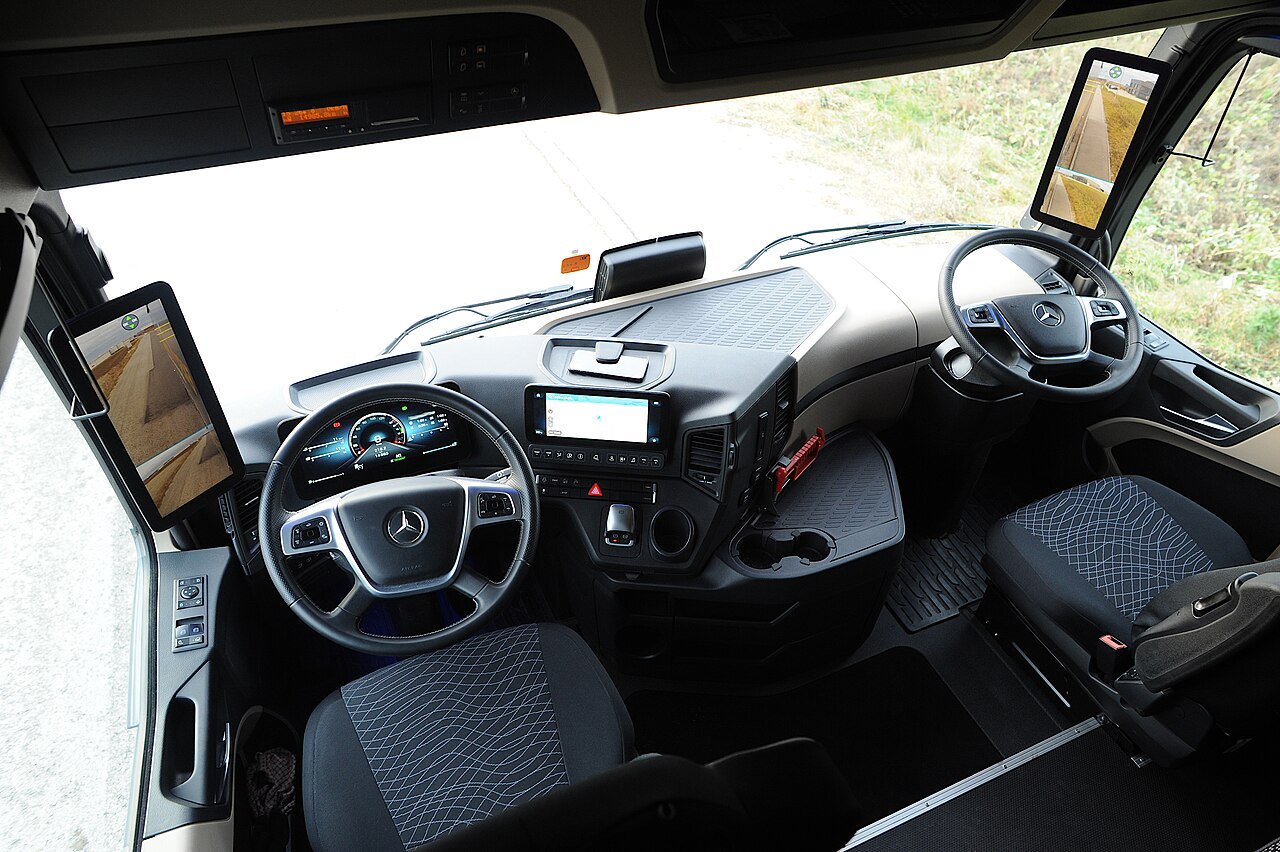
Forward collision warning is the function buyers picture first. A forward-facing sensor tracks the vehicle or obstacle ahead and works out how fast the gap is closing. When the closing speed and the distance say a collision is coming unless something changes, the system warns the driver, usually with an urgent sound and light. The driver then brakes or steers. The system itself does nothing to the vehicle.
The detection leans on a forward camera, a radar, or the two fused together. A camera reads what the object is and where the lane runs; a radar measures range and closing speed directly and holds up better in rain or poor light. A system that fuses both is harder to fool than either alone, which is why higher-end units carry both sensors. JT 883 sets what the warning has to achieve, leaving the choice of sensor open, so a maker is free to meet the bar with the sensor mix it trusts.
The choice between sensors carries trade-offs an operator feels on the road. A camera-only system costs less and reads lane lines and object types well. Fog, heavy rain and the glare of a low sun defeat it, exactly the conditions a warning exists for. A radar holds its range and closing-speed reading through weather that blinds a camera; left alone it can mistake a stopped truck for an overhead gantry, the error behind the false alarms common in early units. Fusing the two lets each cover where the other is weak, which is why the standard’s performance bar is easier to clear with both sensors aboard than with either by itself.
The measure behind a forward collision warning is time to collision, the seconds left before the vehicle would reach the object if nothing changed. The standard works to a time-to-collision threshold reported around 2.7 seconds for the forward warning, the point at which the alert has to fire. The arithmetic makes that figure concrete: at 80 kilometres an hour a vehicle covers about 22 metres every second, so a 2.7-second warning reaches the driver roughly 60 metres before the point of impact, the distance the whole human response has to fit inside. The figure is a balance. Warn too early and the driver learns to ignore alerts that fire with room still to spare. Warn too late and the alert arrives after the moment to act has passed. A threshold near 2.7 seconds aims at the window where a warned driver still has time to brake, on a vehicle whose braking is slower than a car’s.
That last point is why an operating-vehicle threshold is set the way it is. A loaded truck or a full coach needs more distance to shed speed than a passenger car, so the time it needs between a warning and a stop is longer. A threshold tuned for a car would warn a truck driver too late to use the alert. The number written into a standard for working vehicles carries the mass of those vehicles inside it, which is one reason the figure cannot be borrowed wholesale from a passenger-car rule.
Lane departure warning watches the painted lines and alerts the driver when the vehicle crosses one without a turn signal on. The unsignalled part is the point. A deliberate lane change flicks the indicator and the system stays quiet. A drift across the line with no signal is the signature of a driver whose attention has wandered. That drift is what the alert is built to catch. The warning is often a sound or a vibration shaped to feel like the rumble strip at the road’s edge, a cue a driver reads without having to think.
The function depends on lane markings the camera can see. Worn paint, snow, heavy rain or a sun low on the windscreen can all take the lines away from the camera. A lane warning is only as good as the markings under the wheels. JT 883 sets what the system must do where the lines are clear. It cannot read a line the road never painted. An operator should take the function as a strong aid on a marked motorway, never as a guarantee on every road a vehicle travels.
Of the three functions, driver monitoring has grown fastest in importance. A camera aimed at the driver, often working in infrared so it sees in the dark, watches the face and the head for the signs of a driver no longer fit to drive. A drooping eyelid, a head nodding into micro-sleep, a face turned from the road for too long: each is a state the standard asks the system to detect, along with the cigarette and the phone at the ear that mark a driver only half on the task. The alert goes to the driver. On a connected vehicle a record of the event travels to the fleet platform as well, entering the alarm stream the 808 stack carries.
This driver-monitoring function answers a hazard the forward sensors cannot see. A truck can be perfectly in its lane and at a safe distance and still be seconds from disaster because the man at the wheel is asleep. No forward camera catches that. It takes a camera aimed at the driver to see it coming. The standard pairs the inward and outward watch precisely because the deadliest moment on a long-haul shift is often invisible from outside the cab. A system that only watched the road would miss it until the lane or the gap eventually showed the danger.
A function that fires is not the same as a function that fires well, so the standard sets performance alongside the feature list. A warning system has to catch the real hazards it exists for. It also has to do that without false alarms so frequent that the driver stops listening. Those two demands work against each other. A system tuned to miss nothing warns at shadows and overpasses. A system tuned to stay quiet lets a real closing gap slip through. The performance requirements fix the point a device has to sit on, setting how reliably it must flag a genuine threat, holding false alarms low enough that the driver keeps trusting the alert. Both rates are written as measurable bars, checked on the test bench against scripted hazard scenarios. That false-alarm side carries weight people underrate, because a warning a driver has learned to ignore is worse than no warning at all, having trained the one habit the system exists to prevent. An operator who has run cheap units knows the failure in detail: a forward alert that fires at every overpass shadow and every car two lanes over, a lane buzz that sounds on a faded marking or a tar repair line, until the driver reaches over within a week and turns the volume down to nothing. From that point the vehicle carries a system that satisfies the inspector and protects no one. The engineering behind a low false-alarm rate is harder than the raw detection, because the road is full of things that look like hazards and are not, a stopped car in an exit lane the vehicle will never reach, a steel plate that reads to radar like an obstacle, a shadow a camera takes for a stopped truck. Telling the real threat from the look-alike, fast enough to still warn in time, is the work that divides a system a driver trusts from one a driver mutes. The standard’s bar is drawn to hold a compliant device on the trusted side of that line. A muted system has a detection rate of zero in the only place that counts, which is the cab on the night the warning is finally needed, so the false-alarm limit is a safety figure every bit as hard as the detection rate sitting beside it. A device that scores well on one and badly on the other has not met the standard, whatever the brochure leads with.
Weather and darkness set the hardest test for that bar. The night, the fog and the low winter sun that blind a camera are the same conditions in which a tired driver has the greatest need of the warning, so a system that quietly stops detecting when the light fails has stopped working exactly when it counts. A radar carries part of the load the camera drops in bad weather, which is one reason a system built for real operating conditions leans on more than a lens. The test methods probe this directly, checking that the warnings hold across the range of weather a working vehicle meets, far from the clear afternoon a sales demo is filmed on.
Calibration drift undoes all of it over time. A forward camera aimed true on the day of fitting drifts as the vehicle shakes its mounts loose over the months. A few degrees of droop has it reading the wrong lane or losing the car ahead. The standard reaches the installation for this reason. A serious operator recalibrates on a schedule, before the warnings drift off target and the drivers stop believing them.
The driver-monitoring side sets its own performance puzzle. A camera has to separate a yawn from speech and a glance at a mirror from a glance at a phone, reading a head bowed in thought differently from a head dropping into sleep, doing all of it across every face, in darkness, behind sunglasses. Tuned too eager, it flags a driver doing nothing wrong, who soon learns to block the lens. Tuned too slack, it misses the micro-sleep it exists to catch. The false-alarm discipline behind the forward warning applies to the watch on the driver too.
The watch on the driver raises a question the forward sensors never do, which is where the footage of a driver’s face ends up. A camera recording a worker through a shift is a sensitive thing. An operator carries a duty over that record the standard alone does not settle. Handled with care, the driver footage stays a safety tool. Handled carelessly, it becomes surveillance the drivers resent and find ways to defeat, which is its own kind of failure for a system meant to protect them.
A warning system meets none of its promises if it is fitted wrong, so the standard reaches the installation as well as the device. A forward camera aimed a few degrees off reads the wrong lane. A driver camera placed badly loses the face on a tall driver or a short one. The standard carries installation and use requirements so the device on the vehicle performs the way the device on the bench did. The two are tied together by the test methods that anchor the document.
The test methods make the standard enforceable. A laboratory runs the system against staged hazards, from a target vehicle braking ahead to a driver acting out drowsiness, then checks that the warnings fire when they should and stay silent when they should not. A device passes by behaving correctly across that battery; a paper claim of the functions proves nothing there. This is the difference between a datasheet that lists forward collision warning and a system shown to warn at the right moment. It is the part a serious buyer asks to see evidence of.
JT 883 on its own is a technical standard, a description of what a compliant warning system is. What turns it into a legal requirement is a second document that points back at it. The safety technical conditions for operating coaches, the rule that says what a passenger coach must carry to run, require coaches above a certain length to be fitted with lane-departure and forward-collision warning systems meeting JT 883. The reported line is coaches longer than nine metres. The technical standard defines the device; the safety conditions make a class of vehicle carry it.
The two-document structure shapes what a fleet has to check. Meeting JT 883 is the device maker’s job. The operator’s side is confirming both: that the vehicle class must carry such a device; that the fitted unit genuinely meets the standard. A coach that should carry a compliant warning system and does not is not merely under-equipped; it is outside the conditions that grant it the right to operate, a gap that tends to surface at inspection.
JT 883’s limits matter as much as its contents. It is a warning standard, so it says nothing about a system that brakes the vehicle, which belongs to the automatic braking standard, nor about the video recorder the warning functions may sit alongside, which answers to its own rules for storage and upload. A purchase that leans on JT 883 alone has covered the warning and left the braking, the recording and the upload of an alarm each to a separate standard with its own bar to clear. A fleet that reads a JT 883 line as proof of a complete safety package has taken one true thing and assumed several others. The assumptions are where an audit finds the holes.
For an operator buying coaches or fitting a fleet, JT 883 is the standard to check for the warning system, read against the safety conditions that say which vehicles must carry one. A unit that meets the standard and has the test evidence behind it will warn at the right moment and hold its false alarms low enough that drivers keep listening. A cheap unit that claims the functions without the performance behind them fails on the road, where the failure shows as drivers who have learned to ignore the alerts.
A buyer does best to keep the warning question apart from the others a vehicle raises. Confirm the JT 883 system is genuine and fitted right, then ask the separate questions about braking, recording and reporting on their own terms. The warning system is one layer of an operating vehicle’s safety case, the layer that gives a tired or distracted driver back the seconds an accident takes away. A buyer who holds it to its own standard, without mistaking it for the whole, gets the layer the regulation intended and knows what is left to cover.
JT/T 883-2014 is the Chinese technical standard for the driving hazard warning system on operating vehicles. It covers forward collision warning, lane departure warning and driver-monitoring alerts, setting the functions, the performance, the installation and the test methods. It is a standard for a warning system; a recorder or a camera on its own is outside it.
No. JT 883 covers warning, not control. The system alerts the driver; the driver acts. A system that brakes the vehicle on its own is automatic emergency braking, which is a separate standard. The two may share sensors and sit on the same vehicle, but they make different promises.
The technical standard defines the device; a separate safety-conditions rule makes it mandatory: JT/T 1094-2016, the safety technical conditions for operating coaches. Operating coaches above a reported length of nine metres are required to carry lane-departure and forward-collision warning systems meeting JT 883. Three documents stack here: GB 7258 keeps the vehicle roadworthy at all, JT/T 1094 says what an operating coach must carry on board, JT 883 says what the carried system has to achieve. An operator should confirm the requirement for the specific vehicle class it runs.
A camera aimed at the driver, usually working in infrared for night use, watches for drowsiness, eyes off the road, smoking and phone use. It warns the driver; on a connected vehicle it can send a record of the event to the fleet platform. It catches a hazard the forward sensors cannot see, namely a driver who is no longer fit to drive.
The forward warning is reported to fire at a time-to-collision of about 2.7 seconds. The figure balances warning early enough that a driver can still brake against warning so early that the alerts become noise. It allows for the longer stopping distance of a loaded operating vehicle, which is why it is not borrowed wholesale from a passenger-car rule.
No. JT 883 covers the warning system only. Braking, video recording and the upload of alarms to a regulator’s platform each have their own standards. A JT 883 system is one layer of the safety case; a buyer still has to check the others separately.