
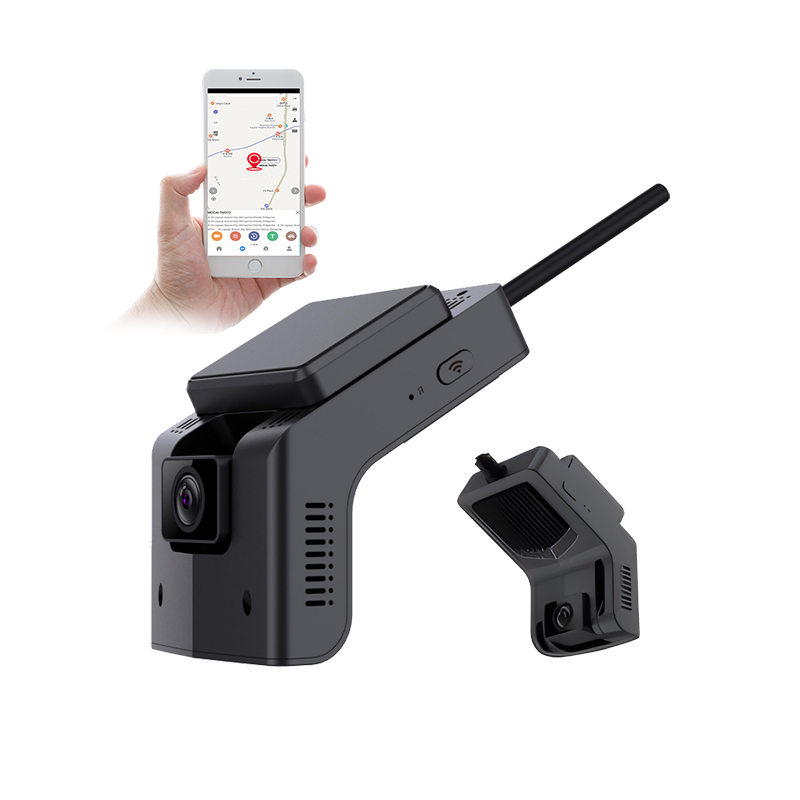
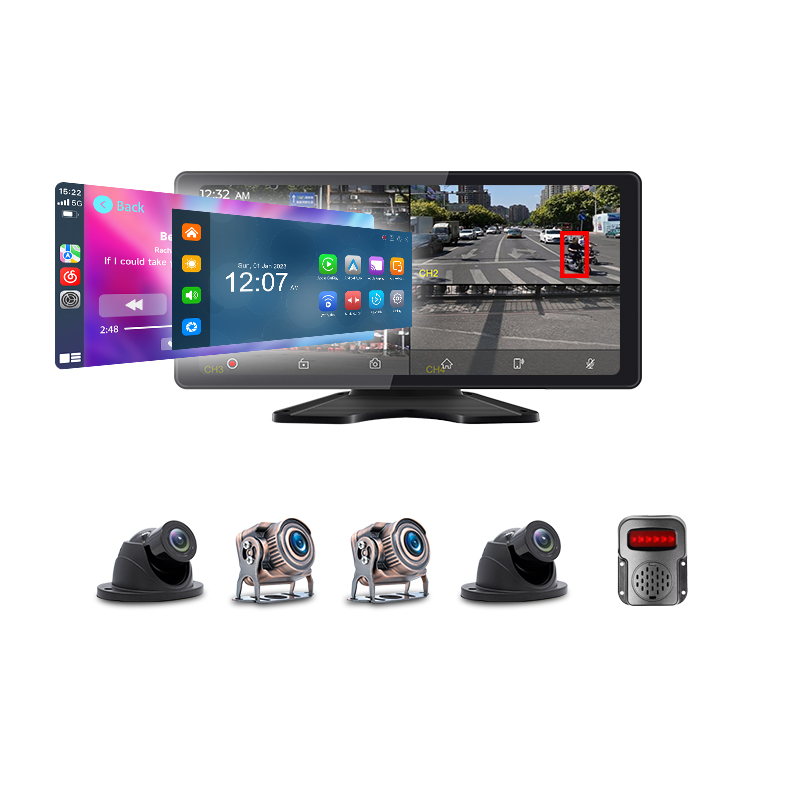
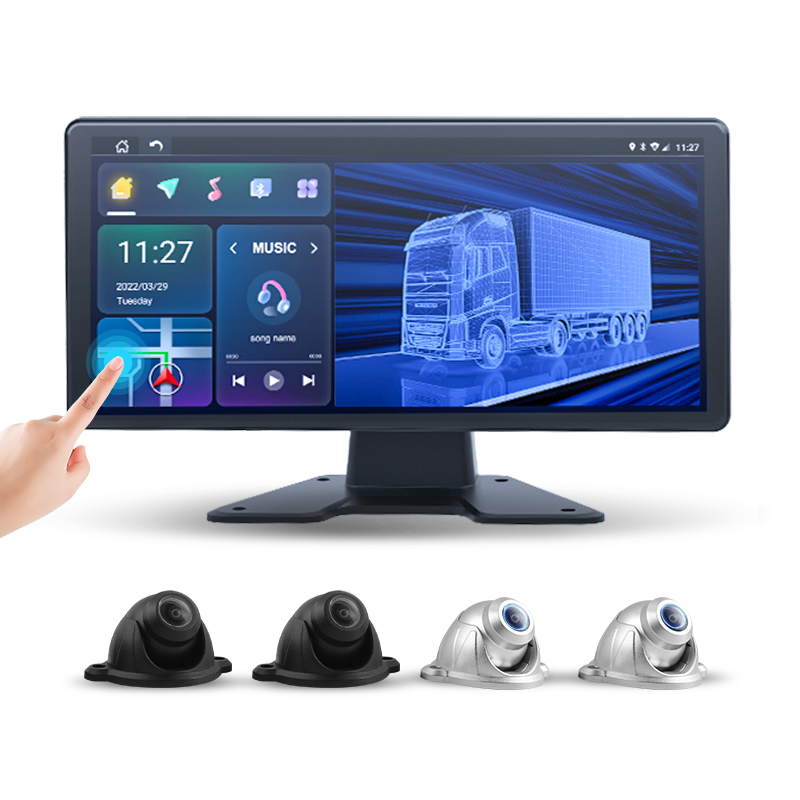
GB 19056 makes a vehicle keep an unarguable record of how it was driven. It is the Chinese national text for the vehicle travelling data recorder, the speed-and-distance black box a commercial vehicle carries by law. It is the device that records how fast the vehicle was going in the seconds before a crash. It is not the camera system, a thing fleets often confuse it with.
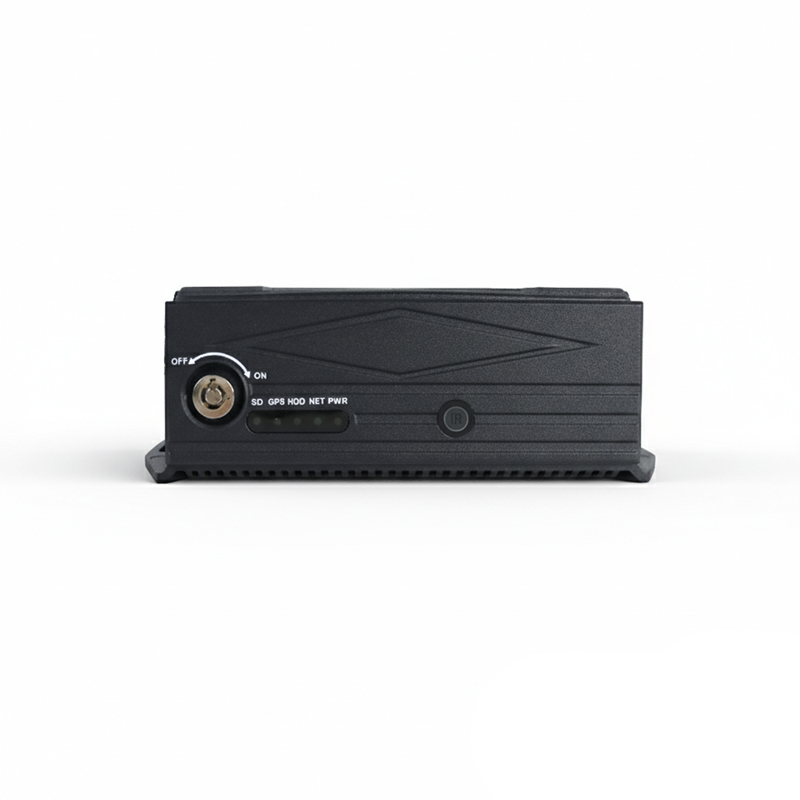
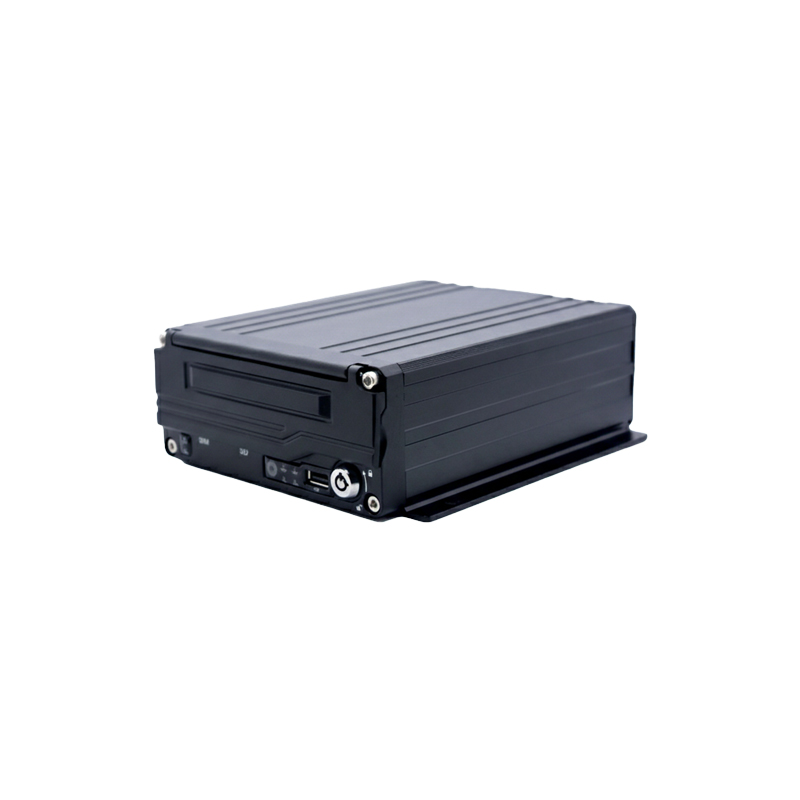
GB 19056, in its current form GB/T 19056-2021, is the standard for the vehicle travelling data recorder. The device it governs logs the data of how a vehicle was driven: the speed against time, the distance run, the position, the driver on duty. The standard fixes what the recorder has to capture, how accurately, how it stores the data against tampering, the way it is installed, the tests it has to pass. A vehicle in a class that requires the recorder carries one built to this standard, or it does not meet the law it runs under.
The recorder is the quiet half of a commercial vehicle’s electronics, overshadowed by the cameras and the live monitoring a fleet sees every day. It does its work without a screen, logging in the background, holding a record nobody looks at until something goes wrong. That record is the point. After a crash, after a dispute over hours or speed, the recorder holds the version that cannot be argued with, the reason the law requires it of every operating vehicle.
GB 19056 asks a short list of things of the recorder: log the right data, hold the seconds around an accident in fine detail, cross-check the speed it writes, keep the stored record beyond argument. Behind each ask sits a clause, behind the clauses a route into law. A buyer who can follow that chain can also keep the recorder apart from the video system beside it.
Inspectors and courts read the seconds around the trigger first.
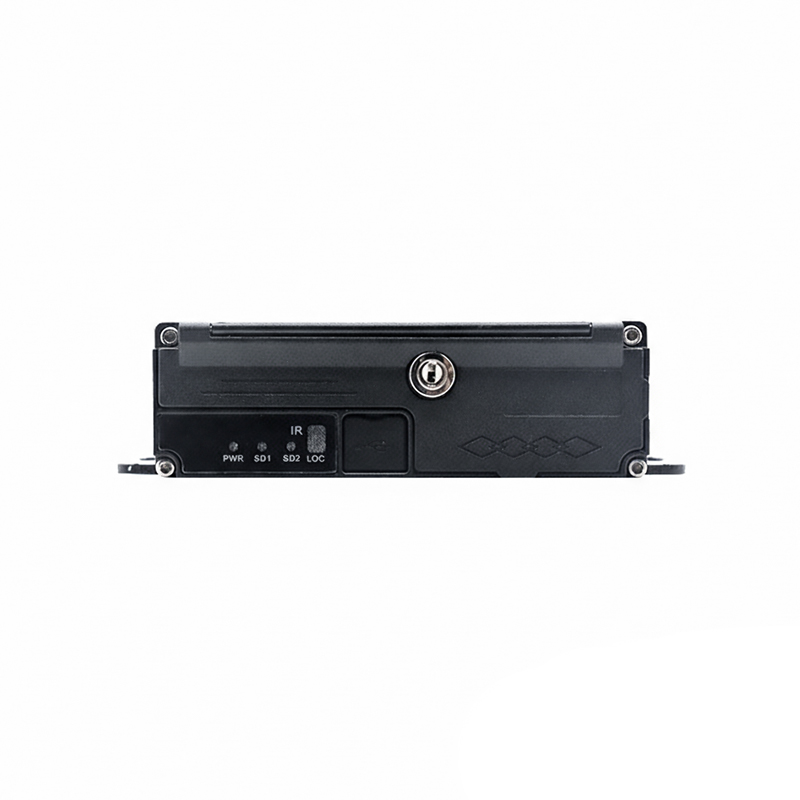
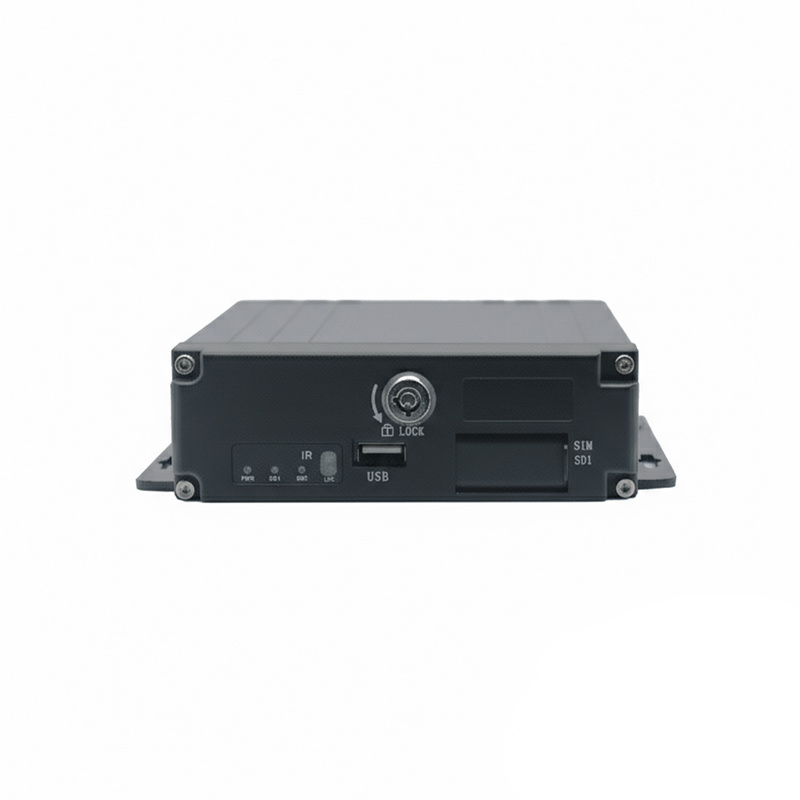
GB 19056 governs a recorder of numbers. The device logs how the vehicle moved: its speed, the distance covered, the time, the position. It does not record video of the road or the driver. That distinction is the first thing to fix, because a fleet that hears the word recorder often pictures the camera system. The two are separate devices under separate standards, sitting side by side in the same cab.
The reason the standard exists is evidence that holds up. A driver’s account of a crash is an account. The recorder’s log of the speed in the seconds before it is a measurement. When a dispute turns on how fast a vehicle was going, whether a driver had been at the wheel too long, whether the brakes went on in time, the recorder supplies data where memory fails. The law requires it on commercial vehicles precisely because the stakes on a heavy vehicle are high enough that the account of the person involved cannot stand as the only record.
At its core the recorder keeps a continuous log of the vehicle’s motion. Speed against time is the central record, the trace of how fast the vehicle was travelling through every minute of its day. Distance run accumulates alongside it. The position comes from a satellite link, tying the speed and the time to a place on a map. The identity of the driver on duty is logged too, so the record shows how the vehicle was driven and which driver had the wheel.
This continuous log is what underpins the rules on driving hours and rest. A regulator reading the record can see how long a driver was at the wheel without a break, the data behind the fatigue rules that govern a long-haul operation. The recorder makes those rules enforceable, turning a requirement that would otherwise rest on a driver’s logbook into a measurement the vehicle takes itself. A fleet over the hours is recorded doing so.
The continuous nature of the log is what gives it value. A trace of speed across a whole shift shows the pattern: the long stretch at the limit, the late-night hours, the gap where the vehicle should have rested. A regulator reading the trace sees the shape of how the vehicle was worked, well beyond any single number. The recorder builds that trace minute by minute, holding enough of it to cover the period a rule cares about, so the record answers a question asked weeks after the driving it describes.
The hours data carries a weight beyond the fines. A driver pushed past the safe limit is a tired driver, the state behind a large share of heavy-vehicle crashes. The recorder’s log of hours at the wheel is the evidence that turns a rule against fatigue from a hope into a check. A fleet that reads its own recorder data, ahead of any regulator reading it, sees a tired driver in the numbers before the tiredness turns into a crash.
The central function of GB 19056 is the accident event record, the black box that captures the moment of a crash in fine detail. The accident record narrows to the seconds around an impact, sampling fast enough to reconstruct exactly what happened. The standard sets this in concrete terms. The recorder captures the speed for the seconds before an accident event at a fine time resolution, sampling many times a second, holding the run of those records so an investigator can replay the approach to the crash. The reported figures are demanding: the speed sampled every tenth of a second across the twenty seconds before the event, with a store deep enough to hold a hundred such records, the speed covering a range up to well past any speed a vehicle reaches. This is the detail that turns a crash from a matter of conflicting accounts into a reconstructable event. An investigator reads the tenths of a second before the impact and sees whether the vehicle was braking, whether it was speeding, whether the driver reacted at all. The continuous log says the vehicle crashed. The accident record says how, in a resolution fine enough to settle the questions a court asks. That depth of detail is the reason the black box function carries the weight it does in the standard, the part a buyer should confirm above all the others, because it is the part that justifies the device on the worst day a vehicle has. The reconstruction it allows is the difference a court feels. Two drivers walk away from a collision with two accounts, each sure of the other’s fault. The accident record holds one version: the speed at each tenth of a second, the moment the brakes went on, the closing of the gap. It reports what the vehicle did, in a resolution no memory carries, so the question of fault turns on data in place of competing accounts. This is the reason the black box is the part the standard builds its finest detail around. A buyer confirming one thing on the recorder confirms this: that the accident record runs deep, samples fast, survives the crash it captures, then reads back clean to an investigator who was never there. The standard has the recorder log state signals such as braking alongside the speed, so the same seconds show the driver’s inputs next to the vehicle’s motion.
The records survive the crash that triggers them. A black box that lost its data in the impact it recorded would be useless, so the standard requires the accident records to be held in a way that survives the event. The recorder writes them to memory that keeps them through the power loss and the shock of a serious crash, ready for an investigator to read when the vehicle is recovered. This separates a device that logs from one that still holds the log on the day an investigator comes to read it.
A recorder is only as good as its integrity, so GB 19056 builds in a guard against the obvious attack: feeding it a false speed. The recorder takes its speed from the vehicle’s own sensor or its CAN bus. It also holds a second reference from the satellite positioning, a speed worked out from how fast the position is moving across the map. The standard has the recorder compare the two. When the speed the vehicle reports diverges from the speed the satellite sees by more than a set margin, held over a sustained period at speed, the recorder logs the discrepancy as a speed-state fault.
The reported threshold puts numbers on this. A divergence beyond a rate of around eleven per cent, sustained over five continuous minutes above a moderate speed, marks the speed state as abnormal. The point is tamper detection. A vehicle fitted with a device to fool the speed sensor, run to defeat a speed limiter or to falsify the hours, shows a gap between the reported speed and the satellite truth. The recorder catches that gap and logs it, so the tampering leaves a trace the regulator can read. A fleet that tampers finds the attempt logged.
The cross-check matters because the speed sensor is the easiest part to attack. A magnet on a sensor, a device spliced into the wiring, a tampered CAN signal: each can feed the recorder a speed lower than the truth, to defeat a limiter or to stretch the legal hours. None of these touches the satellite, which works out speed from the movement of the position itself. So the gap the cross-check watches for is exactly the gap a tamper opens, the reported speed falling below the speed the satellite sees. The recorder turns the independence of its two sources into the test that catches the fraud.
The cross-check ties closely to the speed limiter a vehicle may carry. A limiter holds the vehicle below a set speed. A tamper that fools the speed sensor can defeat the limiter, letting the vehicle run faster than its class allows. The recorder’s cross-check catches that tamper from the other direction, logging the gap between the reported speed and the satellite truth. The two work as a pair: the limiter sets the ceiling, the recorder proves whether the ceiling held.
The cross-check has a limit. It flags a sustained tampering, the gap held over minutes above a moderate speed. A brief or carefully varied interference can slip under the threshold the standard sets. The check is a strong guard with known limits, the reason the standard pairs it with the storage integrity and the survival requirements. The whole defence never rests on a single test.
Beyond the speed cross-check, the standard hardens the recorder against the record being altered after the fact. The data has to be stored so that it cannot be quietly changed, the logs protected against an operator who would like to edit an inconvenient afternoon out of the log. The recorder holds its data through a power cut, so pulling the fuse does not erase the day. It marks its records in a way that reveals tampering, so a record that has been altered does not pass as clean.
That integrity is what an investigator relies on. A recorder whose data could be edited at will would count for nothing as evidence, since any record could be the edited one. The standard’s tamper-resistance is what lets a court, a regulator, an insurer treat the recorder’s log as fact, above the operator’s preferred version. A buyer who understands the recorder understands that this integrity, the resistance to alteration, is the property the whole device is built around. The proof that the speed and distance have not been touched is the hard part, the logging itself the easy one.
The tamper-resistance works on several fronts at once. The data is written so a later edit shows, the storage holds through a power cut, the speed cross-check catches a faked sensor. Together these close the routes by which an operator might alter the record. A recorder that met only one would leave a route open, the reason the standard asks for the whole set together. The buyer’s takeaway is that a compliant recorder is hard to falsify by design, the property that makes its log trustworthy in the first place.
The satellite positioning does double duty in the recorder. It ties each record to a place, so the log shows how fast, when and where together. It also supplies the independent speed reference that the cross-check compares against the vehicle’s own sensor. A recorder with a failed or jammed satellite link loses both, the position and the check, which is why the standard treats the positioning as a core part of the device.
The link also connects the recorder to the wider monitoring system a commercial vehicle runs. The position and the speed the recorder holds are the same data a fleet platform wants for tracking, so the recorder feeds into the platform over the vehicle’s communication link. This is where the recorder touches the 808 protocol that carries a terminal’s position and status to a platform. The recorder is a source of that data, its log of position and speed flowing up the same channel the rest of the monitoring uses, even as it keeps its own protected copy for the evidence the platform is not built to hold.
The quality of the satellite fix shapes how well the recorder works. A clear sky gives a tight position and a reliable speed reference. A tunnel, an urban canyon of tall buildings, a covered depot cuts the fix, taking the position record and the cross-check down with it. The recorder has to handle the gaps, holding its last good fix and resuming cleanly when the signal returns. A device that loses its place every time the signal drops leaves holes in the record it exists to keep.
The 2021 revision, GB/T 19056-2021, was published on the last day of 2021 and took effect on 1 July 2022, replacing the 2012 edition, with the Ministry of Public Security as its lead department. It brought the standard up to date with the vehicles it now covers. Its own span runs from terminology through requirements and test methods to inspection rules, installation and packaging, the full life of the device on paper. The sharpest addition reaches electric buses. A pure-electric passenger vehicle above a certain length now has to record a video channel of the accelerator pedal, capturing what the driver’s foot was doing. The reason is the sudden-acceleration dispute, the case where a driver claims the vehicle accelerated on its own, a dispute that used to end in word against word. A pedal-camera record settles it, showing whether the accelerator was pressed.
This addition marks a shift in what the recorder is. The device that began as a logger of numbers now reaches into video for one specific, contested question. Without making the recorder a camera system in the broad sense, it adds a narrow, targeted record for a dispute that numbers alone could not settle. A buyer of an electric bus above the length in question confirms the recorder meets the newer clause, since a recorder built to the older revision may lack the pedal channel the current standard requires.
The pedal-video clause shows where the standard is heading. As vehicles take on more electronics, the disputes they raise reach beyond what a speed trace can settle, into questions of what the driver and the systems were doing. The recorder follows, taking on a narrow video record where the numbers fall short. A buyer reading an older specification cannot assume it covers the newer clauses, since a standard that moves with the technology leaves last year’s device a step behind.
GB 19056 sets what a compliant recorder is. What makes a vehicle carry one is the roadworthiness standard that points at it, the rule that says which classes of vehicle must be fitted with a recorder meeting GB 19056. Goods vehicles of given types, buses, other commercial classes fall under the requirement, written into the framework that decides whether a vehicle is legal to run. A vehicle in a class that requires the recorder, supplied without one or with one that does not meet the standard, fails its inspection.
This two-part structure shapes what a fleet checks. Meeting GB 19056 is the recorder maker’s job. Confirming that the vehicle class requires a recorder, and that the fitted device genuinely meets the standard, is the operator’s. A fleet that assumes a recorder is handled, only to find the fitted device falls short of the current revision, meets the gap at the annual inspection, on the inspector’s clock. The recorder is one of the clauses an inspection checks without fail.
The class of the vehicle decides the requirement on its own. A goods vehicle of a given weight, a bus of a given size: each falls under the rule by virtue of what it is, with no opt-out for a fleet reluctant to fit the device. A buyer reads the requirement for the exact class on order, since a recorder needed on one class is not needed on another. A vehicle supplied across the line without it carries a fault from its first day.
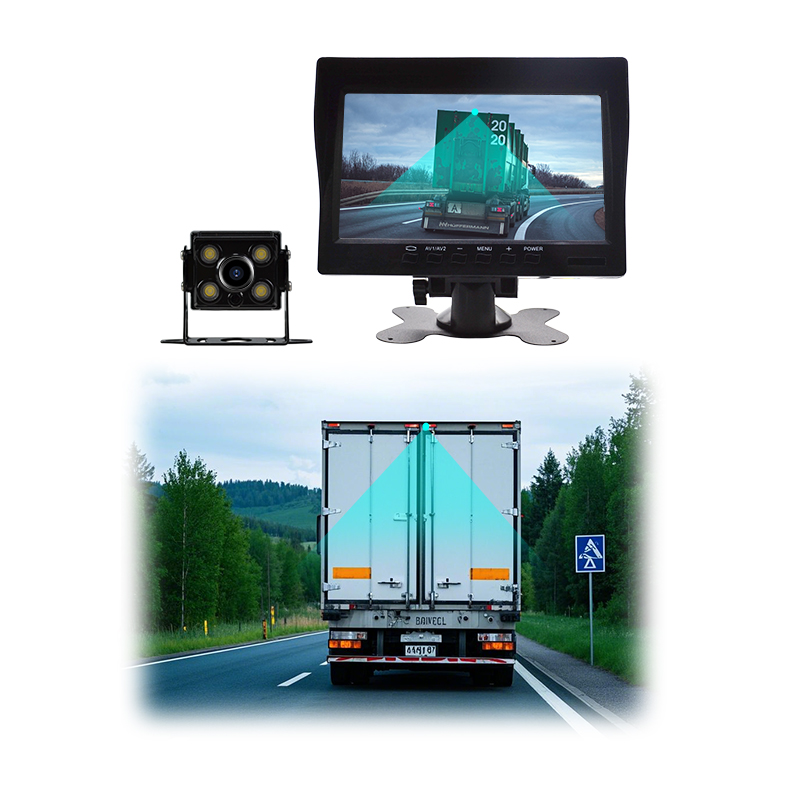
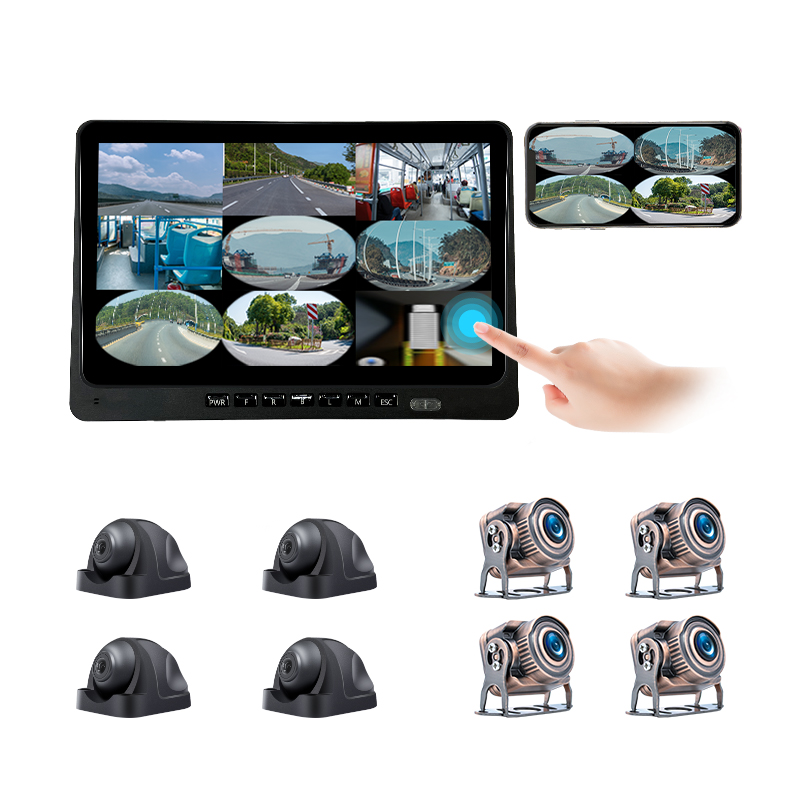
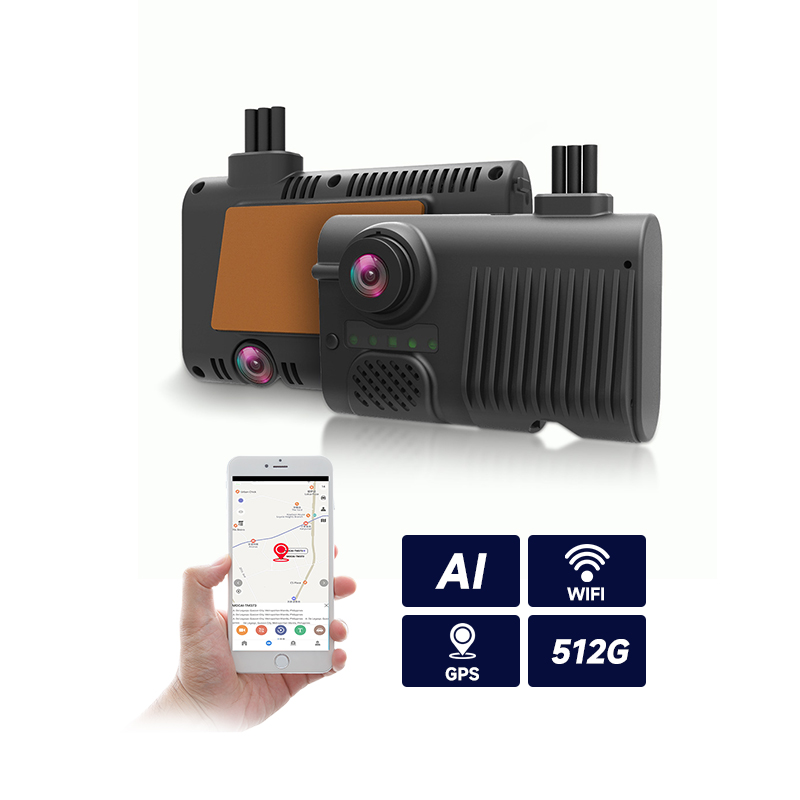
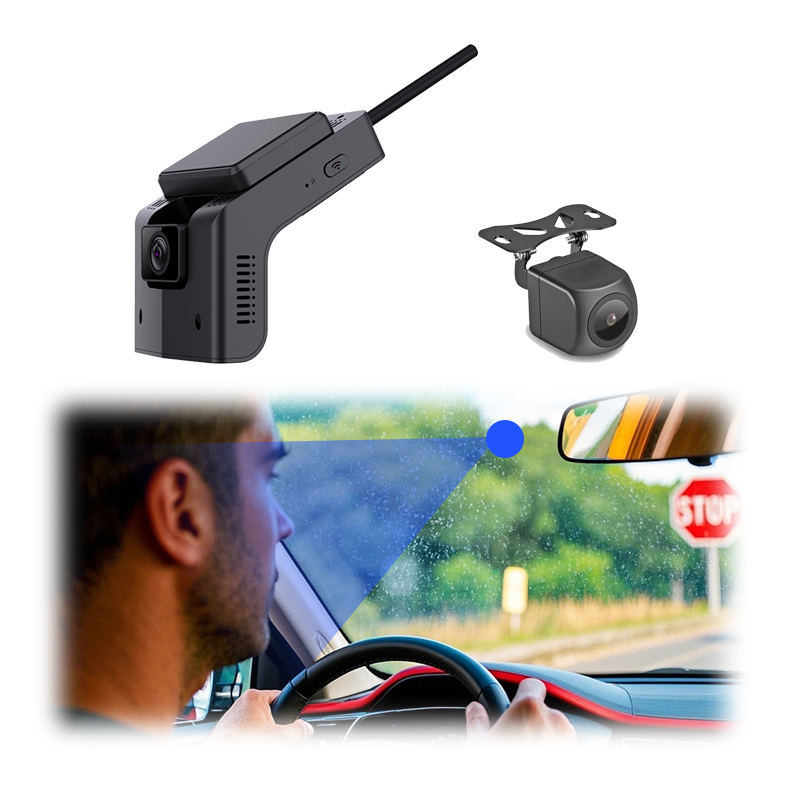
The commonest confusion around the recorder is the one with the video monitoring terminal, so the line needs drawing clearly. The GB 19056 recorder logs speed, distance, time and position, the data black box, with its narrow new reach into pedal video on some vehicles. The video terminal under the transport video standards records the camera streams, the footage of the road and the cab, uploading the clip around an alarm to a platform. One holds numbers as legal evidence. The other holds pictures for monitoring and a different kind of evidence.
A fleet that treats the two as one device makes an expensive mistake. A buyer can take delivery of a full video monitoring system, satisfied the recording is handled, with no compliant GB 19056 recorder anywhere on the vehicle. The reverse happens too, a compliant recorder fitted with no monitoring cameras the operator assumed came with it. The two answer to different standards, serve different ends, pass through different inspections. A buyer confirms each on its own, the recorder against GB 19056 and the video terminal against its own standards, with neither covering for the other.
The confusion has a cost a fleet pays at the wrong moment. A buyer who believes the cameras cover the legal requirement skips the recorder, then meets the gap when an inspection asks for the GB 19056 device the cameras are not. A buyer who believes the recorder covers the monitoring skips the cameras, then has no footage when an incident needs it. Each mistake stays invisible until the day the missing half is needed. The cure is cheap: name the recorder and the video terminal as two separate items in the order, confirmed against their two separate standards.
For a commercial operator, the GB 19056 recorder is a legal requirement to confirm, not a feature to weigh. The vehicle’s class decides whether a recorder is required. The standard decides whether the fitted device qualifies. A buyer checks both, treating the recorder as its own line item separate from the cameras and the platform. A recorder that meets the current revision, holds its accident records through a crash, and resists tampering is doing the job the law asks. A device that falls short of the standard is a compliance gap waiting for the inspection to find. Confirming the recorder costs a line in the purchase order, far less than meeting the gap at the test lane a year later would cost.
A fleet stays out of trouble by keeping the recorder distinct from everything around it, in the order sheet and in the wiring alike. Confirm the GB 19056 device for the class, separate from the video system, separate from the active-safety electronics. Check it meets the current revision, since the pedal-video clause and other updates reach newer vehicles. The recorder’s value shows only when an account is disputed and a measurement is needed. A buyer who confirms it on its own terms has that record ready. A buyer who assumes it came with the cameras may find it was never fitted.
If a buyer checks one thing on the recorder, it is the accident record: that it captures the seconds before a crash in fine detail, survives the impact, then reads back as evidence a court will accept. A recorder that fails any of those three has failed at the one moment the law fitted it for.
GB/T 19056-2021 is the Chinese standard for the vehicle travelling data recorder, the device that logs a vehicle’s speed, distance, time and position. It records how the vehicle was driven, with an accident black-box function that captures the seconds before a crash in detail. It is a data recorder. A video camera system is a different device.
No. The GB 19056 recorder logs numbers: speed, distance, time, position. The video monitoring terminal records camera footage of the road and cab. They are separate devices under separate standards. A vehicle can carry a full video system and still lack a compliant GB 19056 recorder, and the reverse.
It captures the vehicle’s speed in the seconds before a crash at a fine time resolution, reported as a sample every tenth of a second across the twenty seconds before the event, with storage for a run of such records. The data survives the crash, so an investigator can reconstruct whether the vehicle was braking or speeding in the moment before impact.
The recorder compares the speed from the vehicle’s sensor or CAN bus against an independent speed worked out from satellite positioning. When the two diverge beyond a set rate, reported as about eleven per cent, sustained over five minutes above a moderate speed, it logs the speed state as abnormal. This catches a device fitted to falsify the speed.
Among other updates, it requires pure-electric passenger vehicles above a certain length to record a video channel of the accelerator pedal. This targets the sudden-acceleration dispute, giving a record of what the driver’s foot was doing. A buyer of such a vehicle confirms the recorder meets the newer clause, since an older device may lack the pedal channel.
The roadworthiness framework points at GB 19056, requiring goods vehicles of given types, buses and other commercial classes to carry a compliant recorder. A vehicle in a class that requires one, fitted without it or with a device that misses the standard, fails its annual inspection. An operator confirms the requirement for the specific class it runs.