












GB 7258 decides whether a vehicle may be on the road at all, clause by clause. It is the Chinese text that defines roadworthy. Its headline clauses on brakes and lights are well known. The clauses that catch out a commercial fleet sit in the corners: the electronic stability control, the indirect vision, the recorder, the markings that an inspection checks and a buyer forgets.
GB 7258, in its current form GB 7258-2017, is the technical standard for the running safety of a motor vehicle. It sets the safety requirements for the whole vehicle, the major assemblies, and the protective devices on every motor vehicle on a Chinese road. A vehicle is roadworthy only if it meets every clause, whatever else it does well. For a commercial fleet, the standard is the floor a bus or a truck has to clear to be registered, to pass its annual inspection, to stay legal on the road.
The well-known parts of GB 7258 cause little trouble. Everyone checks the brakes, the steering, the lights, the tyres. The clauses that trip a fleet up are the quieter ones, the requirements added or tightened in recent revisions that a buyer reading an older spec sheet never thinks to ask about. Several of them touch the electronics and the cameras a modern commercial vehicle carries, the clauses least visible from the showroom.
The clauses a commercial operator tends to overlook sit in a handful of places: the stability control now required on tall vehicles, the indirect vision that closes the blind spots, the driving recorder, the conspicuity markings, the protective structures, the speed limiting. The base text is GB 7258-2017, adjusted since by numbered amendment sheets, so a careful reader checks the amendments alongside the edition. Each is a clause an inspector knows by heart and checks without fail.
GB 7258 is the line a vehicle has to sit above to be allowed on the road at all. The distinction matters because it changes who has to care. A fleet that skips a GB 7258 clause has bought a vehicle that cannot be registered, or one that will fail at its next inspection, with the cost landing long after the purchase looked complete.
The standard runs deep into the vehicle, from the structure through the assemblies to the safety devices bolted on. The bulk of it is the province of the vehicle maker, settled before the fleet ever sees the truck. The clauses that reach a fleet’s own decisions are the ones about equipment that can be specified, fitted or forgotten: the recorder, the cameras, the stability system, the markings. These are the parts a buyer signs off, the parts an inspection checks, the parts a buyer’s checklist least often carries.
One distinction runs under all of these clauses. GB 7258 sets the safety floor, the minimum a vehicle clears to be legal. It does not reward a vehicle for exceeding it. A fleet that wants more than the floor, a better camera system or a recorder beyond the basic, buys that on its own account. The standard’s business is the line below which a vehicle cannot go, the line an inspection draws. To read it as a shopping list mistakes its nature: it marks a floor.
The 2017 revision brought in a clause that catches buyers of large vehicles. A vehicle above a certain height, the kind of tall coach or van with a high centre of gravity, now has to carry an electronic stability control system. The reason is rollover. A tall vehicle leans hard in a fast corner or a sudden swerve, to the point where it tips. Stability control reads the vehicle’s motion many times a second, brakes individual wheels to pull it back into line before the lean becomes a roll.
The clause is easy to miss because stability control is invisible from outside. A buyer inspecting a tall coach sees the seats, the engine, the body, with no sign of whether the electronics underneath meet the requirement. A vehicle built to an older specification may lack the system entirely. The system reads the road through wheel-speed sensors, a steering-angle sensor, a unit that measures the vehicle’s yaw and lean, then commands the brakes through the same channel the anti-lock system uses. A buyer of a tall vehicle does well to confirm the clause is met before the inspection does it for them.
The system works through sensors a fleet never sees. Wheel-speed sensors at each corner, a steering-angle sensor at the column, a yaw unit that measures the vehicle turning and leaning: from these the controller builds a picture of what the vehicle is doing against what the driver asked for. Where the two diverge toward a roll, it brakes the wheels that pull the vehicle back level. The whole loop runs faster than a driver could react. None of it is visible on a walk-round, the reason the clause slips past so easily on an older vehicle.
Rollover is the failure the clause targets. A tall vehicle carries its weight high, so a hard corner or a swerve to miss a hazard loads the outer wheels until the inner ones lift. Past a point the vehicle goes over, a crash a heavy vehicle rarely survives upright. Stability control catches the lean early, braking a wheel to scrub the speed and pull the vehicle straight before the roll begins. The driver may never know it acted.
The system shares hardware with the anti-lock brakes, the reason it can be added without a second set of valves. The anti-lock system stops a wheel locking under braking. Stability control uses the same wheel-by-wheel braking for a different end, steering the vehicle by brake force when its path starts to diverge from the driver’s intent. A buyer told a vehicle has anti-lock brakes has not been told it has stability control. The two are separate functions on shared parts, the second the one GB 7258 now demands on a tall vehicle.
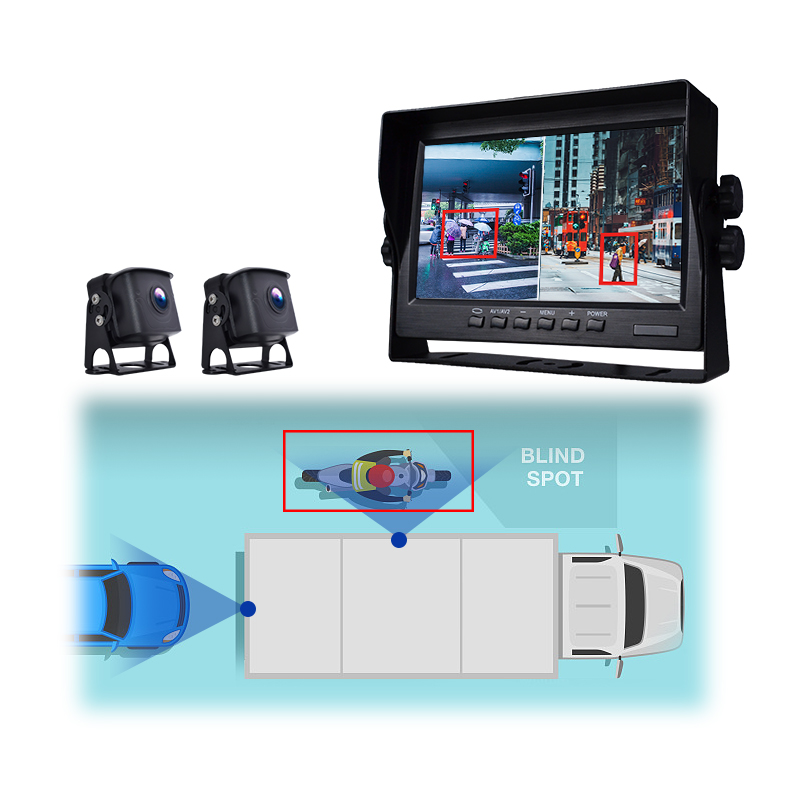
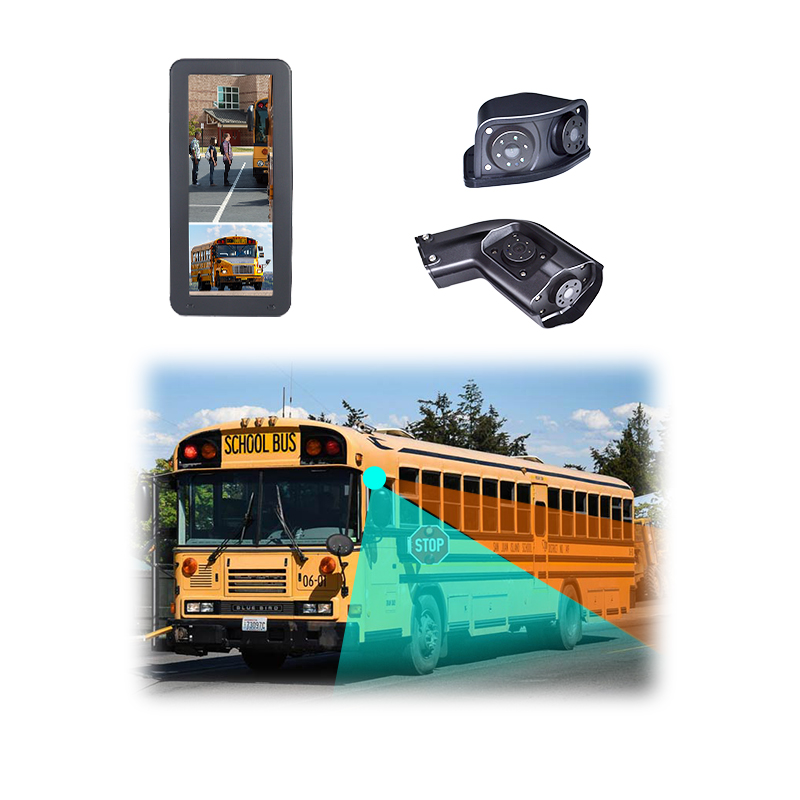
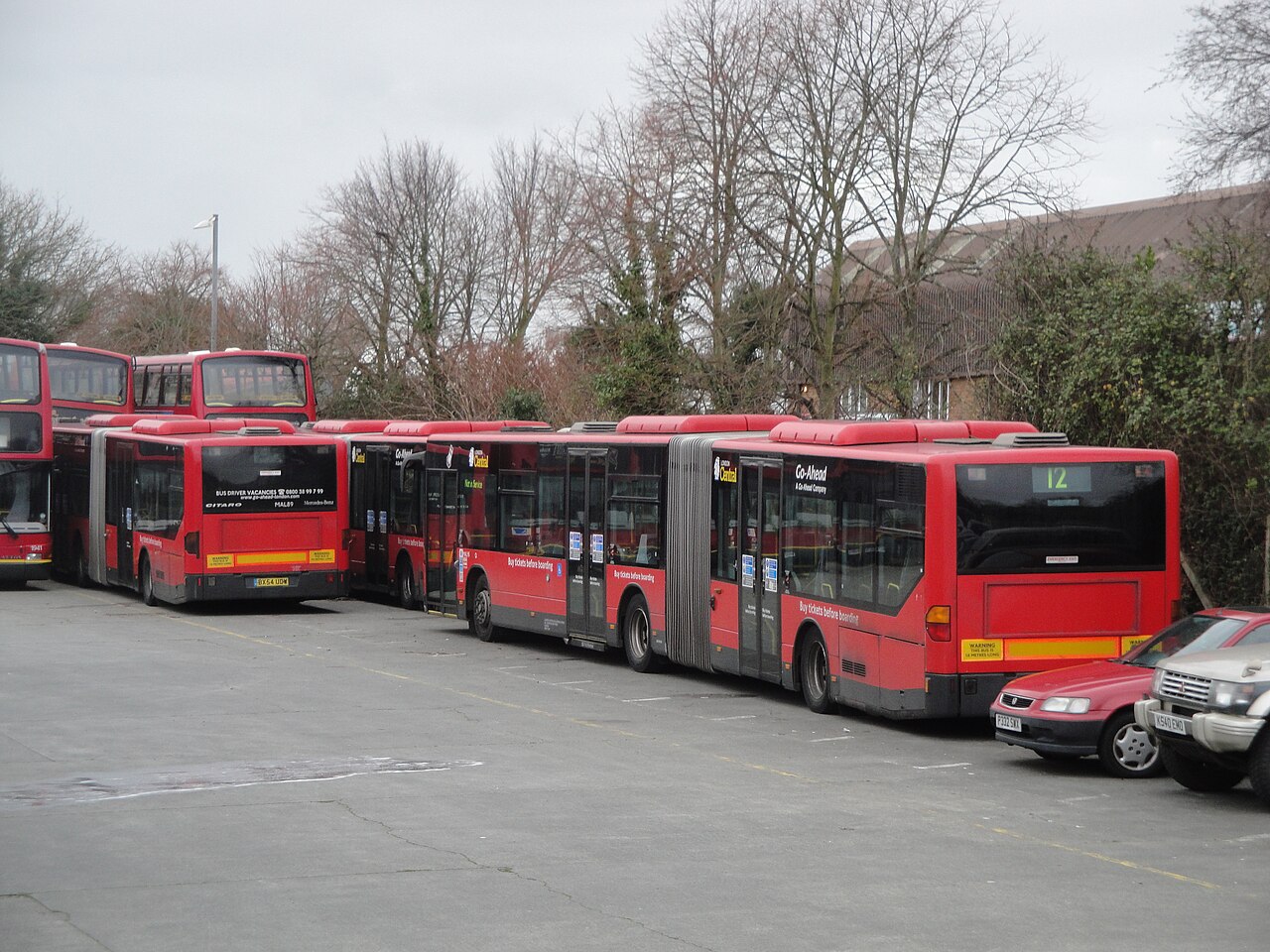
GB 7258 sets requirements for how much of the area around a vehicle the driver must be able to see, directly or through mirrors and cameras. On a long commercial vehicle this matters more than on a car, since a truck or a coach carries blind spots large enough to hide a person. The clause governs the indirect vision devices, the mirrors and increasingly the cameras, that give the driver sight of the areas the windscreen never shows.
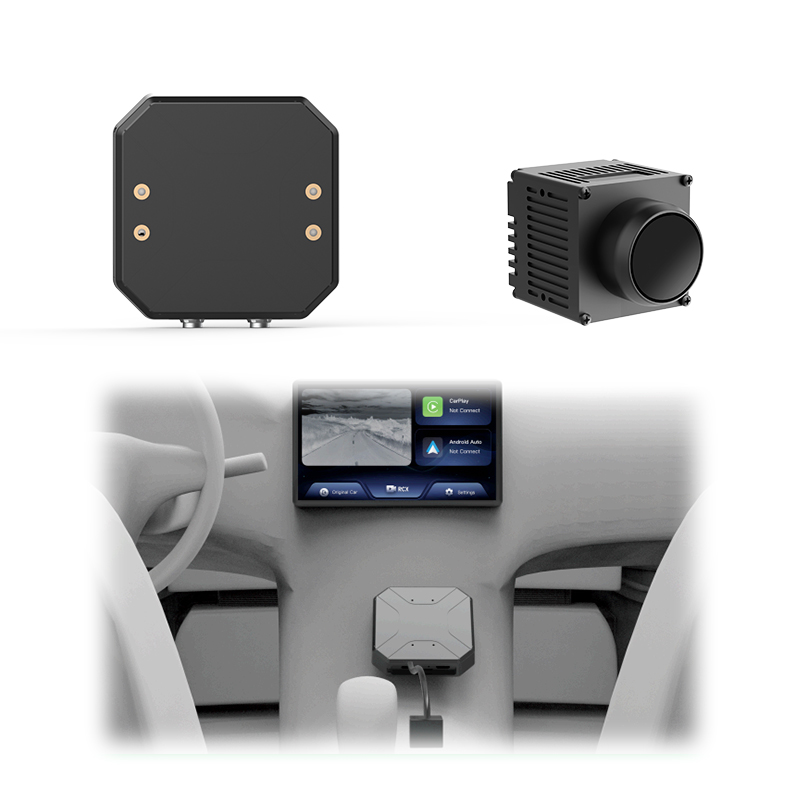
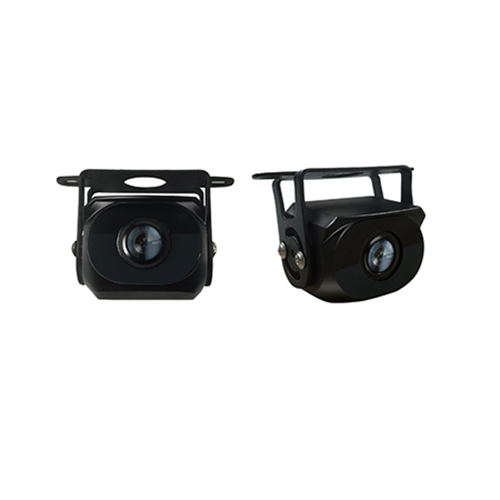
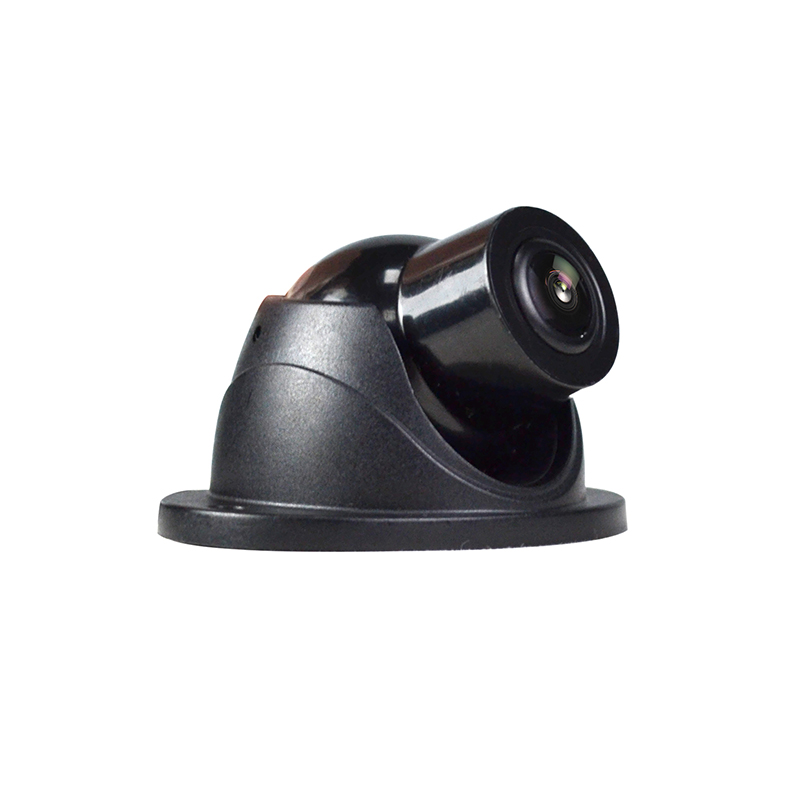
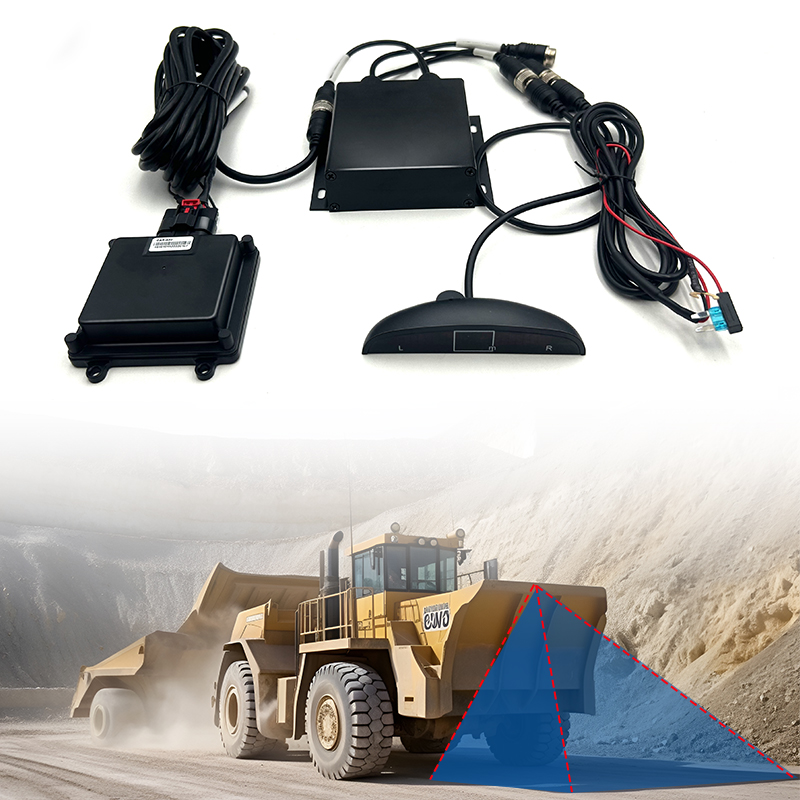
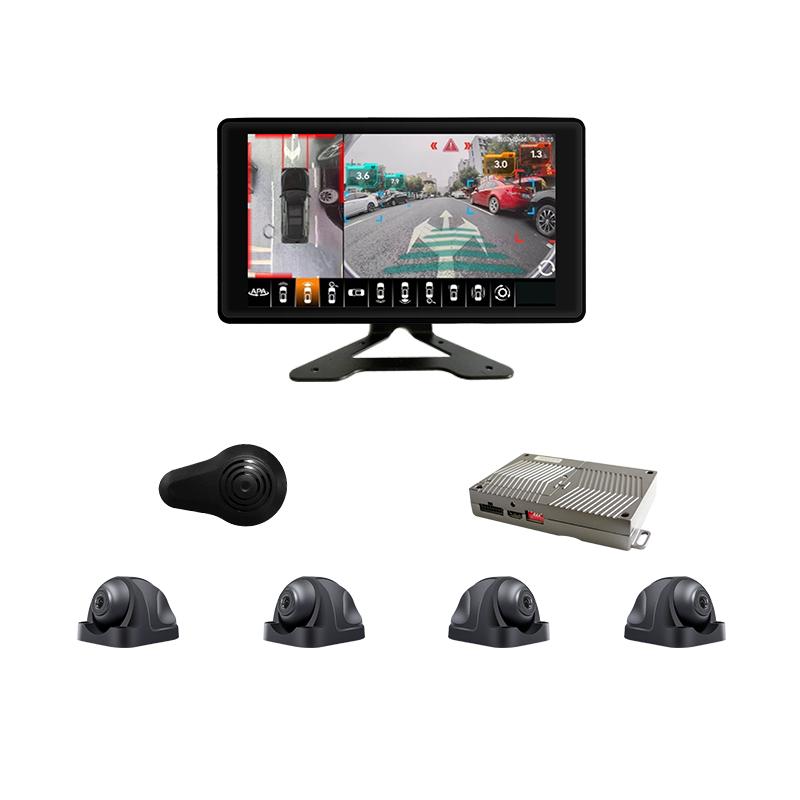
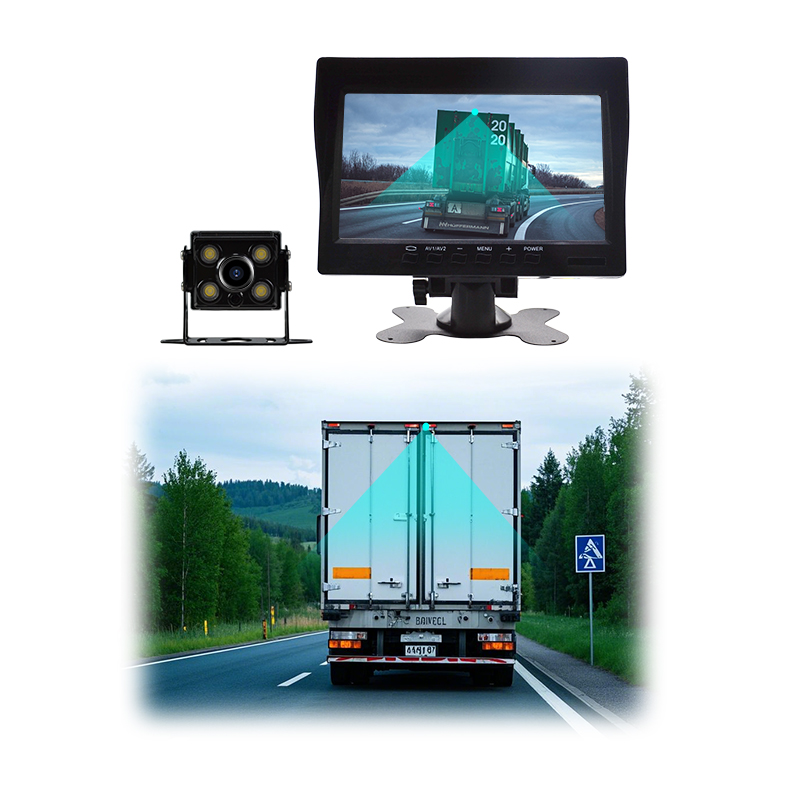
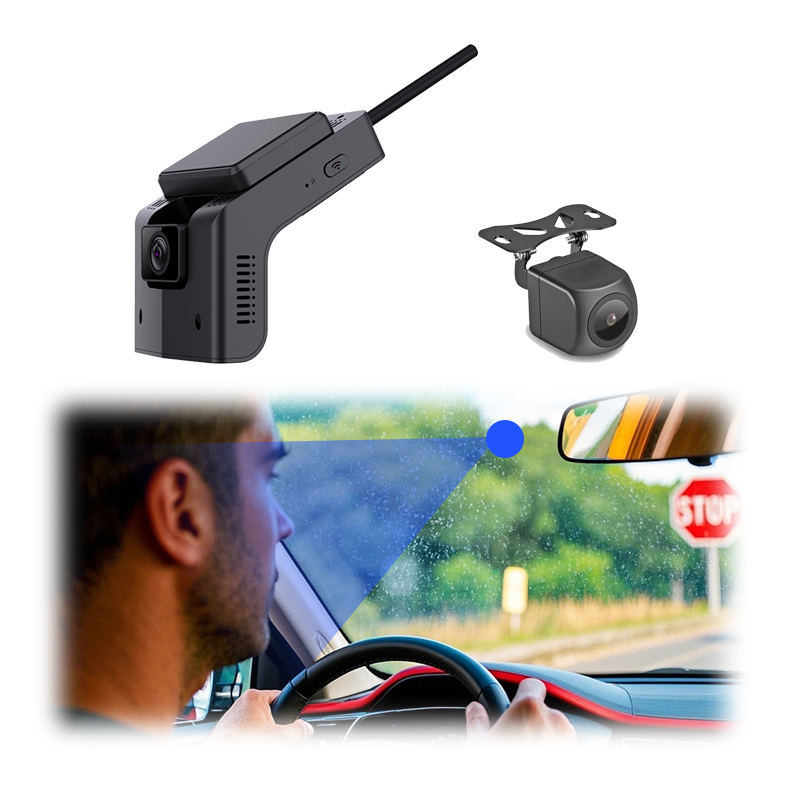
This is the clause closest to the camera systems a modern fleet fits. Where a mirror cannot cover a blind spot, a camera does, feeding a screen in the cab. The standard’s concern is that the driver can see the danger areas around the vehicle, by whatever means. A fleet fitting a camera system to close the blind spots is working in the territory this clause defines, which makes it useful to know what the standard asks before fitting cameras to a guess. A vehicle whose indirect vision falls short of the requirement has a roadworthiness defect under the standard, whatever the showroom called the missing item.
The standard frames this in terms of fields of view, the zones around the vehicle a driver has to be able to see. A long truck has zones a mirror cannot reach, down the nearside, close to the front, behind the trailer. A camera covers what the mirror misses, the reason fleets fit them. The clause names the coverage, leaving the count and the means to the vehicle. A fleet fitting cameras to meet it works from the zones the standard defines, never from habit.
The blind spots on a commercial vehicle are not where a car driver expects. The nearside of a long truck hides a cyclist the length of the trailer; the area straight ahead, below the high cab, hides a pedestrian at a crossing; the rear of a trailer hides what sits behind it on a reverse. Each is a zone the standard’s fields of view reach toward, the zone a camera fills where a mirror cannot. A fleet mapping its blind spots to the standard’s zones fits cameras where they close a real gap.
GB 7258 requires certain commercial vehicles to carry a driving recorder, the device that logs speed, time and distance, the data a regulator or an investigator reads after an incident. The requirement reaches goods vehicles and other classes, written into the roadworthiness standard, taken out of the operator’s hands. A vehicle in a class that requires a recorder, fitted without one or with one that does not meet the specification, fails the clause.
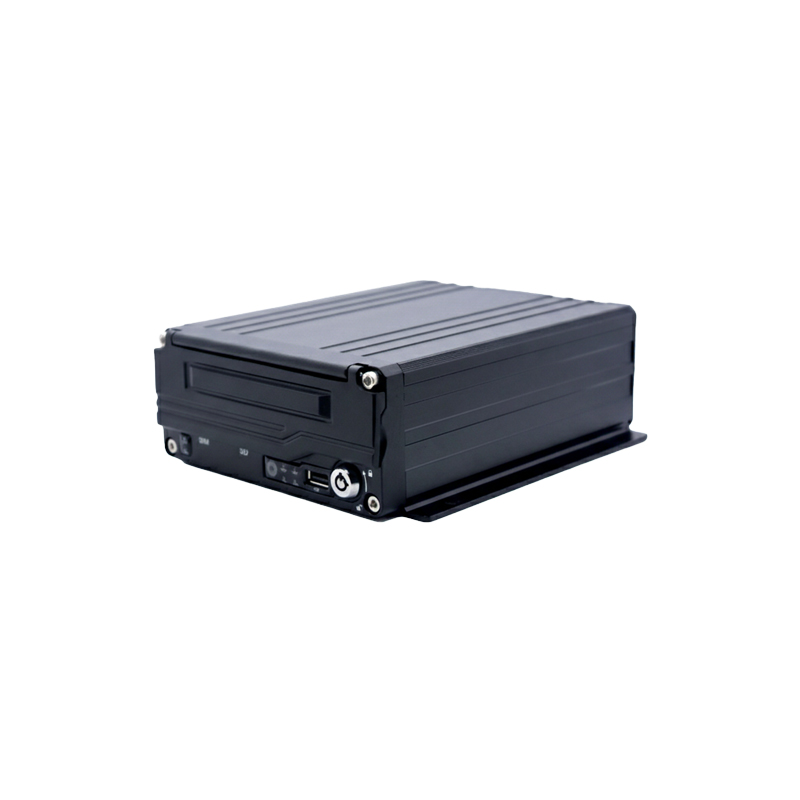
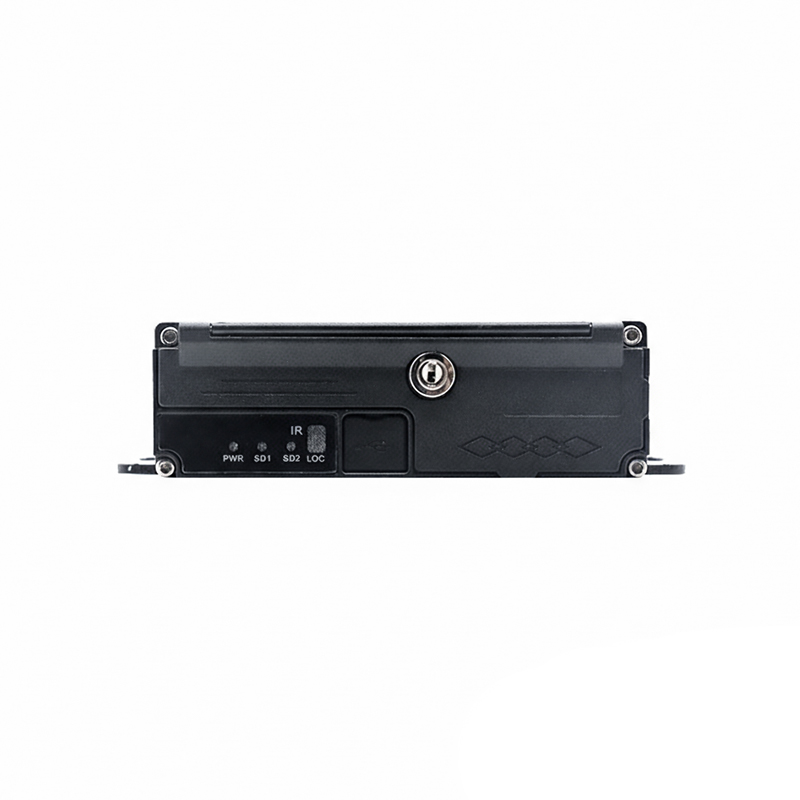
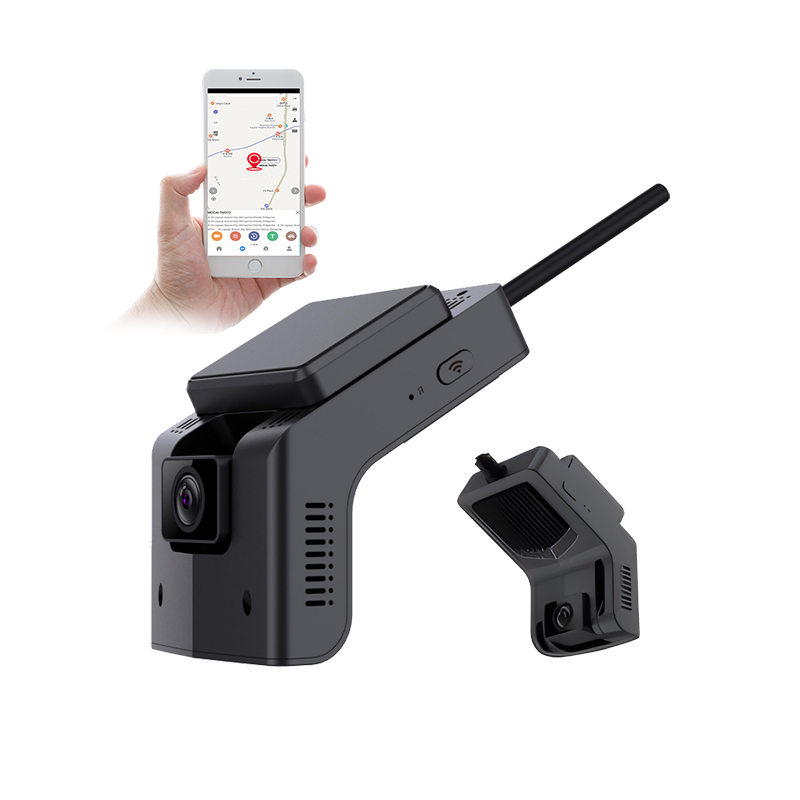
The recorder is often confused with the video monitoring terminal a fleet fits for its own use, the two living side by side in the cab. They answer to different standards and serve different ends. The driving recorder under GB 7258 is the legally required black box for speed and distance data. The video terminal is the camera-and-recording system the operator runs for monitoring and evidence. A buyer who treats one as the other can end up with a fine video system and no compliant recorder, or the reverse, with the gap surfacing at inspection.
The data the recorder holds is the point of the clause. Speed against time, the distance run, the record of how the vehicle was driven before an incident: this is the evidence a regulator reads to reconstruct what happened. A recorder that misses the specification, or that a fleet has let fail, leaves a hole in that record. The clause exists so the hole is not there when an investigation needs the data, the same reason the video terminal beside it carries weight for its own kind of evidence.
The distinction matters at purchase. A fleet buying a video monitoring system, sold on its cameras and its platform, can assume the recorder is handled, when the two are separate buys. A vehicle can arrive with a full monitoring terminal and no compliant driving recorder, the gap invisible until an inspection asks for the recorder the standard names. A buyer confirms the GB 7258 recorder as its own line item, separate from the monitoring system, since one does not stand in for the other.

A clause that catches out trucks and trailers is the requirement for retroreflective conspicuity markings, the bright contour tape that outlines a large vehicle in another driver’s headlights at night. The standard sets where the markings go, how much of the vehicle they cover, what they have to reflect. A truck or a trailer missing them, or carrying them in the wrong pattern, fails the clause the same way a broken light would.
The markings are cheap, which is part of why they are forgotten. The side markings carry a coverage floor a tape measure can check, the strips running on the order of half the vehicle’s length, so the clause is enforced by measurement, never by whether the tape looks bright enough. A fleet focused on the engine and the recorder overlooks a strip of tape, then loses a vehicle at inspection over it. The point of the clause is that a large vehicle has to be seen at night before a following driver runs into it, the same collision the active-safety electronics elsewhere on the vehicle are built to prevent. The markings are the passive half of that defence, the half a buyer signs off without thinking.
The pattern is fixed. The standard sets which edges of the vehicle the tape outlines, how continuous it has to be, the grade of reflectivity it reaches. Tape applied in the wrong places, or faded past its reflectivity, fails the clause as a missing strip would. A fleet that repaints or rebodies a vehicle has to restore the markings to the pattern, since the inspection reads them against the standard, with no credit for what was there before.
GB 7258 carries requirements for the protective structures on a large vehicle: the side guards that stop a cyclist or a pedestrian going under the wheels, the rear underrun guard that keeps a car from sliding beneath the back of a trailer. These are structural clauses, settled in the build. A fleet that modifies a vehicle or fits a body can still disturb them. A modification that leaves a guard missing or out of position turns a compliant vehicle into a non-compliant one.
The reason these matter to an operator is the modification. A fleet that has a vehicle bodied, lengthened or fitted with equipment after purchase can void a clause that the base vehicle met. The guard that was correct on the bare chassis can end up blocked or removed by the conversion. A buyer commissioning a modified vehicle does well to confirm the protective structures still meet GB 7258 after the work, since the inspection will check the vehicle as it stands, not as it left the factory.
Certain classes of commercial vehicle have to carry a speed limiting function under GB 7258, holding the vehicle below a set maximum. The requirement reaches buses and goods vehicles of given types, written so that a coach or a heavy truck cannot be driven past the speed its class allows. A vehicle that should carry the function, supplied without it or with it disabled, fails the clause.
The limiter ties into the electronics a fleet may already be specifying. It works through the engine management, capping the fuelling or the throttle once the vehicle reaches the limit. A buyer who reads a vehicle’s top speed off a brochure without checking the limiter requirement for its class can take delivery of a non-compliant vehicle. The clause is one an inspection verifies directly, with a road or a bench test of the limit.
The limit is set by class. A coach of a given size, a goods vehicle of a given weight: each has a maximum the standard holds it below, the figure built into the limiter at the factory. A fleet cannot raise it to suit a schedule. A vehicle found with the limiter disabled, or set above the figure for its class, fails the clause and risks more than a test, since the limit exists to keep a heavy vehicle’s speed within what its brakes and its mass can safely handle.
For large and medium coaches, GB 7258 tightened the fire-safety and escape requirements in its recent revision. The clauses cover the fire-resistance of materials, the fire suppression in the engine bay, the emergency exits, the hammers and extinguishers a coach has to carry. A coach is a vehicle full of people in a confined space, so a fire is among the worst events it can suffer, the reason the standard treats these clauses with weight.
These are the clauses a passenger operator cannot afford to miss. A coach short of an emergency exit, or carrying materials that do not meet the fire-resistance grade, fails the standard on a point that an inspection takes seriously. A buyer of a passenger coach does well to read the fire and escape clauses for the size class in question, since the requirements step up with the size of the vehicle and the number it carries.
The engine bay is the usual source of a coach fire, the reason the suppression clause points there. A diesel engine runs hot next to fuel lines and wiring, so a leak onto a hot surface can light. The standard asks larger coaches for a suppression system in the bay, to catch a fire at its source before it reaches the cabin. The exits, the hammers, the extinguishers are the second line, for the fire the suppression misses. A coach buyer reads these clauses for the size class, since the count of exits and the grade of the kit climb with the passengers carried.
The reason these clauses matter to a fleet is the inspection. GB 7258 works as the checklist an annual roadworthiness inspection runs from, the gate a vehicle passes through every year to keep its place on the road. An inspector takes the standard clause by clause, checking the stability system on a tall vehicle, the recorder for the class, the markings around the body, the guards beneath it, the limiter on the engine. A clause the buyer never thought about is a clause the inspector knows by number. The vehicle that passed the showroom on its engine and its price meets the standard’s corners at the test lane, where a missing strip of tape or an absent recorder turns it away as firmly as a failed brake. The cost of that failure lands at the worst time. A vehicle held off the road at inspection is a vehicle out of service, earning nothing, as the fix is found, fitted, the retest booked. The fix itself runs dearer after the fact than it would have at purchase, since a stability system or a compliant recorder retrofitted to a vehicle already built costs more than the same item specified into the order. A clause missed at purchase becomes a vehicle held off the road at inspection, a cost that lands when the vehicle is already meant to be earning revenue. The failure compounds from there. A vehicle off the road still carries its costs, the finance, the insurance, the driver on the payroll, as it earns nothing standing in a yard. A schedule built around it has a hole where the vehicle should be. The clause that would have cost a line in the order ends up costing a vehicle’s week. This is the lens to read GB 7258 through, since the inspection is where every missed clause finally comes due. It is the one day a year the standard is enforced as a yes or a no on a vehicle’s right to work. A fleet that has read the corners walks its vehicles through without a thought. The standard makes no allowance for a fleet’s busy schedule or its tight margins. The clause is met or the vehicle waits.
The pattern is the same across the easily missed clauses. Each is invisible or cheap or buried, the kind a buyer focused on the engine and the price overlooks. Each is known cold by the inspector, who checks it without fail. A fleet that reads GB 7258 as the inspection reads it, clause by clause down the list, is the fleet that does not lose a vehicle to a strip of tape or a missing recorder.
The timing of the check decides its cost. The same clause discovered at the annual inspection is a vehicle off the road and a retrofit at a premium. The cheapest moment to meet GB 7258 is before the vehicle is built, in the specification. The next cheapest is at delivery, before the fleet has paid in full. The dearest by far is at the test lane, a year in, with the vehicle already in service. A fleet that moves the check to the front of that sequence pays the least to meet the standard.
For a commercial operator, GB 7258 is the roadworthiness floor every vehicle has to clear, read clause by clause, all the way down. The clauses that catch a fleet out are the quiet ones: the stability control on a tall vehicle, the indirect vision that closes the blind spots, the recorder, the markings, the protective structures, the speed limiter, the coach fire and escape kit. None is a feature a buyer chooses. Each is a requirement an inspection enforces.
Each amendment sheet shifts what an inspection can fail a vehicle for.
The habit that pays is checking the easily missed clauses for the exact class of vehicle in question before the purchase. Confirm the stability control on a tall vehicle, the recorder for the class, the indirect vision against the requirement, the markings and guards after any modification. A buyer who reads GB 7258 the way the inspection does, looking hard at the corners a brochure skips, takes delivery of a vehicle that stays on the road.
The check is cheaper than the cure on every one of these clauses. Those same items chased after a failed inspection cost downtime and a fix bought at distress prices. An operator who builds the GB 7258 corners into the specification, then verifies them at delivery and after any modification, has turned a recurring risk into a one-time piece of homework. The standard does not change between vehicles. The buyer who learns its corners once carries that knowledge across the whole fleet.
GB 7258-2017 is the Chinese national standard for the running safety of a motor vehicle. It sets the safety requirements for the whole vehicle, the major assemblies and the protective devices on every motor vehicle on a Chinese road. A vehicle has to meet it to be registered and to pass its annual roadworthiness inspection.
The quiet ones: electronic stability control on tall vehicles, indirect vision for the blind spots, the driving recorder for the class, retroreflective conspicuity markings, side and rear protective guards, speed limiting, and the fire and escape kit on coaches. None is a headline item, so a buyer focused on engine and price overlooks them, then meets them at inspection.
No. The driving recorder required by GB 7258 logs speed, time and distance, the legally required data box. The video monitoring terminal a fleet fits is a separate camera-and-recording system for monitoring and evidence, answering to different standards. A vehicle can carry a full video system and still fail the recorder clause.
Indirectly. GB 7258 sets requirements for how much of the area around a vehicle the driver must be able to see, by mirror or camera. A camera system that closes the blind spots is working within that indirect-vision clause, so a fleet fitting cameras does well to know what the standard asks before fitting to a guess.
The vehicle is not roadworthy. It cannot be registered, or it fails its annual inspection and is held off the road until the clause is met. The cost lands after the purchase looked complete, which is why a buyer checks the easily missed clauses before delivery, when fixing is cheapest.
Yes. A vehicle that is bodied, lengthened or fitted with equipment after purchase can disturb a clause the base vehicle met, such as a side or rear guard left blocked or removed. The inspection checks the vehicle as it stands, so a buyer commissioning a modification confirms the protective structures still comply after the work.