









China 6 reaches into a truck’s on-board electronics. The newer heavy diesels on Chinese roads carry a unit wired to the engine that reports their emissions to a government monitoring centre, required by GB 17691-2018 on trucks meeting the stricter stage, its data items and formats pinned in the standard’s own annex so two makers’ terminals report identically. For a fleet that already runs cameras and monitoring terminals, this is the electronics the emission standard adds to that suite, with duties of its own.
The emissions terminal reads the data the engine holds about its own exhaust and sends it onward to the environmental authority. It connects to the engine controller over the vehicle’s internal network, takes the readings that show whether the exhaust is being cleaned, then forwards them over a mobile link. The reporting runs continuously, so the authority sees a truck’s emission performance as a live record across its working life. China 6 is the standard that put this terminal on the vehicle, an emission rule reaching into telematics, past where earlier emission rules stopped at the engine.
The terminal reports a fixed dictionary of engine data, exists because the emission rule stopped trusting bench tests alone, rides only the stricter stage’s new trucks and stays the fleet’s to keep alive for the vehicle’s working life. The terminal is regulated hardware that arrives with the vehicle. No fleet chooses it, which shapes how an operator deals with it.
The terminal carries the readings that show whether a diesel is being cleaned properly. The chief reading is the nitrogen-oxide figure, the measure of the pollutant a diesel gives off in the greatest amount and the one its after-treatment exists to reduce. The terminal also carries the state of the particulate filter that traps soot, plus the data from the after-treatment system that scrubs the exhaust. These readings, taken together, show whether the emission systems are doing their job.
The terminal sends these continuously, a live feed the regulator reads as the truck runs. The authority at the other end sees the data as the truck produces it, which lets it judge a vehicle’s emissions across the year, far past any single test. The terminal does its work without a screen and without involving the driver, who could operate the truck for years without attending to it. Its purpose is to place the truck’s emission data in front of the regulator who sets the limits.
How often the terminal reports is part of what makes the monitoring useful. A reading sent as the truck runs shows the regulator the engine’s behaviour in something close to real time. The standard sets the terminal to report on a frequent schedule, so the data arriving at the platform tracks the truck’s emissions closely, with no waiting for occasional summaries. This frequency is what turns the reporting into a continuous record.
The particulate filter the terminal watches needs occasional cleaning. Soot builds up in it as the engine runs. The filter periodically burns that soot off in a process the engine manages. A filter unable to complete this cleaning clogs, raising the back pressure on the engine and letting particulates through. The terminal reports the filter’s state, so a filter failing to clean itself shows up in the data the regulator receives.
The nitrogen-oxide reading the terminal carries comes from sensors placed in the exhaust. A modern diesel has one before the after-treatment and one after it, so the engine can compare the two and see how much the cleaning removed. The wider the gap, the more the after-treatment has removed. The terminal forwards the readings that let the regulator see the same comparison.
Earlier emission standards checked a vehicle at two moments: when its type was approved and at its periodic inspection. Between those checks, a truck’s emissions went unobserved. A vehicle could leave the factory within its limits and drift well past them in service as its after-treatment aged or its sensors failed, the standard left unaware until the next inspection, if then. The dirtiest part of a truck’s life fell in the gaps the testing did not cover.
The change runs deeper than it first seems, because it altered what an emission standard does. A limit on what a truck may emit is only as strong as the checking that backs it. Set the cleanest figure on paper. If the truck behind it is examined only at approval and once a year, the figure governs two days, the rest left unwatched. A diesel does not hold its emissions steady across those gaps. The catalyst ages, a sensor drifts, the filter loads with soot, the fluid runs low. The exhaust dirties by degrees no annual visit catches in time. A truck clean on its approval day can sit among the worst offenders three years on, with nothing in the old checking to show it. China 6 took that hidden drift as the failure to fix. Its reasoning was plain: the honest measure of a truck is what it emits in service, over the years it runs, well past what it shows new on a bench. Reaching that measure means the truck has to report as it works, the step that carried an emission standard into telematics. The continuous record is what gives the limit force across the vehicle’s life. A figure watched without pause has to be met on every working day. That logic placed a reporting box inside an emission rule, the line dividing China 6 from the standards before it, which trusted the bench test and left the road years unwatched. The price of the older trust had run high: spread over a national fleet, trucks slipping out of compliance unseen released far more than the paper limits suggested, the distance between the approved truck and the in-service truck turning into dirty air over whole cities. Closing that distance was the point. The reporting terminal is the tool that closes it, the device through which a limit written for a clean bench becomes a limit kept on a working road, for as long as the truck runs. The whole of that working life is what the reporting holds the regulator able to see, the record kept for every working day the engine turns, the standard’s reach carried out from the test cell to the road where the emissions happen, the in-service years a bench test never reached now kept, day by day, as part of the record.
The terminal forwards the readings the engine controller has already measured.
China 6 set out to close those gaps. It required the vehicle to watch its own emissions and report them to the regulator continuously, so the data covers the whole of a truck’s service, beyond any two points in it. This is the reason an emission standard came to require a reporting terminal: the only way to know a truck’s emissions across its life is to have the truck report them as it runs, which takes a terminal, a data connection and a link to a platform. The clean-air aim brought the electronics with it.
The continuous record also changes how the authority can act. With a live feed from the fleet, the regulator can see which trucks are running dirty without waiting for a roadside stop or an annual test. It can direct an inspection at the vehicles the data flags, sparing the random checks. The reporting turns enforcement from a matter of catching a truck by chance into one of reading the data and acting on what it shows.
China 5, the stage before, asked for cleaner engines without the continuous reporting. It cut the limits and improved the after-treatment, the path a stricter standard usually takes. China 6 kept that path, then added the reporting on top, the first time the chain reached from the engine out to a government server. The added reporting is what set China 6 apart from the standards before it.
The continuous reporting is aimed at a specific failure. A modern diesel reduces its nitrogen oxides by injecting a urea solution, known as AdBlue, into the exhaust, where it converts the pollutants into harmless gases. AdBlue is a consumable the owner has to refill. A truck will continue to run after its tank is empty, emitting the nitrogen oxides the fluid would have neutralised. Some operators have fitted devices that let the engine run without the fluid, avoiding the cost at the expense of the emissions.
Continuous reporting brings this failure into view. A truck running without its AdBlue shows a nitrogen-oxide reading above what a working system would produce, the reported data recording it. A periodic test could be passed with a full tank on the inspection day, telling the regulator nothing about the other days. The continuous record shows the empty tank whenever it occurs, which is the case the on-board reporting was designed to catch.
The economics behind the cheat are simple. AdBlue costs money, a running expense an operator under pressure may look to cut. A truck that skips the fluid saves that cost, breaking no part and showing no warning a casual check would notice. The saving is small per tank, larger across a fleet over a year, which is why the temptation existed and why the standard aimed to remove it. The reporting makes the saving impossible to hide, taking away the reason to try.
The amount of AdBlue a truck uses is small and steady. A heavy diesel consumes the fluid at a few per cent of its diesel use, enough that a tank lasts some thousands of kilometres before a refill. The cost is modest by the litre. Over a fleet across a year it grows into a figure an operator notices, the pressure that made skipping the fluid tempting in the first place.
The chemistry behind it runs in one step. AdBlue is a solution of urea in water. Injected into the hot exhaust, it breaks down to ammonia, which reacts with the nitrogen oxides over a catalyst to form harmless nitrogen and water. The reaction needs the fluid present in the right amount. Too little leaves nitrogen oxides unconverted. This is the process a dry tank shuts down, the reason an empty tank means a dirty exhaust.
The terminal is often taken for a sensor that measures the exhaust. It is no such thing. The engine already measures its own emissions. Its controller reads the nitrogen-oxide sensors, manages the AdBlue dosing, monitors the filter and holds the results on the vehicle’s internal network. The terminal reads those existing figures and forwards them. It adds no measurement of its own. This distinction explains what China 6 added in practice. The measuring was already happening, since a modern diesel has to monitor itself to run cleanly. What the standard added was a route for the regulator to see those internal figures. The terminal is that route, a connection from the engine’s own data to the authority’s platform. The terminal handles only the reporting, the monitoring left inside the engine. Designing the terminal as a reporter, with the measurement left to the engine, keeps it simple and reliable. A unit that had to measure the exhaust itself would need its own sensors, its own calibration, its own points of failure. By reading figures the engine already produces to a known standard, the terminal avoids all of that, its task reduced to gathering and sending data the vehicle holds. The simplicity is deliberate, the terminal kept to one job it can do dependably.
A reading travels a defined path from the engine to the regulator. It begins at a sensor, passes to the engine controller, then is read by the terminal off the vehicle bus. The terminal formats it according to the standard, which includes a technical appendix fixing exactly how the data must be structured, then transmits it over a mobile link to the environmental platform. The platform collects the streams from the vehicles under its watch, assembling a record of how the heavy diesel fleet performs against the limits in service. Each emission reading travels with the engine and vehicle parameters that give it meaning. A nitrogen-oxide figure on its own says little without the engine’s load, temperature and speed at the moment it was produced, since those conditions shape what a diesel emits. The terminal reports the operating state alongside the reading, so the platform can distinguish a genuine fault from a moment of heavy work. The fixed data format matters because the platform receives readings from a national fleet and needs every terminal to report in the same structure.
The scale of the platform shapes the standard’s demands. A system receiving emission data from a national fleet of heavy trucks handles an enormous volume, every vehicle reporting its state through the day. The platform has to take that in, store it and make sense of it, which it can only do if every terminal reports in one fixed structure. The precision the standard demands of the data format is what lets a platform of that size work at all. Above the environmental platform sits a tier of oversight. The local centres that take in the truck data feed a higher level, the provincial and national systems that build the wider picture of fleet emissions. A reading from one truck passes up this chain, joining the data from its region and then the country. The terminal’s job ends at the first platform, the climb up the tiers left to the systems above it.
The terminal is not on every truck labelled China 6. The standard was introduced in two stages, the milder China 6-a and the stricter China 6-b. The stages carried dates: 6-a reached new heavy diesels nationwide around the middle of 2021, 6-b around the middle of 2023, so the reporting terminal arrived on the road in two waves. The remote reporting requirement belongs to the stricter stage. Building the reporting into the vehicle, with its terminal and its connection to a national platform, took time to put in place, so the full requirement arrived with 6-b. A truck’s compliance plate states which stage it meets, which tells an operator whether the reporting terminal is part of the vehicle.
For an operator, this means the presence of the terminal depends on the vehicle’s stage. The reporting arrives with 6-b, fitted by the maker as a condition of the truck’s sale, so trucks built to the earlier 6-a predate it. An operator does well to know which of its vehicles report to the environmental platform and which do not, since the regulator treats the two differently.
The two-stage rollout gave the industry time to prepare. Building the reporting into a vehicle meant new hardware, new connections to the engine, a fresh link to a national platform that itself had to be built. Phasing the requirement let makers fit the simpler parts of China 6 first and add the full remote reporting with the later stage. By the time 6-b took effect, the terminals and the platform were ready for it. The stages arrived over several years, the milder one first and the stricter following as the deadline for the full requirement approached. Different vehicle types and regions phased in on their own timetables, so the fleet on the road at any moment held a mix of stages. An operator running vehicles bought across those years keeps trucks of both stages side by side, some reporting remotely and some not.
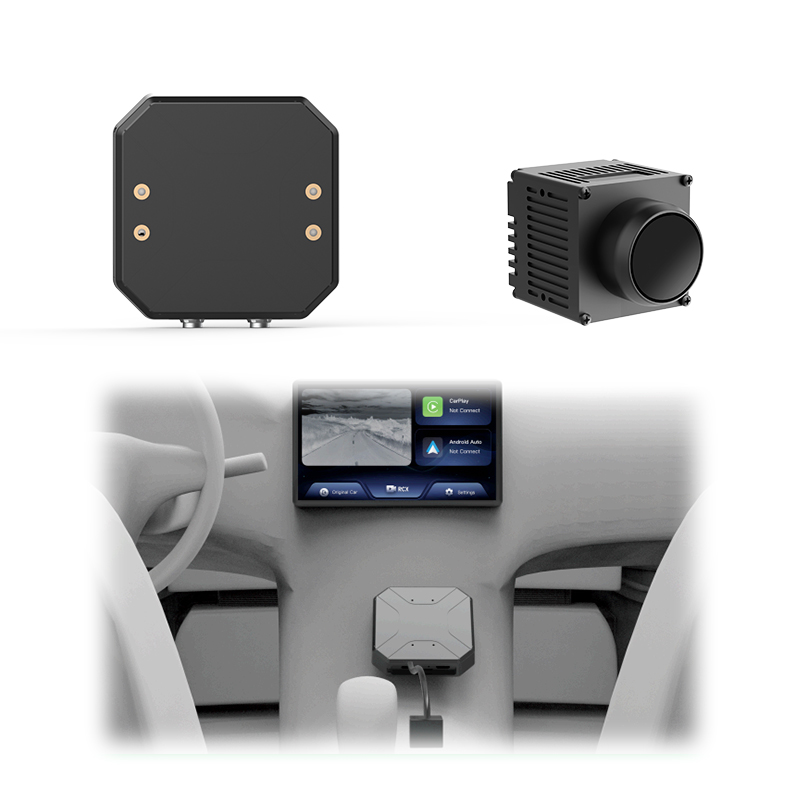
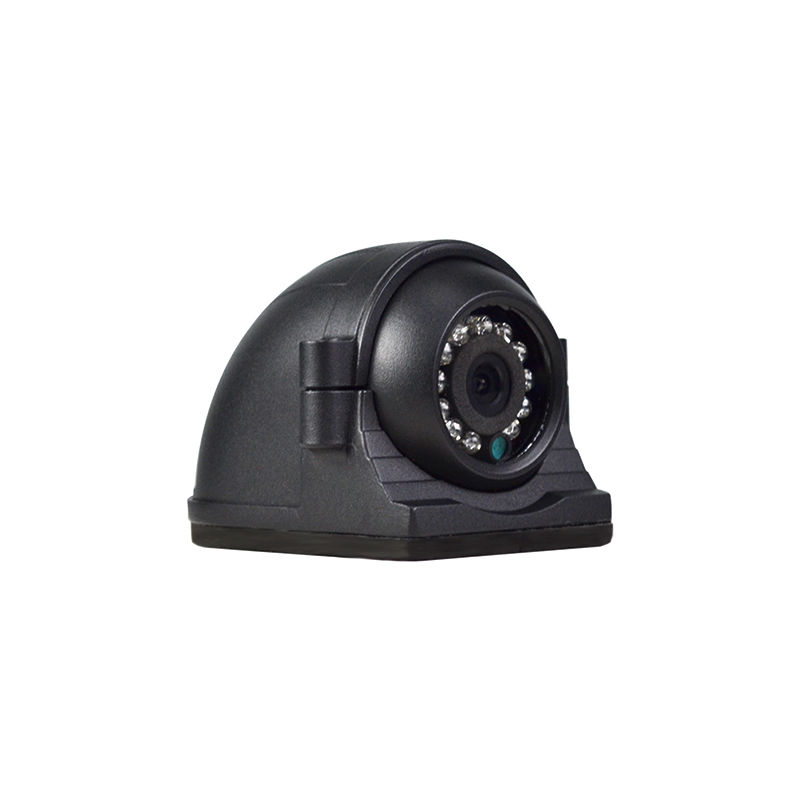
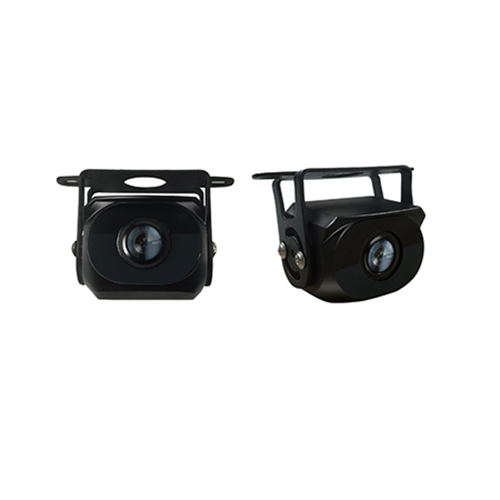
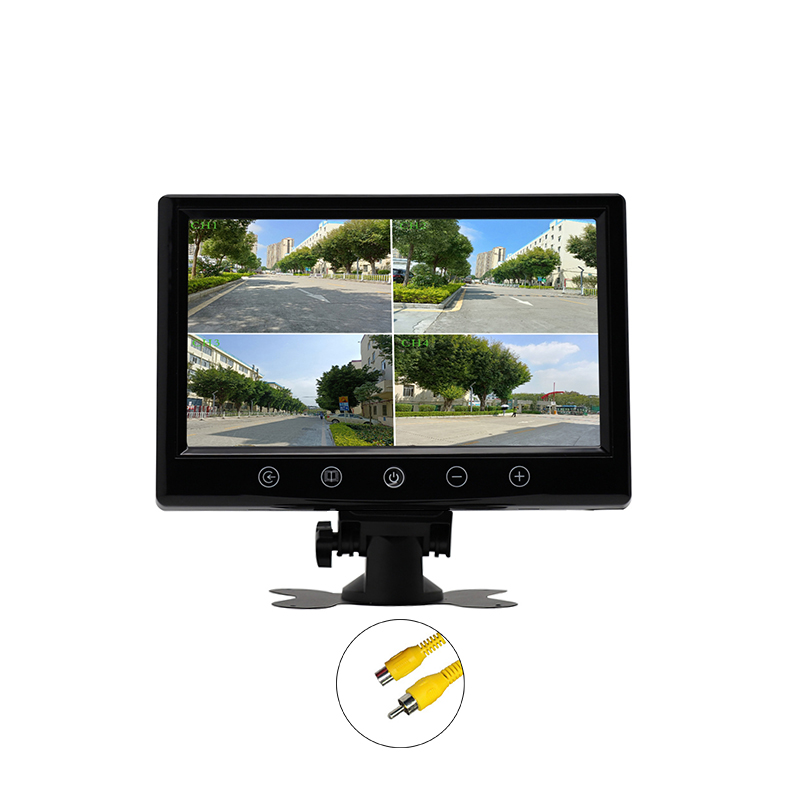
Among the electronics a China 6-era truck carries, the camera systems and the emissions terminal are the easiest pair to confuse. A heavy truck in China may already carry a video and positioning terminal, the device built to the transport standards that streams camera footage and location to the transport authority. The emissions terminal resembles it, since both are units that report data from the vehicle, the two easily confused. They are not the same device. The camera unit answers to the transport authority and reports where the truck is and what its cameras record. The emissions terminal answers to the environmental authority and reports what the truck emits. The data, the destination and the regulator all differ.
Because they are separate, fitting one does nothing for the other. A truck with a complete video and tracking system still lacks emissions reporting unless its engine compliance provided it. An operator who treats the two as a single device can satisfy one regulator and leave a gap with the other, the confusion to avoid when fitting electronics to a heavy truck.
The two terminals report to two platforms that have nothing to do with each other. The transport platform belongs to the transport ministry and gathers position and video from commercial vehicles. The environmental platform belongs to the ecology ministry and gathers emission data from heavy diesels. A truck fitted with both sends two streams to two government systems, each watching the thing its ministry cares about.
Telling the two devices apart on a truck is a matter of what each connects to. The emissions terminal wires into the engine and its emission sensors. The camera unit wires into the cameras and a positioning receiver. A glance at where a box draws its data shows which one it is, the emissions unit reading the engine, the camera unit reading the lenses and the satellite fix.
The emissions terminal is mostly installed before a fleet receives the vehicle. It comes with the engine, fitted and certified by the truck maker as part of what makes the vehicle road-legal. A fleet seldom specifies it, sources it or wires it in, as it would a video system. The fleet’s task is to know the terminal is present, to keep it powered and reporting, and to maintain the conditions that keep its data clean.
That last task changes how a fleet manages compliance. With the truck reporting itself, a fleet that lets its AdBlue lapse sends its own non-compliance to the regulator as it happens. Keeping a heavy diesel fleet within China 6 becomes a matter of running clean every day. The annual inspection stops being the moment that counts, because the vehicle reports continuously. The terminal changed the nature of the task, well past adding a piece of hardware.
Keeping the AdBlue maintained becomes a fleet routine under continuous reporting. A driver has to refill the fluid as it runs down, as fuel is topped up. A fleet has to make sure that happens across its trucks. A vehicle that runs low sends the lapse to the regulator, so the routine matters more than it did when only a periodic test could catch an empty tank. Managing the fluid is now part of managing compliance.
The quality of the fluid counts alongside its presence. AdBlue has to meet a specification. A diluted or contaminated fluid fails to do its job, leaving nitrogen oxides unconverted even with a full tank. A fleet sourcing cheap fluid of doubtful quality can find its trucks reporting high readings despite topped-up tanks. Keeping the fluid both present and to specification is part of keeping the data clean.
For a fleet buying or fitting electronics, the emissions terminal is a fact to recognise. It arrives with the China 6-b vehicle, answering to the environmental authority on its own. The electronics a fleet does choose, the video and positioning systems, answer to the transport authority and form a separate project with their own suppliers and platform. Keeping the two apart tells an operator where its own decisions lie and where the vehicle has already decided for it.
The practical step is to confirm what each vehicle carries and to whom each device reports. Check whether a heavy diesel vehicle meets China 6-b and carries the emissions terminal its stage requires. Treat the video and positioning terminal as the separate fitting it is, specified and supplied on its own. A fleet that holds the two clear fits each correctly and keeps each reporting to the right authority, the whole of what the distinction asks of a buyer.
A fleet that knows which device is which keeps its responsibilities clear. The emissions terminal is the maker’s to fit and the fleet’s to maintain, a piece of the vehicle’s compliance the operator inherits. The video and positioning system is the fleet’s to choose, fit and run, a project the operator owns. The line between them tells an operator what falls to it and what comes with the truck.
Confirming what a vehicle carries is a short job for an operator. The compliance documents state the China 6 stage, which settles whether the emissions terminal is aboard. A look at the cab and its wiring shows what video and positioning equipment is fitted, the part the fleet specifies for itself. Between the two checks an operator knows the full picture of a truck’s reporting electronics.
It is a unit fitted to a heavy diesel truck that reads the engine’s emission data and reports it to a government environmental platform over a mobile link. It is required by GB 17691-2018, the China 6 standard, on trucks meeting the stricter China 6-b stage. It reports continuously, giving the regulator a record of the truck’s emissions across its working life.
Because earlier standards checked a truck only at approval and at periodic inspections, leaving its emissions unobserved between them. A diesel could pass and then run dirty for months. China 6 required continuous reporting so the regulator sees a truck’s real emissions across its whole service, which needs a terminal and a data link on the vehicle.
No. The engine already measures its own emissions through its sensors and controller. The terminal reads those existing figures off the vehicle’s network and forwards them to the platform. It is a reporting device for data the engine already holds, with no measurement of its own.
Mainly a diesel run without its AdBlue. The urea fluid that reduces nitrogen oxides is a refillable consumable. A truck will run without it, emitting far more than its limit. Continuous reporting shows the high nitrogen-oxide reading whenever the tank is empty, a case a periodic test passed with a full tank would not catch.
No. The camera and positioning terminal reports footage and location to the transport authority. The emissions terminal reports exhaust data to the environmental authority. They are separate devices with different data, destinations and regulators. Fitting one does not satisfy the requirement for the other.
Usually not. It is fitted by the truck maker as part of a China 6-b vehicle’s engine compliance, arriving with the vehicle. A fleet’s responsibility is to know it is present, keep it reporting, keep the AdBlue maintained so the data stays clean. Sourcing and installing the terminal was never the fleet’s job.