





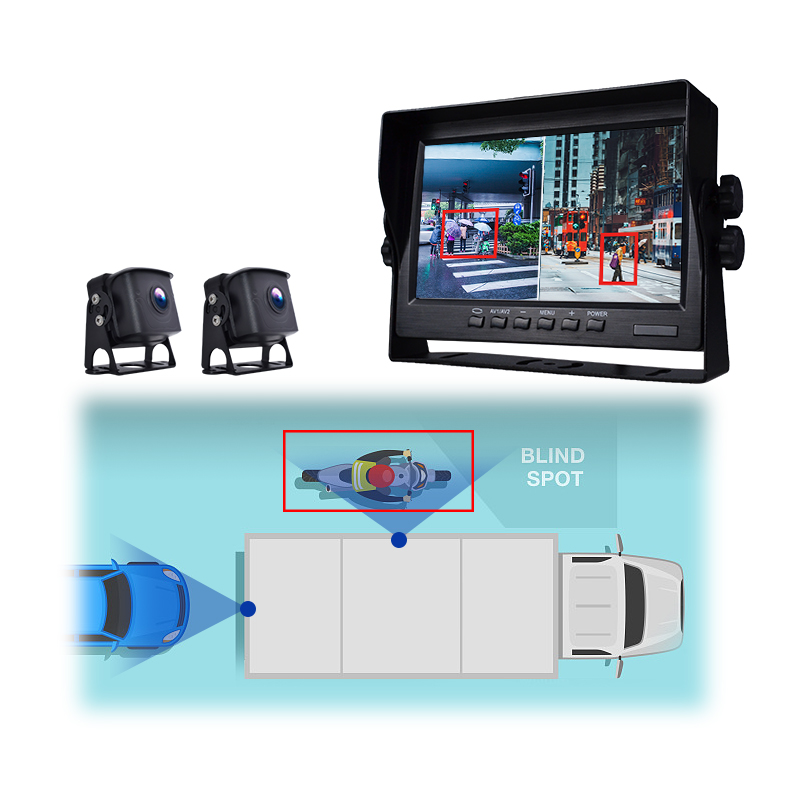

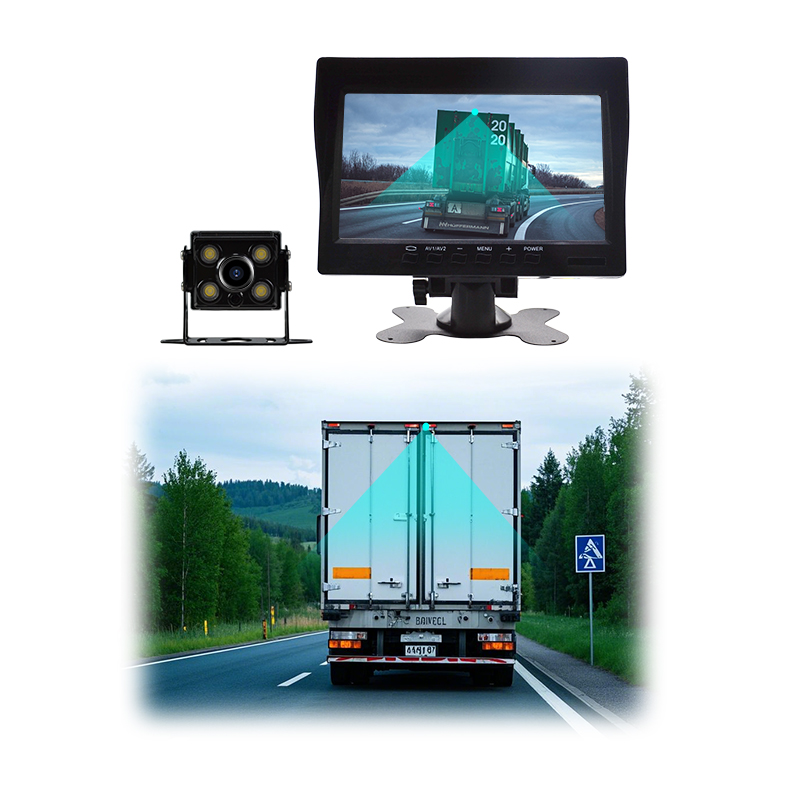

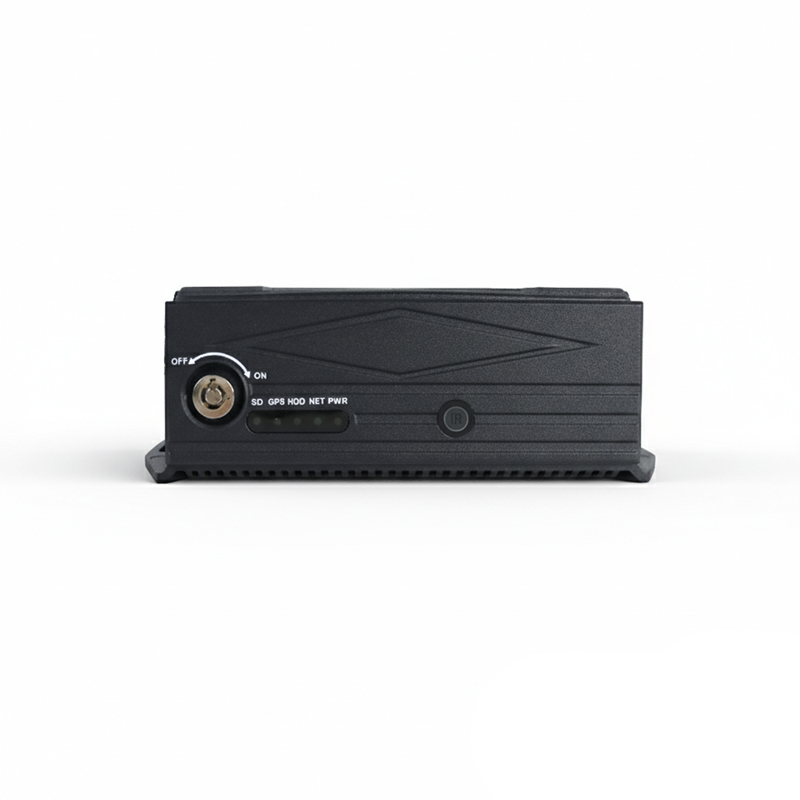
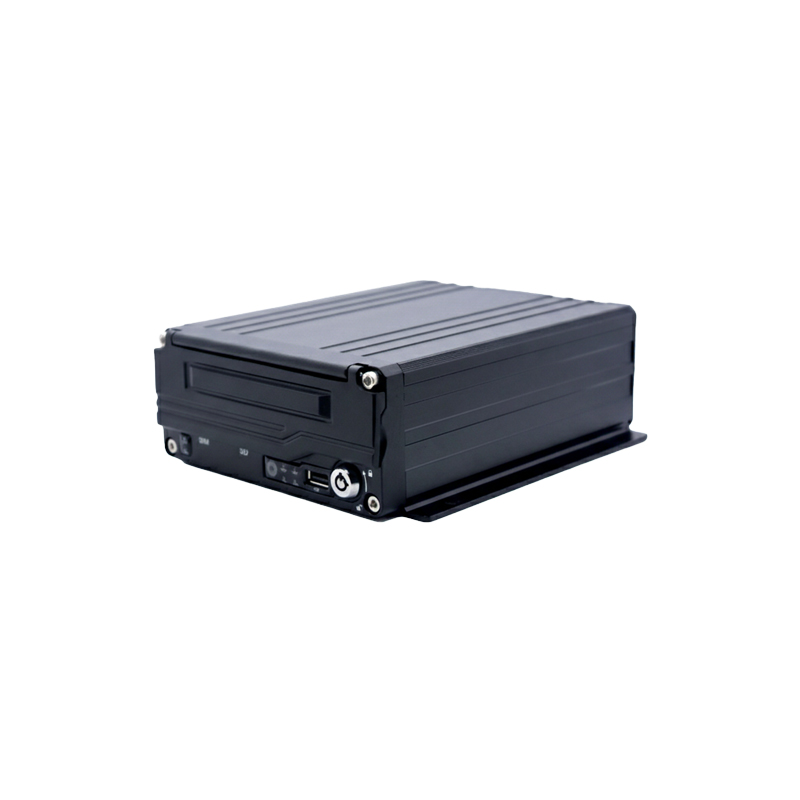
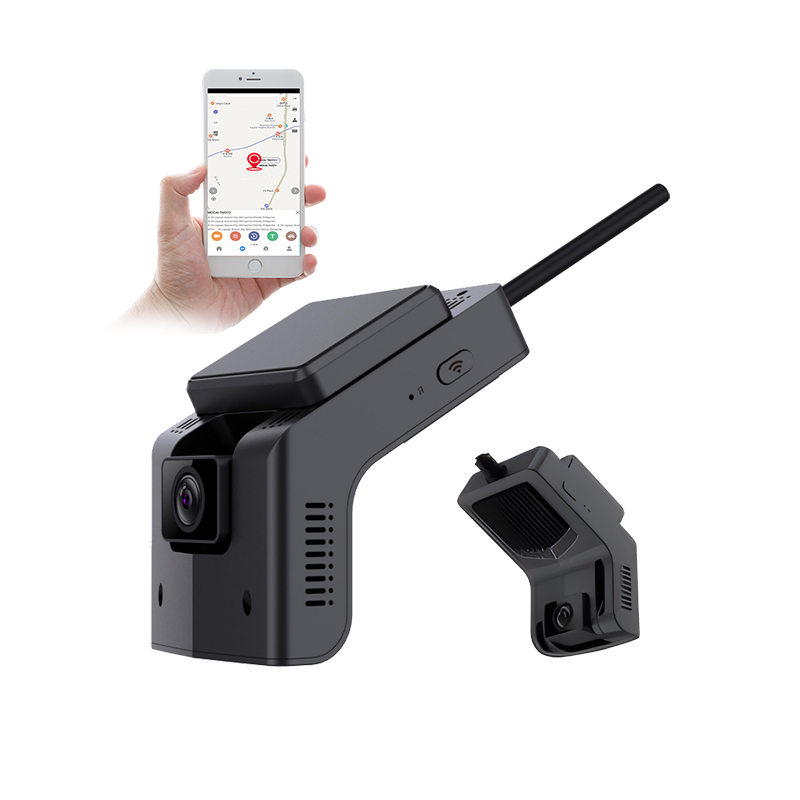


A 9-36V input range lets one device run on every commercial vehicle. The 12-volt cars and the 24-volt trucks both sit inside it. The range covers the supply swings a vehicle delivers, from the sag of a cold crank to the rise of hard charging. A wide range marks a device built for a mixed fleet.
A 9-36V wide voltage range is the span of supply voltage a device accepts. The number describes a device free of any one fixed voltage. The band covers the two electrical systems a commercial fleet runs. It covers the swings each system delivers. A device with this range takes whatever arrives inside the band. It turns that into the steady voltage its electronics need.
The range matters for a plain reason. A vehicle’s electrical system is neither standard among vehicles nor steady within one. A fleet runs cars on 12-volt systems. It runs trucks on 24-volt systems. Neither system holds its nominal voltage. Both sag in a crank and rise under charging. A device with a wide range fits all of it. That single line on the spec sheet settles the question.
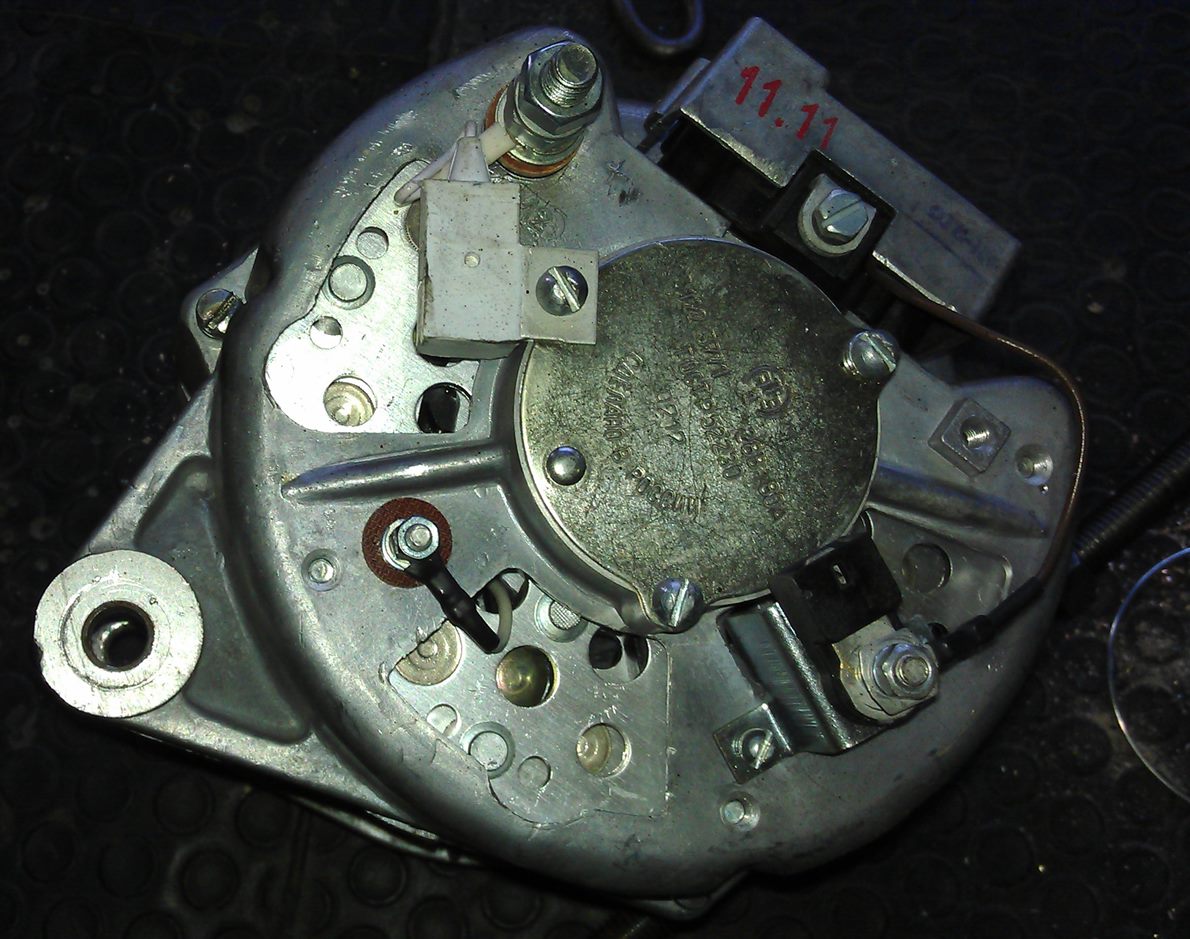
A vehicle device is asked to take a range of voltages. A vehicle’s supply moves with the engine, the alternator and the loads. The supply depends on the vehicle the device is fitted to. It depends on what that vehicle is doing at the moment. The voltage moves more than it holds. A wide input range is the device’s answer to that movement.
The 9-36V figure marks the edges of the band. The low end is 9 volts. There the device keeps working through a deep sag, the kind a cold start produces. The high end is 36 volts. There the device tolerates a supply far above the nominal 24 volts of a heavy vehicle. Real systems need that headroom. Between the two edges the device carries on.
The range is a property of the device. The vehicle delivers whatever voltage it delivers. The device’s job is to accept the whole band. The breadth of that band is a design choice. A maker building for a wide band serves a wide spread of vehicles and conditions. The figure on the datasheet records that choice.
The band has a simple shape. Nine volts sits below the deepest working sag of a 12-volt system. Thirty-six volts sits above the highest working surge of a 24-volt system. Every voltage between the two belongs to one of the systems at some moment of its day. The device treats the whole band as normal input. Nothing inside the band counts as a fault. The electronics behind the converter see none of the movement. The edges are working limits. Fault thresholds sit beyond them.
Commercial vehicles run on two electrical systems. Cars, vans and light vehicles use 12 volts. That is the supply people picture by default. Trucks, buses and heavy vehicles use 24 volts, double the figure. A heavy vehicle’s large engine needs the higher voltage to crank. Its longer wiring carries power with less loss at 24 volts. A mixed fleet runs both systems side by side every day. Some specialist bodies add a 12-volt subsystem on a 24-volt chassis through a dropper. Equipment on such a vehicle may see either supply. A wide-range device tolerates a fitting error between the two.
This split decides the reach of a device. A single-system device covers one group of the fleet’s vehicles. A fleet running both groups would need two different devices, two stock lines, two fitting procedures. A 9-36V device spans the two systems in one unit. A mixed fleet can fit it to every vehicle it runs.
The two systems exist for engineering reasons. A light vehicle cranks a modest engine on 12 volts. Its short wiring carries the current with little loss. A heavy vehicle faces a harder task. Its large diesel demands far more cranking power. On 12 volts that power would mean a huge current through thick, heavy cable. Doubling the voltage halves the current at the same power. Thinner cable becomes enough. That is the reason heavy vehicles settled on 24 volts.
The two systems are staying. The world’s cars and light vans are fixed on 12 volts. Its trucks and buses are fixed on 24. The engineering settled that division long ago. A device sold into commercial vehicles meets both systems for the life of the product. A maker serving this market builds for both voltages. The market itself runs on both.
The voltage tells a fitter what vehicle stands in front of him. A battery pair in series marks a 24-volt chassis. A single battery marks 12 volts. Vans built on car platforms stay at 12 volts. Heavy chassis from the truck makers run 24. The workshop mirrors the split: chargers switch between 12 and 24 volt modes, jump packs sell in both ratings. A device crossing both systems saves the workshop one matching step at every job.
A vehicle’s supply moves constantly. With the engine stopped, the battery rests a little below nominal. Under charge, the voltage climbs above nominal. Under a heavy load, the voltage dips. The device sees a moving figure through every minute of the vehicle’s running. The figure swings around the nominal value. It rarely sits on it.
The swings run wider than the labels suggest. A 12-volt system charging sits well above 14 volts. A 24-volt system charging runs higher than 28. The alternator, the battery state and the load all move the figure. There is no fixed point anywhere in the band. A real device’s range reaches well beyond the nominal in both directions.
The numbers say more than the labels. A 12-volt battery at rest sits near 12.6 volts. It drops under load. It climbs above 14 under charge. A 24-volt system rests near 25. It charges above 28. The deepest sags belong to a hard crank on the 12-volt side, down toward 9 or 10 volts. None of these figures is the round number on the label. The label names the system. The real voltage lives in a band around it.
A day of driving draws the whole band. A cold start dips the supply hard for a second. Charging lifts it above nominal through the run. A loading stop with accessories on pulls the resting level down. Each restart repeats the dip. The evening shutdown leaves the battery a little lower than the morning. The device wired to the supply rides every step of this cycle.
Some events push past the everyday swing. A jump-start from another vehicle drives the supply high. A faulty regulator does the same. A charging-system surge does it for a moment. The device has to tolerate each excursion. The high limit of the range exists for these moments. It is headroom for a supply that briefly overshoots its usual ceiling.
The low end has its own slow case. A deep discharge pulls the voltage down with no crank involved. A parked vehicle with many devices drawing sags over hours. A tracker logging that parked vehicle has to hold on through the droop. The low end of the range covers the slow sag along with the sharp crank. Telematics on overnight sentry duty are specified against exactly this.
Voltage varies along the harness. The reading at the battery posts differs from the reading at the end of a long feed. Connectors add small drops under current. A device far from the battery sees a slightly lower, noisier figure. The rated band absorbs this wiring loss along with the source swings.
The figures above describe healthy systems. A failing battery widens every swing. A worn alternator lets the charge level wander. A corroded ground lifts readings under load. Devices meet these aged systems daily. The rated band carries the aging along with the design figures.
The cold crank is the hardest moment for a device’s supply. The starter motor pulls an enormous current from the battery. That draw drops the battery voltage hard for the moment of cranking. A cold morning makes it worse. The battery is tired. The oil is stiff. The sag runs deeper and longer as the starter turns the engine over.
A device has to ride that sag without resetting. A monitoring terminal dropping out at every engine start loses its place at the exact moment a journey begins. The 9-volt low end keeps the device working through the sag. The wide range exists partly to prevent that failure.
The crank is a worse test than its duration suggests. The sag lasts a second or two. In that second the device has to bridge the gap and hold its state. A device browning out loses whatever it was doing. The recording stops. The position is lost. The boot sequence runs again. A device built for the crank carries straight on, as if the dip never happened. The low end is about working through the sag, beyond merely surviving it.
Designers bridge the sag with stored energy. Input capacitors hold a reserve ahead of the converter. The reserve carries the electronics across the deepest part of the dip. The rated low end sets the size of that bridge. A 9-volt rating tells the designer how deep the reserve must reach. The reserve gets sized against the depth of the dip together with its length in time.
Restarts multiply the exposure. An urban delivery vehicle restarts dozens of times in a shift. Stop-start systems restart the engine at every light on some vehicles. Each restart repeats the dip. A device resetting at each one never finishes a clean recording day. The crank case is routine duty, far from a rare event.
Cold chambers reproduce the case on the bench. The device standard names a cranking waveform for exactly this test. The profile drops the supply to the rated floor and holds it for the cranking time. The device must run through the profile without a reset.
The 9-36V band covers both systems with all their swings. The 12-volt system has a nominal of twelve, a charging voltage above fourteen, a cold-crank sag down toward nine. The 24-volt system has a nominal of twenty-four, a charging voltage above twenty-eight, surge headroom toward thirty-six. Together the two define a band from about nine volts to about thirty-six.
The 12-volt system’s crank sag sets the low end. The 24-volt system’s charging and surge headroom set the high end. The device standards turn these swings into named bench waveforms. The cranking dip is one. The supply ripple is another. A wide-range claim can be proven on a bench this way. A claim without that bench work is just a printed figure.
The band carries margin at each end. ISO 16750-2 holds the test that proves the claim. It is the electrical volume of the device-level standard. It runs a unit at the range’s edges. It runs the dips and the surges between them. The low end sits a little below the deepest crank sag. The device survives the worst cold morning. The high end sits above the highest charging voltage and its surges. The device takes a spike without damage. The margin is deliberate. A range built to the bare nominal fails at the edges.
The popular variants follow the same shape. A 9-32V rating serves the two systems with slightly trimmed headroom. An 8-36V rating buys extra depth for the worst cranks. The exact edges differ by maker. The pattern stays constant: below the deepest 12-volt sag at one end, above the highest 24-volt surge at the other. All the variants keep the two systems inside one device.
The range is the device’s promise about both supply systems.
A device’s electronics need a steady voltage from a moving input, and a converter inside the device bridges the two. It takes the varying input. It produces the fixed, regulated voltage the electronics run on. Whatever the input, nine volts or thirty-six, the output stays the same. The electronics never feel the movement outside. The converter works by switching. It chops the input rapidly. It rebuilds the energy at the target voltage. Little is lost on the way. The switching design lets a small device take a 36-volt input without melting. It holds high efficiency across a four-to-one input span. Efficiency is no luxury on a vehicle. Wasted power drains the battery and heats the device. The converter’s efficiency across the whole range separates a practical range from a printed one. The low end brings its own difficulty. At 9 volts the converter has little headroom above the device’s needs. It has to hold a steady output on that thin input. That corner of the range is the hardest to hold. Heat sets the practical limit on all of it. A converter at high input and full load dissipates its losses inside a sealed case. The case sits behind a dash or in a summer cab. Efficiency in the low nineties keeps that heat small enough for a sealed case. Every lost percentage point returns as heat the case must shed. The thermal budget of the whole product hangs on those points. Makers state an efficiency curve across the band for this reason. The flat top of that curve covers the device’s normal operating range. The output side sets a second bar. The electronics draw a changing current as the device works. The converter has to hold its regulated output through those load swings too. A weak converter lets the output sag under a heavy draw and overshoot when the load drops. The electronics then receive the instability the wide range was meant to keep out. A good converter regulates against a moving input on one side. It regulates against a moving load on the other. That double regulation is the real measure of its quality. The device’s electronics depend on it quietly, from the first cold crank to the last shutdown.
The converter does more than change voltage levels. It isolates the electronics from the dirty supply. It shuts down safely on an input outside even the wide band. A good converter is the reason a device can claim its range with confidence. A maker skimping here may print a range the silicon cannot hold. The figure on the page then outruns the part behind it.
Protection sits around the converter. A clamp absorbs surges above the band. A reverse-polarity element blocks a crossed connection. A limiter ends a fault before the harness heats. These parts back the converter at the edges of its band. The device standard tests this protective ring with named pulses.
A narrow-range device is cheaper to build. A converter handling a slim band around 12 volts costs less than one spanning 9 to 36. A maker building to a price fits the cheap one. The device works on a 12-volt car in good conditions. The limits surface later, on a vehicle the device was never built for.
Fitted to a 24-volt truck, the narrow device sees double its design voltage and gets damaged. Left on a 12-volt car through a hard cold crank, it sees the voltage fall below its range and resets. The narrow range is a build saving taken at the buyer’s risk. A buyer reading the voltage range sees this in advance.
The cheaper converter shaves a little off the price at purchase, then takes it back later in resets, in failures on the wrong vehicle, in replacement by the wide-range part a year in. Such a fleet pays twice. Buying the wide range first avoids the second purchase.
Stock shows the same pattern in a mixed yard. A narrow 12-volt unit and a narrow 24-volt unit need separate spares on the shelf. A wrong grab in a busy workshop puts the wrong unit on the wrong truck. The mistake costs a device and a repeat visit. Wide-range stock removes the grab as a failure mode. Any boxed spare suits any bay, on either voltage system, at any point in the fleet’s renewal cycle.
The practical payoff of a wide range is one device across a whole fleet. Cars, vans, trucks and buses can all take the same wide-range terminal. The fleet buys, stocks, fits and supports a single model. The wide range collapses a mixed fleet’s variety into one part.
The simplicity continues after the fitting. A device fails somewhere. Any spare fits any vehicle. Nobody matches a 12-volt unit to a 12-volt van. The device has become a universal part. A fleet feels that ease long after the purchase. The unit serves every vehicle for the life of the product.
The stocking economics are quiet and real. One device line replaces two or three sized to different systems. A fitter learns one installation. A manager troubleshoots one product. A buyer negotiates one part in volume. A large fleet feels this more than the small premium the wide range carries. The saving lives in the operation. The unit price barely moves.
Procurement feels the width at contract time. One part number gathers the whole fleet’s volume. Volume earns a better unit price. The wide-range line item survives fleet changes. New trucks join. The stocked device already fits them.
Mixed fleets grow by acquisition. A bought company brings its own vehicles, on either system. A wide-range standard absorbs the newcomers without a stock review. The fitting team keeps one procedure across the merged yard. The spare shelf stays at one line of stock through the change. The training plan for new fitters stays at one course on one device.
The voltage range decides where a device can go. A buyer reads it first on any vehicle datasheet. A 9-36V figure marks a device built for any commercial vehicle. Both systems sit within reach. A buyer running a mixed fleet wants exactly this range. One device fits everywhere.
The reading takes seconds. A figure like 9-36V or 9-32V covers both systems with their swings. A figure like 10-16V is a 12-volt-only device, suited to a car fleet alone. A single nominal voltage with no range at all is a warning. The maker has stated no tolerance. The range, read against the fleet’s mix, sorts devices at a glance.
The figure sits in the datasheet’s electrical table. Makers print it as the input voltage line: 9-36V DC, or a similar pair. The line sits near the power consumption figure. Some sheets name the tested standard beside it. A line citing ISO 16750-2 ties the printed range to bench evidence.
The same table answers the protection questions. A reverse-polarity line states the crossed-connection tolerance. A transient line states the surge rating. The voltage range heads this group of figures. Reading the group together takes under a minute. A missing group is itself an answer.
Fleet templates make the check automatic. A procurement template with the input-voltage line printed on it forces the question at every order. The fitter’s checklist repeats the same line at installation. The figure gets read twice on every vehicle, at purchase and at fitting. Each reading costs seconds and prevents a mismatch between the device on the shelf and the vehicle in the bay.
Matching the range to the fleet is half the read. The other half treats the range as a sign of build quality. Confirm the device spans the systems the fleet runs. Confirm the headroom: crank sag at the low end, charging surge at the high. The range shows how the device was engineered. A 9-36V figure means the maker designed for cold cranks and 24-volt charging from the start.
A 9-36V input range is the band a device accepts. It spans the 12-volt system of cars and vans together with the 24-volt system of trucks and buses. It carries margin for the crank sag at the low end and for the charging surge at the high end. One device with this range fits any commercial vehicle in the yard.
For a buyer the figure is a quick read on intent. A wide range fits everything and rides out the swings. The datasheet figure tells which device is which. The figure is a service-life statement. Vehicles stay in fleets for years. Devices cross to replacement vehicles at renewal. A wide range keeps that crossing open for the next vehicle on either system.
For a mixed fleet, look for a 9-36V or similar wide input range. One device fits the 12-volt cars alongside the 24-volt trucks and works through the cold-crank sag.
The device accepts any supply voltage from 9 to 36 volts. No single fixed voltage defines it. The band covers the 12-volt system of cars and vans. It covers the 24-volt system of trucks and buses. It covers the swings each system delivers. One device with this range works across a mixed fleet.
Cars, vans and light vehicles use 12-volt systems. Trucks, buses and heavy vehicles use 24-volt systems. A large engine needs the higher voltage to crank. Long wiring carries power with less loss at 24 volts. A fleet mixing light and heavy vehicles runs both systems. A wide-range device spans both in one unit. Bodybuilt vehicles sometimes carry a 12-volt subsystem on a 24-volt chassis. A wide-range device covers that case.
The low end covers the cold-crank sag. A starter motor pulls a huge current at engine start. The battery voltage drops hard. A cold morning deepens the sag, far below nominal. A device rated down to 9 volts keeps working through it.
The high end covers the 24-volt system’s charging voltage with surge headroom. A charging 24-volt system runs well above 28 volts. Transient events push it higher still. A 36-volt ceiling gives the device room to tolerate all of it without damage.
A converter inside the device does the work. It takes the varying input. It delivers one steady, regulated voltage to the electronics. Whatever the input, 9 volts or 36, the output stays fixed. The converter protects the device from surges. It is the part that makes the printed range real.
A narrow range is cheaper to build. It limits where the device can go. On a 24-volt truck a 12-volt device sees double its design voltage and gets damaged. Through a hard cold crank it sees the voltage fall below its range and resets. Both failures come from a band narrower than the fleet’s real voltages.