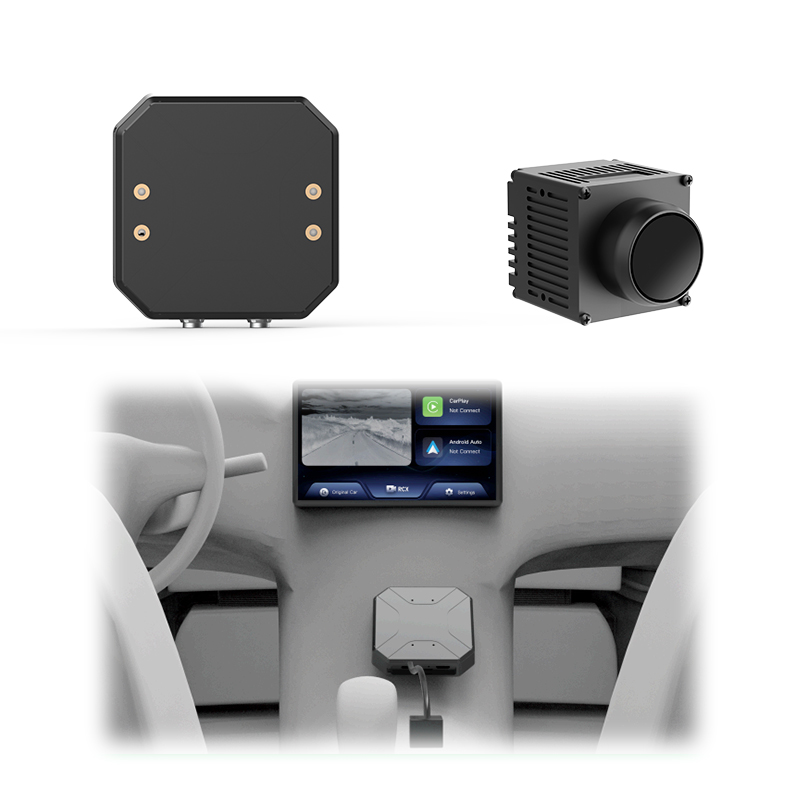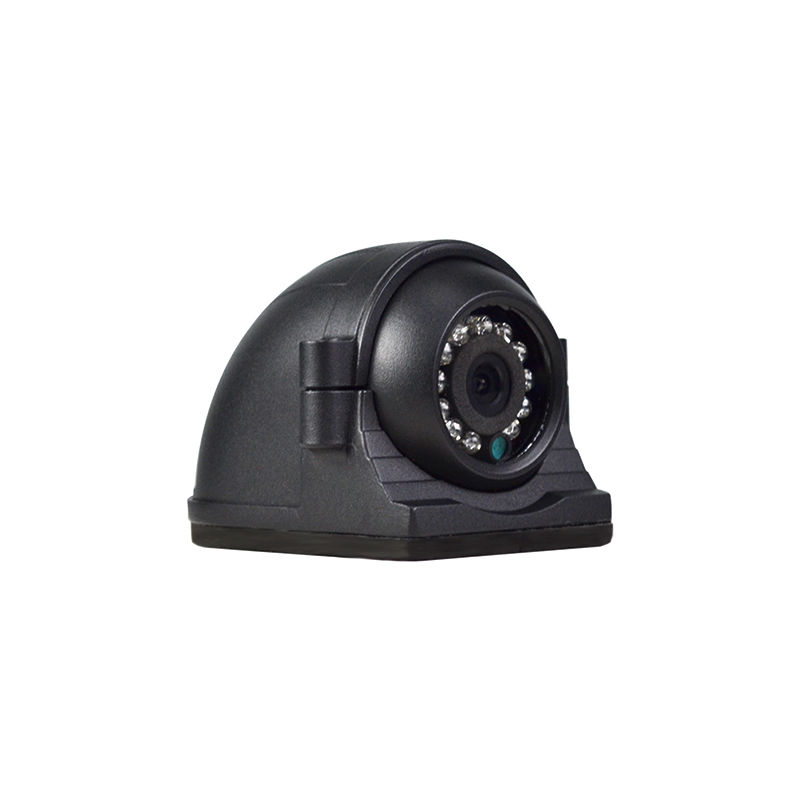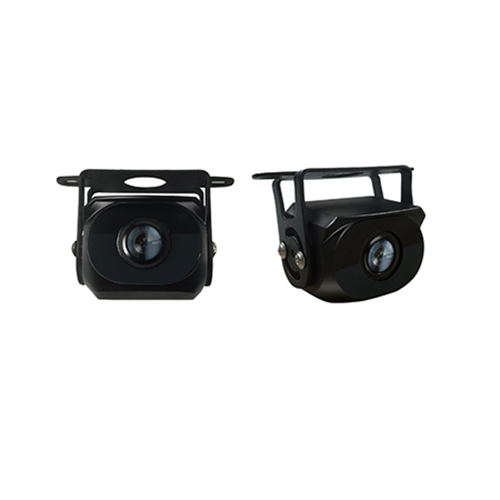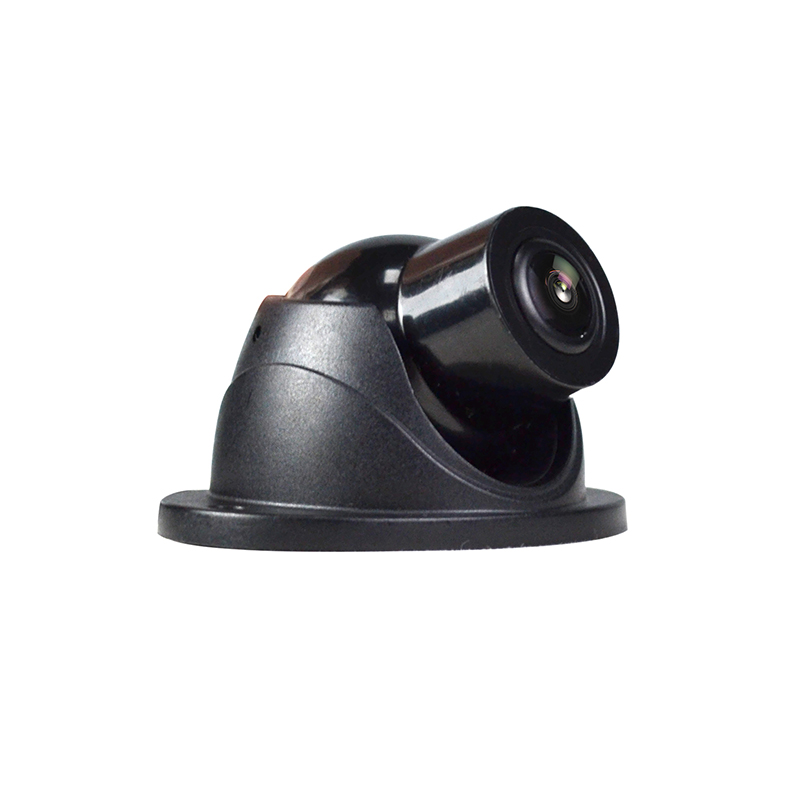


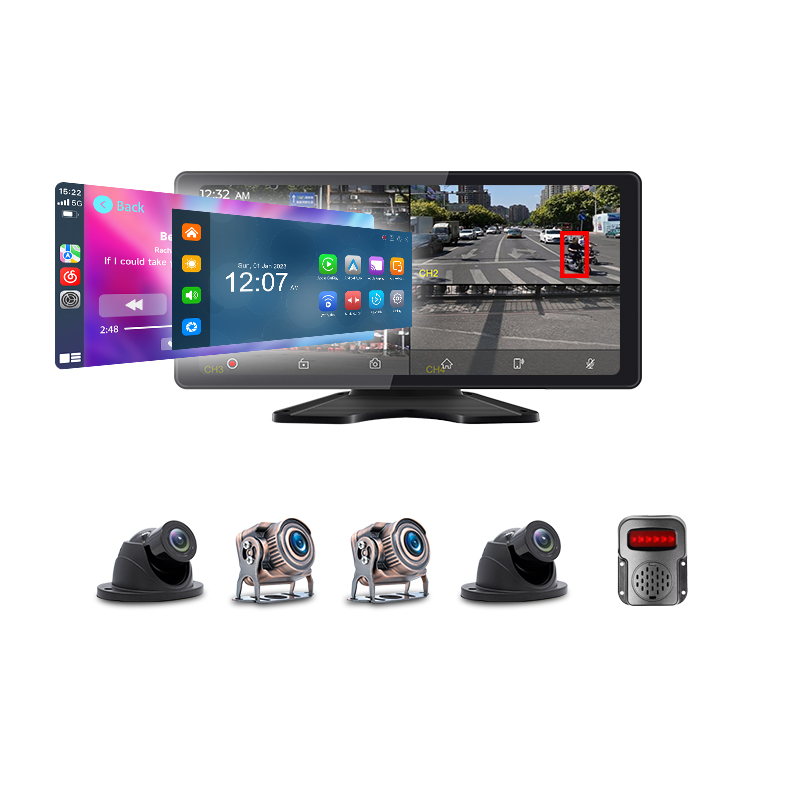
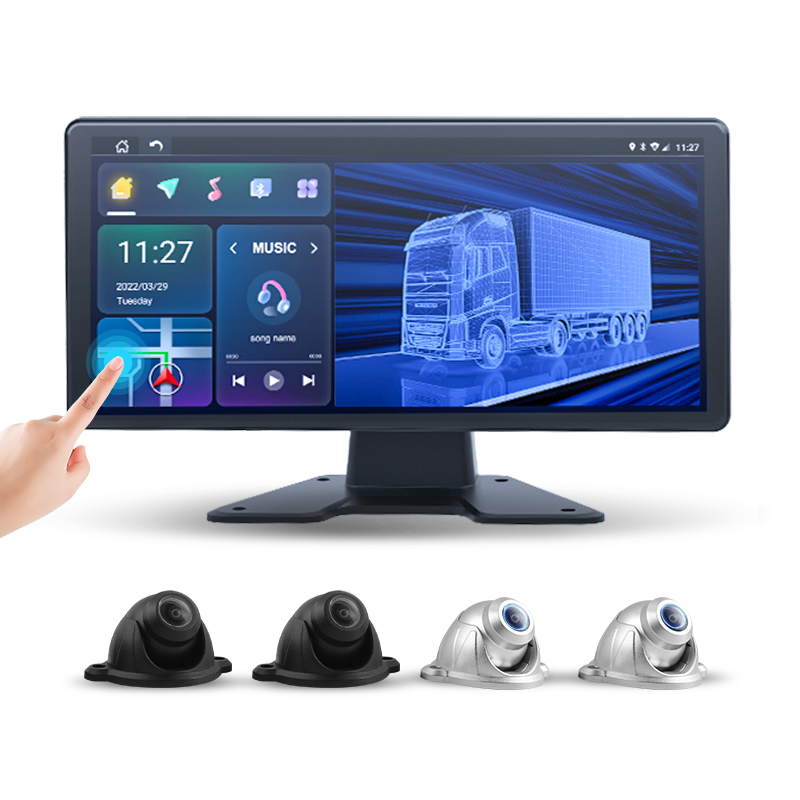
IP67 and IP6K9K look like neighbours on a spec sheet. They test for different things. A camera rated for one can fail the other. For a vehicle working outdoors, the difference decides which rating is the one to trust.
Both are ingress protection ratings, the two-part codes that say how well a sealed device keeps out dust and water. They come from different standards. IP67 is written in IEC 60529, the general standard used across electronics. IP6K9K comes from ISO 20653, the standard written for road vehicles. The codes share a shape, so they read as close relatives. The water test behind IP67 and the one behind IP6K9K are built for threats that have little to do with each other.
The first digit means the same thing in both. A 6 means dust-tight, with no ingress of dust after a long test, the top of the dust scale. On a vehicle camera that part is rarely the argument. The argument is the second digit, the water digit, where IP67 says 7 and IP6K9K says 9K. Those two figures describe water attacks with almost nothing in common.
Mixing them up has a real cost. A buyer who reads IP67 as proof a camera survives a pressure-washer is wrong. A buyer who dismisses IP6K9K because it lacks a 7 can pass over the rating that fits the vehicle. Taken apart test by test, the two stop looking interchangeable: IP67 answers submersion in still water, IP6K9K answers the pressure lance a depot uses. Past both sits the leak no IP code tests for.
An IP code is two characters after the letters IP. The first is the solid-particle rating, on a scale to 6. The second is the water rating, on a scale that runs to 8 in the general standard and adds higher steps in the vehicle one. Read straight across, IP67 and IP6K9K both open with a 6 and both close on a high water figure, so a quick glance files them as much the same. That quick reading misfiles two documents written against different threats.
The K is the giveaway. It marks the rating as coming from ISO 20653, the road-vehicle standard, which adds steps the general IEC scale never carried. IP6K9K is a vehicle rating through and through. IP67 is a general-electronics rating that happens to be quoted on plenty of vehicle parts. Once the source standards are clear, the two water tests pull apart fast.
IP67 comes from IEC 60529. The 7 means the device survives temporary immersion. The test lowers the sealed unit into water, to a depth of one metre measured to the top of the device, then leaves it there for thirty minutes. If no harmful quantity of water gets in, it passes. That is the whole of what the 7 promises: a still soak, at shallow depth, for half an hour.
The pressure in that test is gentle. A metre of water is about a tenth of a bar above the surface, a steady push with no force behind it. The seal has to hold back a slow, even pressure, the kind that finds a gap and seeps through it. A device that passes IP67 has shown it can sit in a puddle or a brief flood and keep its insides dry. It has not been tested against water that arrives with any force at all.
The 7 has edges a buyer should hold in mind. It is one metre deep and half an hour long. A deeper or a longer immersion is a separate test the rating does not cover. The water is still throughout, so nothing in IP67 speaks to water that moves. The promise is exact and narrow: a shallow, still, half-hour soak, with nothing claimed past that.
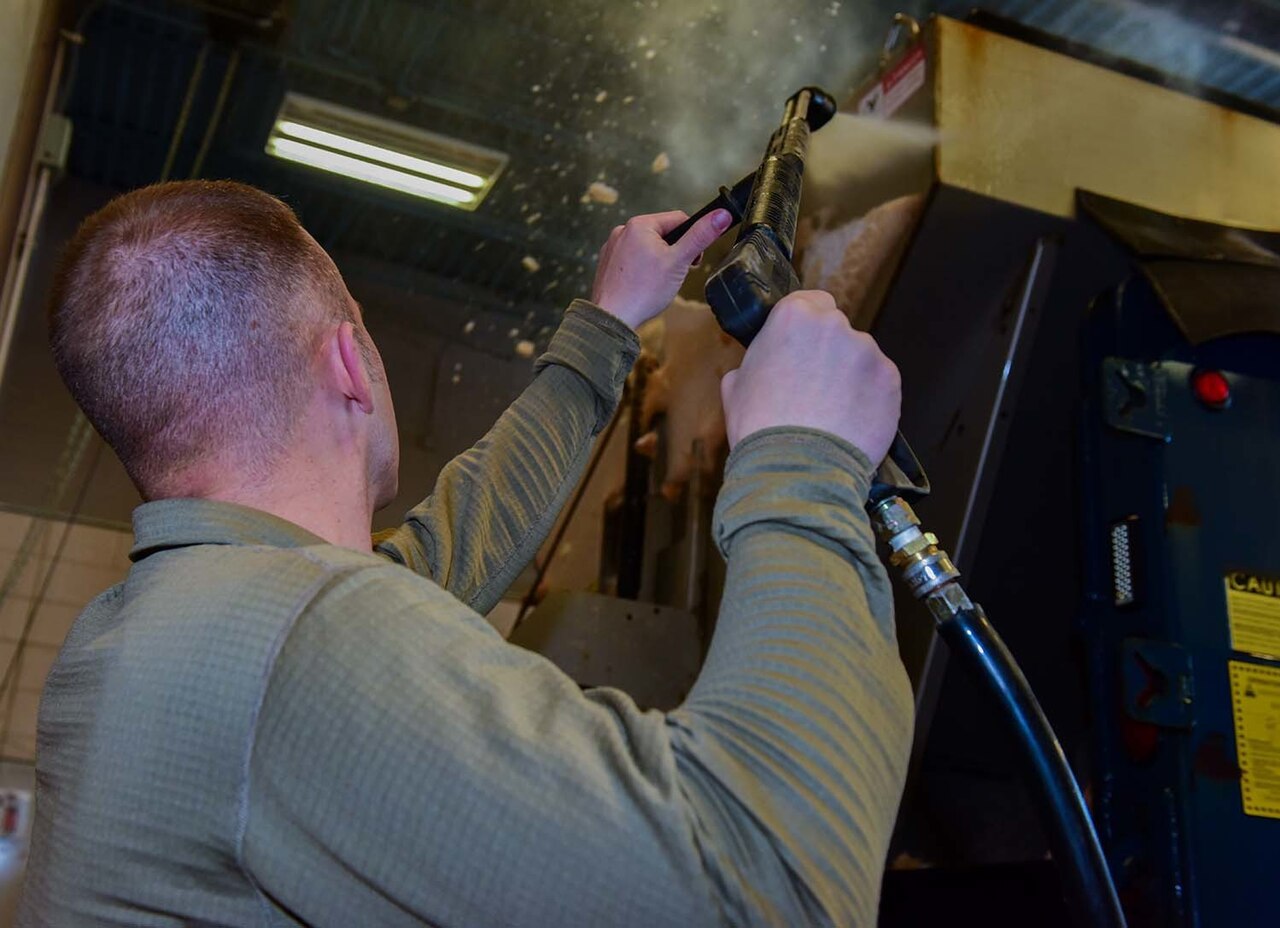
The 6K9K rating comes from ISO 20653. The 9K describes a wholly different attack. The test fires a jet of hot, high-pressure water at the device from close range, with no standing water involved at all. The water is heated to around eighty degrees. It leaves the nozzle at a pressure on the order of eighty to a hundred bar, hundreds of times the gentle push of the IP67 soak. The jet strikes from a set of fixed angles, the device turned so every face takes a hit.
It models the pressure-washer wash, written for the way a vehicle is cleaned and the way road spray reaches it on the road. A seal that holds it has to keep out water driven hard enough to probe every join and find any weakness. The 6K in front carries its own meaning from the same standard, a dust-tight grade checked under the harsher conditions ISO 20653 sets for vehicle parts. Together the code describes a device meant to be hosed down at the depot and to keep working through the filth it meets between washes.
Set the two tests next to each other and the gap stops being a matter of degree. IP67 is still water, one metre deep, for thirty minutes. The load on the seal is a steady tenth of a bar, the weight of the column above it, nothing more. The device does one thing for half an hour: it keeps that slow, even pressure from seeping through a join. What this test catches is the slow leak, nothing faster.
IP6K9K reverses every term of that. The reversal is where the two ratings stop being comparable at all. The water moves fast, leaving the nozzle at eighty to a hundred bar. It is hot, near eighty degrees. The lance works close, on the order of ten to fifteen centimetres from the part, around fourteen to sixteen litres a minute, roughly half a minute at each set angle. It strikes those angles in turn, so the housing is struck face by face, never loaded evenly all over. The short duration takes nothing away from the test, since a hundred bar of focused, heated water does more to a seal in those seconds than the gentle soak does in its half hour. The measure here is force more than time. The reason a seal passes one test and fails the other lies in how each kind of water beats it. Still water works slowly, finding the one slow path and following it, so a seal built for IP67 is rewarded for closing every slow leak evenly along its length. The jet works by force, striking a single spot hard enough to deform a gasket or drive past a lip that still water would never have troubled, the heat softening that gasket as the pressure works. The two demands pull a seal two ways. The soak wants a soft, continuous gasket that closes on every face under a light, even load. The jet wants a stiff, hard-clamped seal that holds its shape under a concentrated blow. A housing tuned hard for one is the wrong shape for the other. The place a jet finds first is rarely the broad flat face of a seal. It is the awkward geometry of a housing: the corner where two gasket runs meet, the gland where a cable enters, the clamp ring that holds the lens. A flat soak loads all of these the same gentle way, so a weak corner slips through unseen. A jet aimed into that corner lands a hundred bar on the one spot least able to take it. That is why the housing is turned through the 9K test to meet the nozzle from every angle. It is also why the cable entry and the lens ring, not the broad seal, are where a marginal design gives way. A designer who has watched parts fail the jet learns to spend the effort there, on the entries and the corners, long before the easy flat faces. That unglamorous work on the entries and corners is what decides whether a housing survives its first depot wash or starts taking water from that day on.
The angle of the jet finds a weakness the soak cannot. Arriving from several fixed positions, it catches a join that holds against water from the front and gives to a strike from beneath, where the even soak loads every face the same and lets that weakness pass unseen. A seal can be directional, holding firm against a strike from one side and giving to the same strike from another. It shows up only under a jet aimed from the side it was never built to face.
Temperature is the overlooked half of the test. Eighty degrees sounds mild beside a hundred bar. The heat is what lets the pressure win. Heat softens a gasket that would otherwise hold its shape against the jet, until it begins to flow. The high-pressure water exploits exactly that softening. The 9K test pairs heat and pressure on purpose, because that is how a real wash and a hot summer road arrive together. A seal that passes cold can still give way once the water is warm.
Held together, the two pictures stop looking like neighbours. IP67 loads a seal slowly and evenly. IP6K9K loads it with a heated, high-pressure blow. A part can do one of those well and have been tested against the other not at all.
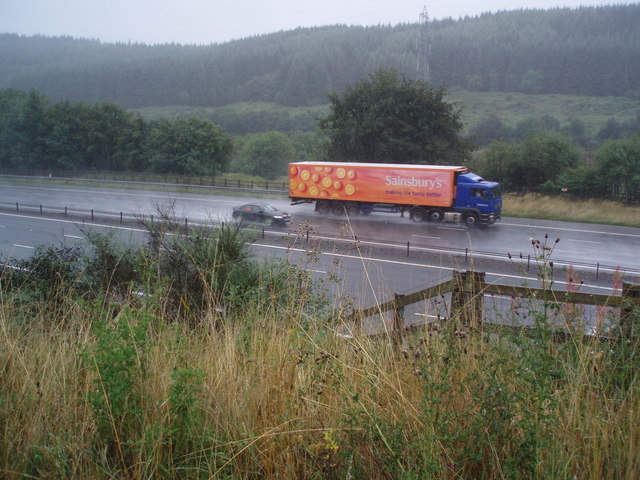
A commercial vehicle lives in the world IP6K9K was written for. Its cameras are washed with high-pressure lances at the depot, the lance held longest on a dirty lens until it looks clean. They are blasted by road spray thrown off its own tyres and everyone else’s, a fine high-speed mist that reaches every seam for hours at a stretch. They meet the grit-laden water off a wet motorway and the jet from a forecourt wash. None of that is a still soak. All of it is water arriving with force, the kind of attack the 9K test is built around, past what the 7 test covers.
So for an exterior camera on a truck or a bus, IP6K9K is the rating that maps to the real threat. On a camera rated only to IP67, a pressure lance drives water past the gasket in the seconds it takes to clean it, ending its life on the first proper wash, immersion sealing or not. The pressure rating on the spec sheet looked reassuring. The trouble is that it described a kind of water this vehicle never meets.
The immersion rating is not useless on a vehicle. It pays to be clear where it belongs. A truck that fords a flooded road, or a camera mounted low in a wheel arch where water pools and sits, does meet standing water. There the 7 is the test that applies. The plain position is that a good exterior part wants both: the jet rating for the daily wash and spray, the immersion rating for the wade and the pooled water. A part that carries only one of the two has been proven against only half the water a working vehicle meets.
The daily threat, for the great majority of cameras on working vehicles, is the jet and the spray far more than the puddle. That is the fact a buyer should carry into the spec sheet, since it decides which digit to insist on when only one is offered.
The failure plays out the same way on real fleets. A buyer specs a camera to IP67, reads the 7 as the strong-sounding figure, then fits it across a depot. The first week of pressure-washing drives water past a gasket the rating never tested against a jet. The cameras begin fogging and dying in ones and twos. The datasheet was honest and the rating was real. It answered a question the depot never asked. The lesson that follows, paid for in dead cameras, is to read the 9K as the figure that matters for a part that is hosed down as part of its working week.
Buyers who have learned to chase the highest IP number get caught out here. What kills an outdoor vehicle camera, more often than a flooded seal does, is the camera breathing water in through its own seal, as vapour, with the IP rating fully intact as it happens.
A sealed housing is a trapped pocket of air. That air expands and contracts with temperature. The sun beats on a black case and the engine warms it, so the air inside swells and pushes out past the seal. Night falls, or the truck drives into cold rain, so the air contracts and draws the outside in. What it draws in is humid air. When that damp air meets the cold glass of the lens it condenses, fogging the camera from the inside. No jet was involved, no immersion either. The seal did its job against liquid water. The water that got inside arrived as vapour, which no IP code measures.
The fix is a vent. A breathable membrane, the kind sold under names like Gore, lets air pass to equalise the pressure and still blocks liquid water and dust. A housing with a working vent breathes through the membrane, sparing its seal, so the pressure never builds. The seal is never strained, the moist air never drawn past the glass. The best outdoor cameras pair a high IP rating with a vent for exactly this reason. A camera that fogs after a cold night is usually one that was sealed without ever being vented. The lesson is that a high IP code and a clear picture in the morning are two different promises. Only the first is on the label.
A vent asks for its own care. The membrane that lets air pass can clog with road grime or paint over the years. A blocked vent sends the housing back to breathing through its seal, back to the fogging it was meant to cure. Good designs place the vent where spray and dirt reach it least. A fleet that has chased fogging learns to treat it as a part that can fail in its own right.
A rating certifies the part as it leaves the factory, sealed and tested as one unit. The vehicle then drills it to a panel, runs a cable to it and joins that cable to a harness behind the trim. Every one of those steps is a chance to undo the seal the rating certified. A connector mated in the wet, a gland left finger-tight, a grommet skipped on a drilled hole: each lets water straight into the enclosure the 9K test proved watertight.
So the rating is real. It is also only as good as the hands that fit the part. The best housing on a careless install fogs and corrodes like a cheap one. A sound install carries a modest rating a long way. A fleet that takes water seriously specifies the rating and the fitting together, treating the cable entry and the connector as part of the sealed system from the start, planned in before the camera goes on the bracket.
An IP rating is measured once, on a new part, in a lab. The seal it certifies is a fresh gasket clamped at the torque the factory set. What a fleet runs is that same part three years later, after the gasket has lived through everything the rating was never asked about. By then the seal on the box and the seal on the vehicle are no longer the same seal.
Rubber ages. A gasket that was soft and compliant when the housing was first sealed hardens as heat and ultraviolet work on it over the seasons, losing the give that let it close on every face of a joint. A hardened gasket keeps its shape, no longer conforming, so a join it once closed under a light even load begins to pass a thread of water. None of this reaches the label, which was written before any of it had a chance to happen.
Temperature cycling drives that ageing faster than the calendar alone would. A camera on a working vehicle is heated by sun and engine through the day and chilled again at night. Every cycle flexes the gasket a little, working it the way bending a wire back and forth eventually tires the metal. After enough cycles a seal that passed its jet test when new no longer clamps the way the test assumed. The rating printed on the housing now describes a part the vehicle is no longer carrying.
Salt does its own damage, wholly outside what an IP code measures. A vehicle worked near the coast or driven on roads salted through winter meets a brine no IP test ever involves. Salt corrodes the connector pins, the screws that hold a housing shut and the metal of a cable gland, until the mechanical clamp behind the seal loosens and a part that was watertight on day one weeps at a joint no jet ever reached. An IP rating speaks to water and dust, leaving corrosion outside what it measures, so a camera can hold its rating on paper and still rot its way to a leak in service.
The working lesson for a fleet is to read an IP rating as a claim about a new part. An old one will have drifted some way from it. An operator who takes water seriously checks the seals and the connectors on a schedule, retorques what has worked loose and replaces a housing whose gasket has gone hard, treating the printed figure as one measured years and many thousand heat cycles ago.
A third code adds confusion. It needs a line of its own. IP69K is the same high-pressure, high-temperature jet test, seen on the same kind of rugged equipment. The practical content of the 9K step is the same jet. The difference sits in which standard a maker cites and how the first digit is written, with IP6K9K tied cleanly to ISO 20653 and IP69K reaching the market through the related vehicle-rating lineage. For a buyer the working takeaway is plain: a 9K on the end means the part has faced the pressure-washer jet, whichever of the two codes carries it. The trap to avoid is treating IP67 and IP69K as a matched pair of numbers, when it is the jet step, the 9K, that tells you a part can take a depot wash.
Both codes are about dust and water, nothing else. Neither says a thing about whether the camera makes a good picture, holds focus in the cold, or survives the vibration of a chassis over years. A housing carrying IP6K9K can still cook its sensor in a sealed black case under the sun, or fog it on a cold night through the breathing problem above. The rating is a seal test, making no claim on quality. A strong IP code wrapped around a weak camera is a waterproof box holding a poor image.
The ratings also stop at the edge of their own test. IP67 covers a half-hour metre-deep soak and claims nothing about a deeper or a longer one. IP6K9K covers the jet and the dust. A part that has only faced the jet has not been shown to outlast a long immersion. The narrowness is deliberate: each code certifies the exact test behind it and claims nothing past that edge. A buyer who treats a rating as a promise about anything outside its own test has read into it what was never there, which is how a sealed, unvented camera gets bought on the strength of a rating that never addressed fog in the first place.
The discipline on a spec sheet is to match the rating to the threat the part will meet. For an outdoor camera on a commercial vehicle, look for a 9K, since the jet and the high-speed spray are the water it will face day to day. Treat a lone IP67 on an exterior part as a prompt to ask how it survives a pressure wash, because the rating does not answer that. For a part that genuinely wades, an immersion rating is the one that applies. The strongest exterior housings carry evidence of both kinds of test, plus a vent for the fog.
One more habit separates a careful buyer from a hopeful one: ask for the proof behind the number. An IP code is trustworthy to the degree the test report behind it is. A serious supplier can produce that report, the standard it was tested to and the lab that ran the test. A code printed with no report behind it is a claim with no result behind it. On a part facing years of depot washes, that gap is one to close before the order goes in.
Above all, read the code as the precise promise it is. A high IP number is a seal that passed one defined test, no more and no less. The buyer who knows which test sits behind IP67, which sits behind IP6K9K, and which problem sits behind neither, is the one who can tell a rating that fits the vehicle from a number chosen to look reassuring on a page.
Neither is the better one outright. They test different things. IP67 proves a device survives still immersion, one metre deep for thirty minutes. IP6K9K proves it survives a hot, high-pressure water jet from close range. For an outdoor vehicle part the jet is the daily threat, so IP6K9K maps to it better. A strong exterior housing carries both.
Yes. The reverse is true as well. A seal that holds back a tenth of a bar of still water can be driven open by a hundred bar of moving water. A housing built for the jet may never have faced a long soak. The two tests load the seal differently, so one result does not predict the other.
The K marks the rating as coming from ISO 20653, the road-vehicle standard. The general IEC 60529 is the gentler family it grew from. It signals the harsher conditions that standard sets for the dust and water tests on vehicle parts, including the high-pressure 9K jet step the general scale never carried.
The 9K step is the same high-temperature, high-pressure jet test in both. The difference is which standard lineage is cited and how the first digit is written. For a buyer the practical meaning is the same: a 9K on the end means the part has faced the pressure-washer jet.
Because fogging is not a seal failure that an IP test measures. A sealed housing breathes as its trapped air heats and cools, drawing humid air past the seal, which then condenses on the cold lens. The fix is a breathable vent membrane that equalises pressure and blocks liquid water. A higher IP number does nothing for it.
An exterior camera on a truck or bus should carry a 9K rating, since it will meet pressure-washing and high-speed road spray sooner than a still soak. A lone IP67 on an outdoor part is a reason to ask how it survives a pressure wash. A part that wades through standing water benefits from an immersion rating too. A vent guards against fog.