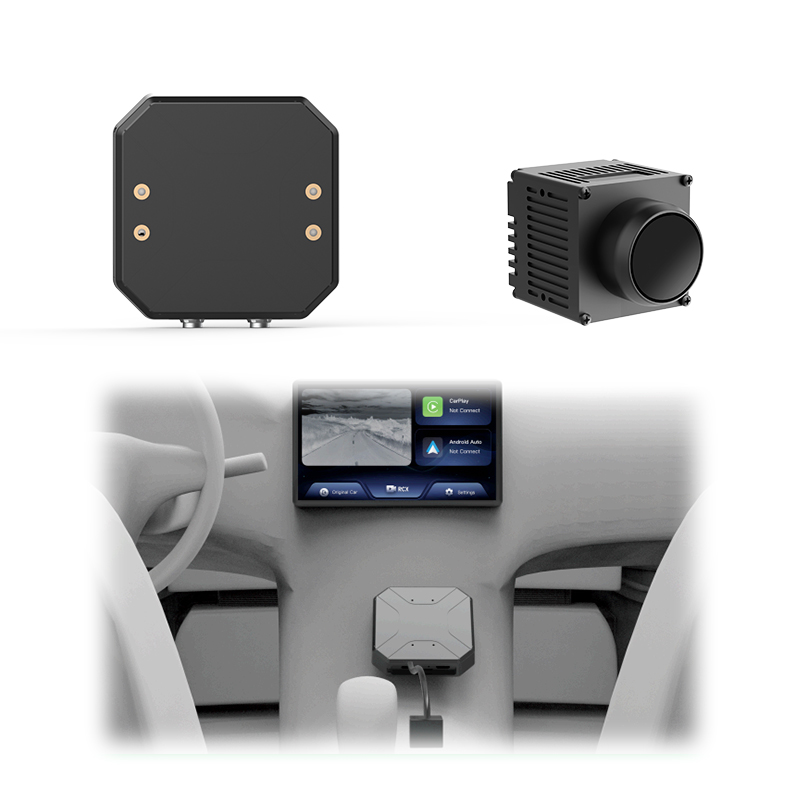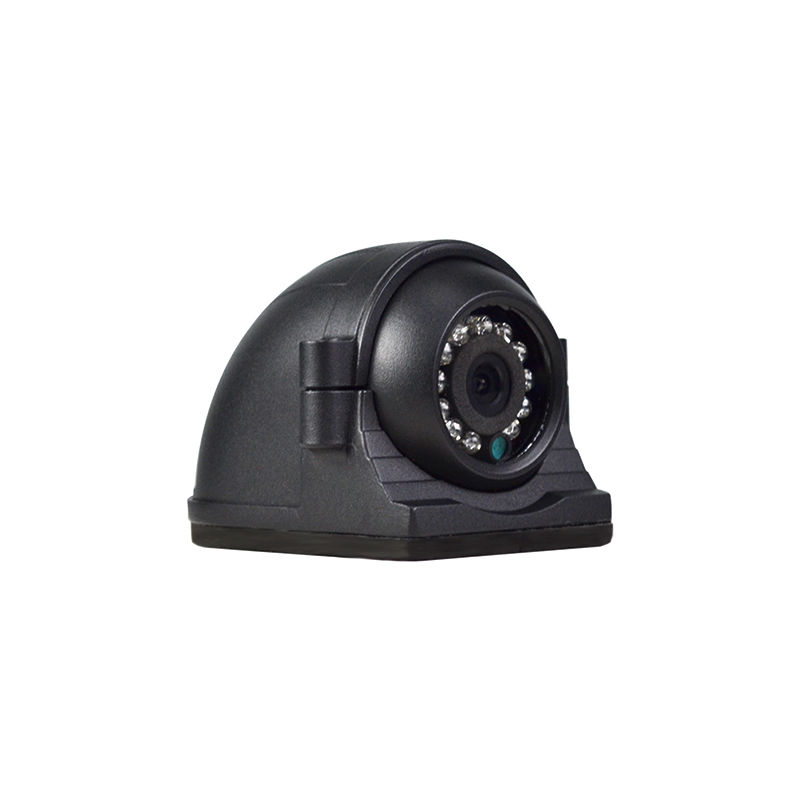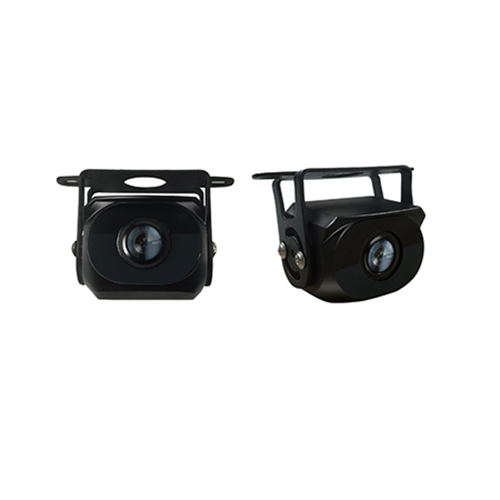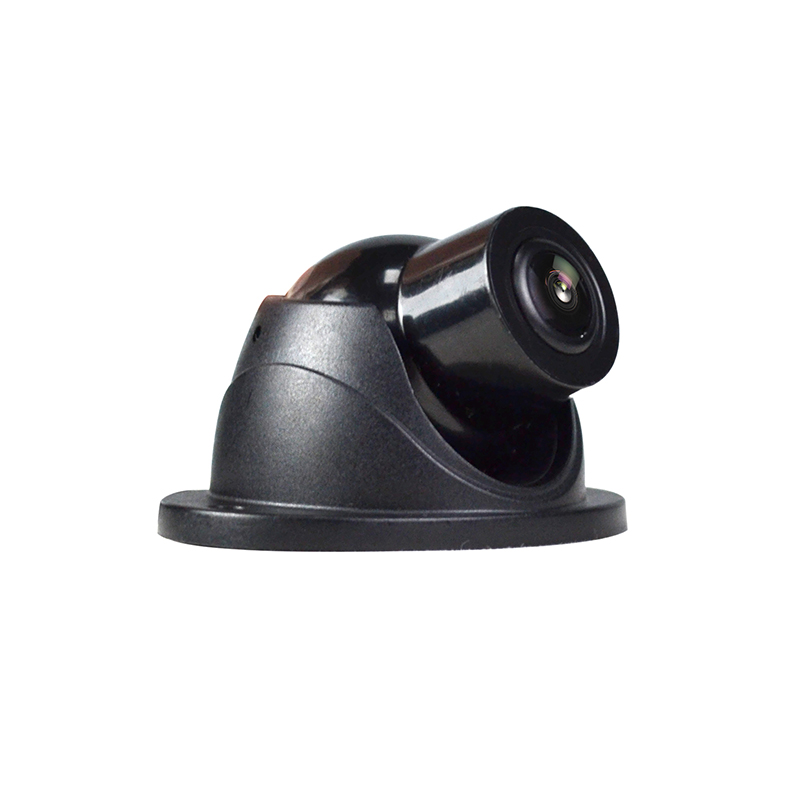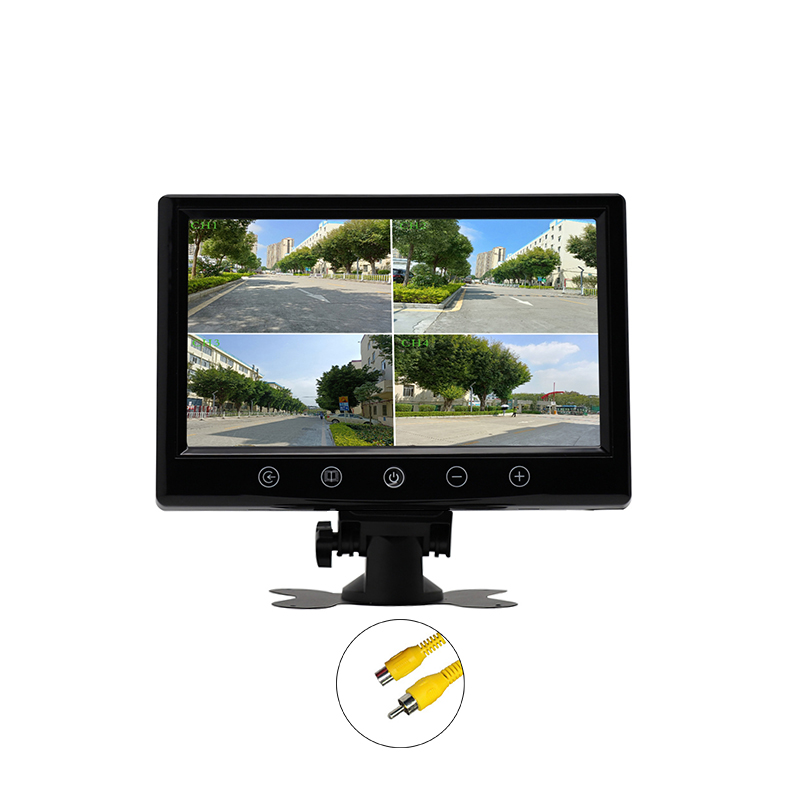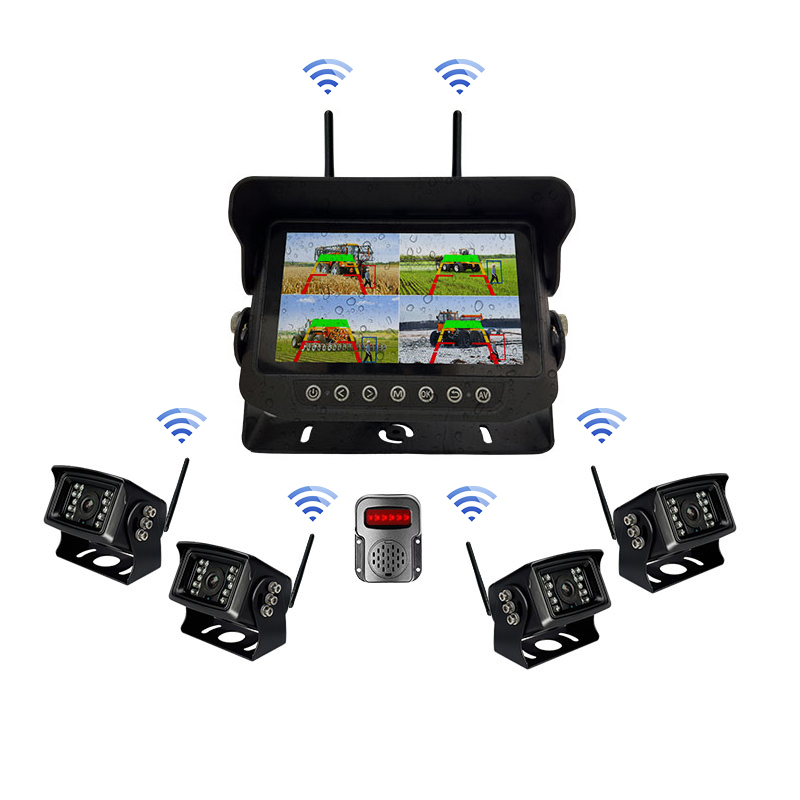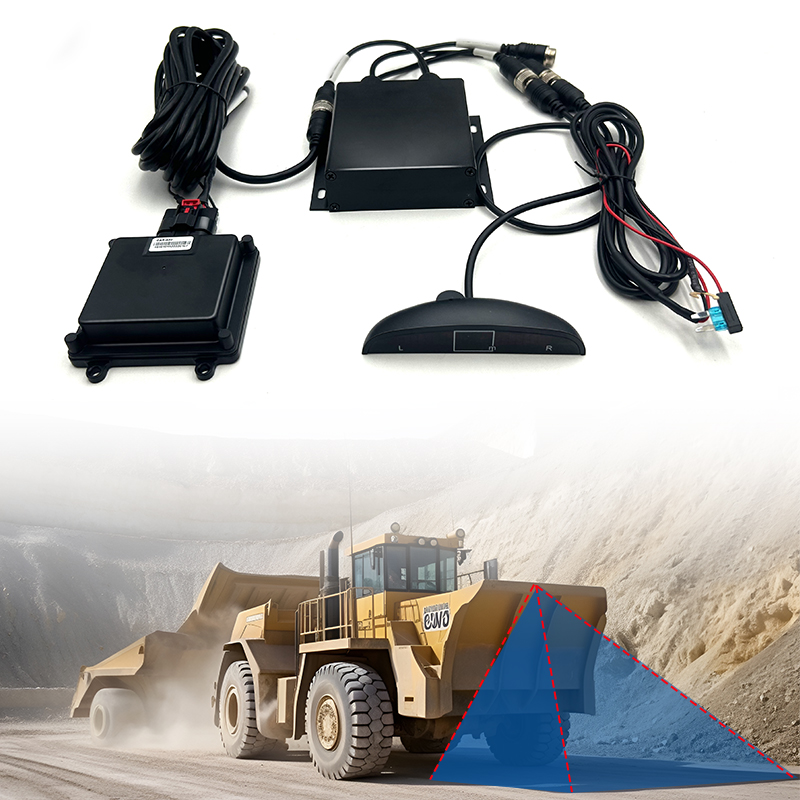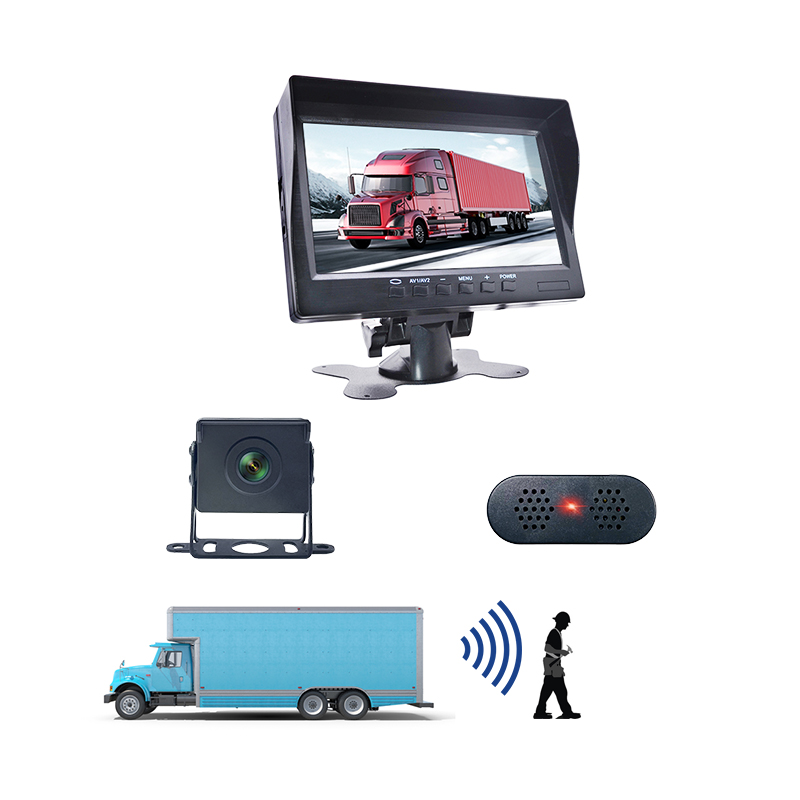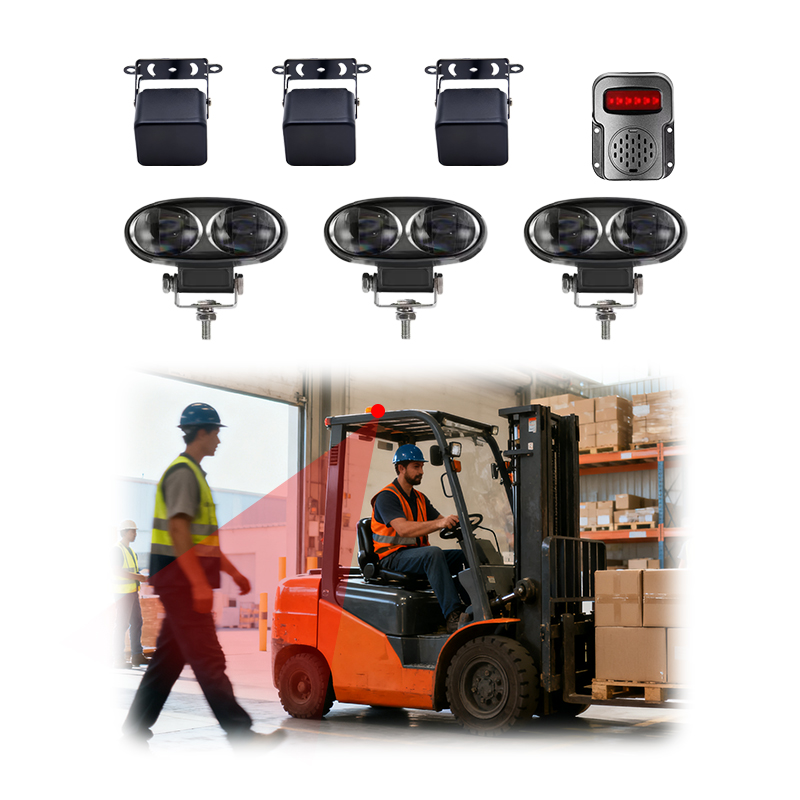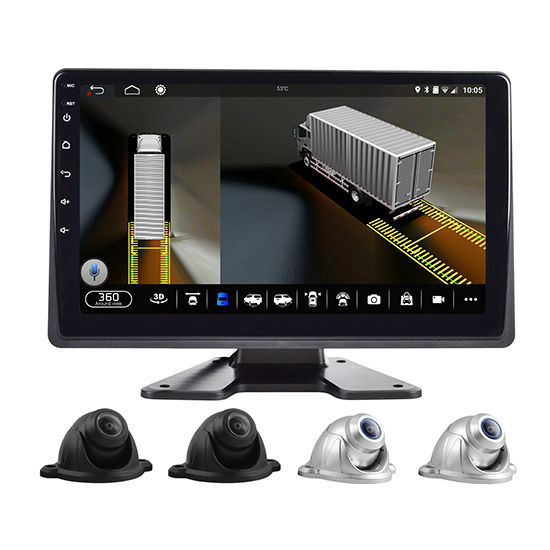

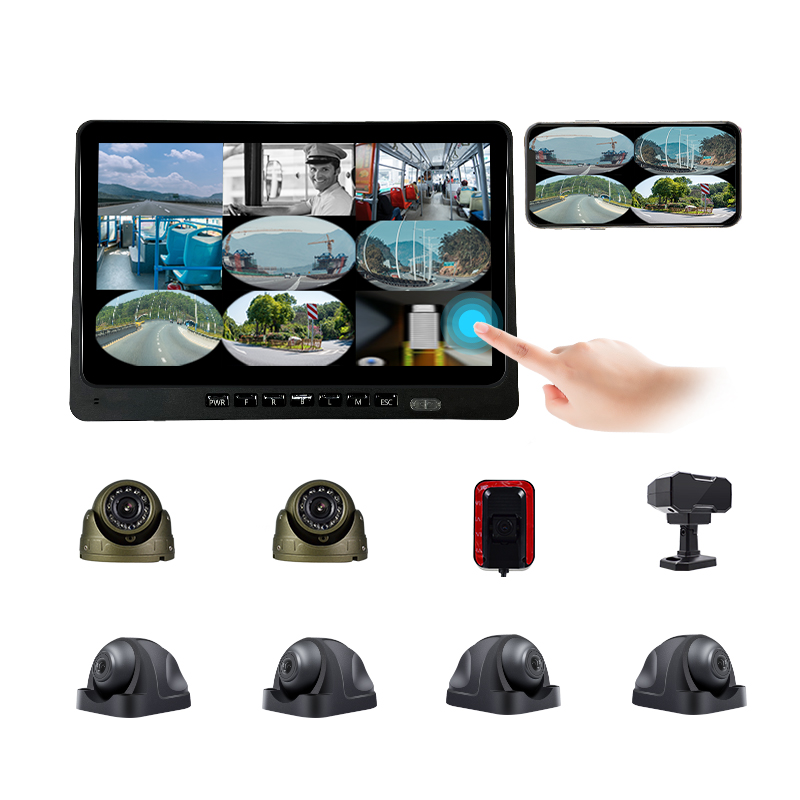
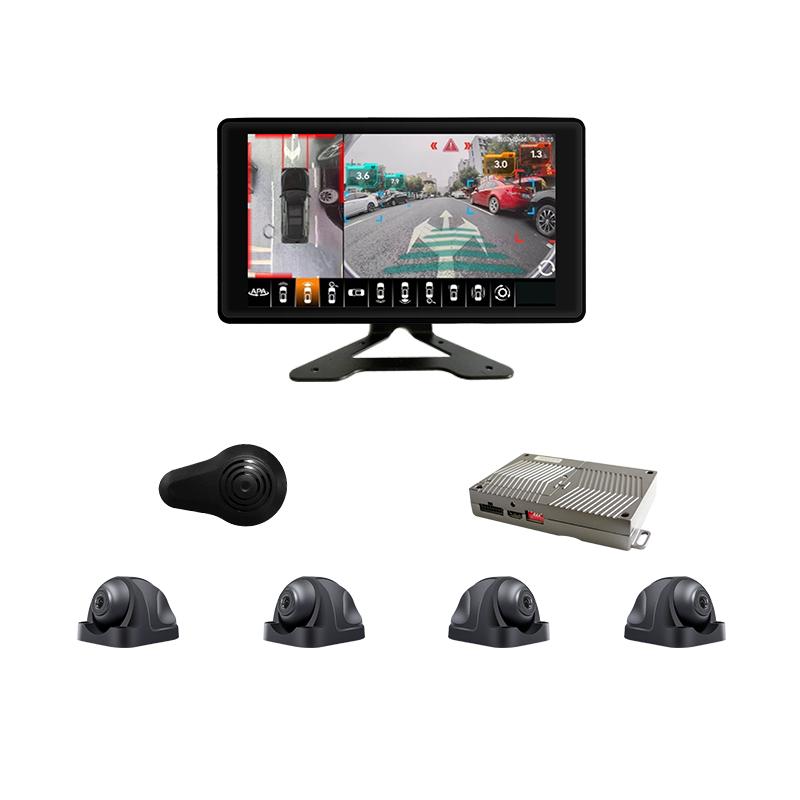
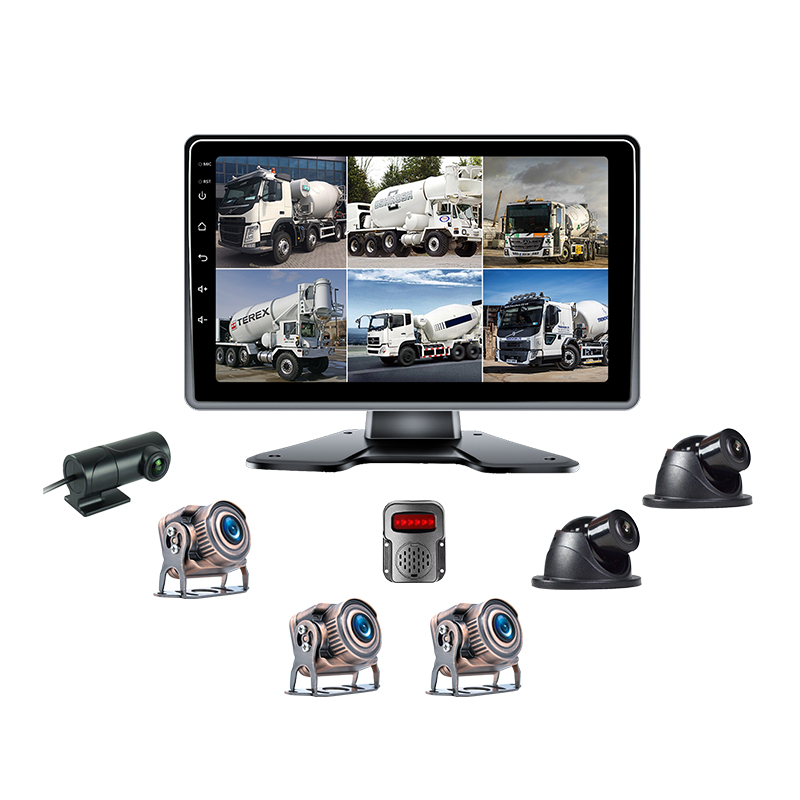
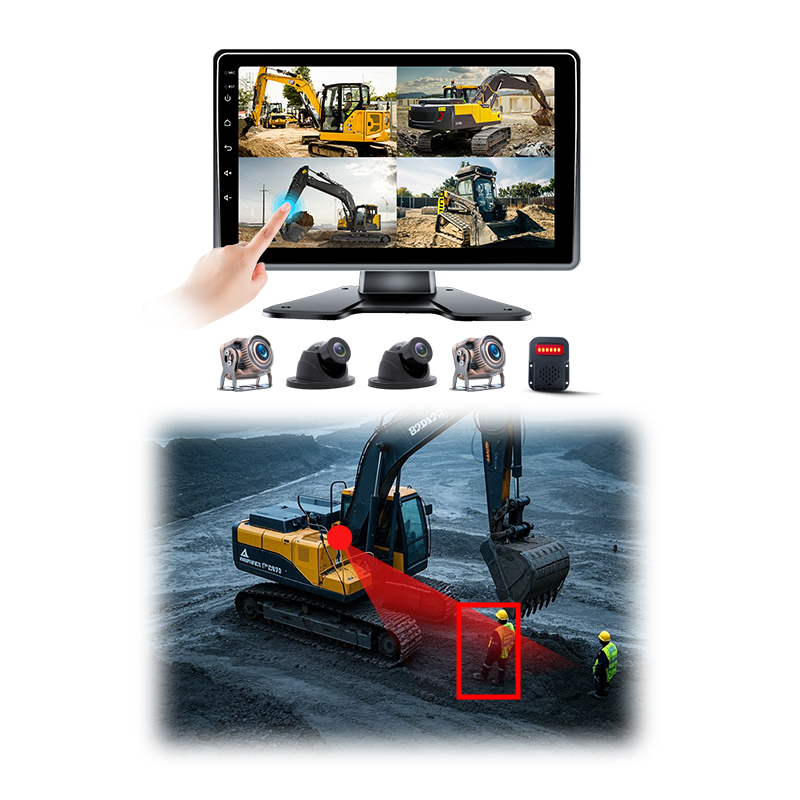
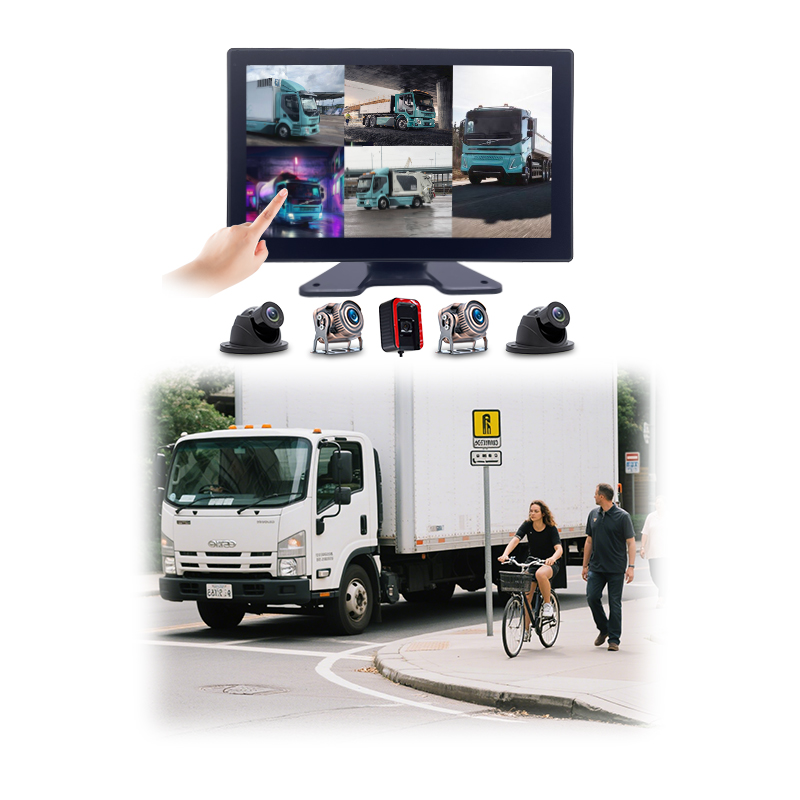

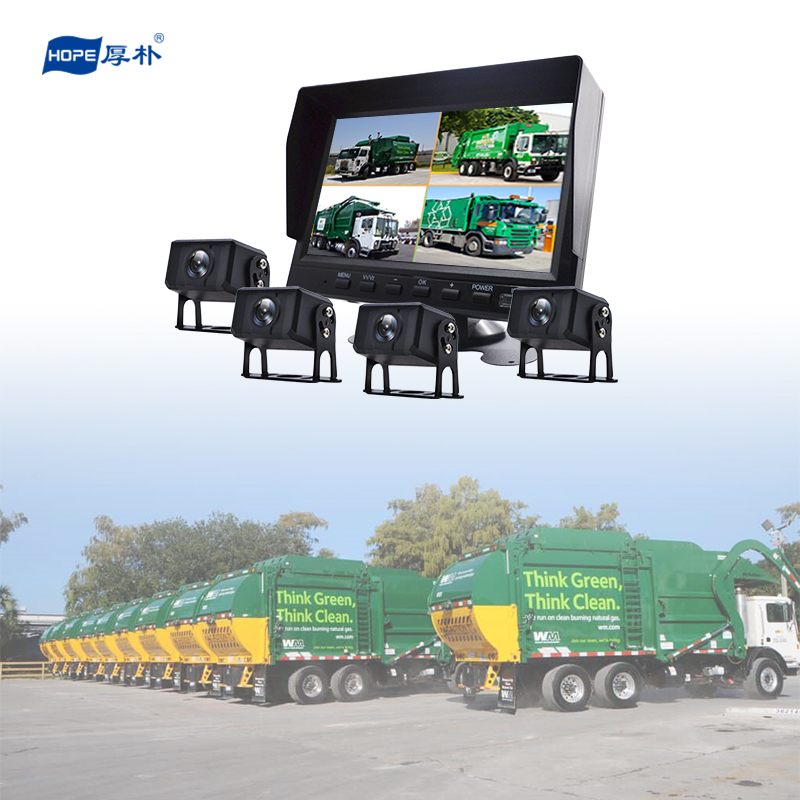
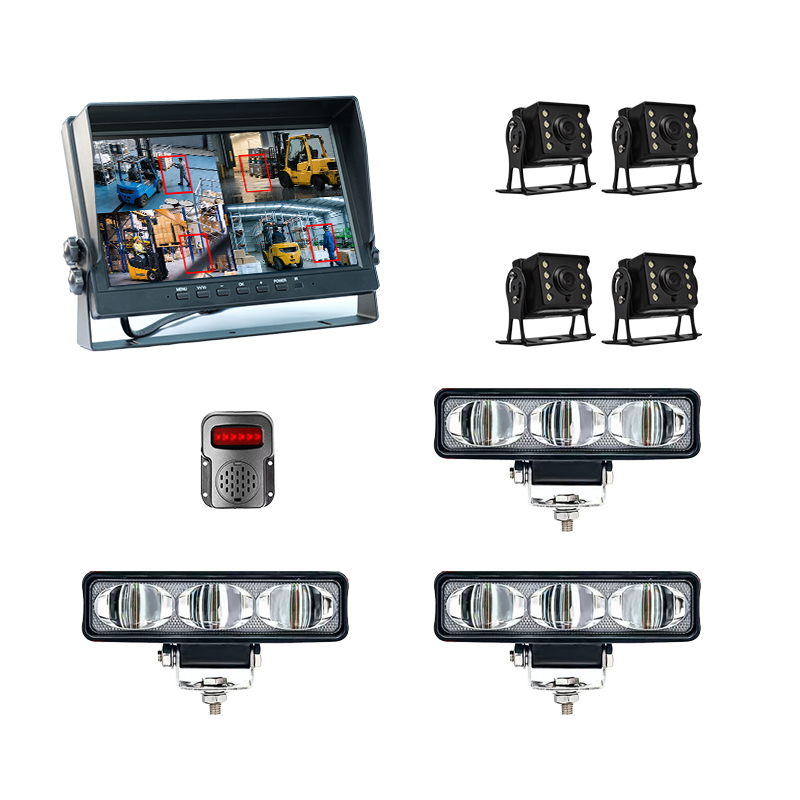
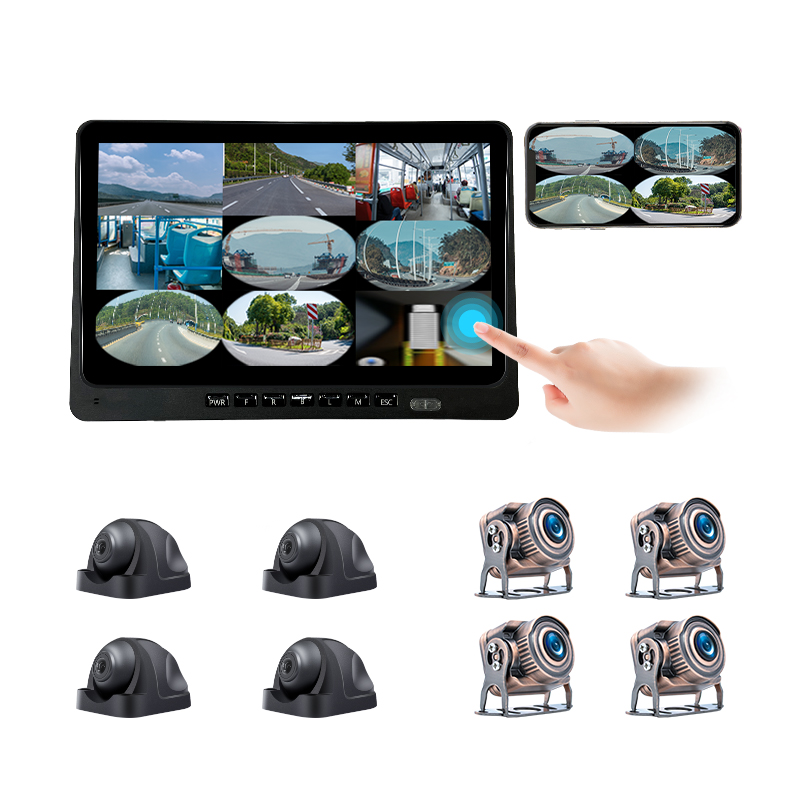
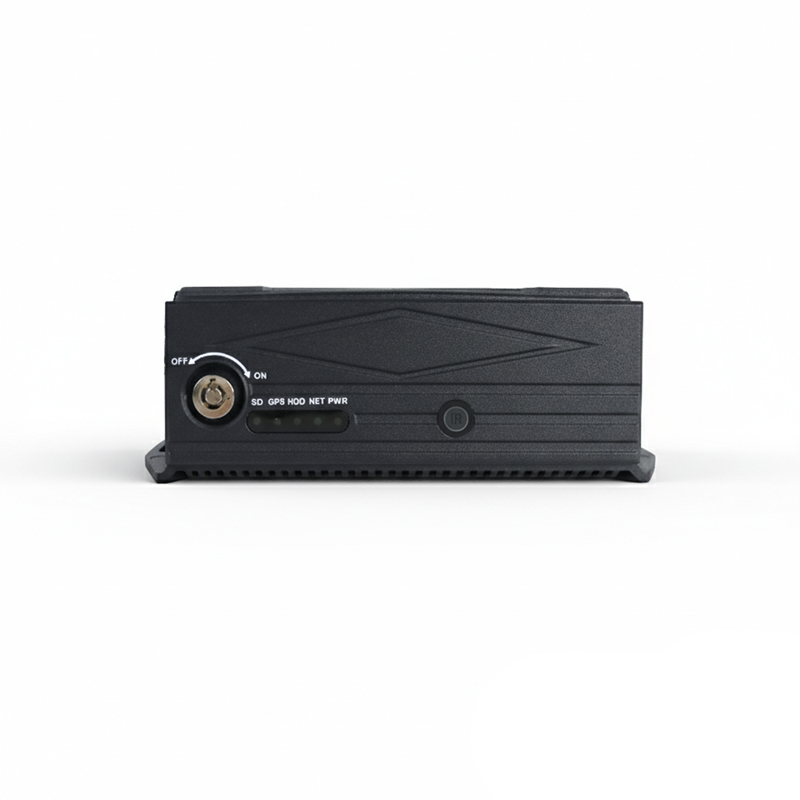
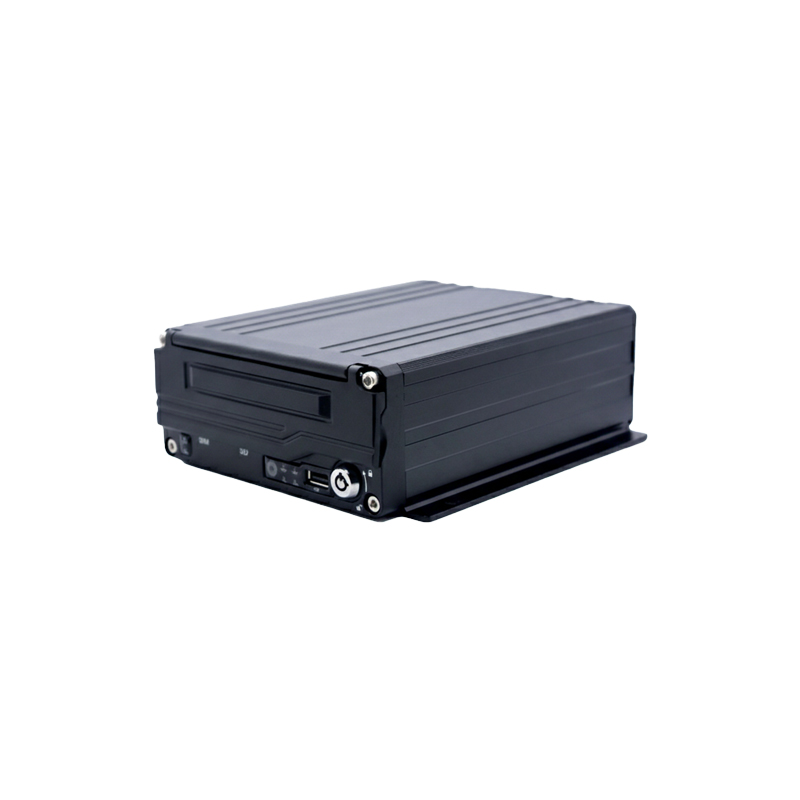
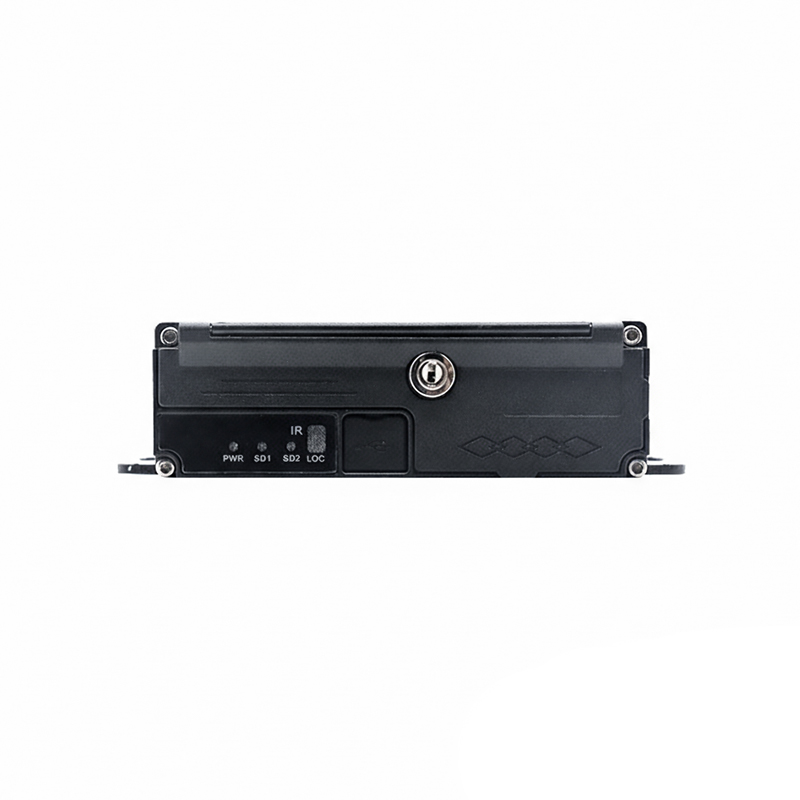
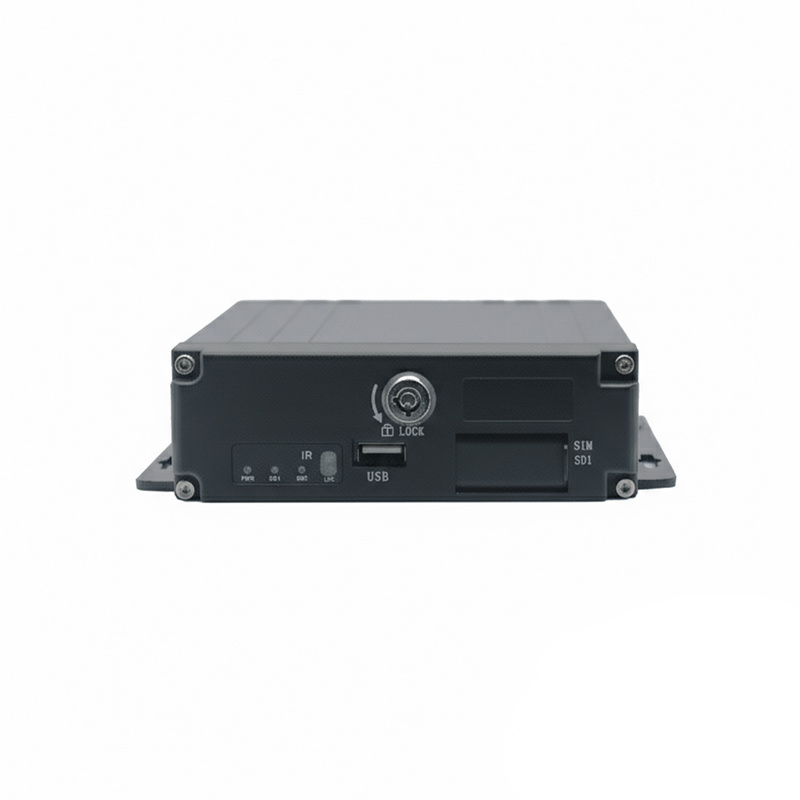
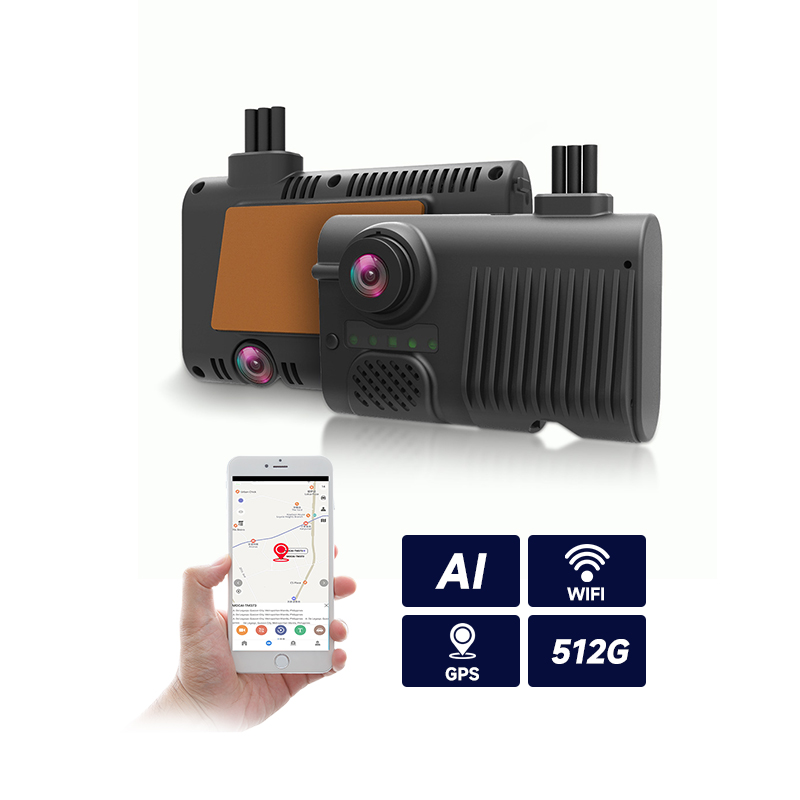
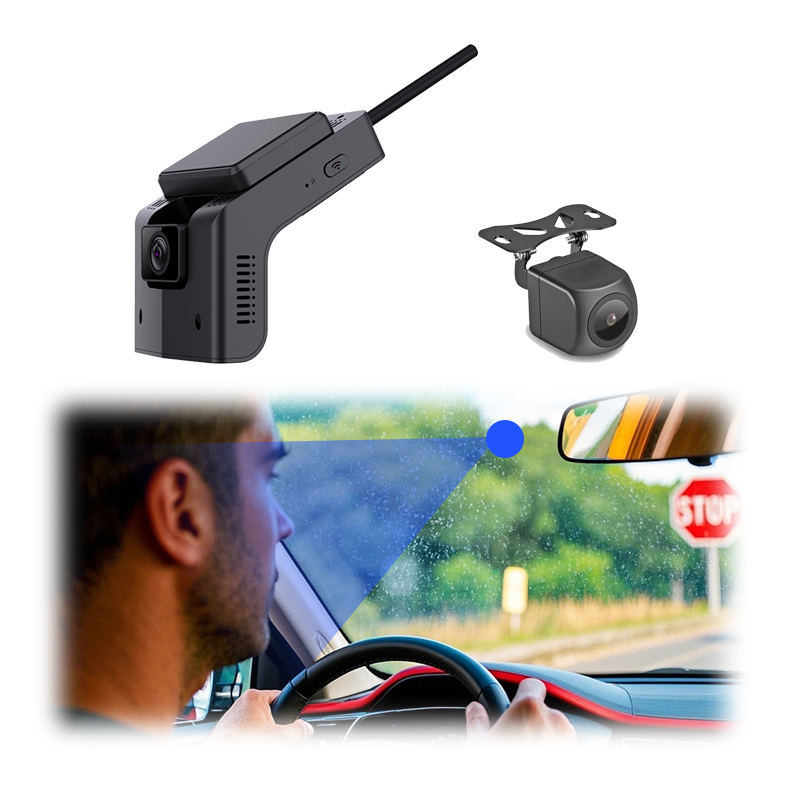
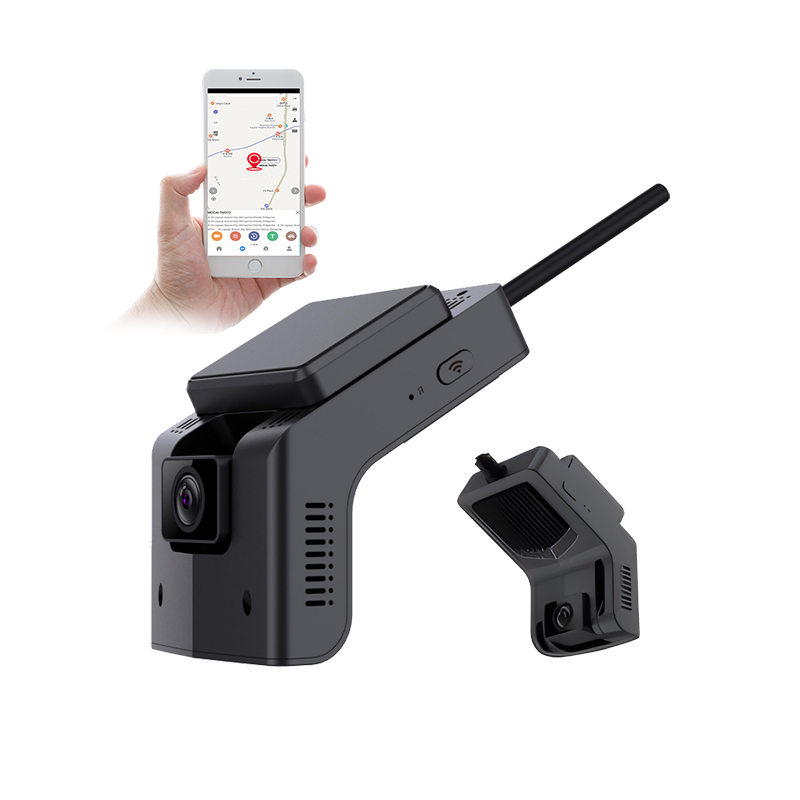
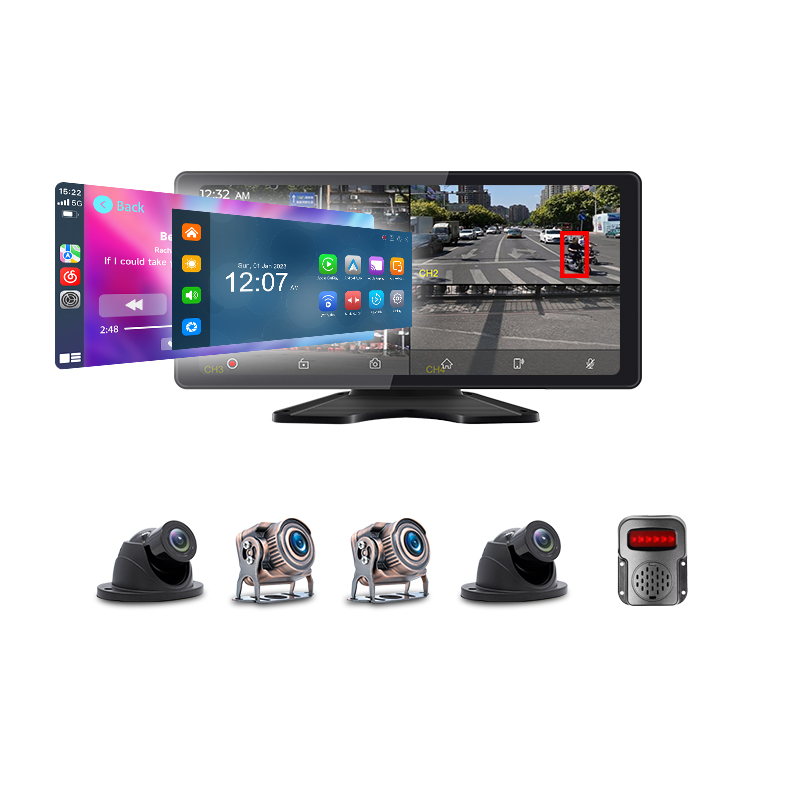
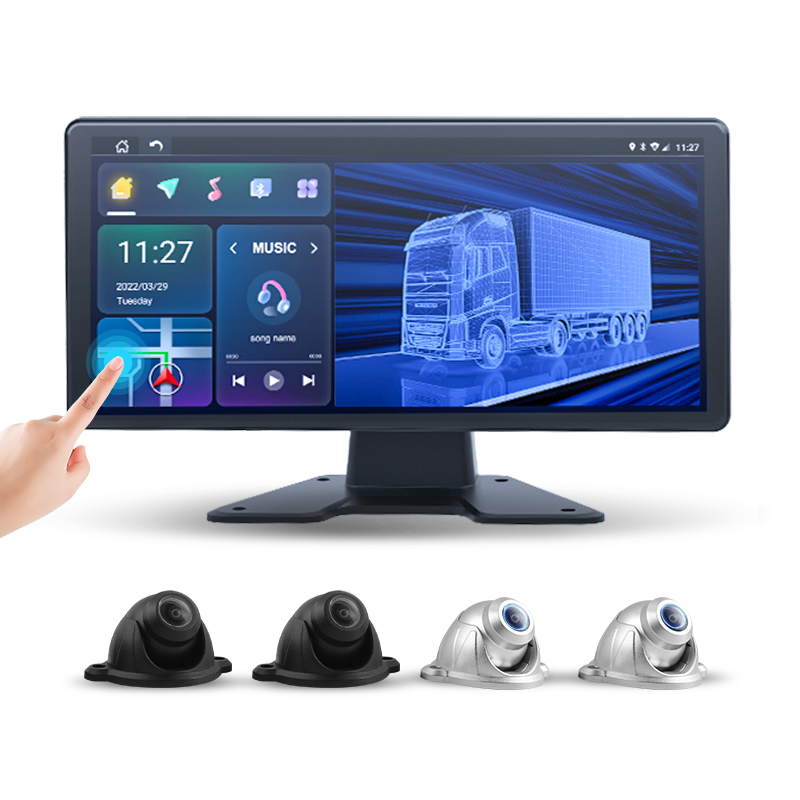
The host is the device that records to a standard and answers to a provincial regulator when an inspector pulls a clip three months after the fact.
Strip a four-channel commercial system to its core and a single board carries the weight. It takes in four analog or AHD video feeds, encodes them, writes them to removable storage on a loop, stamps each frame with time and GPS position, and holds a connection to a cloud platform that a regulator can reach.
Four channels at a useful resolution, written to a card or a drive, overwriting the oldest footage when the medium fills. The loop length depends on resolution and storage size, and a fleet that wants thirty days of retention sizes the storage to the bitrate. Encoding efficiency decides how many days fit.
Once footage has to leave the vehicle, the host stops being a recorder and becomes a regulated node. In China that means talking to a government platform in a fairly specific way. JT/T 808 is the dull but load-bearing layer: the terminal registers and signs in, then keeps the link alive with a heartbeat and the occasional position report. JT/T 1078 sits on top and handles the video side, the live streaming and the playback. And when a provincial platform pulls data off another platform instead of straight from the box, that hop runs over JT/T 809.
The part outsiders skip is how fragmented this all is. The ministry protocol is only the floor; active safety got pushed by the provinces, and there are something like nine provincial flavors now, with Jiangsu and Guangdong the ones that matter. Jiangsu’s came first, back in 2017 (the T/JSATL standards, though everyone just calls it the “Su standard”), and it’s what much of the industry codes against. Guangdong’s turned up at the end of 2020 and broke enough to be annoying; it stretched the SIM identifier in the 1078 video stream from twelve digits to twenty, just to pick one. A box meant to sell nationwide ends up quietly carrying several of these profiles, because the alarm type IDs and the upload handshake shift as you cross a provincial line.
The active-safety reporting is where it gets unexpectedly fiddly. An ADAS or driver-monitoring event doesn’t just get written down. It goes out as an alarm bolted onto the ordinary position report, and the moment the platform notices there’s an attachment waiting, it sends back a command (0x9208, if you care) telling the box to send the evidence up. That evidence (a still frame or two and a few seconds of clip bracketing the trigger, plus the telemetry from that instant) goes to a separate attachment server. And it works the other way too: the platform can call up a live stream on a chosen channel and resolution, or push a spoken text-to-speech warning straight into the cab. Then there’s clearing the audit, which is a slog of its own: a test-house report, then a live docking test against the actual provincial platform, before the model lands on the approved list. The host that cannot speak it is a dashcam, not a commercial monitoring system.
A host now runs active-safety algorithms on the incoming feeds and flags a tailgating event or a drowsy driver in real time.
The Chinese commercial vehicle monitoring market is shaped by regulation to a degree that surprises buyers from markets where fleet telematics grew out of insurance incentives. The earliest layer set the recorder baseline: a driving-record device that logged speed and time so that an accident investigation had a tamper-resistant data trail. The next layer specified how video moves, defining the transport protocol that a vehicle host uses to push live and recorded video to a government platform on demand. On top of that came the active-safety layer, which named the specific warning functions a host on certain vehicle classes must run and report. A parallel layer addressed the around-view requirement on certain heavy vehicles, mandating that the blind zones around a large truck be covered by a stitched camera view. Each layer named the vehicle classes it covered and the test report a device needed before it could be sold into that class. The whole regulatory edifice rests on the two-passenger-one-hazardous framing, the regulatory shorthand for the high-risk vehicle classes (tourism coaches, intercity buses, and hazardous-goods carriers) that carry the strictest monitoring mandates and the heaviest provincial oversight. The order in which these standards is approached at deployment is treated in the page on the standards and regulations that govern commercial vehicle monitoring, where the relationship between the national and the transport-industry layers is laid out in the sequence a fleet meets them. The standards and regulations are the foundation the rest of the four-channel system is built on.
A Chinese vendor that built to the domestic standard stack carries a compliance discipline that few fleet-telematics markets ever demanded, and that discipline travels well even where the specific Chinese standards do not apply. The cost of it shows up in the bill of materials, since a host built to pass a provincial platform audit carries a certified cellular module and a tamper-evident storage path. The host that survived provincial platform audits at home is over-built for a market that only wants recording and a phone app.
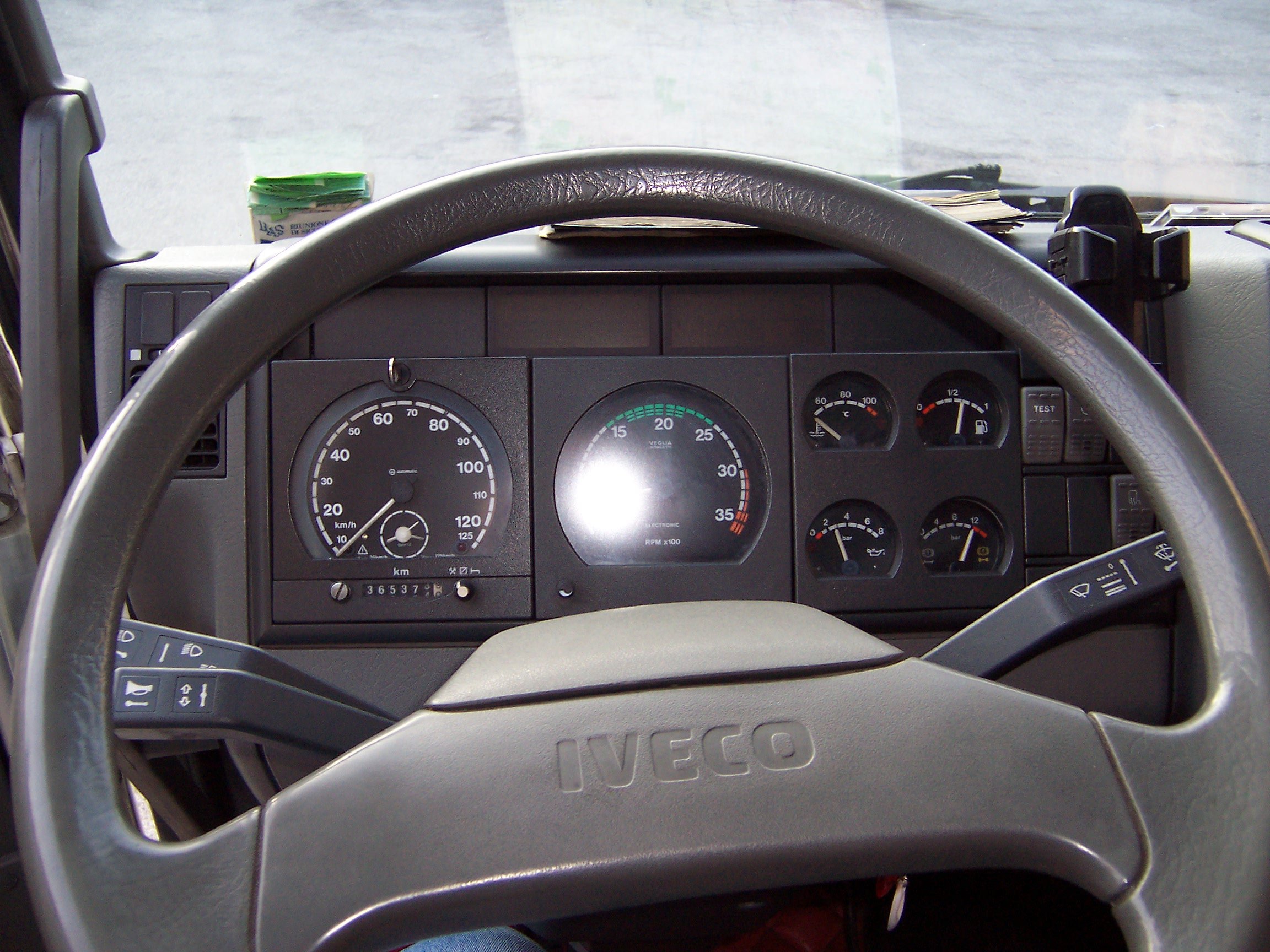
The host pulls vehicle data off the CAN bus the way the cabin platform does, and the same gateway that feeds an AR head unit feeds the monitoring host. Vehicle speed stamps each frame so a clip can be tied to a speed at the moment of an event. The turn-indicator signal arms a blind-spot channel.
Four channels of live video over a cellular link is more data than a fleet wants to pay for every day, so the host uploads thumbnails and alarms continuously and full video on request. Remote video upload over 4G is where the bandwidth and the dropout behavior get worked out.
The host writes every channel locally at full bitrate so that nothing is lost when the cellular link drops, then reconciles against the cloud when the signal returns, uploading the clips the platform asked for during the outage. A tunnel or a dead-zone stretch of rural highway becomes a gap in the live feed but not a gap in the record. Installation reinforces the same architecture: one power feed and one harness routed from the cab to the four mounting positions, where a system treated as four independent cameras plus a recorder accumulates four times the connector count and surfaces a corroded-connector channel drop eighteen months later on a vehicle the fleet cannot easily pull off the road.
What keeps that record honest is mostly unglamorous. The SD card is the first thing to teach you a lesson. A retail consumer card in a box that loops twenty-four hours a day, hammering the same blocks, can be dead inside weeks, and the cruel part is that the footage it loses first is the newest, which is exactly the bit you wanted after a crash. So a real host runs a high-endurance or industrial card and treats it as a wear item. Cut the ignition or rip the harness in a collision and the box is mid-write; without protection you get a corrupt file index and a lost final few seconds, so these things carry a supercapacitor (sometimes a small battery) just to stay alive long enough to close the current clip cleanly. And the clock has to be trustworthy on its own: a battery-backed RTC, so the timestamp on a clip you pull three months later still holds up, GPS time and all.
The cellular side has its own gate. You can’t just drop in the cheapest 4G part you can find. To sell and run the thing legally, the modem needs the full set of Chinese approvals (the CCC mark and SRRC radio sign-off, plus a network-access license), so integrators stay on a short list of modules, Quectel and Fibocom and that sort of vendor, instead of whatever’s cheapest that month.
Around-view takes four wide-angle cameras at the corners of a vehicle and stitches them into one bird-eye image that removes the blind zones around a large truck. Around-view stitching covers how four corner feeds become one overhead picture.
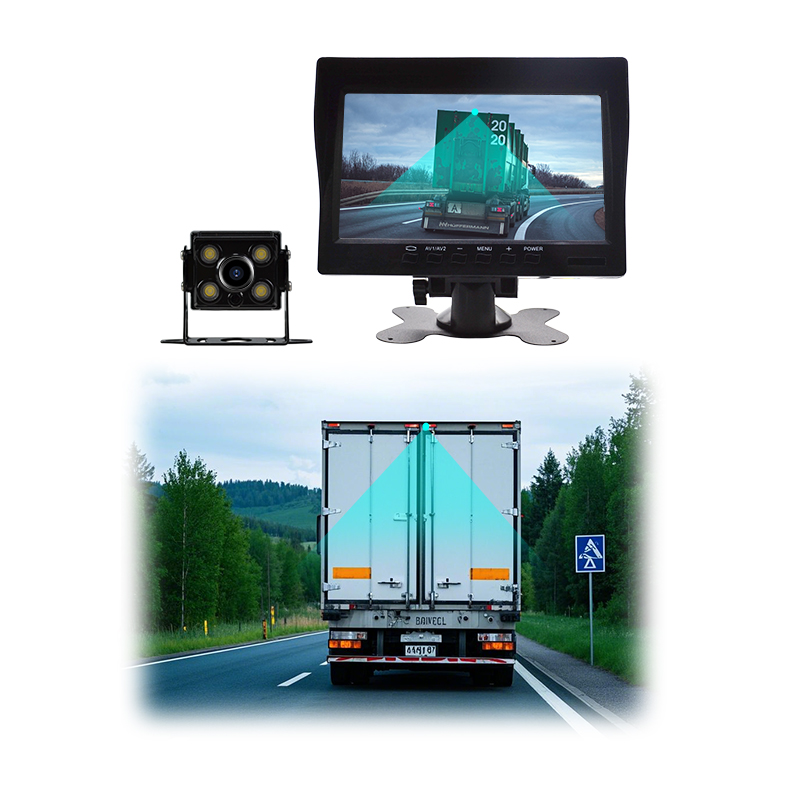
The forward camera scans the road ahead for a closing gap, a crossed lane line, or a pedestrian, and raises a warning the host logs and uploads. The algorithms run on the host silicon against the forward camera feed, and the commercial-vehicle tuning differs from passenger-car advanced driver assistance because a loaded truck stops over a longer distance and the warning has to fire earlier. Forward active safety deals with the warning logic and the calibration discipline.
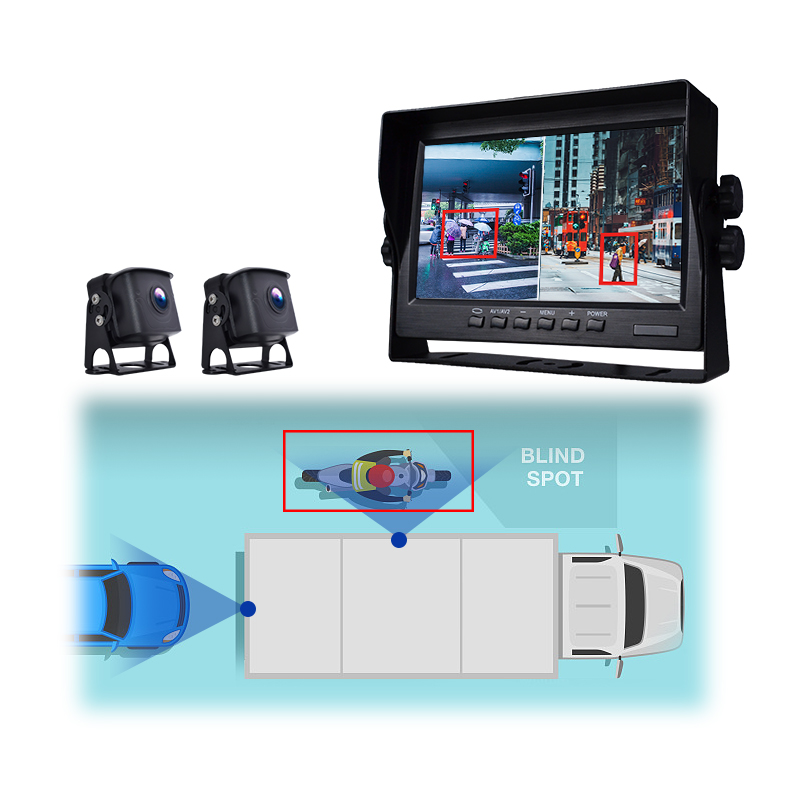
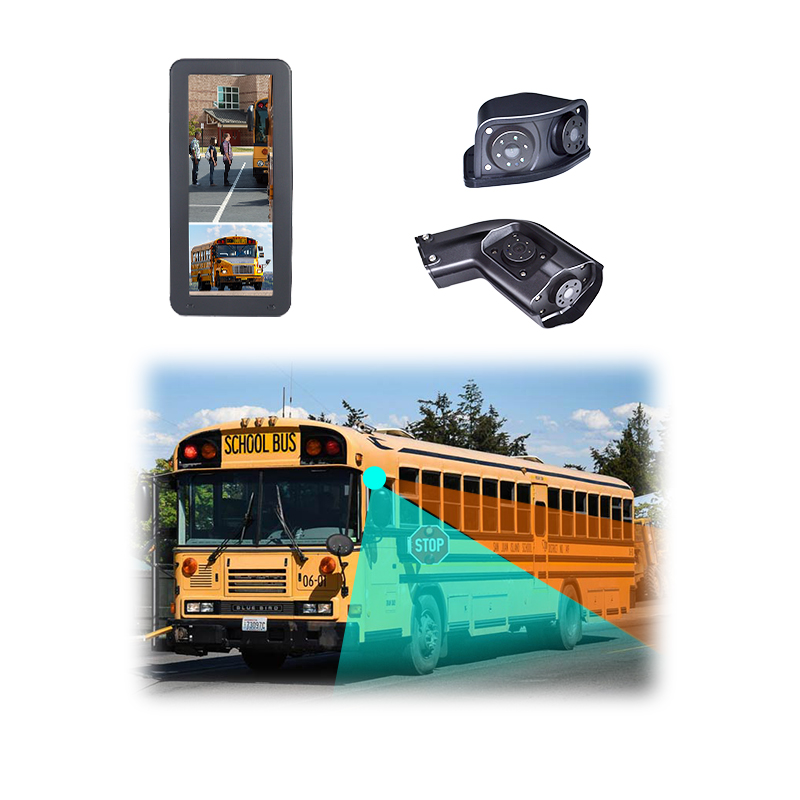
The right-side camera watches the right turn that kills cyclists and pedestrians. The cab sits high and far forward, and a cyclist alongside the right rear wheel disappears from every mirror at the moment the wheel tracks toward them. Blind-spot detection covers the right-turn case and the sensor choices that catch a moving body the mirrors miss.
The host watches the cab rather than the road. An inward camera reads the eyes that close and the phone that comes up to the ear, and the host raises a warning the moment fatigue or distraction crosses a threshold. Driver-state monitoring gets into what the inward camera reads and how it tells a yawn from a glance down at a gauge.
The host is the system.