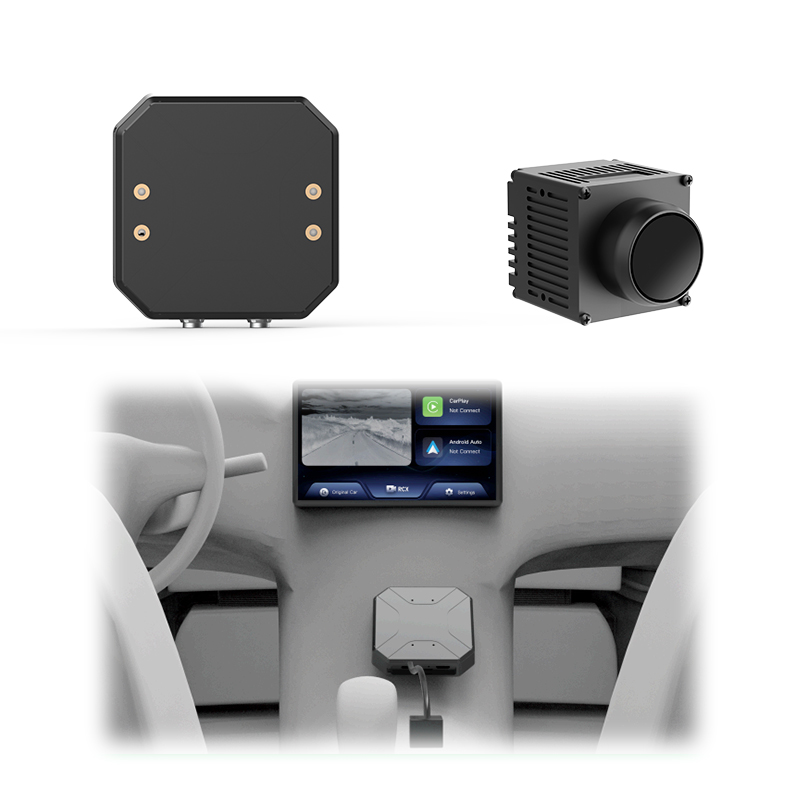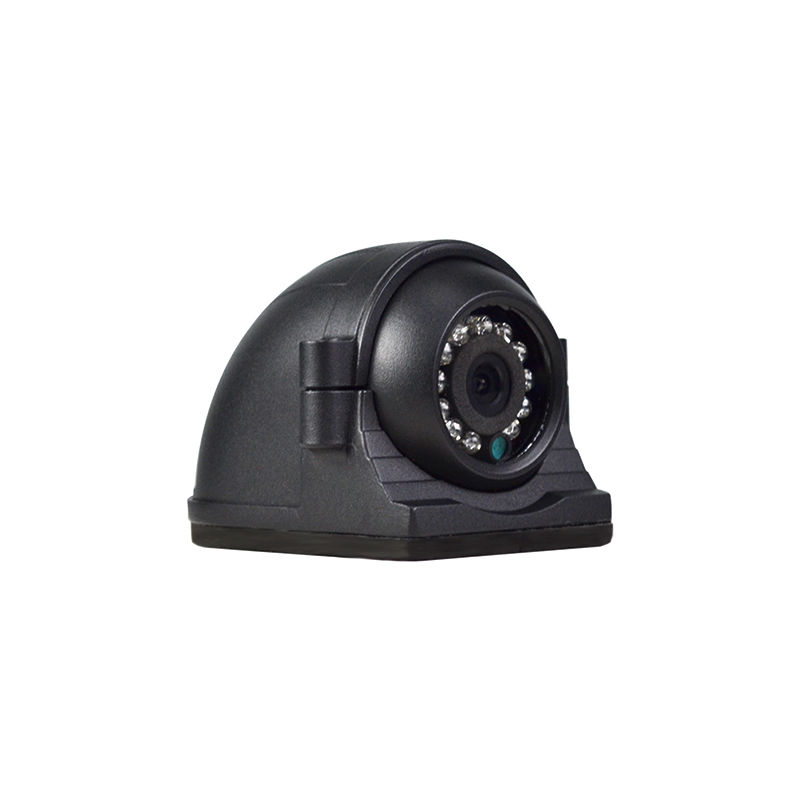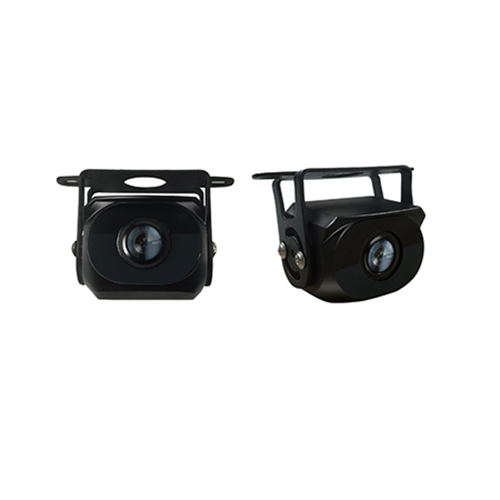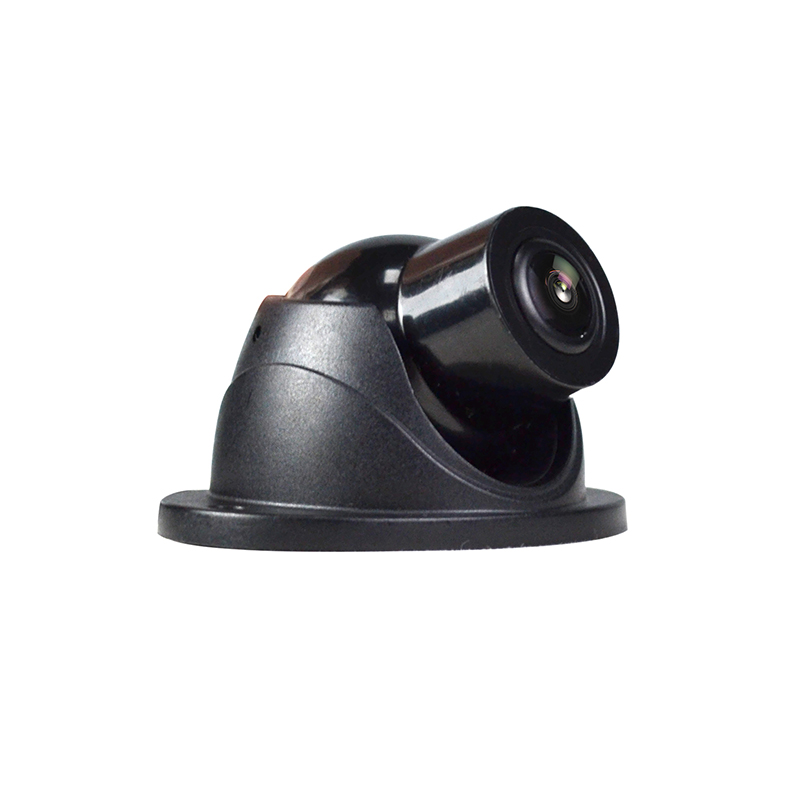
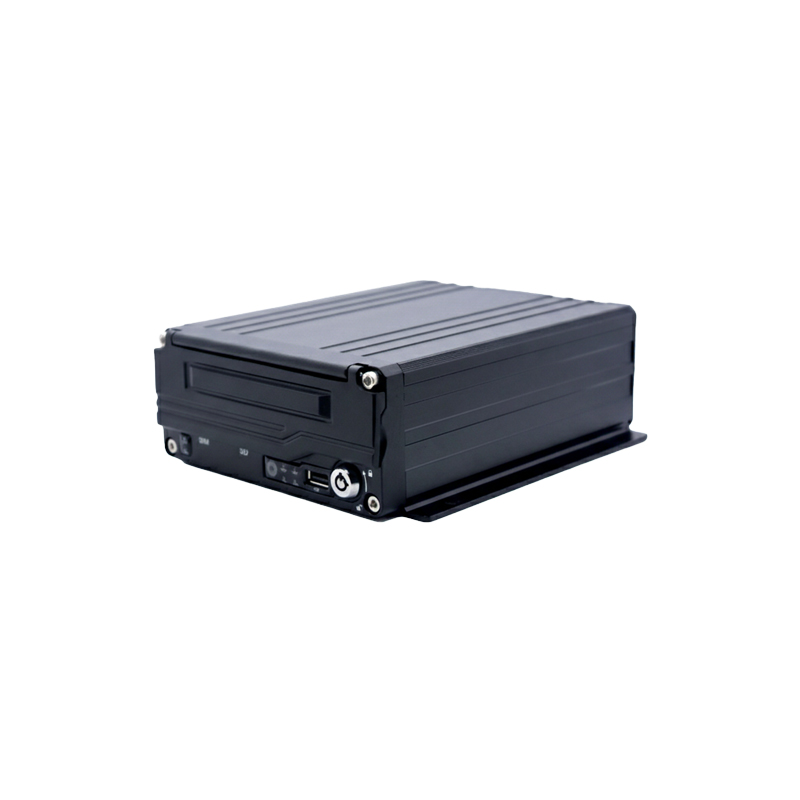
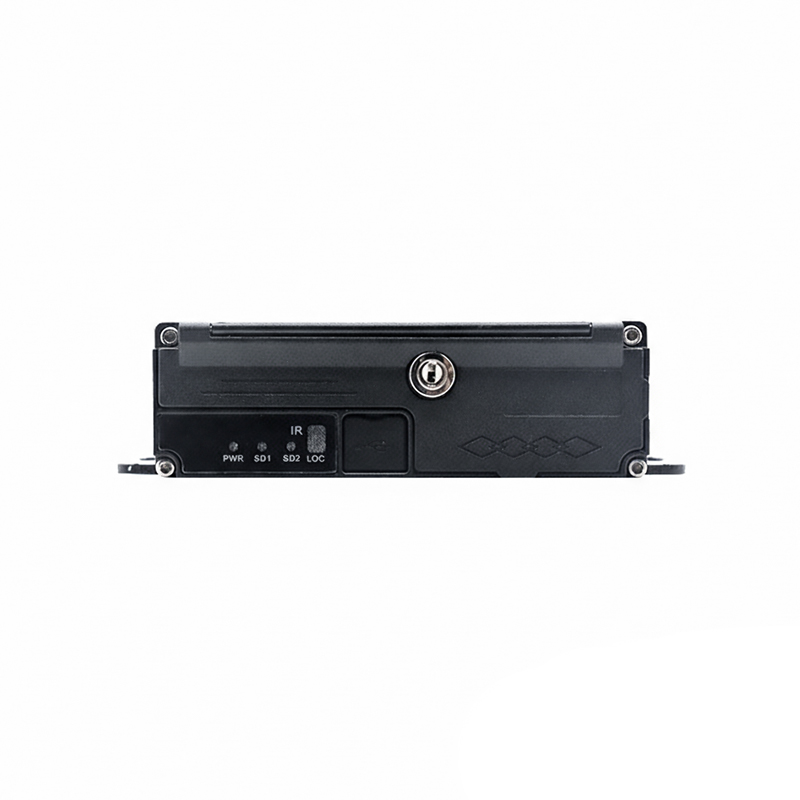
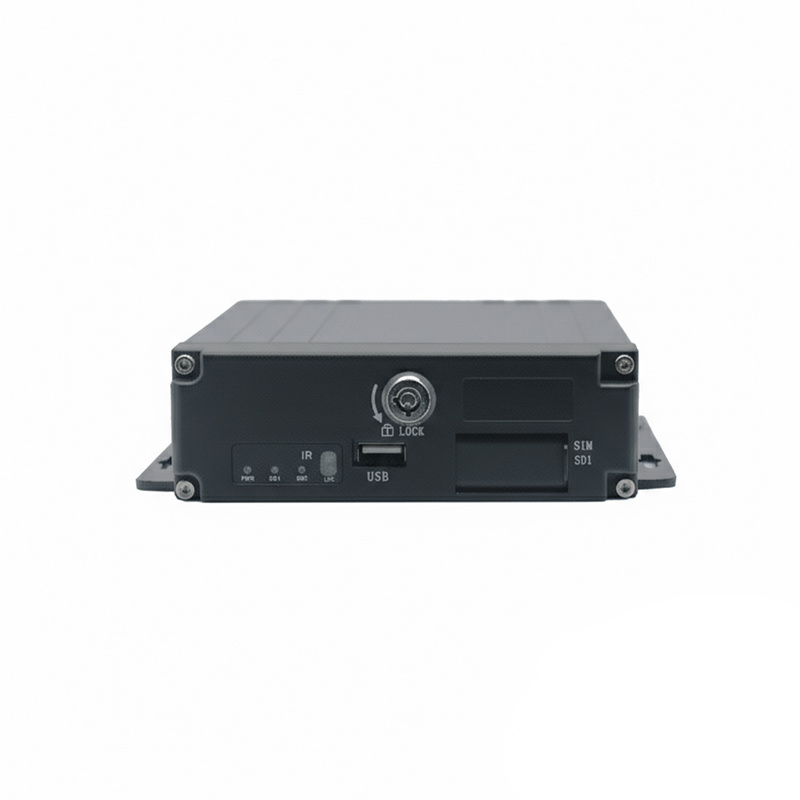
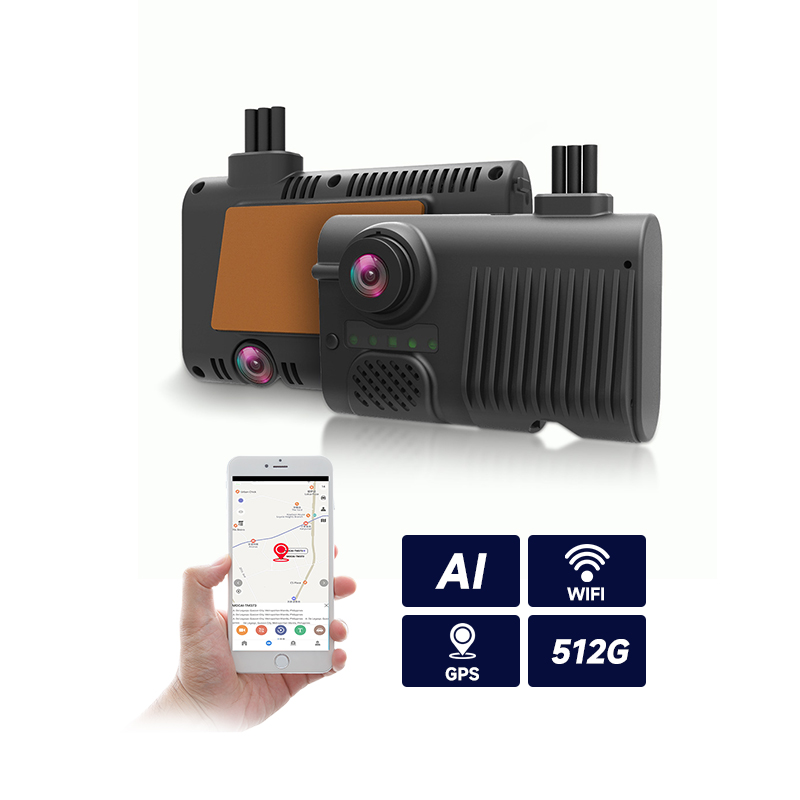
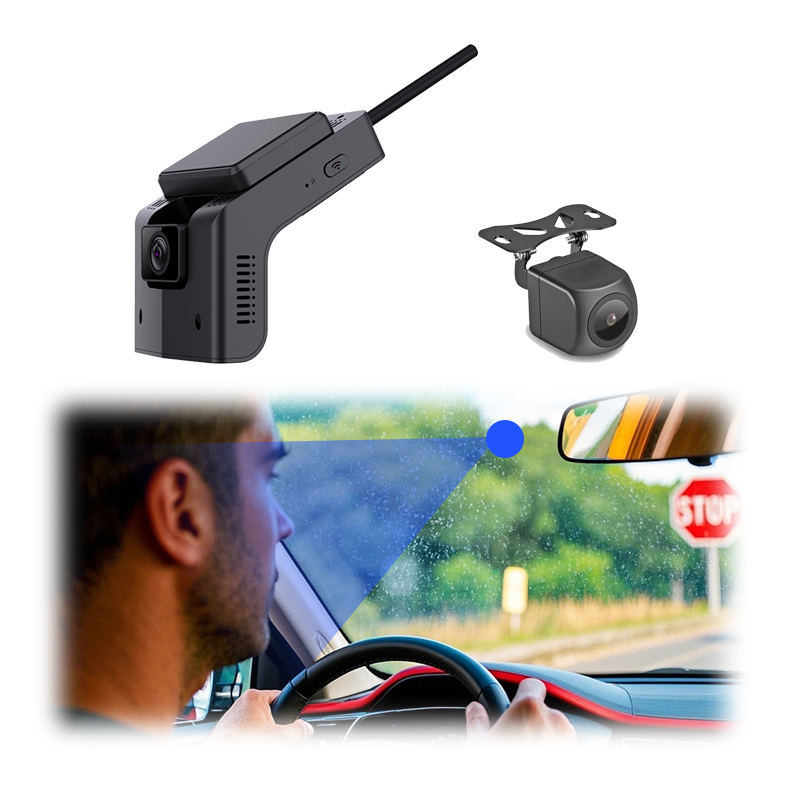
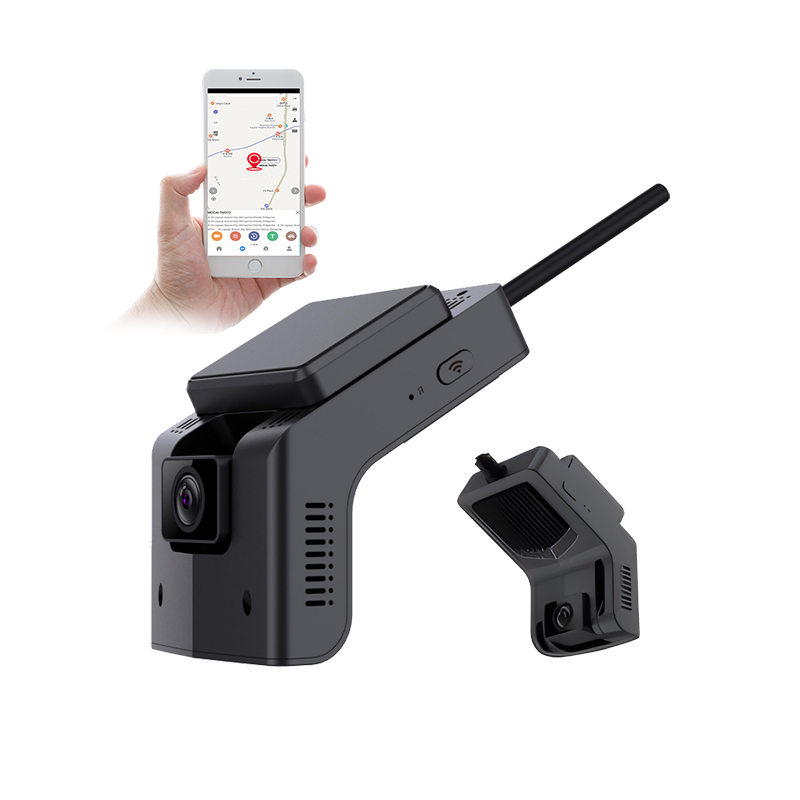
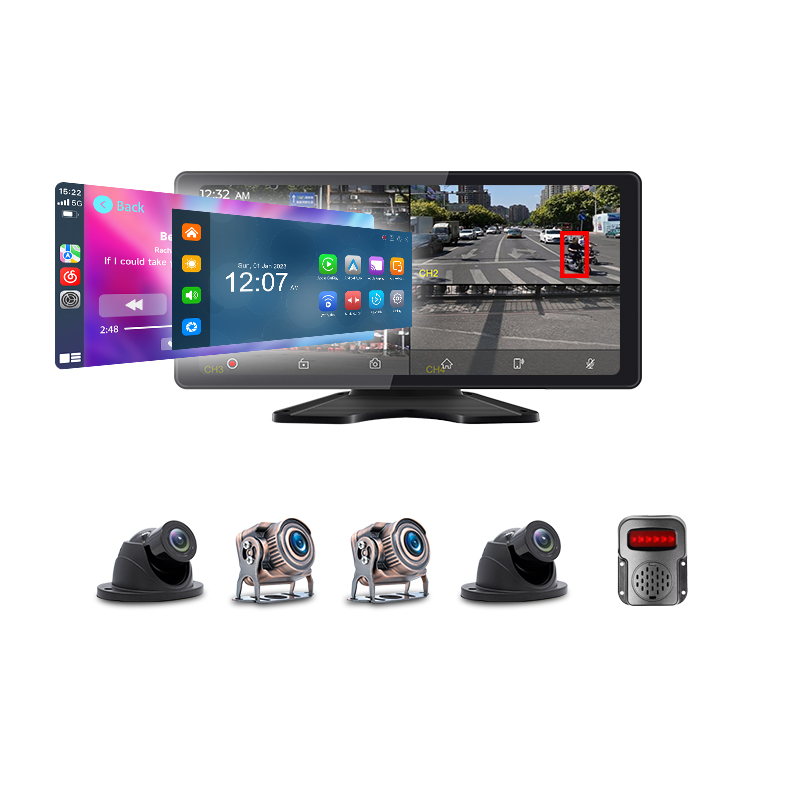
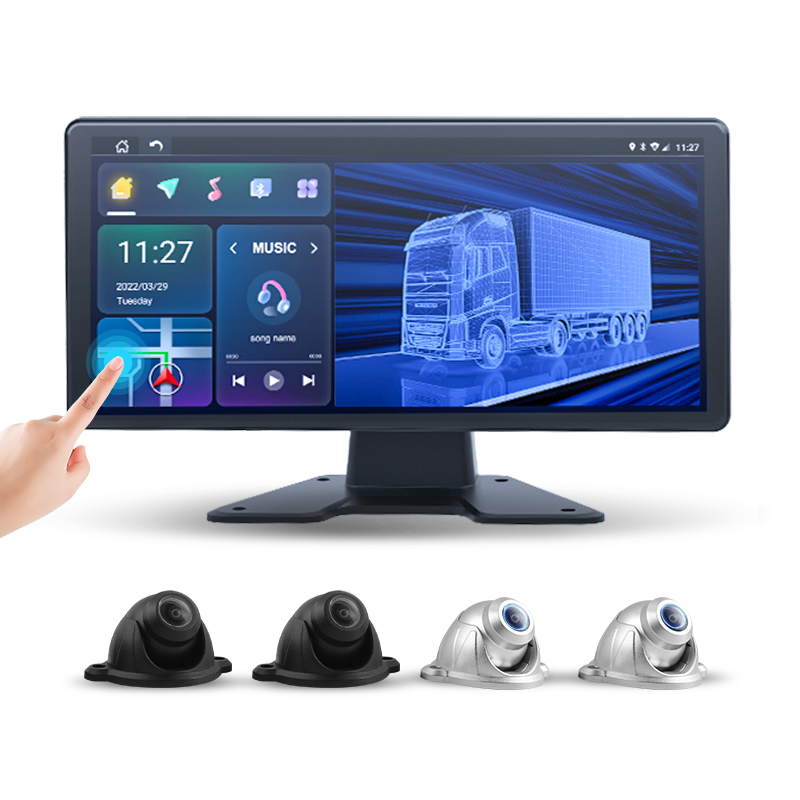
Driver state monitoring points a camera at the driver, not the road. It watches for the face of someone falling asleep or reaching for a phone, and speaks before the lapse becomes a crash.
Driver state monitoring, or DSM, is an inward-facing camera trained on the person behind the wheel. It looks for two kinds of trouble. The first is fatigue, read from slow eyes and a dropping head. The second is distraction, from a phone held too long or a hand up at the ear. When it sees either, it warns the driver. On a fleet vehicle it also files the event for the operator.
The thing it watches is harder than a road. A road holds still. A car ahead has a shape and a speed a sensor can pin down. A driver moves all the time, in ways that look alike whether the cause is dangerous or routine. A long blink and a glance down at the instruments both lower the eyes. A yawn and a shouted word both open the mouth. The whole craft of DSM is telling the dangerous version from the ordinary one, on a face it has never seen before.
The rest follows from that. The camera has to see the face in the dark and through sunglasses. The algorithm has to read intent from a few pixels of eye. The driver, who did not ask to be watched, has a say in whether any of it survives the week.
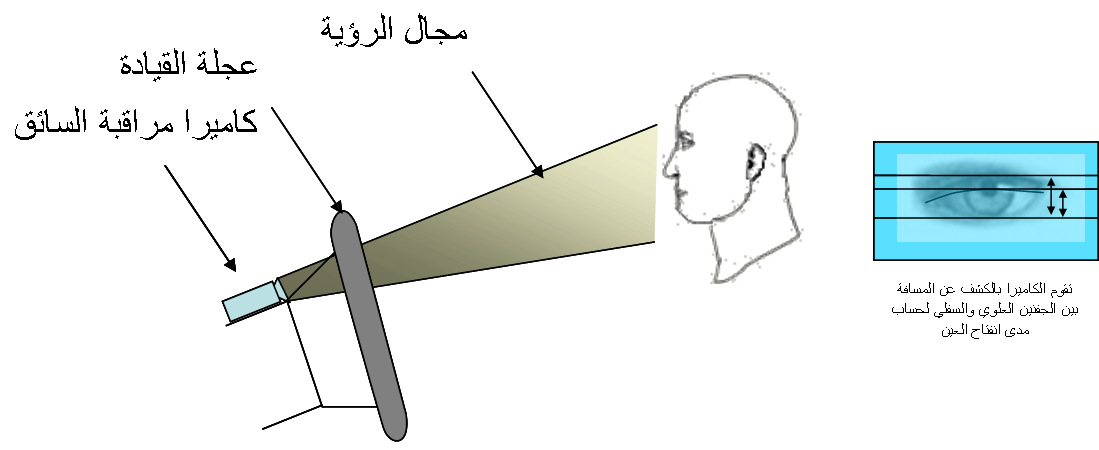
Underneath the alerts, DSM tracks a handful of signals off the face and the upper body. It finds the eyes and measures how open they are. It follows the tilt of the head. It locates the mouth, the hands, the line of the gaze. From those it builds a picture of the driver’s state several times a second. How the camera and its sensor work sets the ceiling on all of it, because a feature the optics cannot resolve is a feature the software never gets to judge.
The signals split along the same two lines as the alerts. Eye closure, blink rate and head nod point at fatigue. Gaze direction, a hand at the face and a phone in shot point at distraction. The unit runs them together, since a tired driver and a careless one both end up looking at the wrong thing. What it reports is a judgement made from several weak clues at once, never a single sure reading.
The sensor behind all this is a global-shutter imager, chosen so a fast head movement does not smear across the frame the way a rolling shutter would. It runs at a modest resolution and a steady frame rate, since the work needs time more than pixels. Once the face is found, a region of interest is cropped to it, so the heavy processing falls on the part of the image carrying the driver and not the seat behind him. The whole chain has to fit a small embedded processor that shares the cab’s heat and power. That ceiling decides how clever the model can afford to be.
A driver works through the night, so the camera cannot rely on cabin light. DSM lights the face itself, with infrared the driver never sees. A ring of LEDs around the lens throws near-infrared onto the face. The sensor reads what comes back. The picture comes back in grey, which is enough for an algorithm that cares about the shape and motion of features, not their colour.
Infrared earns a second keep with sunglasses. Many lenses that block visible glare pass near-infrared, so the camera can find the eyes behind glasses that look opaque to a passenger. The trick fails on the darker wraparound lenses, which is one of the cases the system has to notice and flag, leaving the eyes marked as unread. The exact wavelength and the placement of the illuminator decide how well this holds. The design of the nighttime infrared lighting is a quiet part of why one unit reads eyes at night that another loses.
The wavelength is a real choice. Illuminators near 850 nanometres run efficient and cheap, at the price of a faint red glow a driver can catch at the corner of the eye on a dark night. Move to 940 nanometres and the glow goes, paid for in less output and a dimmer image the sensor has to work harder to use. Either way the light has to flood the face evenly. A hot spot on one cheek and a shadow on the far eye hands the detector half a face to read. Power stays low enough to be safe for eyes sitting in front of it hour after hour, a limit the design respects before anything else.
The central difficulty has nothing to do with cameras. A dangerous state and a safe action wear the same face. The driver who closes his eyes for two seconds at the wheel looks, frame by frame, a lot like the driver who glances down to check a mirror or read the speed. Both drop the eyes. Both break the forward gaze. One is a microsleep and the other is good practice.
So a single frame proves nothing. The system has to watch over time, and weigh how long, how often, how deep. A blink lasts a fraction of a second, somewhere near a tenth to a third of one. An eye closure that runs past half a second, again and again, is a different event, even though each frame of it looks like the bottom of an ordinary blink. The reading lives in the duration and the pattern, not the snapshot, which is why a good DSM trades a little speed for a short window of evidence before it speaks.
Faces make it worse by refusing to match. The detector finds the eyelids as a set of points and reads how far they part, a ratio that falls toward zero as the eye shuts. Eyes come in every shape, so that ratio starts from a different place on every face. A single eyelid, a deep-set eye, a heavy brow, a few days of beard across the jaw: each one shifts what the detector measures as open or closed. Glasses throw a bright infrared reflection across the pupil at the wrong angle. A cap drops a shadow over the brow. The driver slumps, or sits bolt upright, or turns to mirror-check, so the head pose the model leaned on slides out from under it. Head pose has to be solved before the eyes can be trusted at all, since an eye reading taken from a face turned forty degrees away means little. The unit estimates the angle of the head in three axes from the same landmarks, then discounts the eye signal once the pose passes the point where the measurement holds. A threshold that catches a sleepy driver with narrow eyes will cry wolf at a wide-eyed one. The same number cannot be right for both. The serious systems answer this by calibrating to the person. They learn a driver’s normal open eye and resting head over the first minutes of a shift, then judge each driver against his own baseline. They follow the trend away from it, not an absolute count, so a naturally heavy-lidded driver does not spend the night setting off the alarm. Sunglasses degrade the same reading further, since the infrared that gets through the lens returns the eye dimmer and lower in contrast than a bare face. The cheap units ship one threshold for every face and pay for it in false alarms. That cost is the thread running through the rest of this piece. A driver who stops believing the alert is a driver the system can no longer protect, and the surest way to lose him is a unit that reads his ordinary face as a crisis twice an hour. The calibration buys real ground. It cuts the false alarms born of nothing worse than an unusual face, and it lets one unit ride a fleet of mixed drivers with no tuning visit for each. All of it runs in a fraction of a second, on a small processor in a hot cab, on every frame.
None of this is the problem ADAS or BSD solve. Those read a car, a kerb, a closing gap: hard targets with edges. DSM reads a mood off a moving face. The target argues back.
That is the whole of it in one line.
The standard measure of drowsiness is PERCLOS, the share of a span of time the eyes spend mostly closed. It came out of driving research decades ago. It holds up better than any single signal on its own, which is why nearly every DSM carries some form of it. A PERCLOS that climbs past a set fraction over a minute or two is a solid sign the driver is going under.
It is not the whole story. PERCLOS needs a clean, steady view of the eyes to count, so it sags in exactly the conditions that strain the camera: glare, vibration, a driver who keeps turning his head. It reads the eyes, so it can miss a driver whose eyes stay open while his attention has already gone. And the threshold that works for a long-haul trunk route at three in the morning is not the one for a bus on a busy daytime loop. How PERCLOS holds up in real service is the gap between a metric that works in a study and one that works on a truck.
The count itself runs over a sliding window, a minute or two long, with the eye marked shut once the lid passes a set fraction of its open height. Researchers drew a few variants that differ in where that fraction sits, and a common one calls the eye closed at eighty percent shut. The window smooths out ordinary blinks, which pass too fast to move it, while a run of long closures pushes it up steadily. The length of the window is its own compromise. Too short and a handful of blinks swing it around. Too long and it lags the driver who is going under right now.
Eyes are the strongest fatigue signal, not the only one. A yawn is a useful second opinion, since a run of them tracks rising tiredness. The trouble is that an open mouth also means a word, a song, or a sandwich, so a unit that counts every gape as a yawn becomes a joke in a week. Reading a real yawn takes the shape and the slow stretch of it, held against the noise of an ordinary talking mouth.
The head tells its own story. A tired driver nods, the chin dipping and catching in the slow rhythm of someone fighting sleep. A sharp drop and recovery is the giveaway of a true microsleep, the few seconds of gone that kill people on motorways. The catch is that a nod down also looks like a check of the instruments or a glance at a phone in the lap, so head motion alone is a weak witness.
The honest answer is to fuse them. Eye closure, yawn rate and head nod each carry a piece of the truth and a share of the noise. The real accuracy of yawn and drowsiness detection comes from how well a system weighs the three together, and not from how loudly it leans on any one. A driver well into a microsleep usually trips more than one at once, which is the pattern a tuned unit waits for.
The microsleep is the event all of this is chasing. It is a brief involuntary slide into sleep, a few seconds at the outside, often with the eyes part open and the driver dead to the road. People come out of one with no memory of it, sure they were awake the whole time. At motorway speed a few seconds is a hundred metres or more travelled blind. The long eye closure and the sharp head nod tend to arrive together when it strikes, which is why a unit that waits for two witnesses catches the microsleep a single signal would have argued away.
Distraction is a different read from fatigue, built on the hands and the objects near the face. A phone call brings a hand up to the ear and holds it. A text pulls the gaze down into the lap for seconds at a stretch. The model learns the shapes, then has to keep them apart from the lookalikes. A hand at the ear can be a scratch. A hand at the mouth can be a cough or a meal.
The classic confusion is a cigarette against a phone. Both put a hand to the mouth and hold something small near the face, and a unit that calls every one a phone call buries its operator in false reports. Telling smoking from a phone call leans on the finer shape and the path of the hand. It is the kind of edge case that separates a system trained on real cab footage from one trained on a clean dataset.
Finding the object is detection laid over the pose. The model carries a learned idea of what a handset looks like in a hand near a head, then scores each frame for it. The hand on its own is the hard part, since a fist at the cheek with nothing in it reads much like one wrapped around a phone. A unit leans on the whole gesture over a second or two, the path the hand takes and how long it stays, to tell a held call from a passing scratch. Footage shot in real cabs, with real clutter and real light, is what trains that judgement. A model raised on clean studio clips falls apart on the first greasy windscreen.
Gaze is the sharpest distraction signal. It is also the hardest to read well. Eyes forward on the road is the safe state. Eyes down in the lap, or fixed on a screen, is the dangerous one. The problem is that a driver has every reason to look away from straight ahead: mirrors, instruments, a junction off to the side. Detecting a true gaze deviation means learning which glances belong to driving and which do not, then allowing the first while it catches the second held a beat too long.
Reading it well takes more than finding the eyes. The direction a driver looks is the sum of where the head turns and where the eyes sit within it, so the unit solves the head pose first, then the eye-in-socket offset on top. A glance made with the eyes alone, head still forward, is the one a coarse system misses, the quick drop to a phone in the lap that never moves the head. The better units hold a model of the cab, learning where the mirrors and the cluster sit, so a look that lands on a known fixture reads as driving while a look into the lap reads as a lapse.
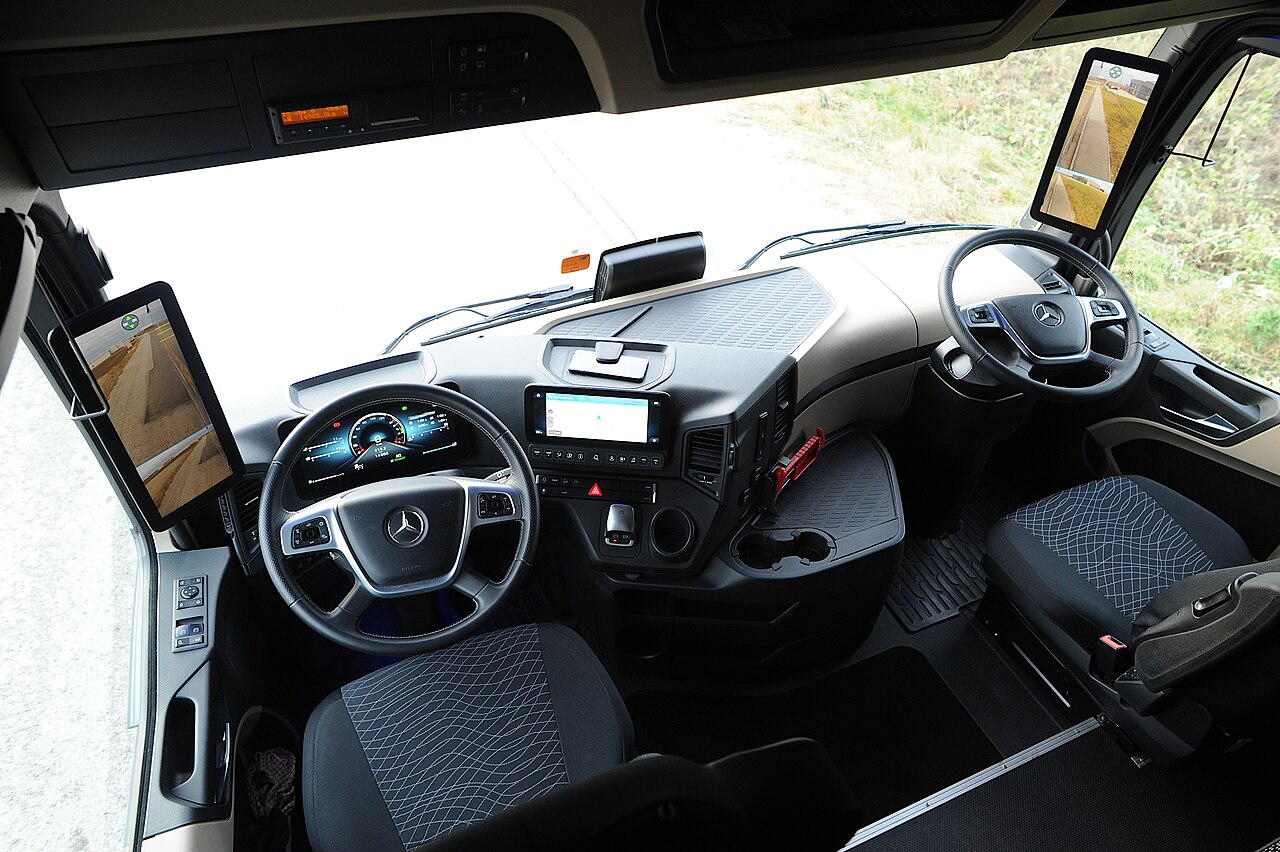
Placement decides what the camera ever gets to see. It needs a clear, steady view of the eyes across the range of postures a driver moves through, without blocking the road or catching a low sun straight in the lens. The common homes are the A-pillar, the dashboard top and the steering column. Each trades one fault for another. Choosing the A-pillar mounting position buys a strong angle on the face, at the risk of losing the eyes when the driver turns to the nearside.
A dash mount sits lower and reads a forward face well, then loses the eyes the moment the head drops, which is the exact moment that matters. A column mount hides behind the wheel rim on some turns. No spot is clean on every driver and every posture, so the choice is a question of which blind moment a fleet can best live with. The mount also has to survive heat, vibration and a windscreen baking in the sun, none of it kind to a small camera aimed back at a face all day. A driver who shifts the seat hard fore or aft, or a cab that passes between drivers of widely different heights, moves the face out of the frame the install was set for. A robust mount holds a field wide enough to cope without giving up the resolution on the eyes the whole job rests on.
On a commercial vehicle DSM does not only warn the cab. It keeps a record. A fatigue or distraction event is stamped with time and position and held for the operator, often with a short clip, and on a regulated fleet it goes up to a platform. The active-safety rules that govern these devices treat the alarm as evidence, so the upload carries a defined set of fields, not free-form text. The fields a DSM alarm has to report to regulators line up with the same monitoring regime that already takes the vehicle’s video, covered under the broader monitoring standards.
That standard is the active-safety regime already in force for these fleets, not a rule written fresh for DSM. A fatigue alarm rides the same channel and the same platform as the rest, tagged as its own event type. The operator sees it in the console that already shows a harsh-braking or a lane-departure event. That shared plumbing is part of why fleets buy the active-safety functions as one kit, not piece by piece.
That record cuts two ways. It lets a manager coach a driver who is nodding off on a night run before the worst happens, which is the humane use of the thing. It also turns the cab into a monitored workplace, with every yawn filed against a name. A fleet that rolls DSM out as pure surveillance, with a buzzer that scolds and a log that punishes, gets drivers who treat it as an enemy.
The data also has to be handled with some care. A camera on a person’s face all shift is a privacy matter as much as a safety one, and the operator who ignores that side of it stores up trouble that has nothing to do with road risk. How the footage is kept, who can see it and how long it lives are questions a serious deployment answers before the first unit is fitted.
No other safety feature meets the resistance DSM does, because no other one watches the worker. A driver will tolerate a forward camera that watches the road. A camera watching his face is a different bargain. When the alerts are wrong, or the tone is punishing, the response is predictable. Drivers tape over the lens. They hang an air freshener in front of it. They angle it at the headrest.
A unit that fights this with a stern warning for a covered lens misses the point. The covering is a message about trust. A system the driver believes in, one that warns him of a real microsleep on a long night and helps him stop in time, earns its place on the dashboard. One that barks at every yawn and files it against his record gets the air freshener. Much of whether DSM works on a fleet is settled by how the operator uses what it produces, far from the algorithm itself.
Strip it back and DSM exists for one moment: the few seconds a driver is gone and does not know it. Fatigue and distraction are behind a large share of the worst commercial-vehicle crashes, the ones where a heavy truck runs into stopped traffic at full speed with no brakes. The forward systems watch the gap. DSM watches the only thing that can close it in time, which is the driver. The camera, the infrared, the long argument over thresholds are all in service of waking one person up a moment before it is too late. That is a narrow job, and a real one. The crashes it heads off are among the few a forward radar can do nothing about, since by the time the gap is closing the driver is already gone.
It tracks the eyes, the head pose, the mouth and the hands several times a second, then reads two kinds of risk from them. Fatigue shows in long eye closures, a rising blink or yawn rate and a nodding head. Distraction shows in gaze held away from the road, a hand at the ear or a phone in shot. The alert is a judgement made from several weak signals together.
Yes, within limits. The camera lights the face with near-infrared the driver cannot see, so it works in full darkness. Many sunglasses pass infrared and let it find the eyes behind them, though dark wraparound lenses can defeat it. A good unit flags that it has lost the eyes instead of guessing.
PERCLOS is the share of a span of time the eyes spend mostly closed, a long-standing measure of drowsiness. A value that climbs past a set fraction over a minute or two is a strong sign of fatigue. It needs a clean view of the eyes to count, so it struggles with glare, vibration and a driver who keeps turning away.
Because a safe action and a dangerous state often look alike: a glance at the mirror resembles a microsleep, a word resembles a yawn, a cigarette resembles a phone. Faces also vary, so one fixed threshold fits no one well. Systems that calibrate to the individual driver and weigh several signals together raise far fewer false alerts.
Physically, yes, and drivers do when they distrust the system. A unit can flag a blocked lens, but a tampering alert treats the symptom. The lasting fix is alerts the driver believes in and a fleet policy that coaches more than it punishes, so the camera reads as help, not as surveillance.
No. The forward camera looks out at the road and watches for collisions and lane drift. DSM looks in at the driver and watches for fatigue and distraction. They cover opposite ends of the same risk, and a full active-safety kit usually carries both.