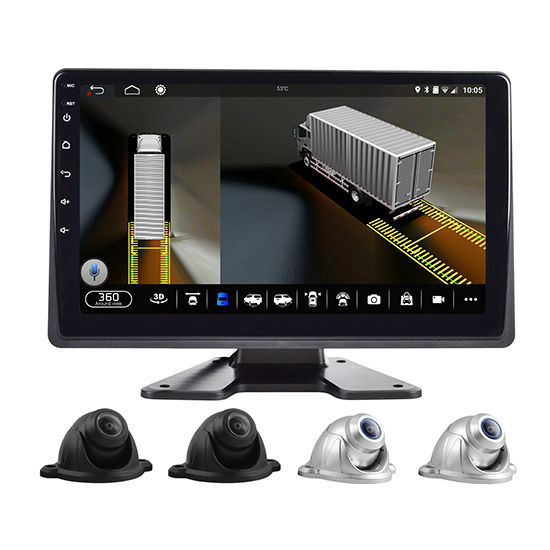

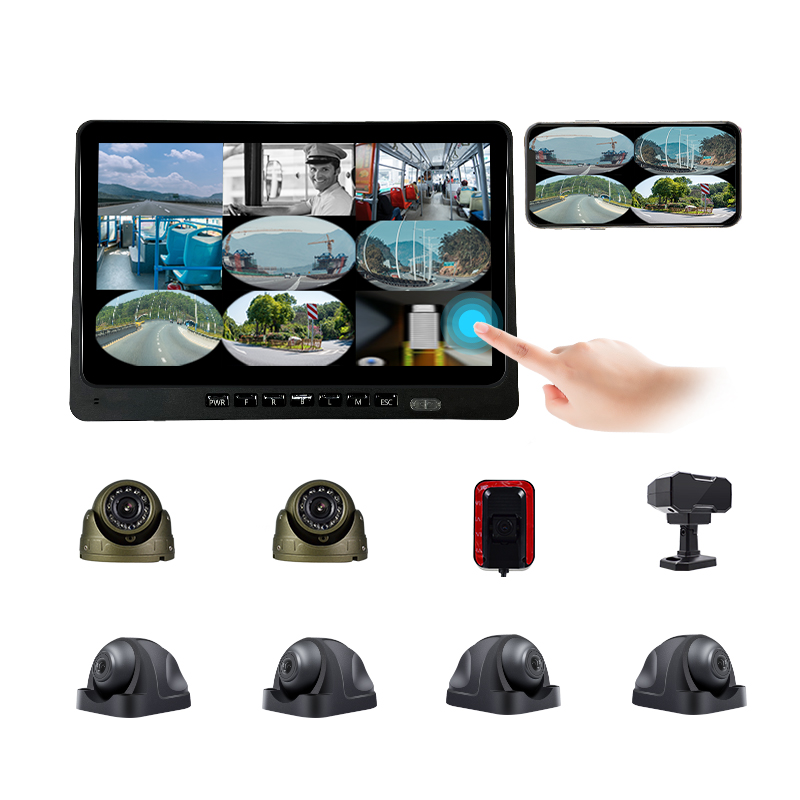
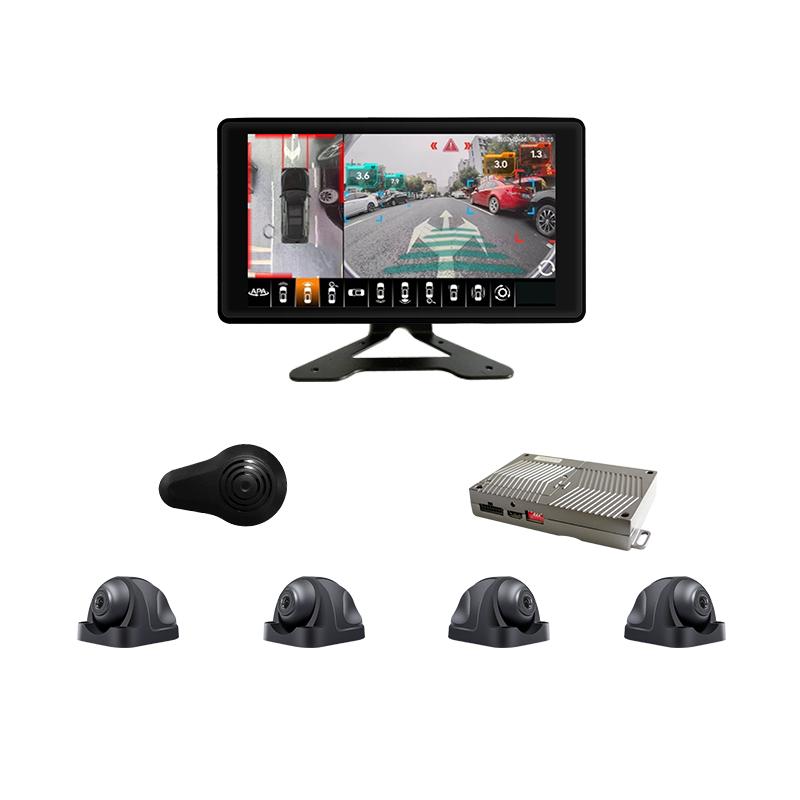
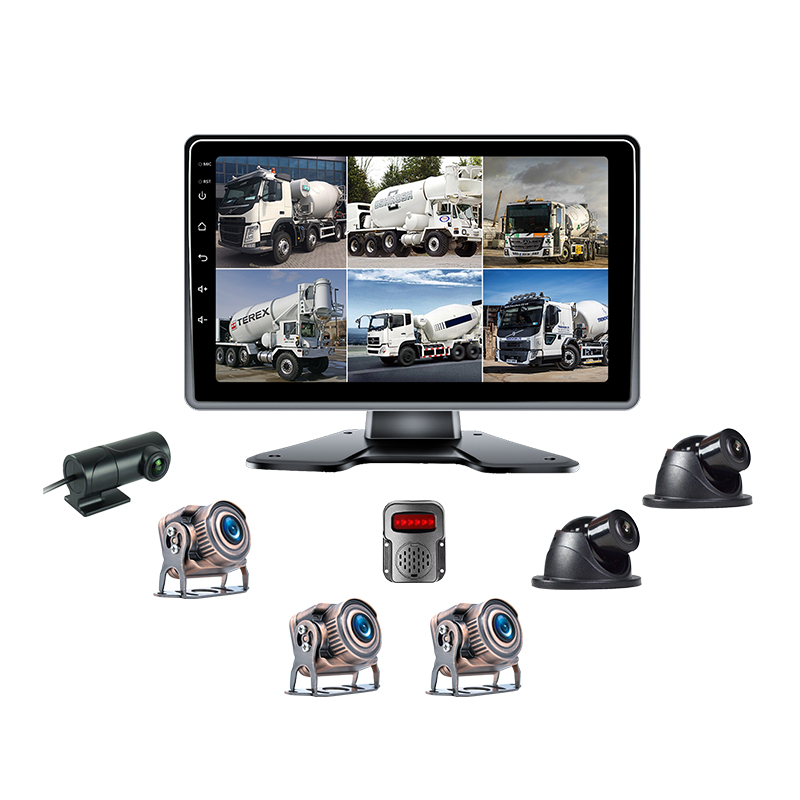
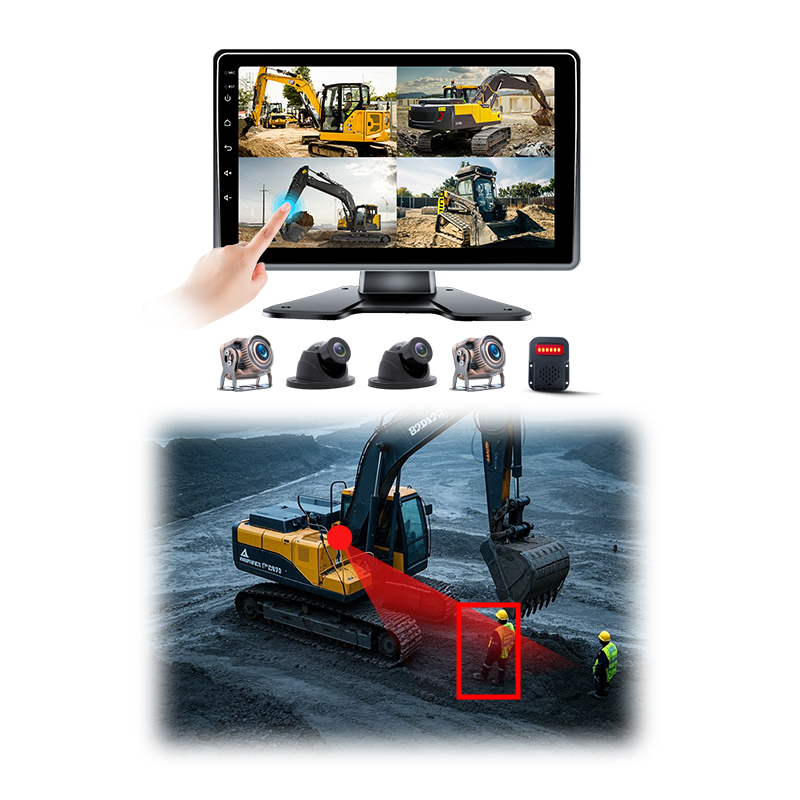
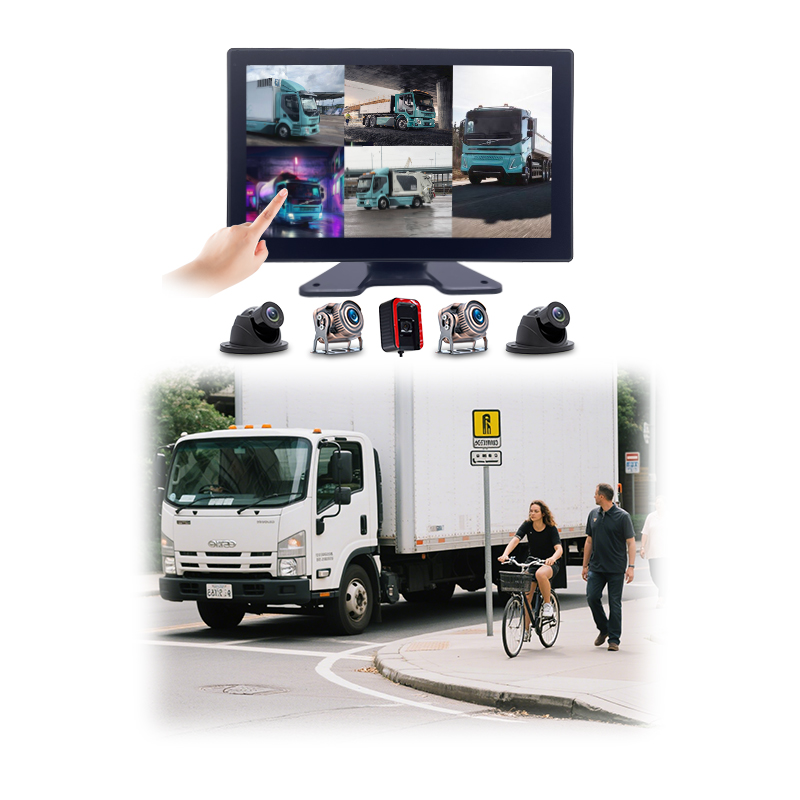

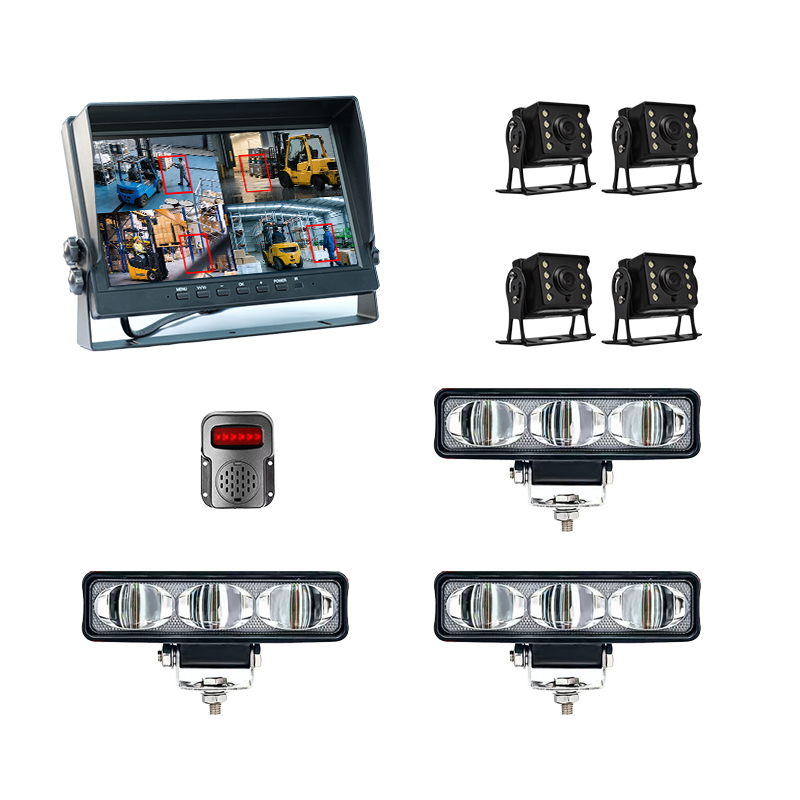
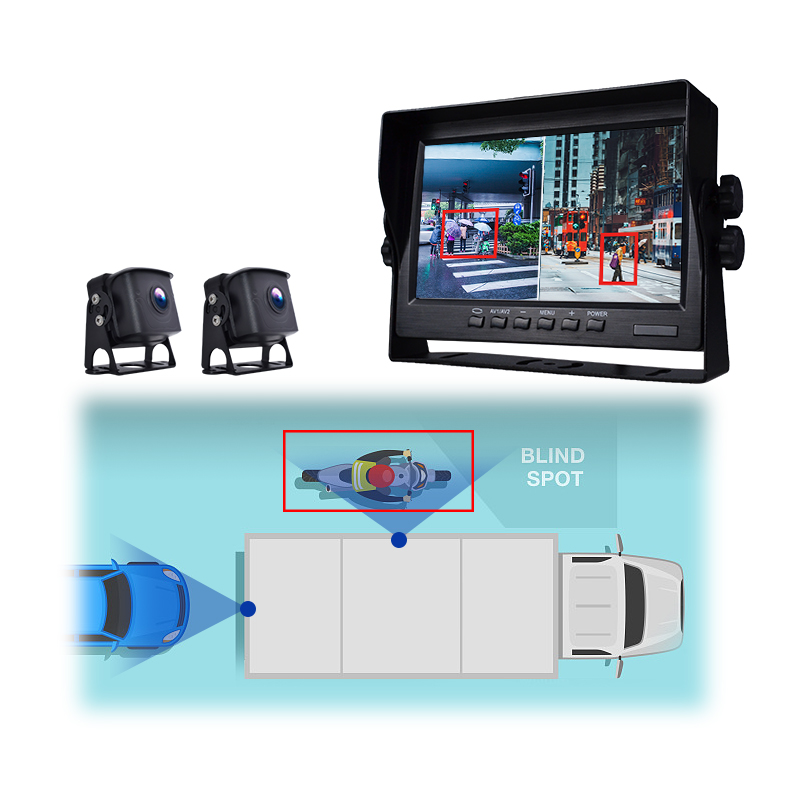
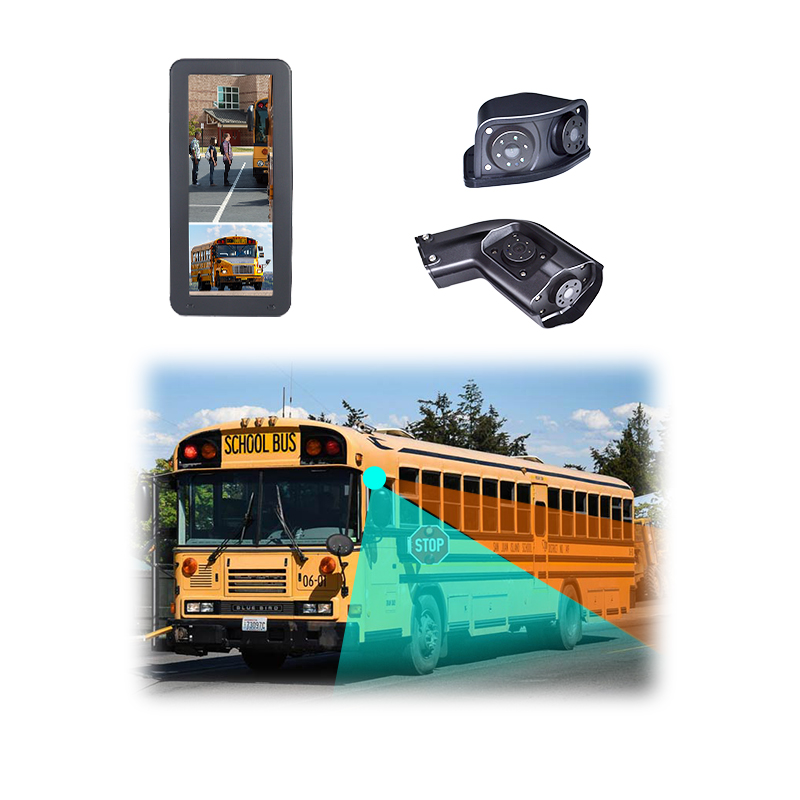
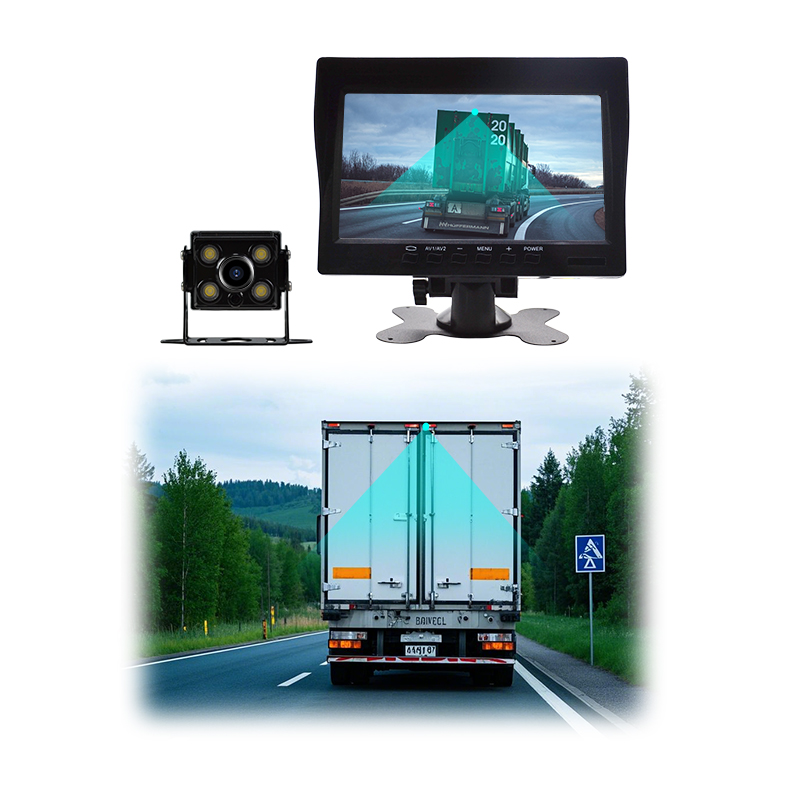
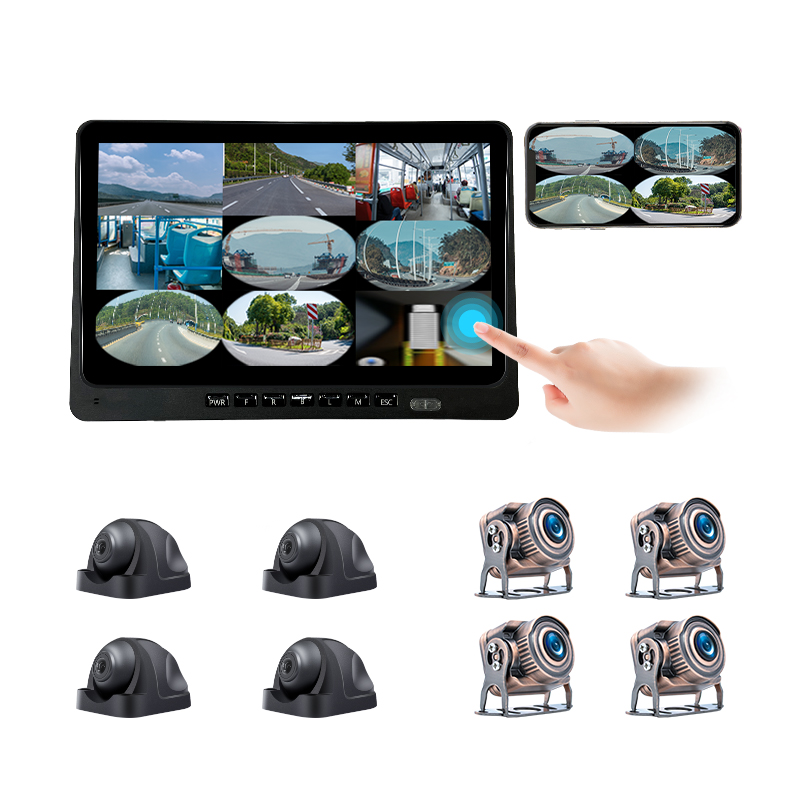
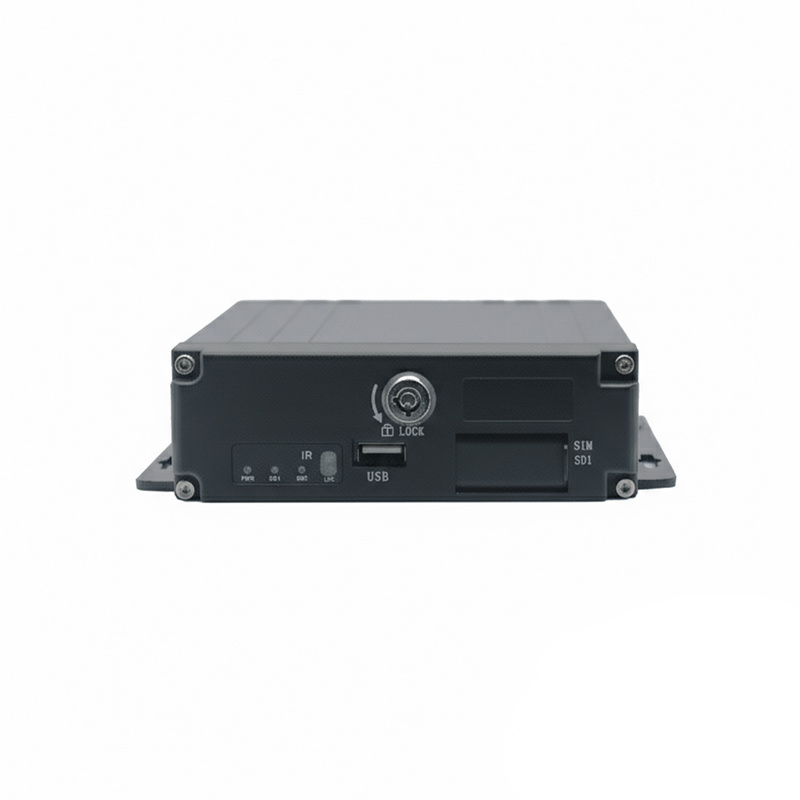
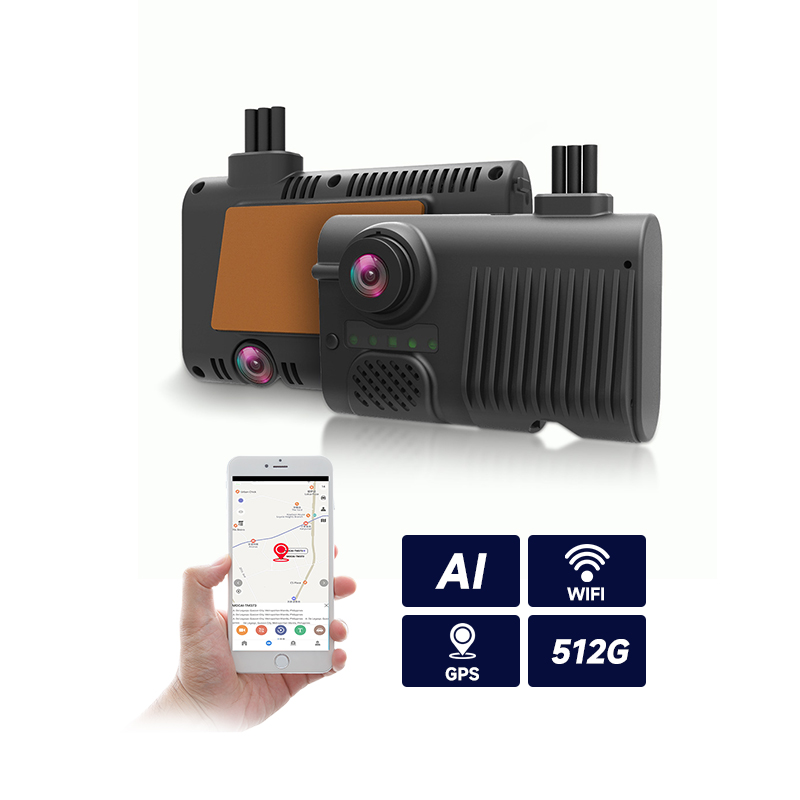
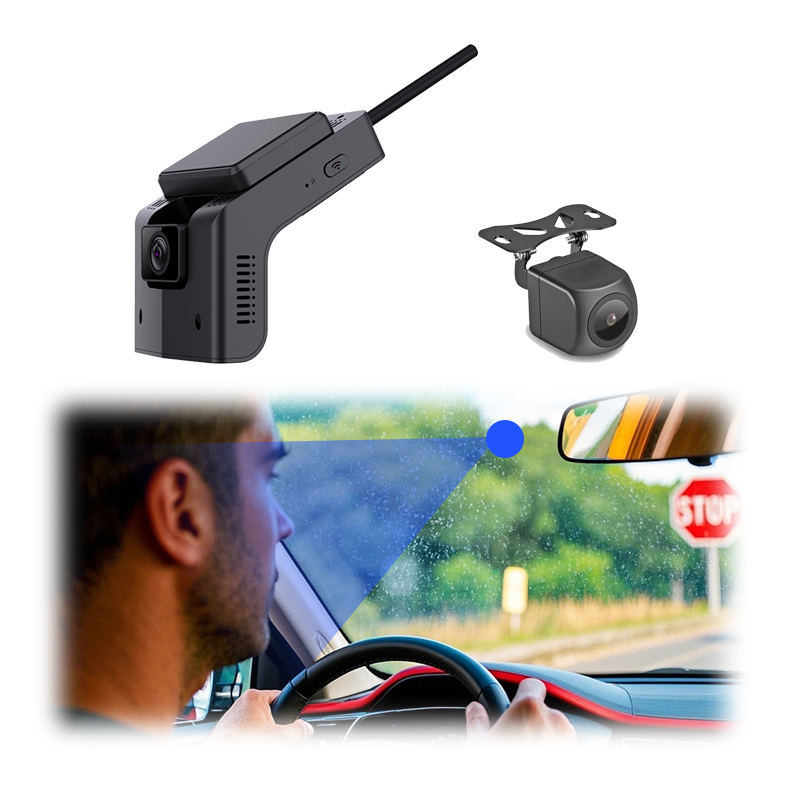
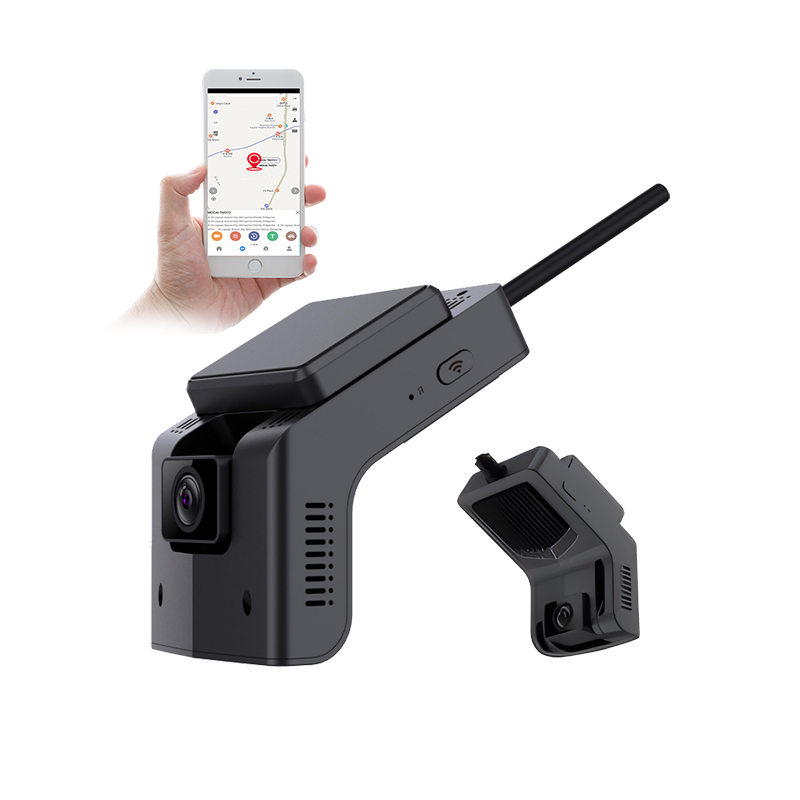
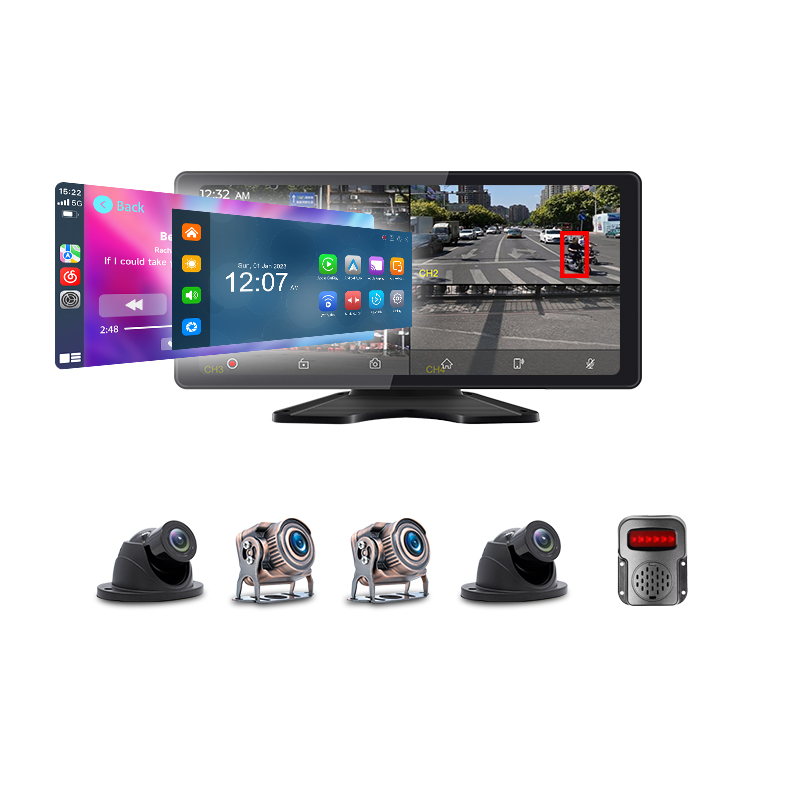
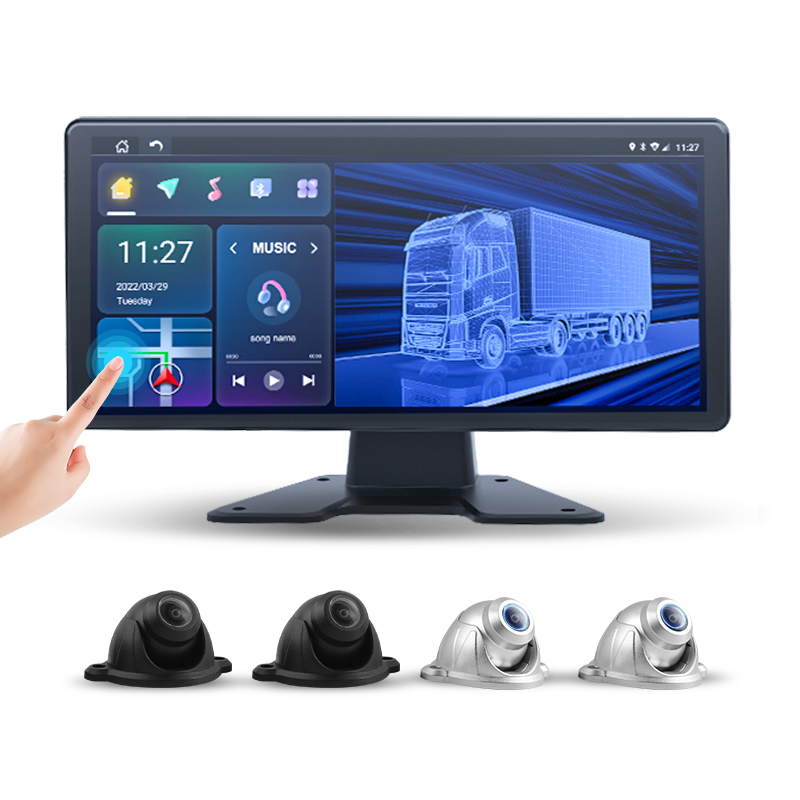
At night the surround view is counting photons. By day light floods every camera and the picture is a matter of arranging plenty. After dark the sensor gathers a thin trickle of light. The grain, the smear and the color drift that follow are all the same shortage showing three ways. Every night optimization answers one question: how to build a trustworthy overhead picture from too few photons, on four cameras that each face a different darkness.
The series has pointed here all along. The seam page warned that gains ride high in the dark and the blend bands shimmer. The frame-rate page counted long exposure as one of its own costs. The product line the blueprint names for this leaf is a low-light sensor family, the first admission that night is a hardware problem before it is a tuning one. The debts come due in the dark, on exactly the unlit ground beside the vehicle the bird eye view exists to show.
Two facts frame the page. The first is physics: a photograph in low light is a sample of a small number of light particles. A small sample is a noisy one, by a law no processing repeals, the reason a dark frame looks grainy no matter how clever the chip. The second is geometry, the series’ own: four cameras around a vehicle face four different night scenes at once, one into oncoming headlights, one into a pitch-black verge. The divergence the daytime color loop already fought grows teeth after dark. The pedestrian in dark clothing, the one thing the system must not miss, is the hardest in the frame to capture. The optimization is the craft of spending a thin light budget well across all four.
By day the sensor barely matters. By night it decides everything.
A camera does not measure brightness as a quantity poured onto the sensor. It counts light particles landing in each pixel during the exposure. The count becomes the pixel’s value. In daylight that count runs into the thousands per pixel and the picture is smooth. After dark the count can fall to a handful. A handful is where the trouble starts, because counting a small number of random arrivals is inherently uncertain.
The uncertainty has a name and a shape. Photons arrive at random. A pixel expecting ten catches eight one frame and twelve the next, a flutter that does not shrink with cleverness. The flutter is the grain in a dark picture. Its size relative to the signal grows as the signal falls: a well-lit pixel’s wobble is a rounding error, a starved pixel’s wobble is half its value. On the overhead picture the grain reads as a faint static crawling over the apron. A real obstacle in dark clothing can sit inside that static, present in the scene and lost in the noise. The grain is the shortage made visible, set by the count and by nothing the chip can wish away.
Gain is the trap that looks like a cure. Turning up the gain multiplies every pixel’s value, the dark frame brightens, the picture looks rescued. The multiplication falls on the grain as hard as on the signal: a noisy dark frame amplified is a bright noisy frame, the same poverty at a higher volume. Gain buys visibility and spends none of the shortage, the reason a night picture turned up loud looks bright and grainy together.
Real signal comes from three places, the three levers the rest of the page works. Collect for longer, the exposure lever, at the cost of frame rate and motion blur. Collect with a bigger bucket, the sensor lever, the larger or more efficient pixel that catches more of the thin light. Add light the camera can see, the illumination lever, visible or infrared. Every night optimization pulls one of those three. Every one of them has a bill the daytime picture never had to pay.
By day the four cameras face the same bright world and disagree only at the margins, the divergence the seam page’s color loop levels with gentle gains. By night they face four different worlds at once. The front camera stares into oncoming headlights and a lit junction. A side camera looks down a black verge with no light at all. The rear sits under a sodium lamp that paints everything orange. The fourth rides in the vehicle’s own shadow. One scene, four exposures away from each other.
Each camera’s automatic exposure pulls hard in its own direction. The headlight-facing camera stops down and shortens its exposure to keep the bright sources from blooming, starving its dark corners as it does. The verge-facing camera opens up and stretches its exposure to find anything at all, blowing out the first light that crosses it. The two cameras that share a corner seam now meet with exposures that can differ many times over, a gap no blend smooths because the two sides genuinely saw different amounts of light. The seam between the brightest-facing camera and the darkest is where a night composite looks worst, the one corner an integrator should demand to see on a dark bench.
White balance diverges with them. The sodium lamp drives one camera’s color balance deep into orange, the headlight camera reads cool, the dark camera guesses, three color temperatures meeting at the seams. The daytime color loop reconciles small differences with a shared ring of gains. At night the differences are not small. The loop spends its whole range pulling four renderings toward one and still leaves a visible step where a warm quadrant meets a cool one, the reason a night bird eye view often shows its quadrants more plainly than a daytime one.
Noise completes the divergence. Each camera runs the gain its own scene forced. Each carries a different amount of grain. The blend band at every seam mixes two noise textures into the faint crawling shimmer the seam page named, worse where a high-gain dark camera meets a low-gain bright one. The night takes every divergence the daytime system already managed and multiplies it, on the cameras that can least afford the light to fight back. The four-camera reconciliation that ran quietly by day becomes the night system’s hardest single job.
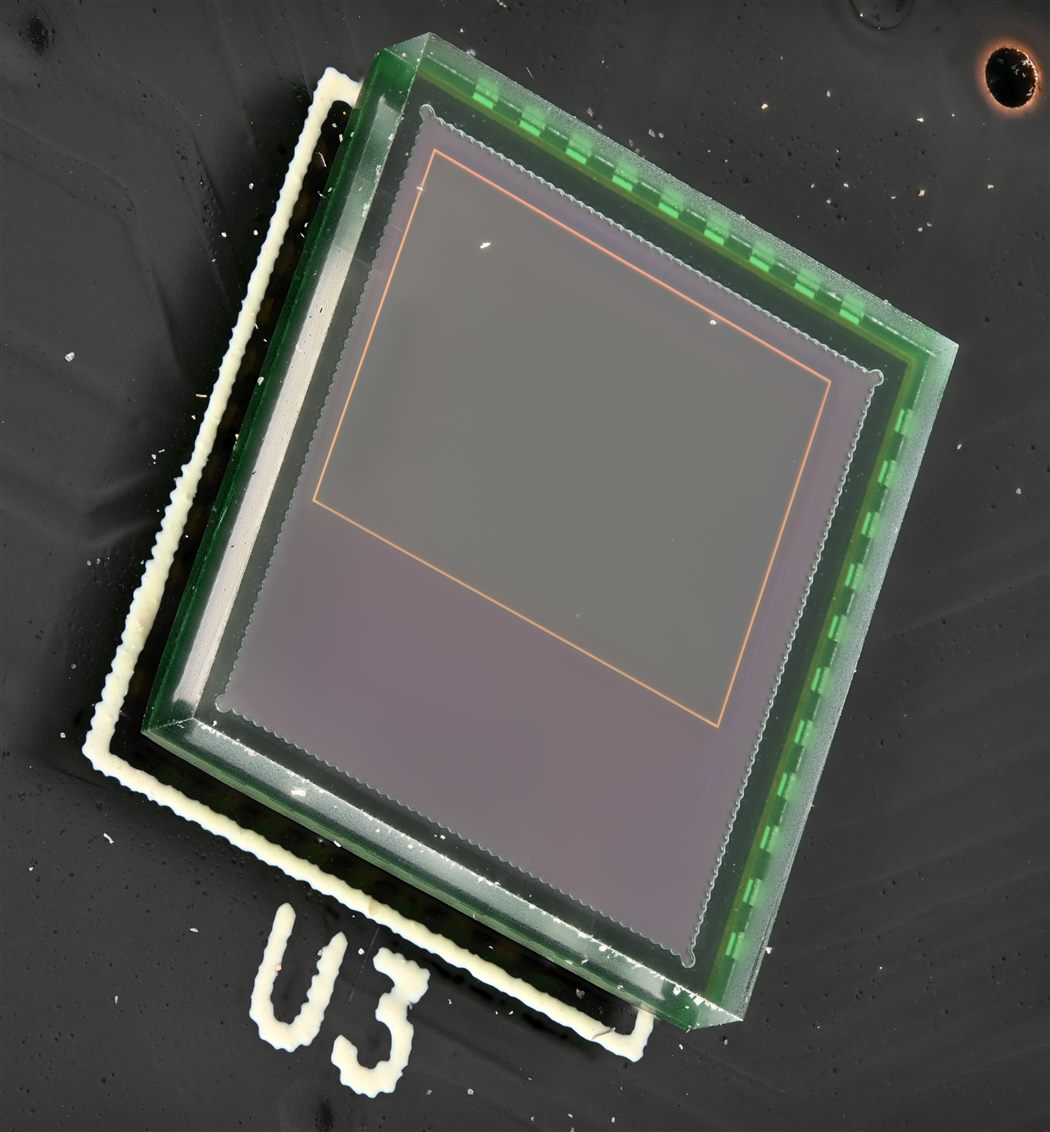
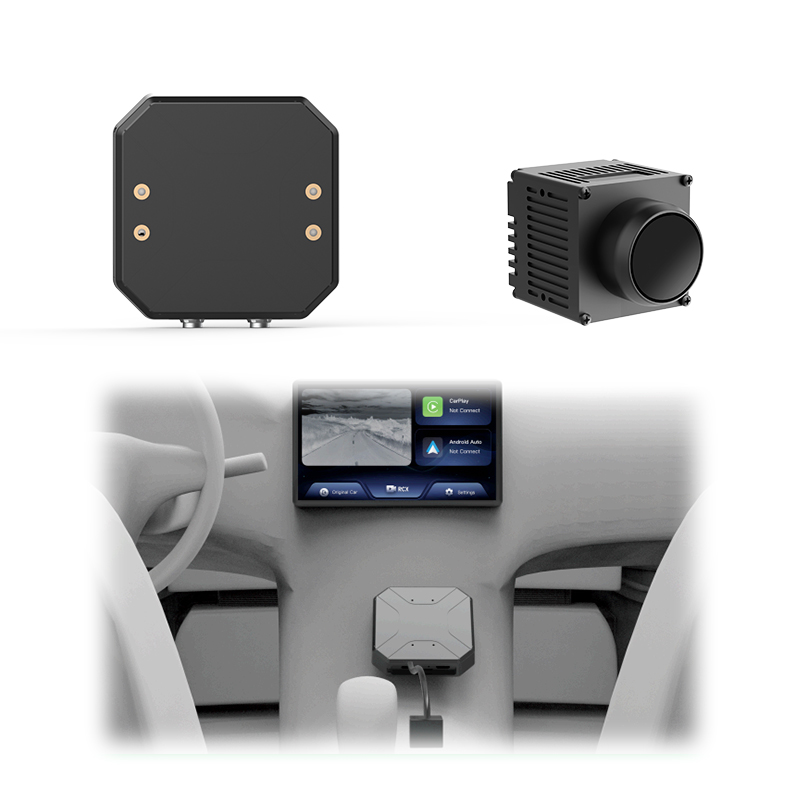
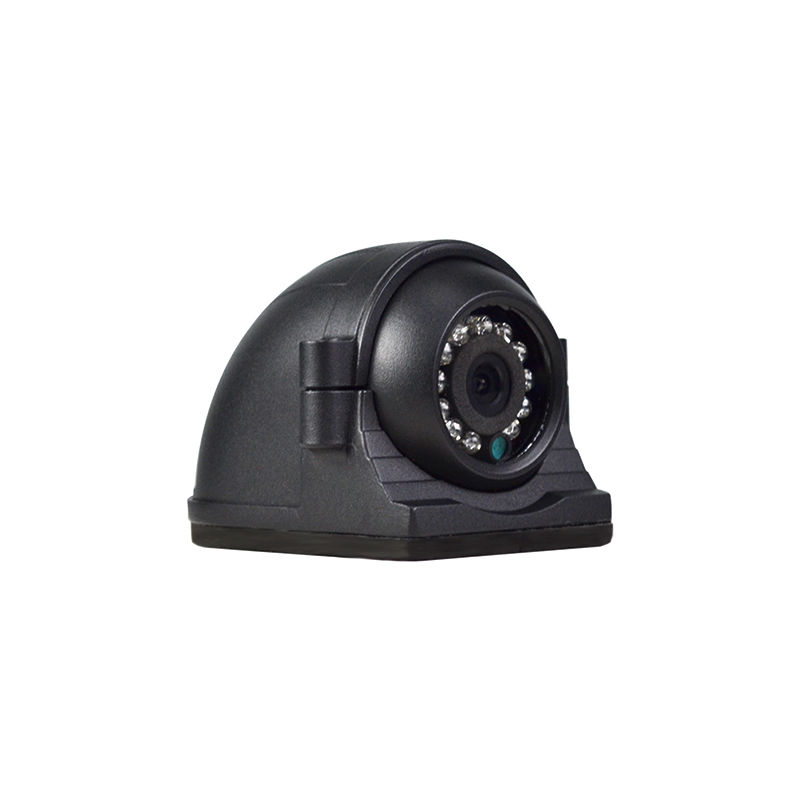
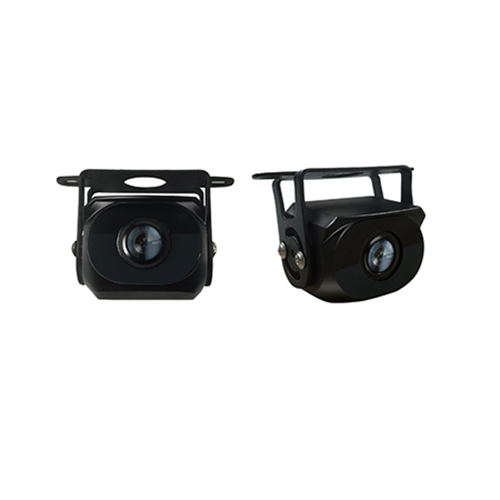
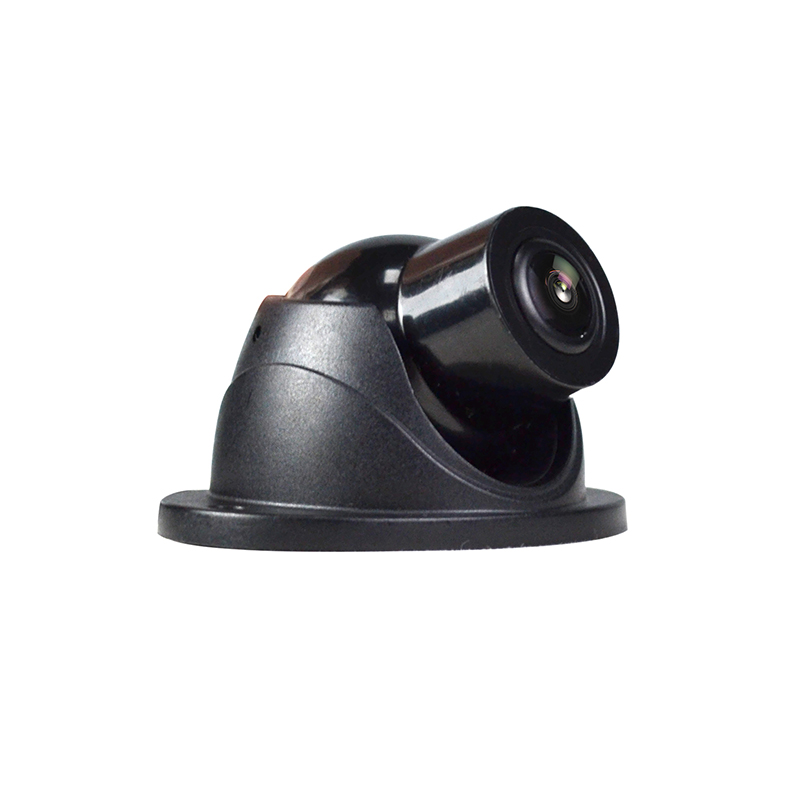
The sensor is the one night lever software cannot turn after the vehicle ships. The photon budget is largely decided the moment the part is chosen. Start with the pixel, the bucket each photon falls into: a larger pixel presents a wider mouth to the thin light and catches more of it. For a fixed chip area the designer faces a standing choice, between many small pixels, with resolution and a grainy night, or fewer large pixels, with a coarser image and a cleaner one, the trade the daytime spec sheet hides and the night exposes. The heavy-vehicle page’s hunger for canvas pixels and the night’s hunger for pixel size pull on the same chip in opposite directions. A long bus that works after dark feels both pulls at once. Back-illumination is the next gain, the structural change the low-light sensor families are built on: an ordinary sensor runs its wiring across the front of each pixel where it shades part of the light. A back-illuminated sensor flips the silicon so the light-gathering layer sits on top with the wiring behind, handing each pixel the photons the wiring used to block, a real lift in the exact conditions a night vehicle lives in. The published low-light families stack both moves of large back-illuminated pixels and add a third that pairs with the next section: near-infrared sensitivity, the receiving surface textured to bend invisible near-infrared light into the silicon and absorb more of it, a recent generation claiming roughly two and a half times the older one’s infrared response. That extra reach is what lets the same sensor see by an infrared lamp the eye cannot. On-sensor high dynamic range belongs in the same part, the trick of holding a bright headlight and a dark verge in one frame by capturing a short and a long exposure and merging them, the feature the headlight-facing camera of the section above cannot do without. The product line the blueprint names for this leaf sits in this class, a sensor designed for the dark from the start. The choice carries its own bills. A low-light sensor costs more. The larger pixels mean fewer of them, leaving the canvas the mathematics page fills coarser. The part is frozen at fitting like every other camera property the calibration page records. The sensor sets the ceiling. Every later lever works under that ceiling. None of them lifts it.
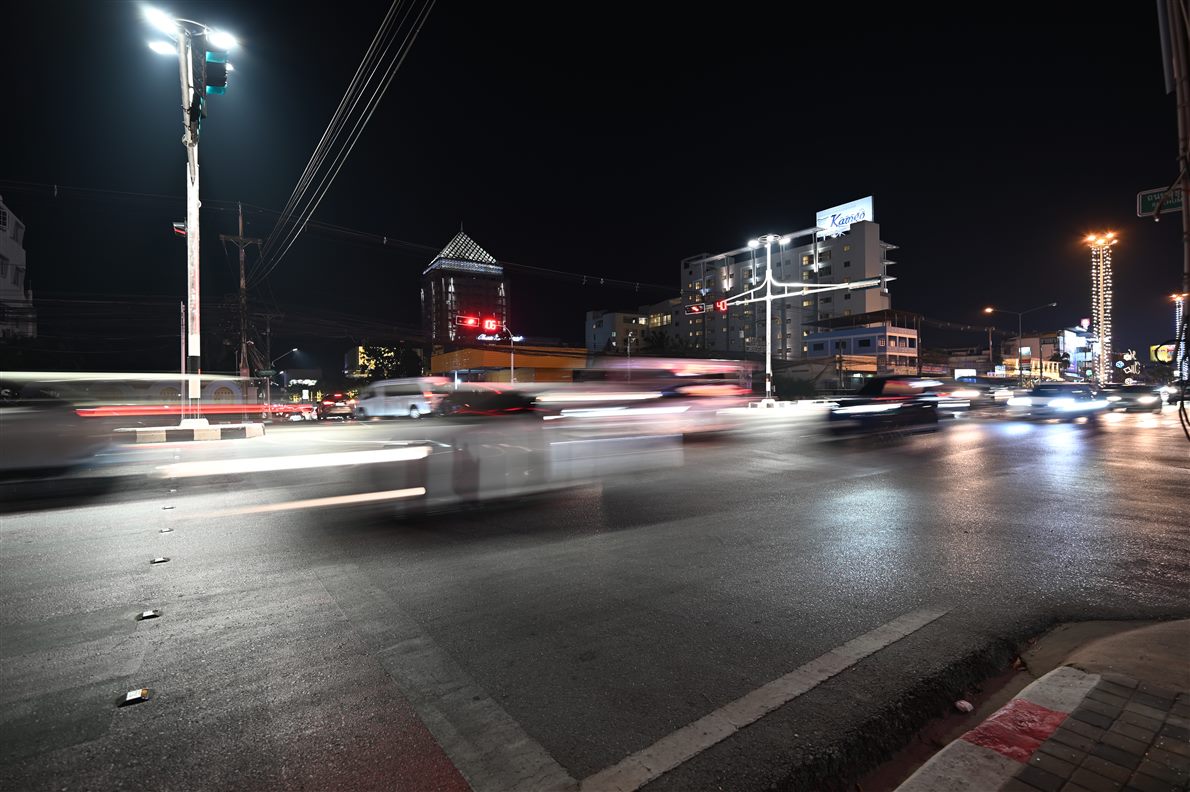
Under the sensor’s ceiling sit three runtime knobs. Turning any one of them to fix the night picture worsens something the other two must handle. Exposure time is the honest one: hold the shutter open longer and the pixel collects more real light, the grain falls, the picture cleans. The bill is paid in two currencies the frame-rate page already counted. A long exposure caps the frame rate, because a sensor held open for a fortieth of a second cannot deliver more than forty frames in it. A longer hold drops the ceiling further. The same long exposure smears motion, the streaked headlights in the intersection photograph above, harmless on still ground at a crawl and ruinous on a pedestrian crossing the frame.
Gain is the fast knob with the cost the photon-budget section already named. It brightens instantly, spends no time and amplifies the grain as hard as the signal. A night system leans on gain when the frame rate cannot be spent on a longer exposure and pays in noise for every stop it adds. Gain and exposure trade against each other on the same shortage: a system either waits to collect light or amplifies the little it already has.
Denoising is the third corner. Its bill lands squarely on the frame-rate page’s budget. Software can average the grain away, across the frame or across several frames in time, leaving a clean picture. The averaging costs computation, time added to the glass-to-glass total. Pushed hard it smears fine detail into a watercolor blur that can dissolve the one dark obstacle the system needed to keep. Temporal averaging across frames carries its own night trap: it cleans still ground beautifully and ghosts anything that moves, the pedestrian smeared once more.
High dynamic range sits across the triangle for the headlight-facing camera. Capturing a short exposure for the bright sources and a long one for the dark verge and merging the two holds a lit junction and a black kerb in one frame. The merge costs the capture of two frames and the processing to combine them, latency again. An object that moves between the two exposures splits into a doubled edge, the HDR version of the motion smear. The night tuning is the act of placing each camera on this triangle, a longer exposure here, more gain there, denoise to taste, HDR on the camera that faces the lights, every setting a withdrawal from the same frame-rate and latency account the previous page opened.
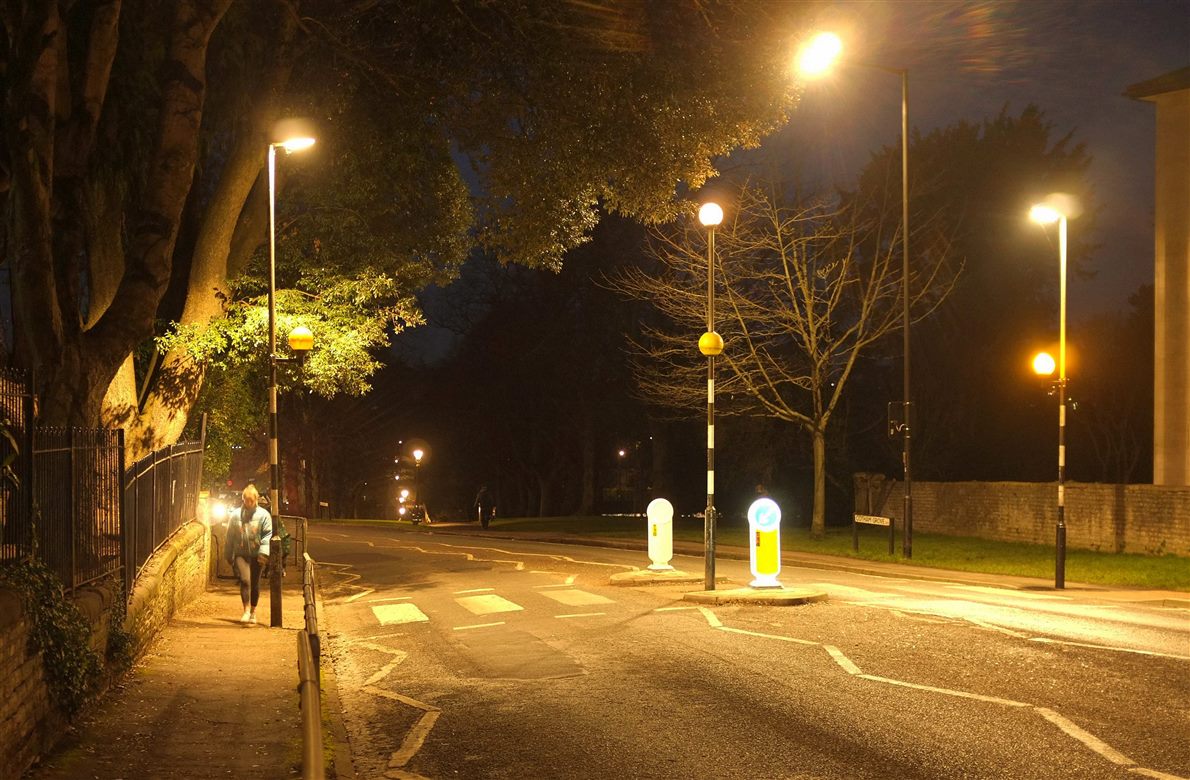
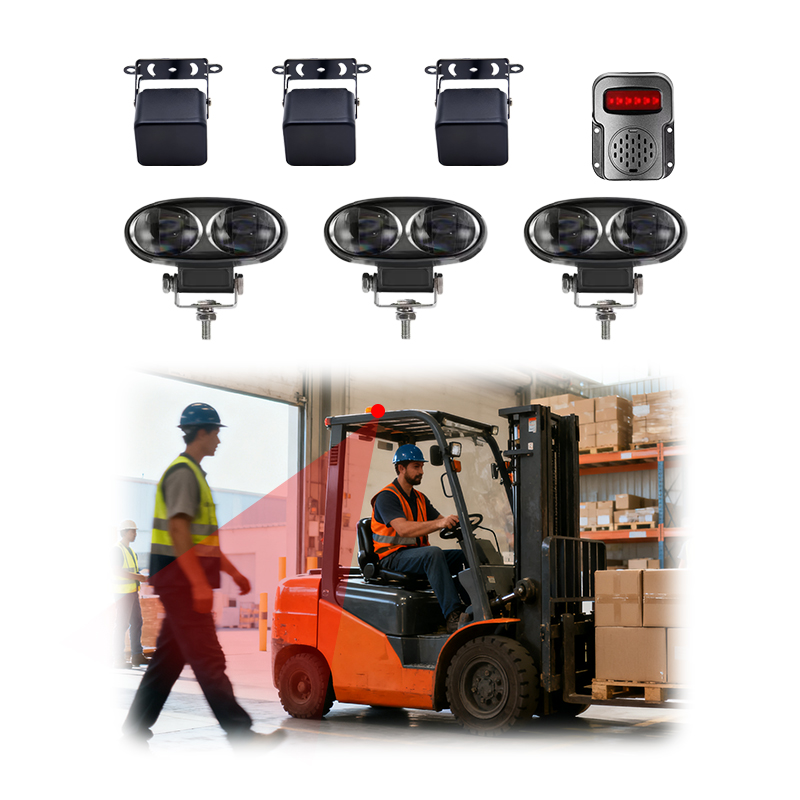
When the sensor and the tuning have spent their light, the last lever is to make more. Two kinds of lamp answer, each buying something different. Visible illumination, a work lamp or the reversing light, adds photons the camera and the driver both see. It lifts real signal, the cure gain could not give, lighting the near ground honestly. Its limits are practical: a lamp bright enough to matter draws power, throws glare back off wet tarmac into the camera it serves and meets rules about dazzling other users on a public road. Visible light helps the close apron and runs out fast past it.
Near-infrared illumination is the quieter tool, paired with the sensor section’s third gain. An infrared lamp floods the scene with light past the red end of vision, invisible to the eye and to other drivers, bright to a sensor built with infrared sensitivity. The camera sees a lit world where a person standing beside the vehicle sees darkness, the trick behind fixed-camera night vision generally. For a vehicle that maneuvers among people at night without lighting up the neighborhood, the appeal is plain.
Infrared carries one cost that lands hardest on a color overhead view: it drains the color out. Daytime cameras hold an infrared-blocking filter in front of the sensor to keep colors true. Seeing by infrared means lifting that block and letting the invisible light in, a change that pulls the picture toward gray. A red kerb and green grass that the daytime composite drew in color arrive at night as two shades of one monochrome. A system promising full-color bird eye view at midnight is promising something the physics resists.
The surround geometry adds a problem a single camera never has. Lighting a whole circle around a long vehicle from lamps mounted at its corners leaves bright pools near each lamp and dim gaps between them. The seams fall in exactly the transition zones where the light is changing fastest. Reflectivity widens the unevenness: a retroreflective sign or a worker’s hi-vis strip blazes white under infrared. Dark clothing barely returns it, leaving the one obstacle the system needs dimmest in the flood built to reveal it. Four illuminators around a coach rarely paint an even ring.
The honest night design stacks the levers in order and over-promises none. The low-light sensor does the heavy lifting, the tuning spends the frame-rate budget with care, modest infrared fill covers the near apron where the body can host the lamps. The specification states plainly that the night view runs near-monochrome and reaches as far as the light does. A system sold as seeing in color to the horizon at midnight is selling the one thing the dark will not give.
One night fact is a quiet relief: the geometry holds. The lookup table the mathematics page froze maps pixels to ground positions by angle and pose. Angle and pose do not care how much light arrives. A kerb sits at the same grid cell at midnight as at noon. The night attacks the photometric machinery and the feature-based machinery. The geometry it leaves alone. A night composite tears and shimmers and drifts in color. Its lines stay straight. The distance bands a driver reads still measure true even when the picture looks rough.
The blend bands suffer first. The seam page’s band mixes two camera views across its width. At night it mixes two noisy ones, the band itself becoming a strip of restless grain where the eye reads a flickering edge daylight never showed. The bigger the gain difference between the two cameras, the worse the boundary. The corner where the headlight camera meets the dark one carries the loudest shimmer. The color loop adds its own residue, the quadrant step the second section described, drawn plainly on a dark canvas with little detail to hide behind.
The feature-based machinery loses its footing. The online-calibration methods the regimes page weighed read lane lines and ground texture to check the cameras’ poses in service. A dark, grainy, low-contrast night frame starves them of the features they track. The self-checking layer goes quiet at night, blind in exactly the hours a kerbed wheel or a knocked mirror tends to happen. The frozen calibration carries through untouched, the night vindication of the regime that does not depend on reading the road. The monitoring hybrid sleeps until the texture returns at dawn.
The outer ring pays twice. The composite’s edge was already the softest ground by day, interpolated from the fisheye’s thin rim pixels. At night those same rim pixels are the dimmest and the noisiest. The two weaknesses land on the same band of the picture. The far apron a driver leans on for the widest view is where night quality falls off first. A night system that has read this page draws that ring conservatively and lets the acceptance walk check it cold, the subject of the next section.
A night system has to be accepted at night, on the ground it will work, because a showroom and a lit workshop both hide the only fault that matters. The test is the daytime acceptance walk moved into the dark: a person laps the vehicle and the screen is read for them at every corner, with the lighting cut to the worst the route delivers, in an unlit yard. The walker wears dark clothing on one lap, the hardest target the photon budget faces. The question is plain: does the screen hold them through every seam, or do they vanish into the grain.
Three numbers turn the walk into a record. The low-light figure states the illumination, in lux, at which the system still resolves that dark-clad walker, the honest measure of how dark is too dark for this fit. The frame rate is read again in the dark, because the long night exposure that cleaned the grain may have dropped the rate below the daytime figure. A number that held at noon can sag after dusk. The latency is checked by the timer method the frame-rate page set out, since a heavier night denoise stage lengthens the glass-to-glass total.
The seam corners get one extra look. The join between the brightest-facing camera and the darkest is read for the shimmer and the color step the earlier sections set out, on the dark bench where they show worst. A system that passes a lit bay and fails an unlit yard passed the wrong test. The certificate should name the lux it was proven at, telling the next reader what the pass covered.
Four lines carry the night into a purchase document. The sensor line names the class, a low-light back-illuminated part with stated infrared sensitivity and on-sensor high dynamic range, built for the dark from the start. The night frame rate line states the frames a second the system holds at the worst lighting it claims, the figure a long exposure quietly erodes. The illumination line states what light the fit adds, visible or infrared, where it covers and where it leaves gaps, with a plain word on whether the night view is color or near-monochrome. The night acceptance line moves the walk into an unlit yard with a dark-clad walker and records the lux of the pass.
Night is where a surround view stops being a convenience and becomes the only eyes on the dark beside the vehicle. The daytime picture forgives a cheap sensor and a loose budget. The dark forgives neither. The buyer who wrote the four night lines into the order gets a screen that still tells the truth at the hour the mirrors went black. Daylight sells the system. Darkness is what it is for.
A camera counts light particles in each pixel during the exposure, and after dark that count falls from thousands to a handful. Counting a small number of random arrivals is uncertain. The uncertainty is the grain. Its size relative to the signal grows as the light falls: a starved pixel wobbles by half its value, a well-lit one by only a rounding error. The grain is the shortage of light made visible, set by the count itself, beyond the reach of any processing. The fixes add real light or collect more of it. None of them wishes the noise away.
Turning up the gain brightens the picture and helps nothing underneath. Gain multiplies every pixel’s value, the grain as hard as the signal. A noisy dark frame amplified becomes a bright noisy frame, the same poverty at a higher volume. It is the fast knob because it costs no time, the lever a system reaches for when the frame rate cannot be spent on a longer exposure. Real improvement comes from a longer exposure, a more sensitive sensor or added light, the three levers that raise the signal itself.
A low-light sensor built for the dark from the start. A daytime part re-pointed at it will not do. The features that matter: large pixels for a wider mouth to the thin light, a back-illuminated structure that moves the wiring behind the light-gathering layer so each pixel catches more, near-infrared sensitivity to pair with an infrared lamp, on-sensor high dynamic range to hold a headlight and a dark verge in one frame. The bills are a higher part cost and fewer, larger pixels, leaving a coarser canvas. The sensor sets the night ceiling. No firmware lifts it after fitting.
No, or barely. A daytime camera blocks infrared with a filter to keep colors true. Seeing by infrared means lifting that block and letting the invisible light in, a change that pulls the picture toward gray. A red kerb and green grass arrive as two shades of one monochrome. Infrared helps by lighting a scene the eye reads as dark, dazzling no one, the trick behind fixed-camera night vision, with color given up in trade. A system promising a full-color bird eye view in true darkness is promising what the physics resists.
The geometry holds in the dark. The lines stay straight. The photometry is what falls apart. Four cameras face four different night scenes, one into headlights and one into a black verge, their exposures, gains and white balances diverging far more than by day. The blend band at each seam mixes two noisy, mismatched views into a flickering edge, worst at the corner where the brightest-facing camera meets the darkest. The color loop leaves a visible quadrant step on the dark canvas. The joins degrade because every divergence the daytime system managed grows after dark.
At night, on the darkest ground the route delivers, away from the lit workshop that hides the only fault that matters. A walker laps the vehicle in dark clothing as the screen is read at every corner. The question is whether they stay visible through every seam or vanish into the grain. Record three numbers: the lux at which the dark-clad walker still resolves, the frame rate held in the dark after any long exposure, the glass-to-glass latency once the night denoise stage is running. The certificate should state the lux of the pass.