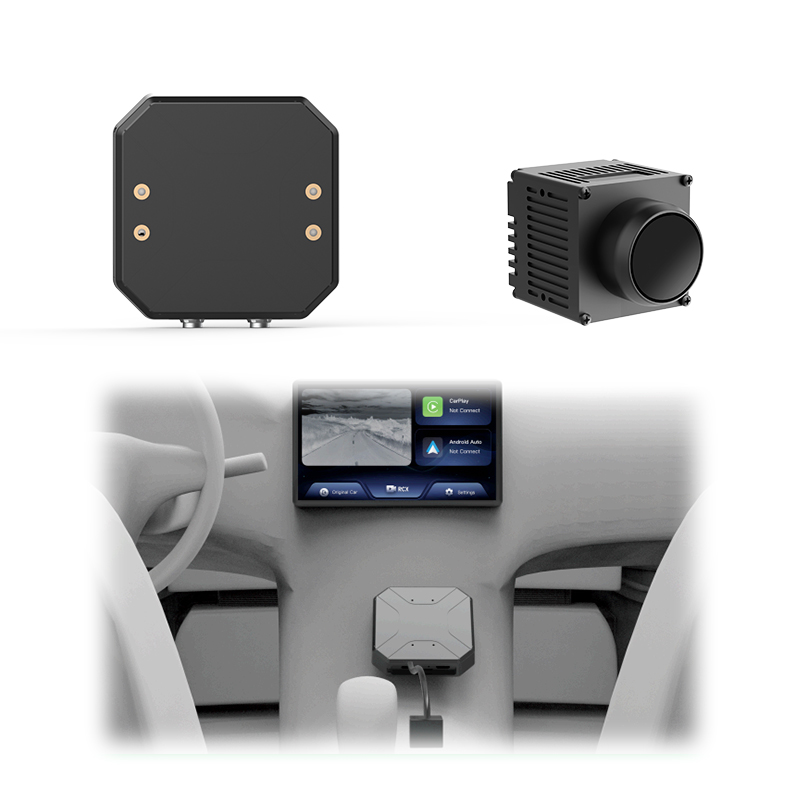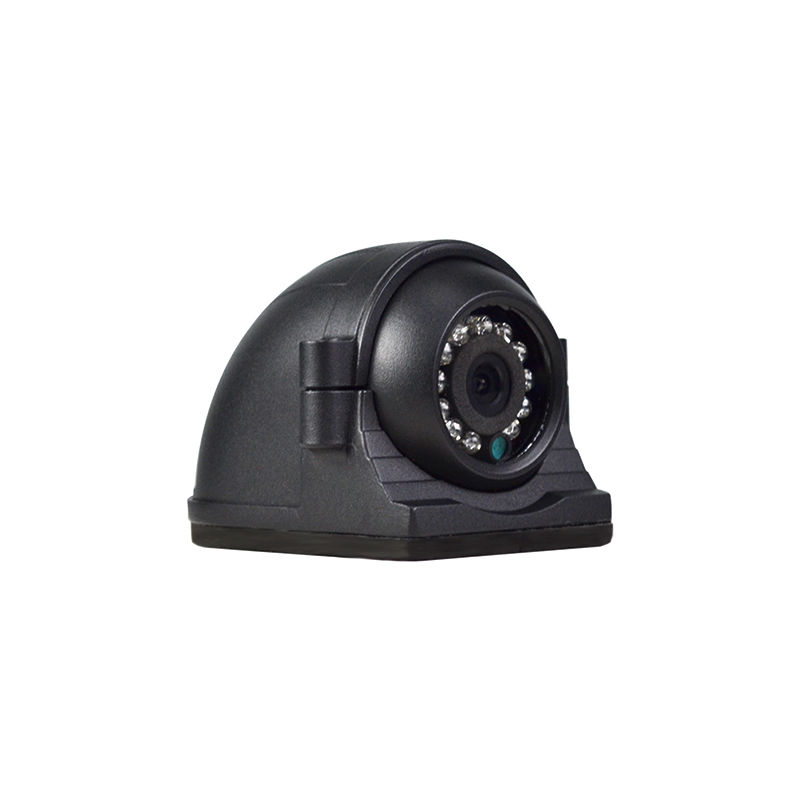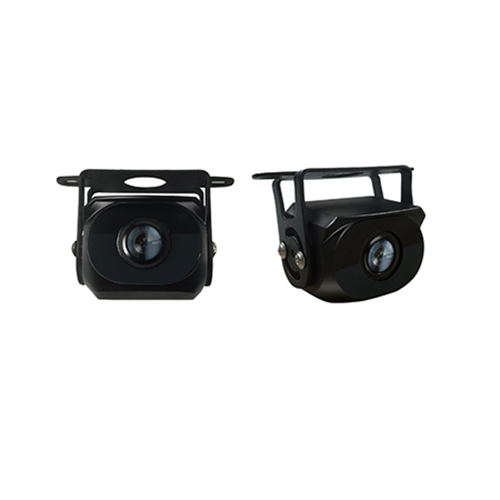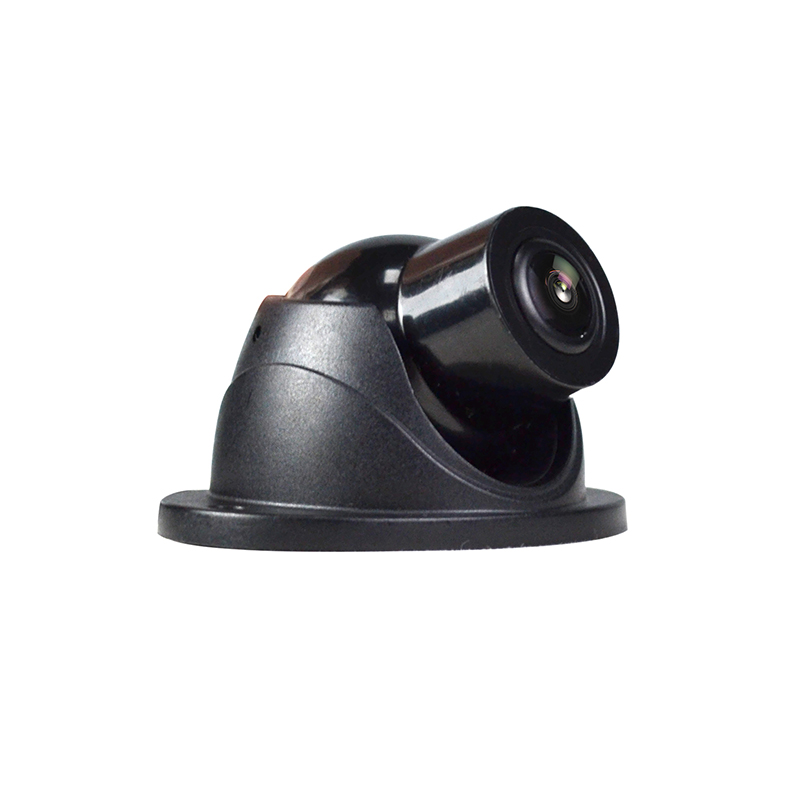

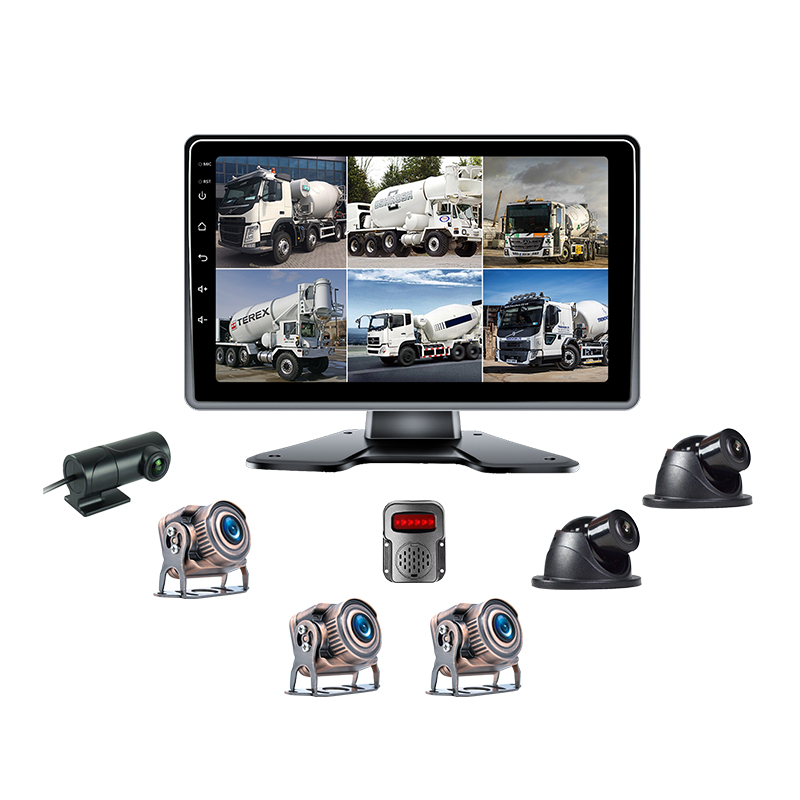
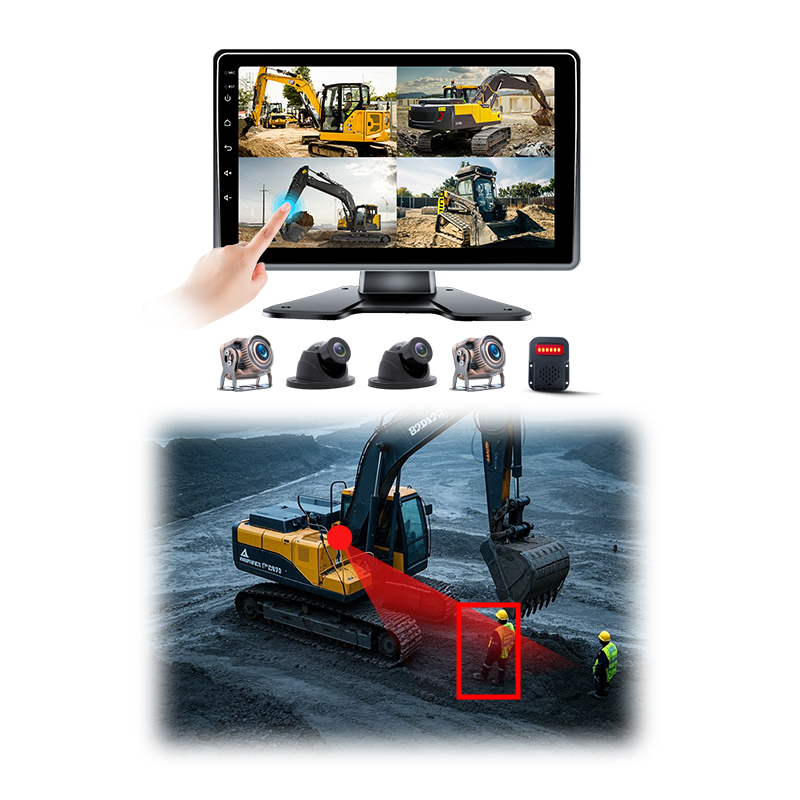
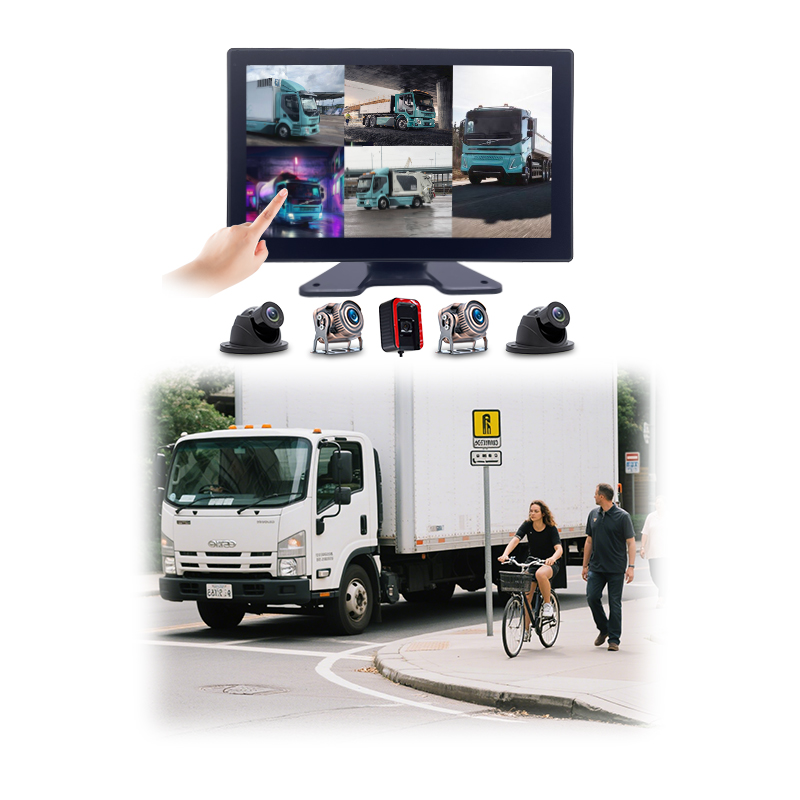

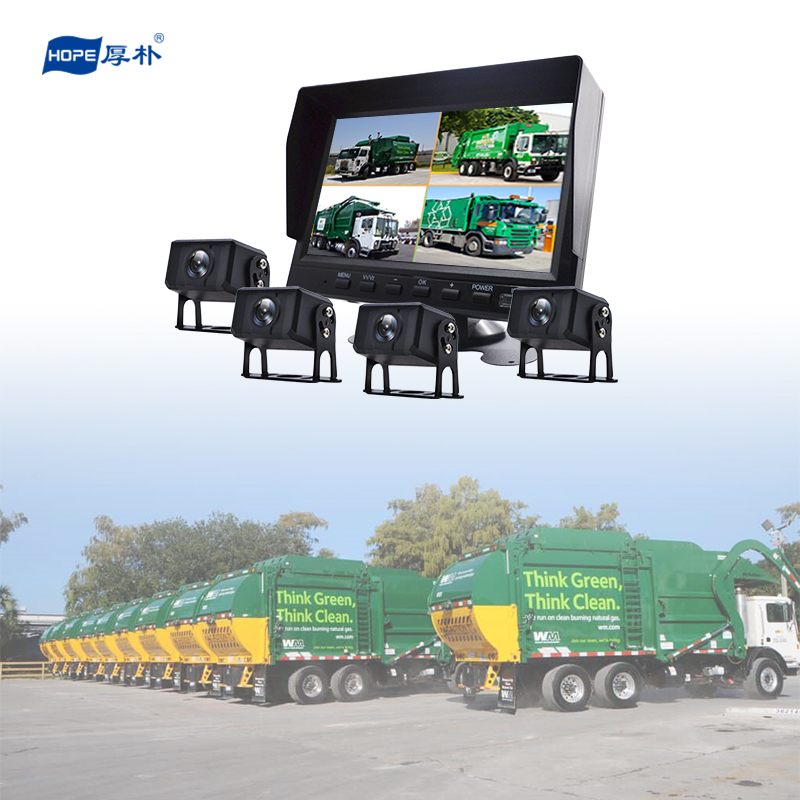
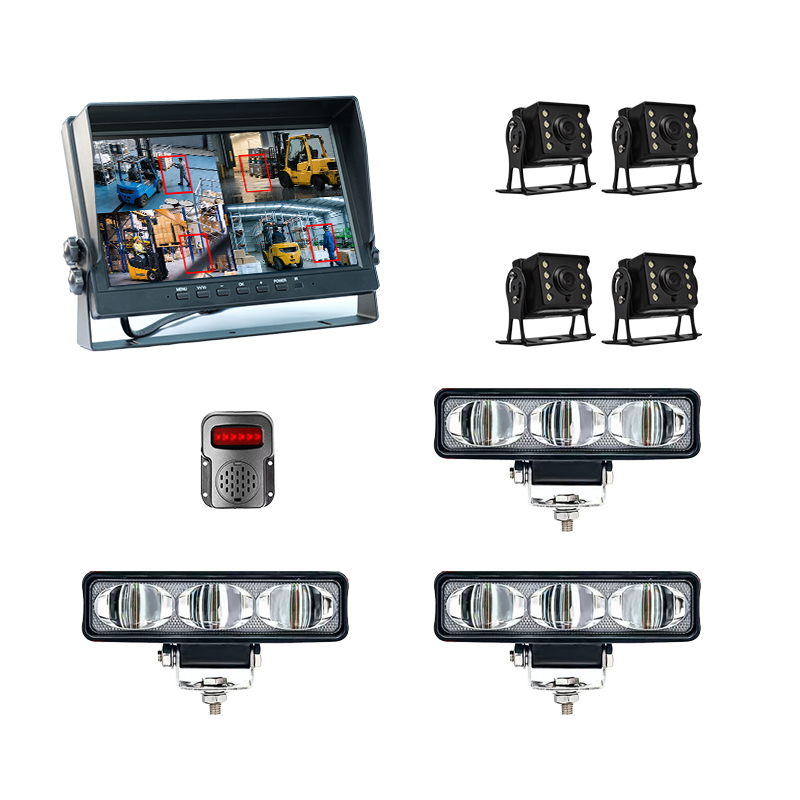
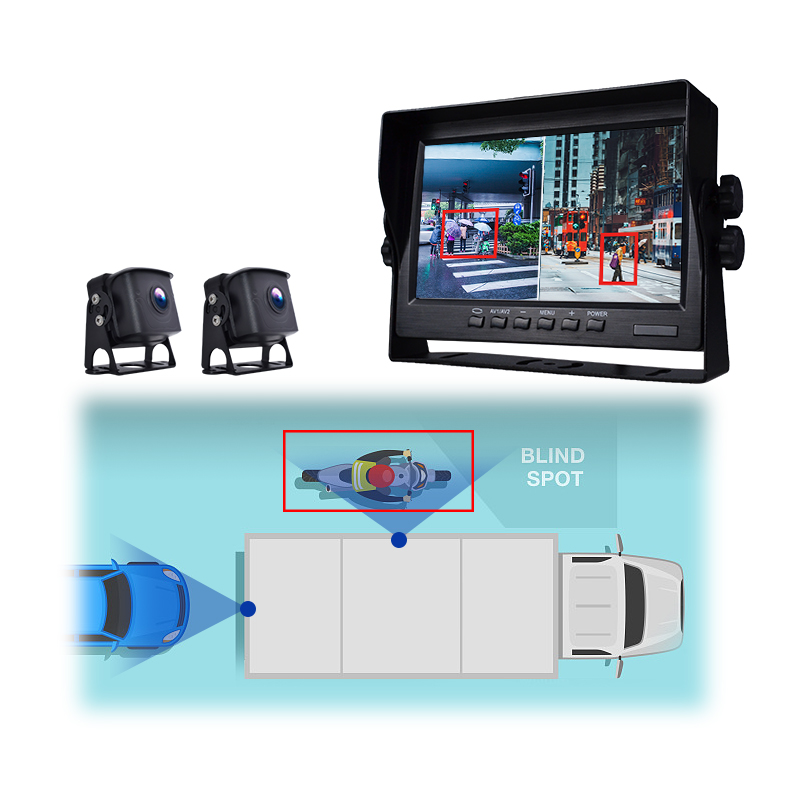
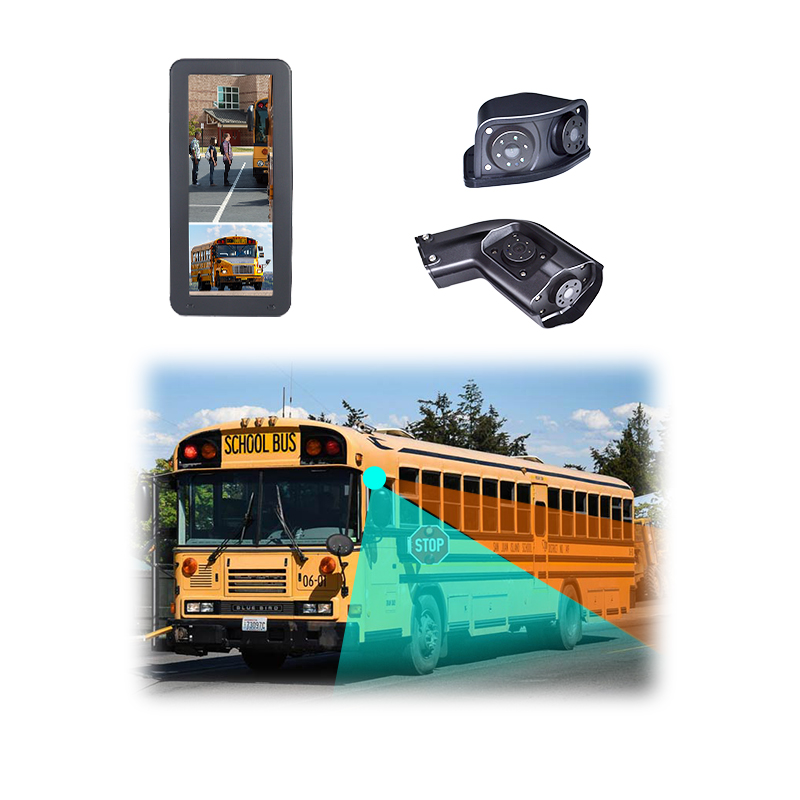
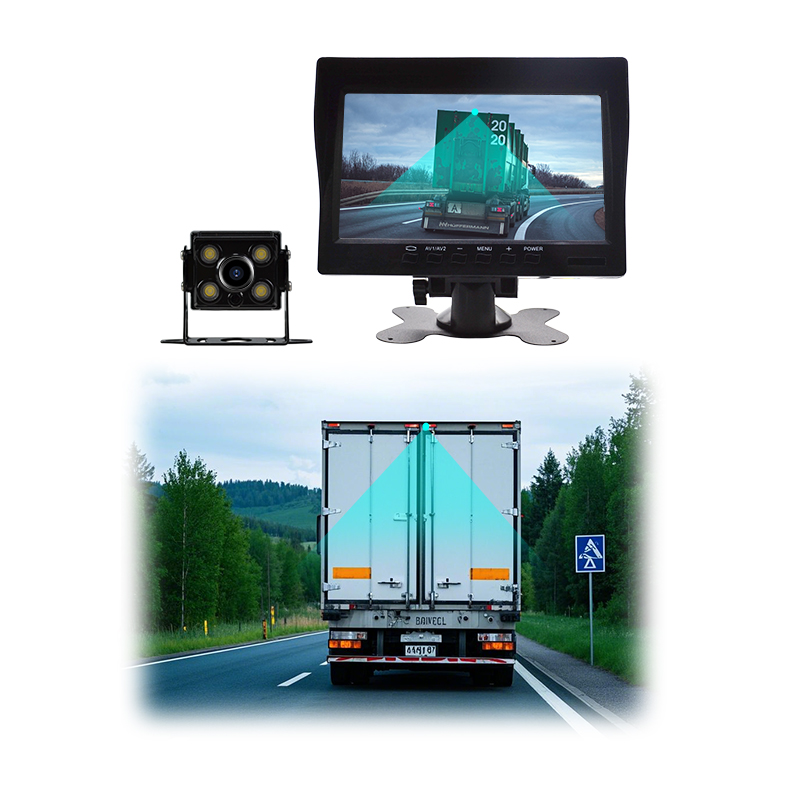
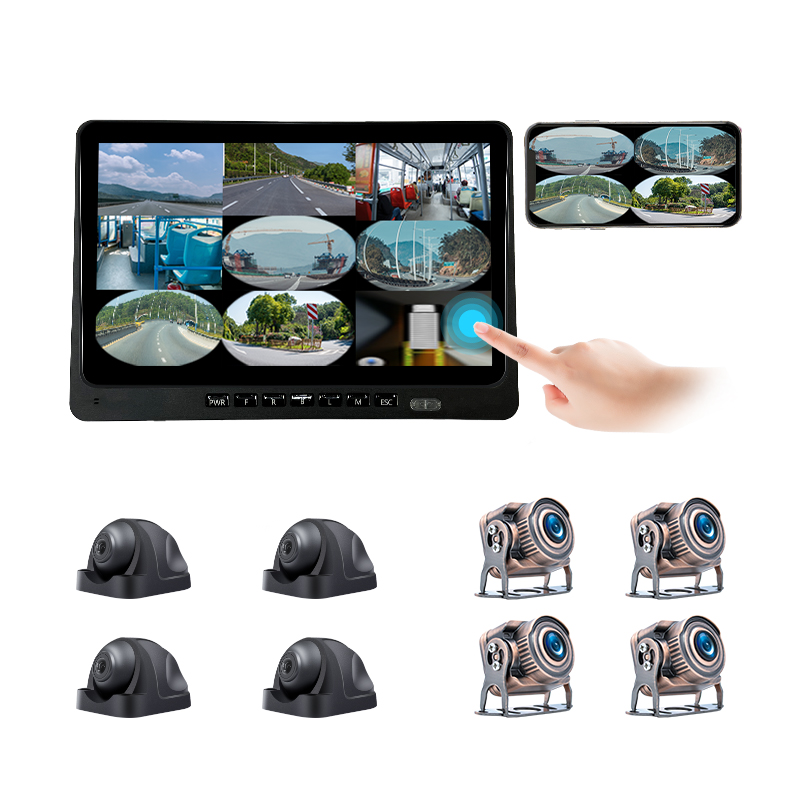
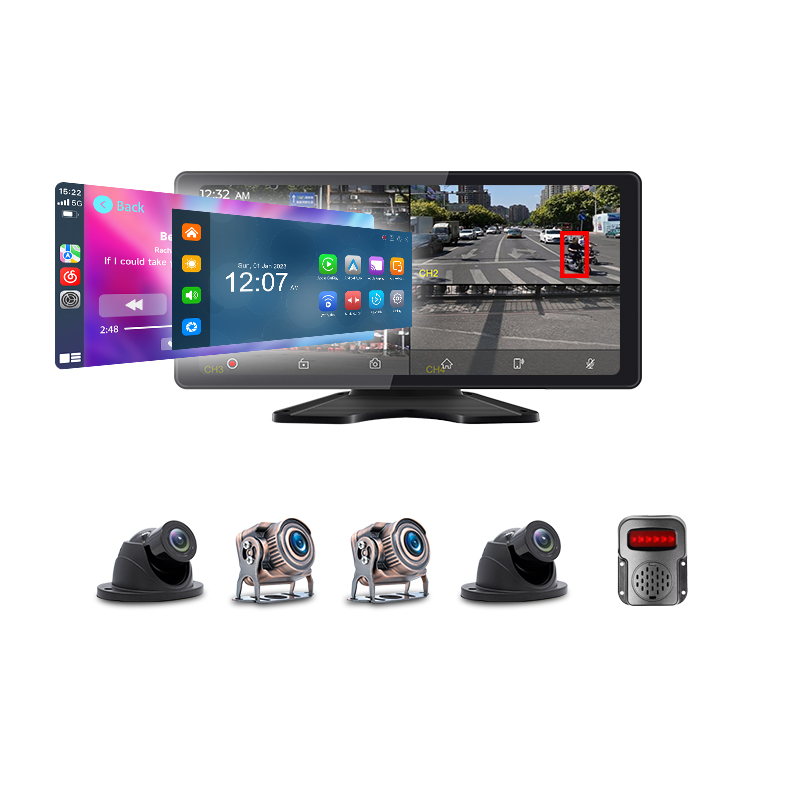
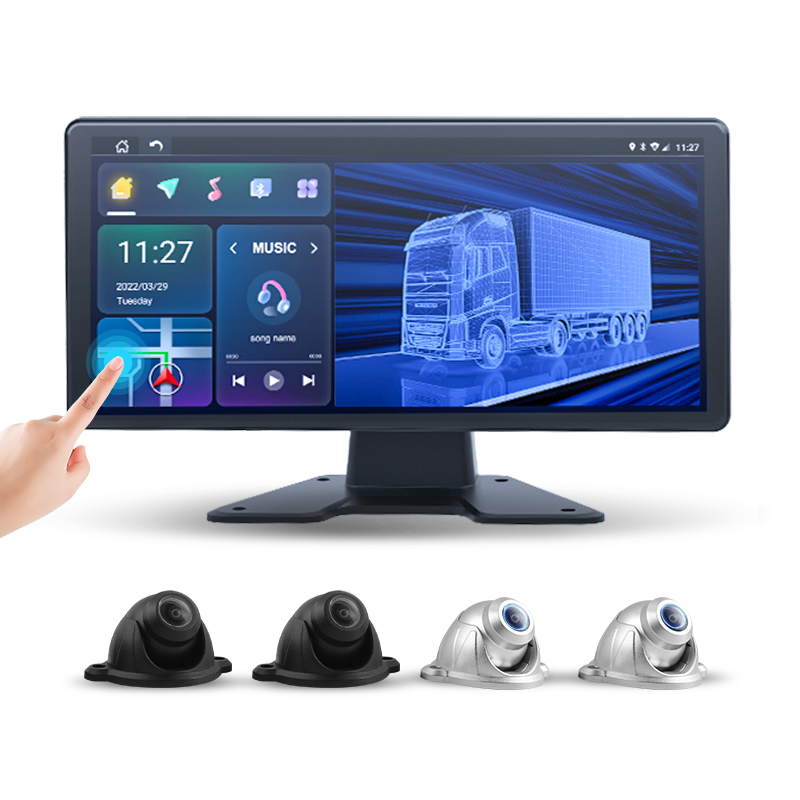
A surround view system on a delivery van and a surround view system on a twelve-meter coach carry the same product name and run the same mathematics. They are two different instruments. The differences are consequences of length, height and mass. They decide camera count, calibration logistics, screen layout and what the system costs to own. A buyer who specifies the van version onto the coach gets a system that stitches, displays and disappoints.
One boundary first. Heavy in this page means a large rigid body: a coach, a city bus, a rigid truck. The tractor and trailer case pivots at a coupling, its geometry changes by the second. Everything about stitching across that joint belongs to the articulation page, with multi-trailer switching on its own page beside it. The split keeps both treatments honest: nothing here assumes a pivot, nothing there assumes a rigid frame. Rigid bodies, large and small, are this page’s whole subject.
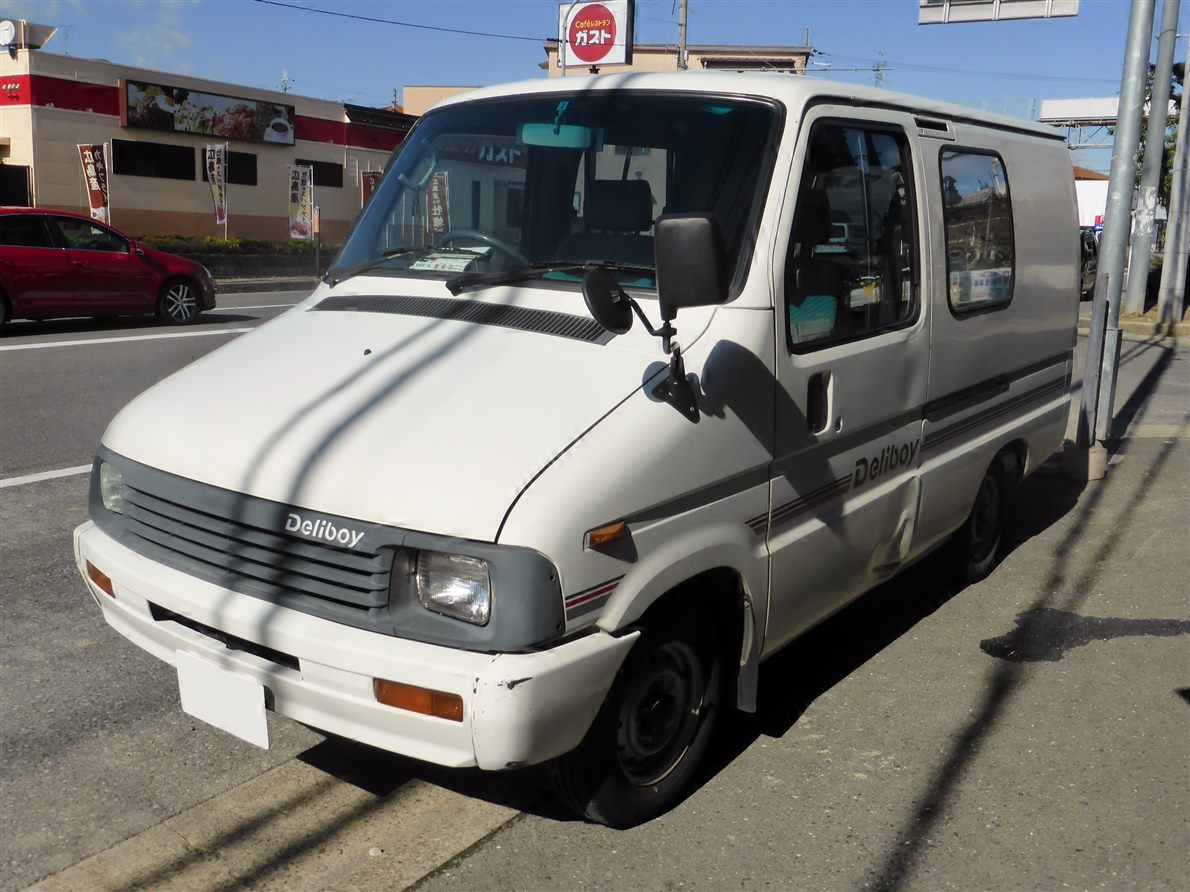
The light end is the reference because the published mathematics and the bulk of the product photography grew up there. A van’s four cameras sit close together on a body of four and a half meters, a meter or so off the ground, watching an apron of asphalt that fits inside a tennis court. Side cameras stand barely three meters apart on the mirror stubs. Every page of this series so far holds on that vehicle without modification. The heavy end is where the same design runs out of slack, one dimension at a time, starting with the canvas itself.
Same arithmetic, different machine. The differences have numbers.
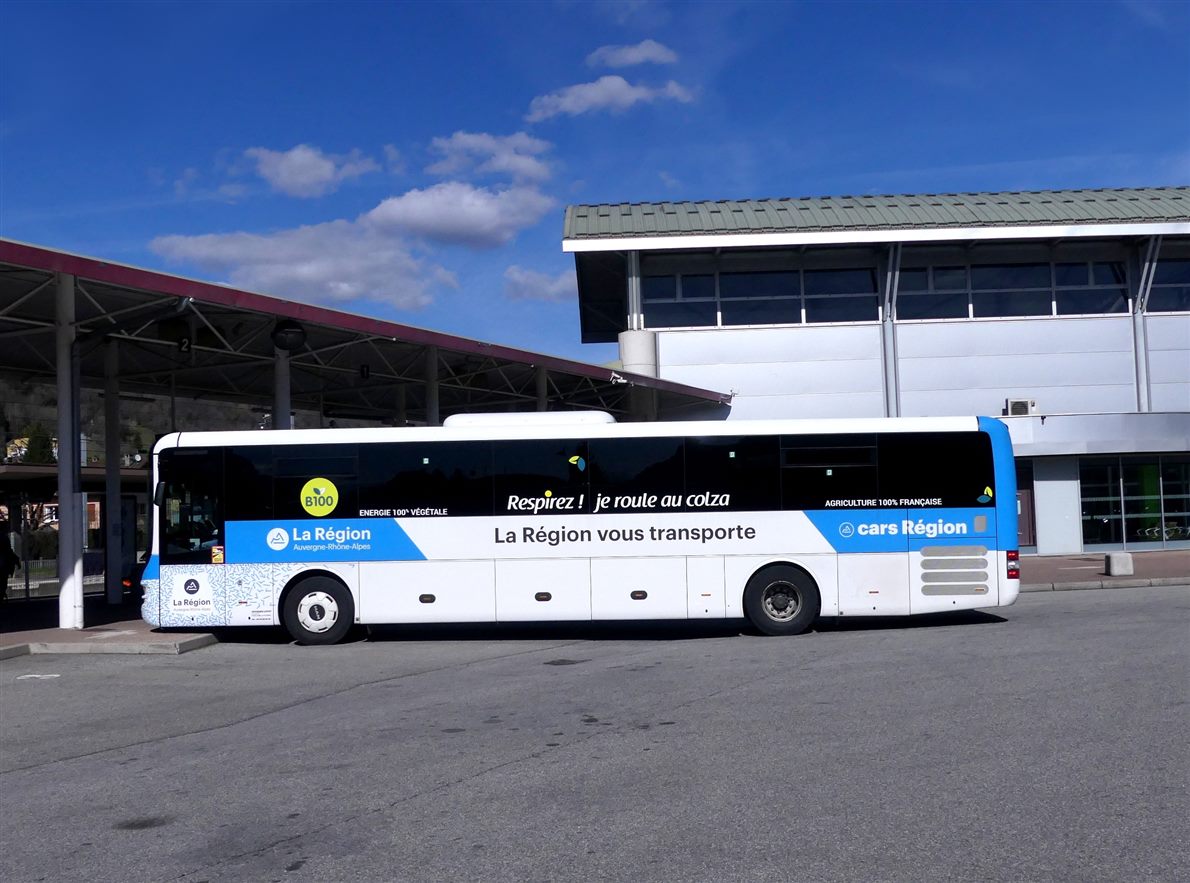
The first difference is the plain one: a coach is close to three times the length of the van and half again as wide. The four cameras keep their posts, front, rear, two sides. Every post now covers more. The side camera’s beat grows from under five meters of flank to twelve, watched from one mount on the forward mirror arm or the side skirt. The front and rear cameras stand twelve meters apart. Their corner overlaps with the side views sit far from each other, with a long stretch of single-camera coverage between them.
The bird eye canvas grows faster than the body. A composite drawn with a two-and-a-half-meter apron on every side covers roughly nine and a half by seven meters around the van, about sixty-five square meters of rendered ground. The same apron around the coach covers seventeen by seven and a half, close to a hundred and thirty. Double the rendered area, for the same apron, before any talk of pixels. The bodies themselves differ by a factor of nearly four in footprint. The apron dilutes the ratio to two, the fixed margin weighing more on the small vehicle. The apron is the working margin a driver needs. It refuses to shrink just because the body grew.
Length moves the seams too. On the van, the four corner overlaps sit within a few meters of each other. A walking figure crosses from one handover into the next in a couple of steps. On the coach, the two seams on each flank stand a bus-length apart, with a long single-source stretch between them where stitching plays no part at all. The middle of the flank, the wheels and the skirt and the luggage doors, rides on one camera alone, its accuracy set purely by that camera’s calibration with no neighbor to argue. The seam machinery of this series concentrates at the corners. Length stretches the quiet zone between them.
Every account that follows runs these two numbers through one subsystem. The camera count question is the twelve-meter flank refusing to fit one lens. The screen budget is the hundred and thirty square meters refusing to fit one display. The calibration question is the seventeen-meter layout refusing to fit a van bay. The numbers above are the only new facts. The rest is consequences.
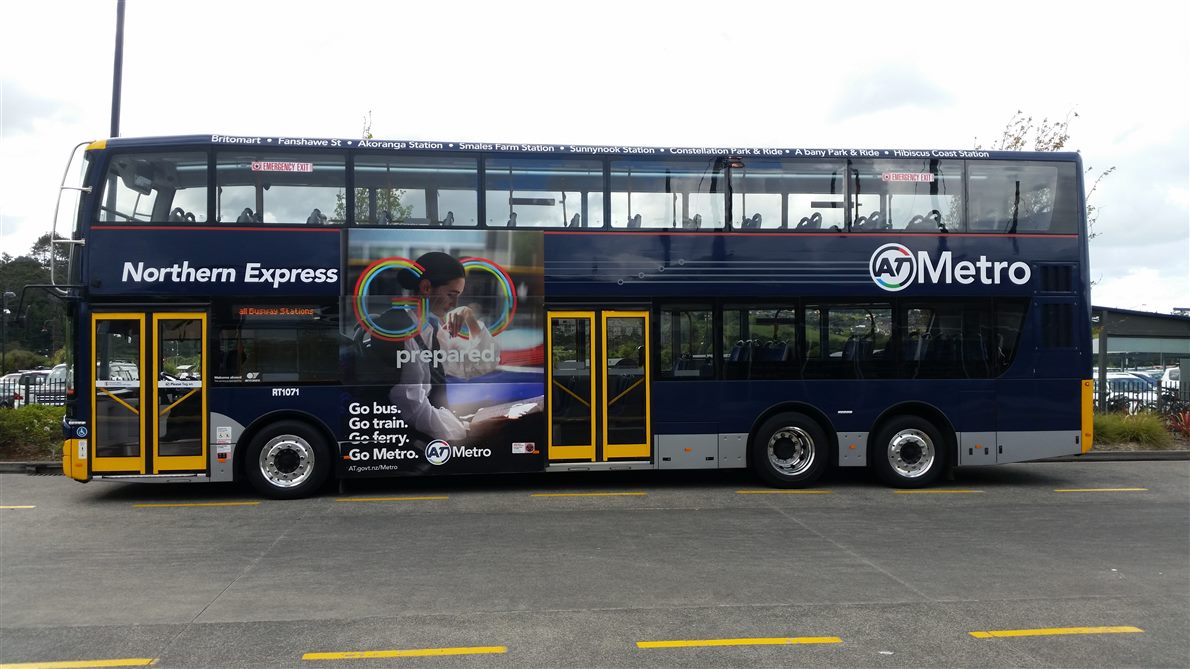
The second difference is vertical. A van’s cameras ride at headlight and mirror height, a meter or so up. A coach carries its front camera above the windscreen and its side cameras on high mirror arms, two and a half to three meters off the ground. The double-decker in the photograph pushes the same mounts higher again, on a body past four meters tall. Height changes the geometry of every ray the mathematics page traced, in the system’s favor first.
The favor is the steeper look. The mathematics page weighed pose error with a lever: the shallower a camera grazes the ground, the farther its intersection slides per degree of tilt. Height steepens the graze. For ground five meters out, a camera at one meter looks down at eleven degrees, a camera at three meters at thirty-one. Run one degree of pitch error through both: the low camera’s five-meter point slides by half a meter, the high camera’s by twenty centimeters. Same error, same distance, less than half the damage. Tall vehicles hold their distance bands steadier than the lever arithmetic first suggests.
The charge comes in mechanics and coverage shape. A three-meter mirror arm is a longer beam in the wind, alive with vibration, an easier target for branches and wash brushes, with every knock a pose event for the trigger list. Directly below the camera, the body’s own skirt shadows a strip of ground the lens cannot see past, the close-in band that low van cameras read well. Coach installations answer with the camera angled harder down, a lower auxiliary lens on the skirt, or both, each answer carrying its own calibration entry. Height buys the far field and surrenders the near strip.
The two effects meet in the composite’s outer ring. The high camera sees farther with a steadier projection. A coach’s canvas can honestly draw a wider apron than a van’s at the same per-degree risk. The far tape checks of the acceptance walk still apply unchanged, read at the wider apron’s own marks. A recorded clip from the high rig covers events a van’s composite would never have framed, a quiet gain for the evidence chain. Height moves where the errors live. It cancels none of them.
Four cameras remain the baseline at both ends of the size range. Plenty of twelve-meter installations run exactly four and pass their acceptance walks. The strain shows at the side posts, in the numbers. One fisheye covering a twelve-meter flank spends its sharpest center pixels on the middle of the bus and reaches both corners with its softest rim, the resolution arithmetic the mathematics page set out. The corners are where the overlaps live, where the seams take their inputs, where the registration leans hardest. A four-camera coach works. Its corner imagery runs closer to the quality floor than a van’s ever does. The acceptance walk reads the difference directly: the painted lines at the coach’s far corners cross the seams on the softest pixels either camera owns, the first place a marginal calibration shows.
The next step is six. Suppliers ship six-camera variants for long bodies, the side post split into a forward and a rearward camera, each answering for six or seven meters of flank. The forward unit commonly keeps the mirror-arm height. The rearward unit takes the skirt or the upper rear quarter, positions chosen so the two beats overlap mid-flank with margin for a seam. Published supplier guidance puts the changeover around the twelve-meter mark, the longest-vehicle class in catalog language, with more lenses again on special bodies. Each side camera now works its sharp center over a shorter beat, with the rim quality the corners receive rising accordingly.
The seams multiply with the cameras. Four cameras stitch at four corner seams. Six cameras add a fifth and sixth handover, one mid-flank on each side, where the forward and rearward side cameras meet. Every mechanism the seam page describes now runs at six stations: six seam lines, six blend bands, a photometric ring of six members whose closure error spreads across six joins. The mid-flank seams cross the luggage doors and the wheel arches, traffic the corner seams never carried. A passenger boarding mid-bus walks straight through a handover, the walking-figure check of the acceptance walk gaining a station of its own.
Calibration grows with the count. Six poses of six numbers, six lens profiles, a cloth layout with patterns serving the mid-flank pair, a configuration record with two more entries to version. The session of the calibration page keeps its structure and gains stations. Nothing in the mathematics changes. There is more of it.
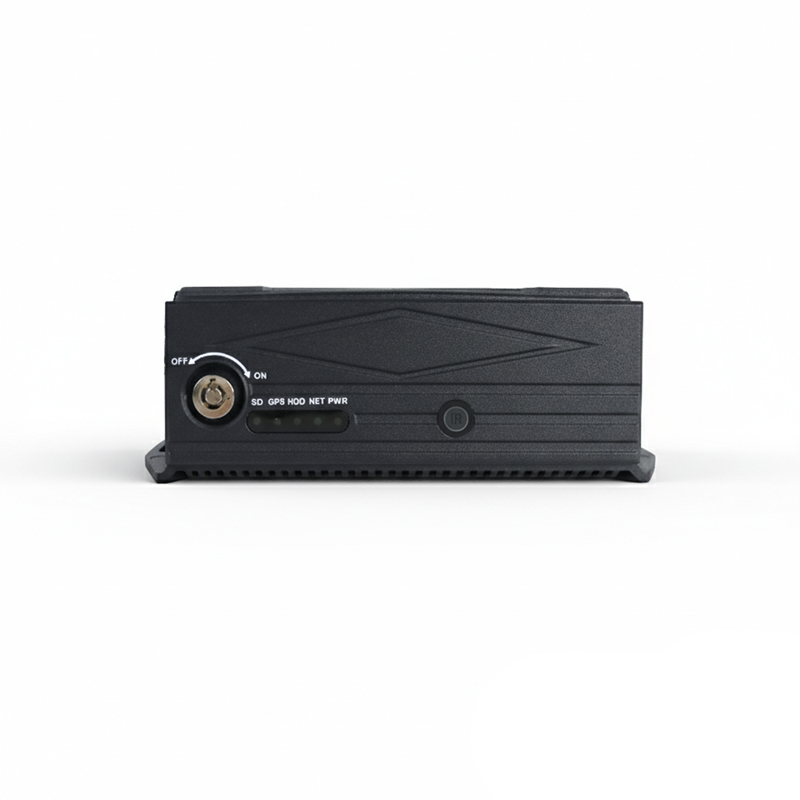
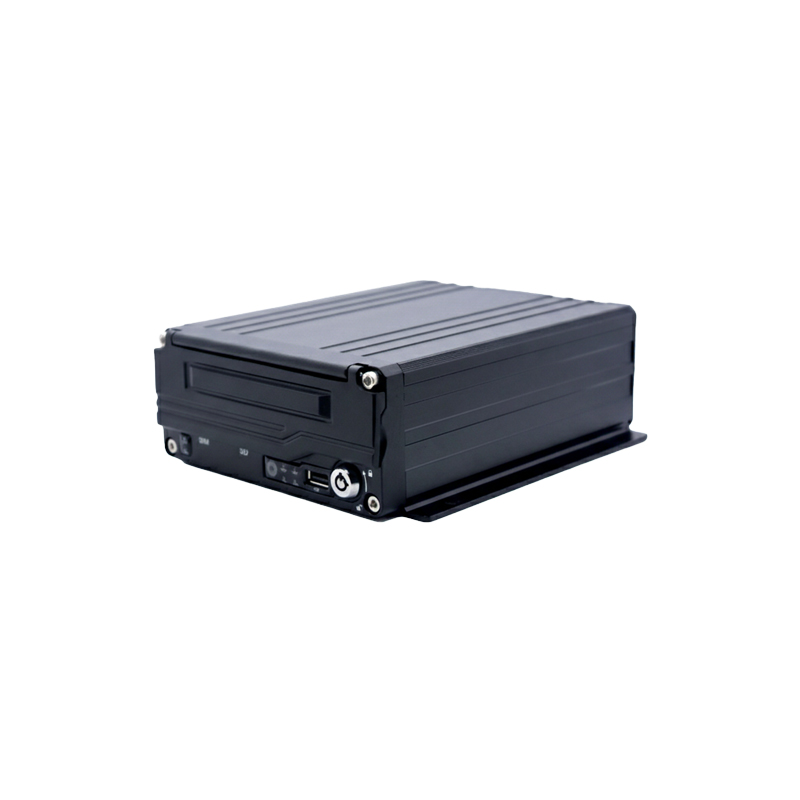
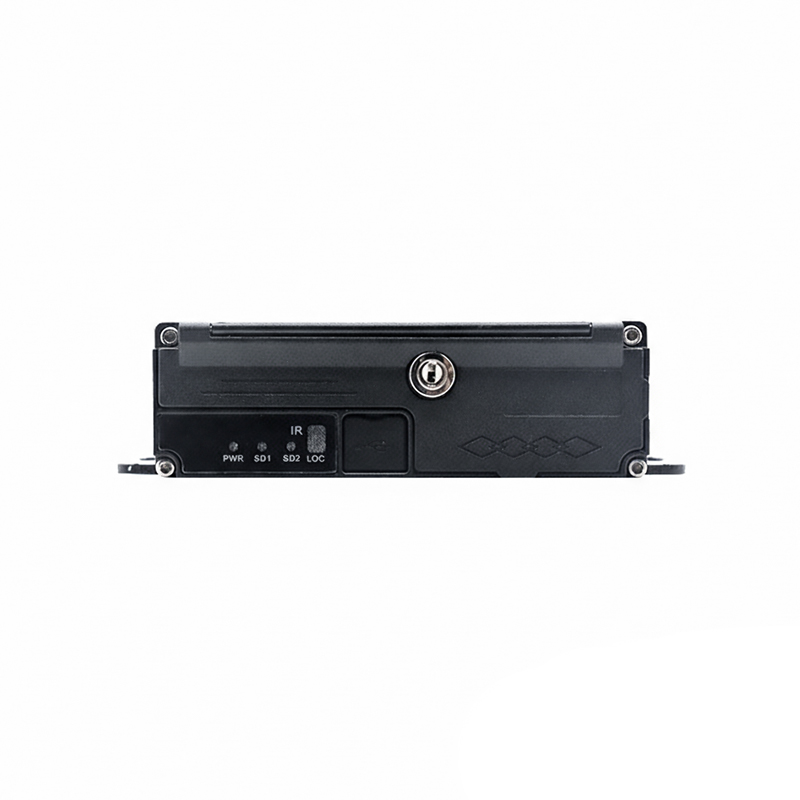
The recorder feels the count too. Six live streams want six recorder channels, with the storage page’s arithmetic scaled to match, the line item that surprises fleets who budgeted the cameras alone. The order-sheet judgment is then a quality call, in numbers a buyer can demand. Ask for the corner resolution of the four-camera fit, in centimeters of ground per pixel at the overlap, against the same figure for six. Ask where the mid-flank seam falls relative to the doors the operation uses hardest. A four-camera quote on a long body is legitimate. It owes the buyer those two numbers.
The least discussed difference sits in the cab, where every upstream choice funnels into one panel: the coach’s hundred and thirty square meters of rendered ground and the van’s sixty-five arrive at the same seven-to-ten-inch monitor. The monitor does not grow with the body. Draw the full vehicle-and-apron view on a screen eight hundred pixels tall and the van’s nine-and-a-half-meter canvas spends roughly a centimeter of ground per pixel, the scale at which the mathematics page’s centimeter-class calibration errors and the seam page’s small steps are visible facts a driver and an inspector can see. The coach’s seventeen-meter canvas on the same panel spends over two centimeters per pixel. At that scale a two-centimeter seam step is one pixel. A calibration drift that would glare on the van’s screen sinks below the rendering, the reason the acceptance walk’s tape checks measure the asphalt itself, immune to what the panel can or cannot show. Production systems answer in layout: an overview pane that keeps the whole body in frame at coarse scale beside an action pane that magnifies the working zone, rear segment while reversing, the relevant flank while turning, switched by gear and indicator the way the display pages of this series describe for camera-monitor systems generally. The recorder inherits the same arithmetic with a harder consequence, because what the DVR stores decides what evidence exists: store the composed canvas and the pixels too coarse to show a seam step are too coarse to read a plate at the apron edge, store the raw four or six camera streams and the full native detail survives for the claim handler, at four or six channels of storage cost, the trade the recording pages of this series have already worked through for other camera sets, now multiplied by the larger fleet of lenses, with the choice itself a checkbox in the recorder configuration and a paragraph in the operator’s evidence policy. Underneath the panel sits the silicon bill. The lookup table of the mathematics page carries one entry per output pixel, the canvas doubled means the table and the per-frame fill work double with it. A controller sized for a van canvas drives a coach canvas at a lower frame rate or a coarser grid, the quiet specification line that separates a heavy-vehicle controller from a light one with the same brochure photo. The screen is where the size difference stops being geometry and starts being product engineering.
The calibration page mentioned in passing that the van kit and the coach kit differ. The difference is the whole logistics of the session. A coach kit carries larger mats, more of them, with the side positions served by longer cloths or by two laid in succession, each at stated distances on a dimension sheet whose numbers now run past fifteen meters. The pattern geometry, the corner detection, the solver: identical. The physical scale doubles in every direction.
The venue is the first casualty. A van calibrates in any clean workshop bay. A coach with cloths on all four sides wants a flat, lit, level floor in the region of twenty-five meters by twelve, with walking room beyond the mats. The flatness requirement of the dimension sheet now has to hold across that whole span, a real demand on a real depot floor with drains and crowns. The hall door has to pass a four-meter body, the floor has to carry its axle loads without flexing the geometry mid-session. Sites that maintain coaches usually own such a floor. Sites that fitted the occasional van rarely do, the practical reason heavy calibration concentrates at depots and body builders.
The session stretches with the tape. The two-measure rule of the calibration page now runs over fifteen-meter pulls, where tape sag and wind become real error sources, with chalk marks and a second pair of hands doing more of the work. The walk around the laid geometry is a sixty-meter lap. Chalked wheel and cloth positions show their value on the first revisit, when the same floor and the same marks cut the laying time to a fraction. The capture and the solve cost what they cost on the van. The laying, measuring and checking own the schedule, with the session still a same-morning job for a drilled crew.
The standard does not scale with the trouble. The solver’s residuals are judged in pixels against the same sub-pixel class the van answers to, with no allowance for the body being long. The acceptance tape checks run at the wider apron’s marks, farther out, on the high cameras’ steadier projection. A coach that passes is held to the van’s accuracy over four times the footprint. The cost of the session grew. The pass mark did not move.
Service life adds its own arithmetic. A coach lives among loading docks, depot washes, low branches and yard contractors, with high mirror arms in harm’s way, the pose-event exposure the trigger list exists for. Fleets that run heavy bodies see more triggers per vehicle-year than van fleets do. The cause is exposure, plain hours among docks and brushes, with nothing fragile about the hardware itself. The monitoring hybrid of the regimes page pays for itself fastest exactly here, on the vehicles whose sessions cost the bay the longest.
The regimes page treated loading as a drift source. On heavy vehicles it is the drift source. A laden coach or rigid truck settles by several centimeters on its suspension, with the loaded axle settling hardest, a pitch change stacked on the drop. The van’s version of the same physics moves millimeters. The heavy version moves the cameras through a range the calibration’s stance assumption can feel.
The arithmetic of the mathematics page translates the drop. A settle of seven centimeters under a three-meter camera is a height error past two percent, scaling every distance band by the same fraction: a quarter meter of error at ten meters, on the far reaches the high cameras were chosen to cover. The van running the same route settles a centimeter on stiffer springs over a shorter wheelbase, a fraction of a percent, the reason the loading chapter reads as a footnote in light-vehicle manuals and as a procedure in heavy ones. The error wears the height signature, one ratio across the whole quadrant, the diagnostic the screen hands anyone who measures twice. The fix costs nothing at the parts counter: the geometry returns the moment the load comes off, the reason loading lives in the stance chapter of the manual and never in the repair chapter.
The standing answers follow the regimes page, with the heavy fleet leaning harder on the second: calibrate at the stated working stance, or hold two parameter sets switched by the load signal the body already provides. Coaches and tippers carry weight as a daily cycle, full out, empty back. A single-stance calibration is wrong half of every working day by a known, bounded amount, an error the operation either accepts in its band reading or splits with the second table. The two-table answer costs one extra session and a switch input, the same line item the regimes page already specified for operations that load heavy.
City buses add the case the tables cannot chase: passenger load changes at every stop, tens of standees at peak, a near-empty saloon an hour later. The drop swings continuously inside its few-centimeter envelope. Implementations either accept the bounded error at the band edges or feed the suspension’s own level signal into the stance selection, with the monitoring layer’s thresholds set wide enough that a full bus does not light the calibration lamp, the false-alarm discipline the regimes page demanded with a load model behind it.
The regulatory weather differs across the size line. For heavy commercial vehicles in operation, a national technical-requirements framework for full panoramic surround view systems on operating vehicles was published in late 2024 and entered force mid 2025, the system class this series’ overview placed in the compliance landscape. The framework speaks the language of the preceding pages, coverage, stitching quality and test methods, written for exactly the vehicle class the numbers above describe. Operators specifying coaches and heavy trucks read surround view as an item with a rulebook behind it, with test methods and acceptance language a buyer can cite into a contract.
City programs push the same direction from below. Urban works vehicles, tippers and mixers in several jurisdictions carry camera-coverage requirements written into local permits and site rules, blind-zone politics turned into procurement text. A heavy vehicle quoted without surround coverage increasingly answers for the gap at tender time, in writing, against a checklist.
The light end stays a choice. Vans adopt surround view on economics, parking damage, mirror replacement bills, insurance positioning, with no mandate forcing the line item. The fit decision rides on a damage ledger and a payback period, the commercial arithmetic the overview opened the series with. The same hardware family serves both ends. The paperwork behind it splits by tonnage, the quiet fact under every fleet specification meeting.
Three lines separate a heavy fit from a light one on paper. The coverage line states camera count with the corner and mid-flank resolution in centimeters per pixel, the canvas dimensions with the apron width, the per-pixel ground scale of the display layout, the recorder channels and what they store, raw streams or composed canvas. The logistics line states the kit class, the venue dimensions the calibration session needs, the session time at first fit and at revisit, the stance the parameters assume, with the second parameter set named where loading demands it. The compliance line cites the applicable surround-view requirements for the vehicle class and the acceptance checks that prove them, tape marks, walking figure and tone reads at the wider apron’s distances, with the second stance demonstrated where a second table is fitted. A quote that answers all three lines has read its own vehicle.
The van and the coach share every page of this series so far: the same pipeline, the same cloths, the same seams, the same mathematics, the same regime debate. What they share least is scale. Scale is a specification item like any other. It has numbers. The numbers have consequences. A buyer who writes them down gets an instrument sized to the body, at either end of the line.
The electronics can run. The result disappoints by arithmetic. A van kit’s four cameras leave a twelve-meter flank to one lens, with the corners served by its softest rim pixels. The controller sized for a sixty-five square meter canvas drives double that area at a coarser grid or a lower rate. The calibration cloths and dimension sheet are cut for a short body and a small bay. Each shortfall is a number on the order sheet, camera count, per-pixel scale, kit class. A coach fit answers all three differently from the part number upward.
Four remains the working baseline, with installations on twelve-meter bodies passing acceptance on four. Supplier guidance moves to six around that length: the side posts split into forward and rearward cameras, each covering six or seven meters with sharper corner imagery, at the cost of two extra seams mid-flank, two more calibration entries and more recorder channels. The deciding numbers are corner resolution in centimeters per pixel for each option and where the mid-flank seam falls relative to the doors the operation works hardest.
Geometry first: a camera at three meters looks down at the same ground more steeply than a van camera at one meter. The same small pose error moves the projected point less, twenty centimeters against half a meter for one degree at five meters out. Coverage second: the high camera reads farther, supporting a wider rendered apron. The charges are mechanical. The long arm vibrates and meets branches and wash brushes. The skirt shadows a strip close to the body that low cameras read better, answered with steeper aim or an auxiliary lens.
A flat, level, lit floor around twenty-five by twelve meters, walking room included, with the flatness of the dimension sheet held across the whole span and a door that passes a four-meter body. The kit carries larger and more numerous mats with stated distances past fifteen meters, measured twice on long tape pulls. The session keeps the calibration page’s structure, runs as a same-morning job for a drilled crew and answers to the same sub-pixel residual standard the van answers to, with no allowance for size.
By an order of magnitude. A laden coach or tipper settles several centimeters, a van only millimeters, a height-class error past two percent that scales every distance band, a quarter meter at ten meters under a seven-centimeter settle. The standing answers are a calibration at the stated working stance or two parameter sets switched by the load signal. City buses, whose load swings at every stop, either accept the bounded band error or feed the suspension level into stance selection, with monitor thresholds set wide enough to ignore a full saloon.
For heavy commercial vehicles in operation, a national technical-requirements framework for full panoramic surround view systems was published in late 2024 and entered force in mid 2025, giving operators test methods and acceptance language to cite into contracts. Urban works fleets in several jurisdictions carry camera-coverage requirements through local permits. Light vehicles stay in choice territory, fitted on damage economics and insurance positioning. The hardware family is shared. The paperwork splits by tonnage.