







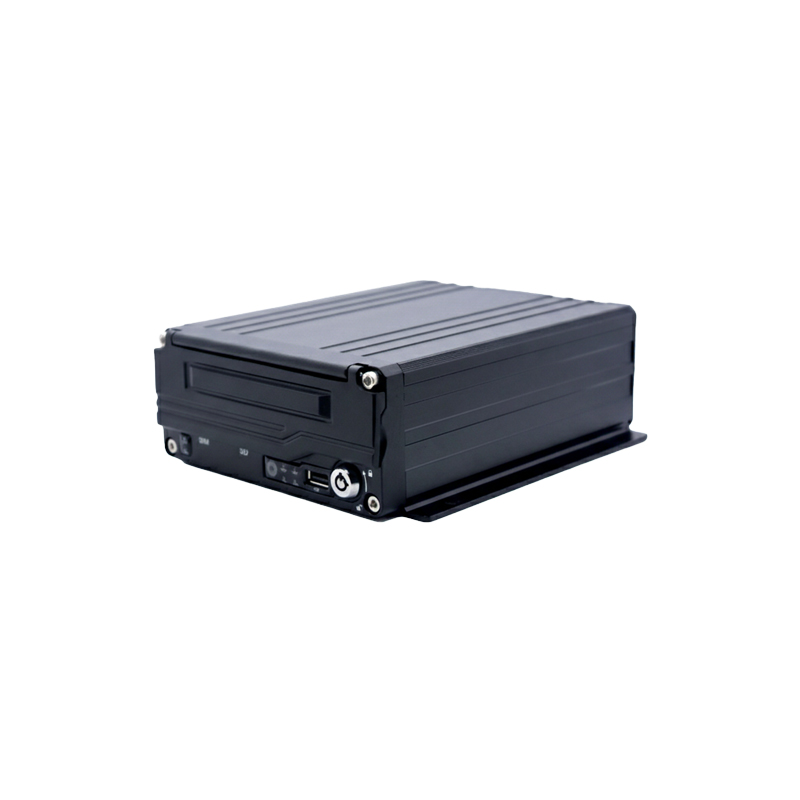
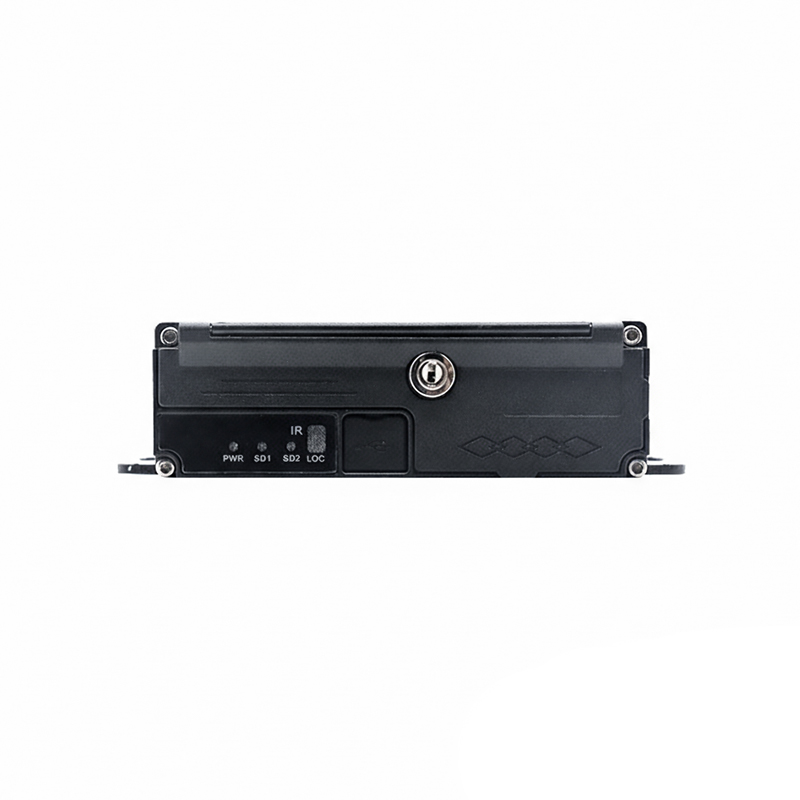
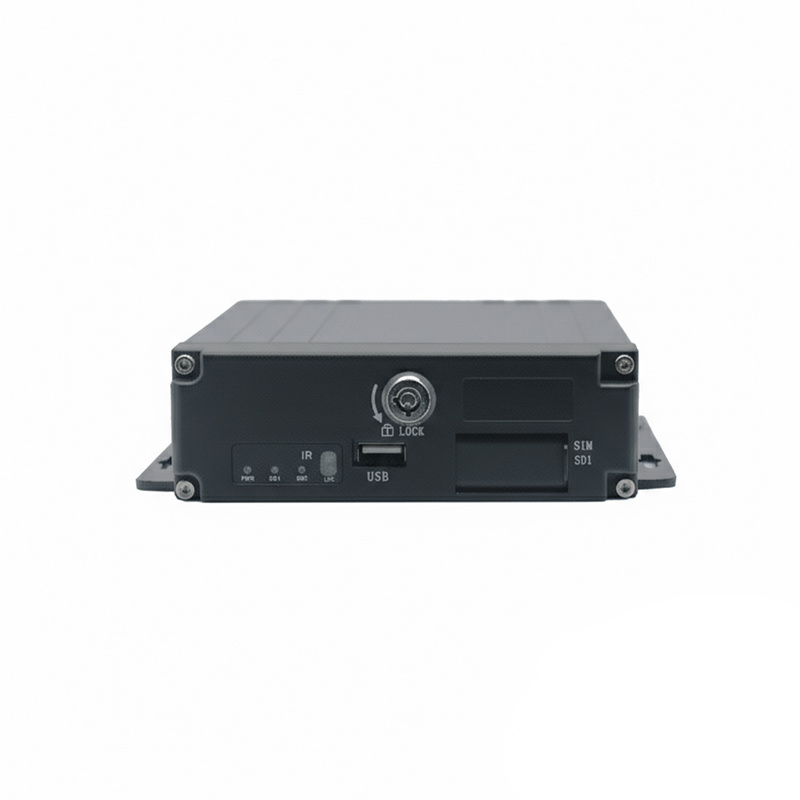

A dual-SIM vehicle terminal carries two cards and runs on one of them at a time in the common design. The second card exists for the moment the first one fails: a coverage hole, a dead account, a carrier outage. The switch is automatic. It follows a defined sequence, takes a measurable number of seconds and hands the platform back the same vehicle. The word seamless describes the application’s view, over a radio layer that pays a short gap. The design question is how short.
The case for the second SIM comes from the failure map. Coverage holes belong to one carrier’s network at a time in many places, the two operators’ dead zones rarely overlapping. A second SIM on a second carrier cuts a vehicle’s coverage holes to the ones the two networks share. The dropout page of this series names the radio path as the largest cause class. The second SIM is the equipment answer to that class, the one layer a fleet can remove with a purchase.
The mechanism matters to a buyer because the brochure word seamless covers several different designs. One design switches in seconds. One switches in half a minute. One holds two networks at once and switches in nothing. The price differences follow the same order. A fleet that knows the sequence underneath can read a datasheet’s switching claim, test it on a bench in an afternoon and buy the level its routes need.
The platform’s view stays simple through all of it. The vehicle’s identity on the platform is the terminal’s device identity from the transport protocol. The SIM has no part in it. A switch changes the network path. The vehicle re-registers and continues as itself, with its history, its alarms and its configuration unchanged. Nothing about the vehicle’s record forks across the two cards.
The second SIM covers the holes the first carrier cannot.
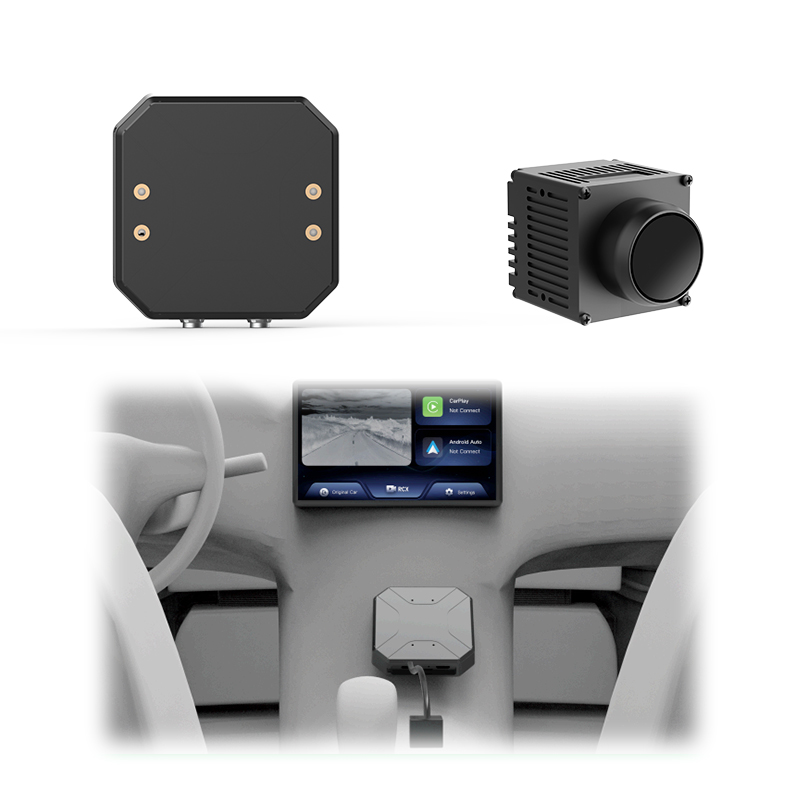
The common design puts two SIM slots on one cellular modem. The modem runs one card at a time. The second card sits idle until the terminal decides to switch, at which point the modem drops the first network, loads the second card’s identity and registers on the second network from a cold start. The design costs one modem and adds one SIM tray. Every switch crosses a gap measured in seconds, because registration on a cellular network takes that long by nature.
The heavier design carries two complete modems, one per SIM. Both modems hold their networks at the same time. A switch at this level is a routing change inside the terminal: traffic leaves over the second modem’s already-registered, already-connected path. The gap approaches zero because no registration happens at switch time. The design costs a second modem, a second antenna feed and more power, the reason it appears on premium terminals only.
The switching-time figure reveals the design. A claim of seconds to tens of seconds points to the single-modem design, a claim of uninterrupted or near-zero switchover to dual modems, which a buyer can verify by asking how many modems the unit carries. The one question separates the two designs faster than any brochure paragraph.
A third variant moves the second identity into software. An eSIM or a multi-profile card holds two carrier identities on one physical chip, switched by command. The radio behaviour matches the single-modem design exactly: one network at a time, a registration gap at every switch. The gain sits in logistics, with no tray to open and the profile changed remotely. The switching figure a buyer should expect stays in the single-modem band, because the gap depends on the modem count alone, the card format being only a way to store the identities.
The antenna budget follows the modem count. A dual-modem terminal wants two antenna feeds, placed apart on the roof so the two radios do not sit in each other’s transmissions. The install plan from the antenna page of this series doubles accordingly. A dual-modem unit fed from one shared antenna through a splitter gives back part of the gain the second modem was bought for.
The terminal decides to switch on evidence. The evidence comes in three grades. The crudest trigger is registration loss: the modem reports no network, the terminal starts the switch. It catches the dead zone and the dead account. The half-dead cell escapes it, the one that keeps a vehicle registered with no usable data path, the commonest bad state on a working route. A fleet whose terminals carry only this trigger sees vehicles sit silent in working coverage, registered to a cell that carries nothing, with the backup card idle in its tray.
The middle trigger is signal quality. The terminal watches the reported signal level and starts the switch below a configured threshold held for a configured time. The hold time filters the momentary dips a bridge or a building produces. It reacts earlier than registration loss. It still trusts the radio’s own report. That report can read acceptable on a cell whose data path runs dead.
The strongest trigger is a data-path probe. The terminal sends a small test message to a known address on a schedule, the platform itself or a fixed probe target, then counts the answers. Missed answers past a limit start the switch regardless of what the signal meter claims. The probe tests the whole path end to end, the only grade of evidence that covers every failure between the antenna and the server. Terminals built for monitoring duty run this grade, because the thing being protected is the working session end to end.
Real firmware combines the grades. The probe carries the decision. The signal threshold acts as an early warning that shortens the probe’s confirmation window when both agree. Registration loss bypasses the timers entirely, because a vanished network needs no further proof. Each trigger carries its own hold time, so a single missed probe on a clean cell switches nothing. The combination puts the fast triggers on the clear failures and the careful trigger on the ambiguous ones, the tuning that keeps a fleet from switching at every bridge.
The single-modem switch runs a fixed sequence. Each step has a clock. The terminal closes its data session on the failing card. The modem detaches from the first network. The modem loads the second SIM’s identity and scans for the second network. Registration follows, the same attach a phone performs at power-on: identity, authentication, admission. The network grants a data bearer and an address. The terminal re-opens its platform session over the new path, registers itself to the platform again under its device identity, re-arms its heartbeat, then re-opens any streams the platform asks for. The vehicle is back on the platform map. Industry figures published for the whole sequence run from around eight seconds on fast implementations to around thirty on ordinary ones, with the network attach and the platform re-registration carrying the bulk of the time. The sequence explains the figure. Closing a session is instant. Detaching is near-instant. The network attach takes seconds on its own, because the carrier’s network checks identity and provisions the bearer at its own pace. The platform re-registration adds the transport protocol’s round trips on top: registration, authentication, the first heartbeat. Streams re-open last, on the platform’s next request. Nothing in the sequence idles by choice. The seconds live in the steps that involve the carrier and the platform, the two parties the terminal cannot hurry. The same anatomy says where the recording sits through the gap. The cameras write to the card without interruption, because the recording loop never touches the network. An alarm that fires mid-switch queues its parcel. The parcel uploads when the new path opens, carrying its original event time. The gap costs the live view and postpones the uploads. The card keeps the minutes the link lost, the local-first design every page in this series leans on. The bench figure also reads as the floor of the field figure. On a bench, detection starts the moment the feed is pulled. A real road failure arrives gradually, the signal fading across hundreds of metres, so the detection timers start later than the trouble. A fleet that measures fifty seconds end to end on the bench should expect the same switch to read longer in a moving coverage hole, with the difference belonging to detection, the part the thresholds control. Detection time is a configuration choice. The sequence time is a property of the hardware and the carrier.
The measured gap divides into named parts a buyer can ask about. Detection time comes first: the seconds between the real failure and the terminal’s decision, set by the trigger grade and its thresholds. A probe every ten seconds with a three-miss limit decides within half a minute. A registration-loss trigger on a half-dead cell can wait minutes, the hidden cost of the crude trigger.
Switch time comes second: the sequence above, eight to thirty seconds on single-modem hardware, near zero on dual-modem hardware. The figure is a property of the design and the carrier, stable across a fleet, measurable on a bench.
Recovery time comes third: the platform session and the streams returning. The re-registration completes in the protocol’s round trips. Live views resume on the operator’s next request or automatically where the platform re-opens them. The three parts added together are the honest switching figure. A datasheet that quotes only the middle part is quoting the best third of it, the reason a bench test reads the whole gap with its own clock.
A worked example puts numbers on the whole. A probe every ten seconds with a three-miss limit spends up to thirty seconds detecting. A fast single-modem switch spends twelve registering on the second network. The platform re-registration and the first heartbeat spend five more. The vehicle returns to the platform inside fifty seconds of the real failure, with the live view back on the operator’s next request. The same hardware with a one-minute probe interval and a five-miss limit spends five minutes detecting before the same twelve-second switch, the arithmetic that makes the trigger settings the larger lever.
Each traffic type rides the gap its own way. A live view in progress freezes at the operator’s screen and resumes on the next request after re-registration. Position reports queue on the vehicle and arrive in a short burst, stamped with their original times. An alarm parcel mid-upload pauses at its breakpoint and resumes on the new path, the resumable design the attachment flow carries. None of the types needs an operator’s hand. The platform absorbs the burst the way it absorbs any reconnection.
The platform tracks the terminal. The card sits below its view. The transport protocol registers the device by its own identity, the identity that carries the vehicle’s number, its history and its configuration. The SIM is the path, with no role in the identity. A switch swaps the path under the same device, so the platform shows one vehicle that went briefly offline and returned, exactly as it shows a vehicle leaving a tunnel.
The address changes with the path. The design already covers it. The terminal does the connecting in this architecture, because a vehicle has no stable address for the platform to call. The new connection from the new network carries the same device identity to the same platform address. Nothing on the platform side is reconfigured per switch. The two-SIM terminal needs no special handling on the platform at all, one of the practical conveniences of the connect-outward design the protocol family fixed years ago. The same property covers mixed fleets: single-SIM and dual-SIM vehicles report side by side, with the platform unaware of the difference.
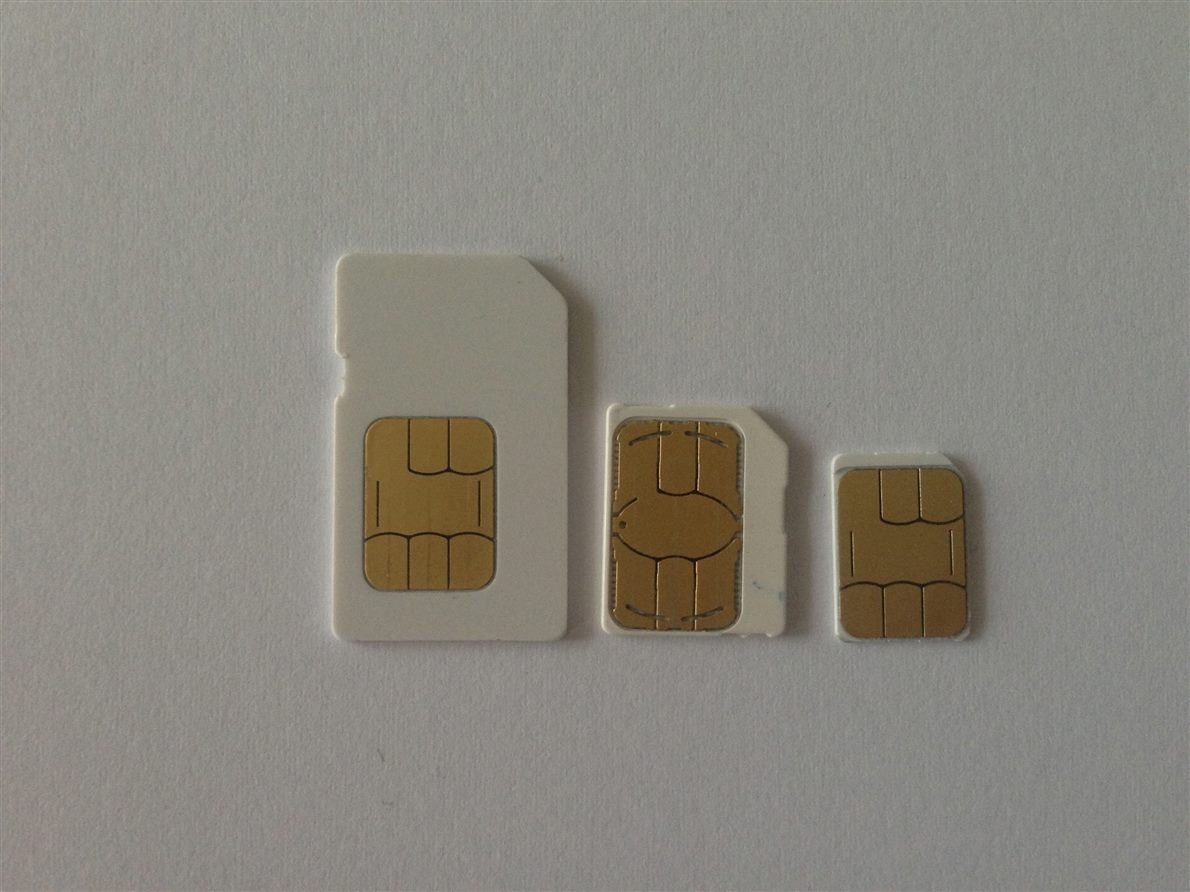
Billing is the one place the two cards stay separate. Each SIM carries its own plan and its own meter at its own carrier. A fleet reads two lines per vehicle in the portals and sums them for the vehicle’s true data cost. The backup card on a healthy route spends close to nothing, a few heartbeats and probes per month, the standby cost of the insurance.
The switch leaves its own audit trail. The platform’s offline log records the gap as an ordinary offline event. The terminal’s own log records the cause beside it: which trigger fired, which card carried the traffic afterwards, how long the sequence ran. A vehicle whose offline events all carry switch records is a vehicle riding through coverage holes as designed. Offline events without switch records point to a different problem, the layer the dropout page of this series walks through.
Two SIMs from the same carrier share one network, one set of masts, one core. A failure of the cell fails both cards at once. A failure of the carrier’s region fails both cards at once. The dual-SIM terminal switches to the second card, registers on the same broken network and gains nothing. The configuration covers exactly one failure, a fault in the plastic card itself, the rarest failure on the whole list. Fleets end up in it by accident, when one purchasing contract supplies every SIM, the trap a one-line carrier check at order time avoids.
Two SIMs from two carriers hold two networks: separate masts, separate spectrum, separate cores, separate maintenance windows. The valley one carrier never built out is covered by the other carrier’s mast on the far hill. The regional outage that takes one network down leaves the second standing. The shared holes shrink to the places neither carrier serves, the genuine dead ground a coverage map shows in advance.
The carrier pairing is the first line of the dual-SIM specification, ahead of any hardware line. A fleet picks the two carriers by the union of their coverage along its real routes, reading both coverage maps over the route plan. The pairing differs by region and by route profile.
The overlay method takes one sitting. Export the fleet’s real routes from the platform. Open both carriers’ public coverage maps over them. Mark the stretches one carrier misses, the stretches the other misses, then the stretches both miss, each list with its kilometre points noted from the route export. The first two lists are the dual-SIM case in numbers. The third list is the honest residue, the places the vehicle will still drop with both cards aboard, written down in advance so the first field report surprises nobody.
The procurement side carries one extra row, with no extra complexity. Two carriers mean two contracts, two portals and two renewal dates per fleet. The SIM labelling habit from the billing pages covers it: each card labelled by fleet number and slot, primary or backup, in both portals. The monthly reading then takes the same minutes it took with one carrier, with the backup column expected to sit near zero on healthy routes. The principle holds everywhere: the independence comes from the second network, which the second card reaches only when it sits on a different carrier.
The switch back to the primary card runs on a deliberate delay. A terminal that returned the instant the primary signal reappeared would bounce between networks at every edge of every hole, each bounce costing a full switch gap. The design answer is a stability window: the primary path has to test healthy for a configured period, commonly minutes, before the terminal switches back. One widely used default holds five minutes. The same probe that triggered the switch does the health testing, so the failback decision runs on the same end-to-end evidence as the failover.
The window trades a little time on the backup for a lot of stability. Backup-card minutes cost data on the second plan and nothing else. Premature failbacks cost switch gaps at the worst spots on the route, repeated daily. The window is set long enough that a vehicle clears the troubled area before returning, short enough that the fleet’s traffic returns to the cheaper or faster primary within the same trip.
Some fleets pin routes to cards, with no failback in the policy at all. A route known to favour the second carrier can run its whole length on the second card by policy, with the switch logic reserved for true failures. The terminal’s priority settings carry this: primary card, preferred card per condition, failback window. The policy turns a reactive mechanism into a planned one on routes the fleet knows well.
The window sizes against the route, with one plain rule. Set it longer than the time a vehicle takes to cross the longest troubled stretch the overlay marked. A vehicle then finishes the bad ground on the backup card and returns once, after the trouble, with one switch each way. The cost of a generous window is small by construction: the backup minutes price at the second plan’s rate for traffic that was flowing anyway, the only delta being any tariff difference between the two plans.
Four settings decide how the feature behaves in service. The trigger grade and its thresholds decide how fast a failure is recognised. The probe target and interval decide what counts as proof of a working path. The failback window decides how long the backup carries the traffic after recovery. The card priority decides which network is home. Each setting ships with a factory default tuned for nobody’s routes in particular. The four lines fit on one screen of the configuration tool, the same screen the bench test exercises.
The defaults need one review against the fleet’s reality. A one-minute probe interval that suits a city parcel fleet wastes detection time on a long-haul fleet crossing known holes at speed. A one-minute failback window that behaves on a flat route flaps on a mountain one. The review takes an hour with the route map open, once. The profile then applies fleet-wide through the platform’s configuration push, the same remote-parameter channel every other setting in this series rides.
The whole mechanism tests on a bench in an afternoon, with no waiting for a real coverage hole. Pull the primary card’s antenna feed, or wrap the unit’s primary path in a shield. The probe trigger fires as if the route had failed. Time three numbers with a stopwatch: failure to detection, detection to new-network registration, registration to the platform showing the vehicle online. The sum is the fleet’s real switching figure for that hardware and that carrier pair.
The same test validates the pairing. Run it once with the backup card in place, then once with the backup card on the same carrier as the primary. The difference shows on the stopwatch and the platform screen. The bench hour settles the brochure claim, sizes the thresholds and leaves a written figure the operations team can hold the supplier to at acceptance.
The measured figure belongs in the acceptance paperwork, with a tolerance beside it. A line reading switch under twenty seconds, detection under forty at the agreed probe settings, turns the feature into a tested requirement. The same test repeats after each firmware update, because the switching logic lives in firmware and an update can move it. Ten minutes per update cycle keeps the figure a fact through the terminal’s life.
Specify the trigger grade as a data-path probe, the carrier pair by route-map union, the failback window in minutes and the switching figure as a measured bench number for the exact hardware. Ask how many modems the unit carries where the claim says uninterrupted. The answers separate a terminal that rides out coverage holes from one that only carries a spare card. The bench figure, the carrier pair and the probe settings then go into the acceptance paperwork as numbers, where they stay checkable for the life of the fleet.
On the common single-modem design, industry figures run from around eight seconds to around thirty for the full sequence: detach, re-register on the second network, rebuild the data session and re-register to the platform. Dual-modem designs hold both networks at once and switch in near zero time. Detection time before the switch adds to either figure and depends on the trigger settings. A bench test with a stopwatch reads the whole gap for the exact hardware and carrier pair.
At the application layer, yes: the platform sees the same vehicle return under the same device identity, with history and configuration unchanged. A single-modem design still pays a gap of seconds at the radio layer. Recording continues on the card through the gap. Queued alarm parcels upload after the link returns, stamped with their original event times.
Yes, in almost every case. Two cards on one carrier share the same masts, the same core and the same outages, so they fail together exactly when the backup is needed. Two carriers mean two independent networks. The vehicle then inherits only the coverage holes the two networks share. The carrier pairing is chosen by overlaying both coverage maps on the fleet’s real routes, with the stretches both carriers miss written down in advance as the honest residue.
Three grades exist. Registration loss catches dead zones and dead accounts. A signal-quality threshold reacts earlier on weak cells. A data-path probe, a small test message answered on schedule, proves the whole path end to end and catches the half-dead cell the other triggers miss. Monitoring terminals are specified with the probe grade.
To avoid flapping. A terminal that returned the moment the primary signal reappeared would bounce between networks at the edge of every coverage hole, paying a full switch gap each time. A stability window, commonly minutes, lets the vehicle clear the troubled area first. One widely used default holds the backup for five minutes of healthy primary signal before returning. A route-aware window is set longer than the crossing time of the longest troubled stretch.
No. The platform identifies the vehicle by the terminal’s device identity. The SIM has no part in the identity. The terminal connects outward over whichever card is active and registers as the same device. The only operational difference is billing: each card meters its own plan at its own carrier, so the vehicle’s data cost reads as two portal lines summed. Mixed fleets of single-SIM and dual-SIM vehicles report to the same platform with no separate handling.