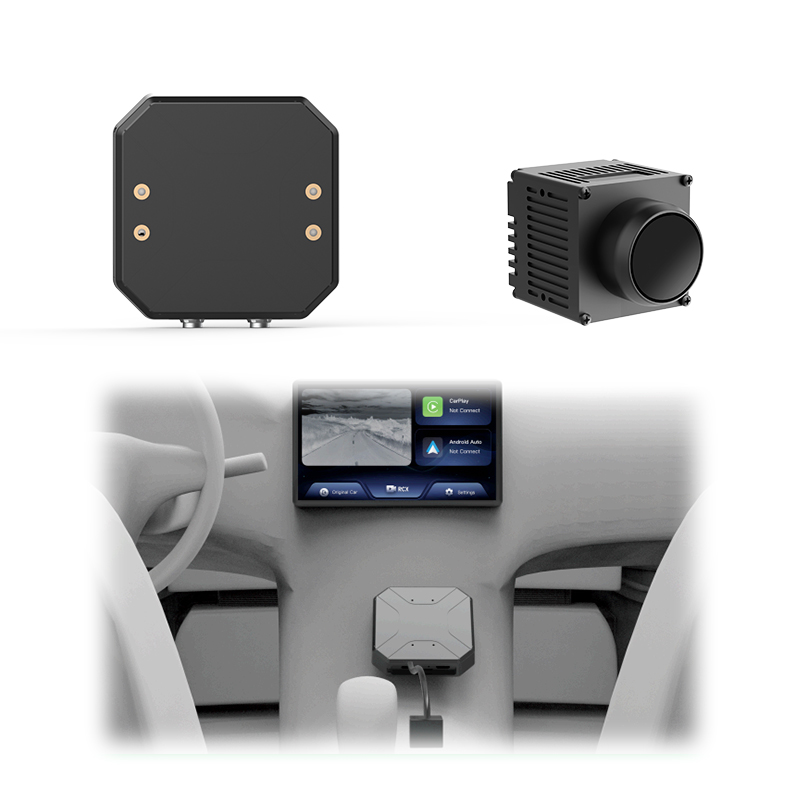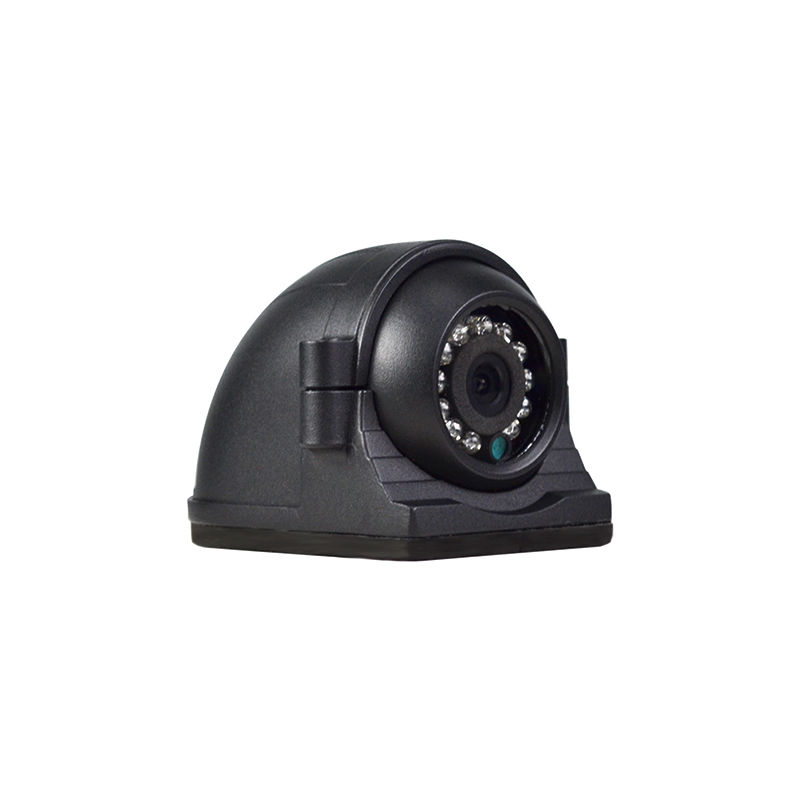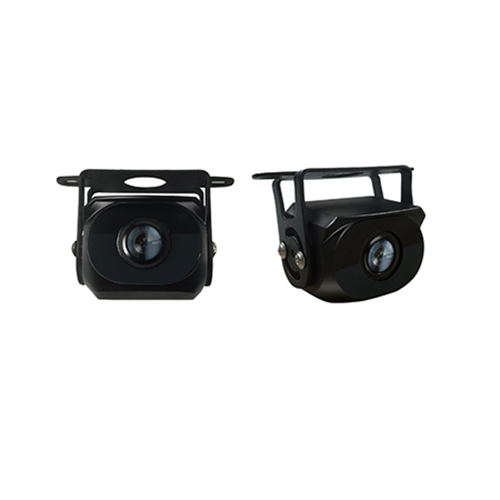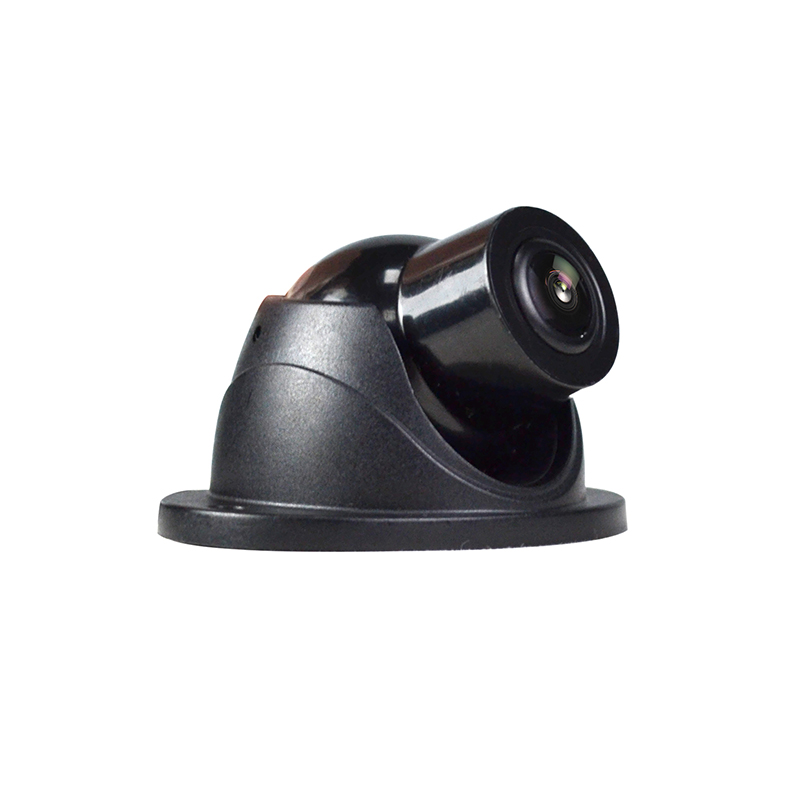





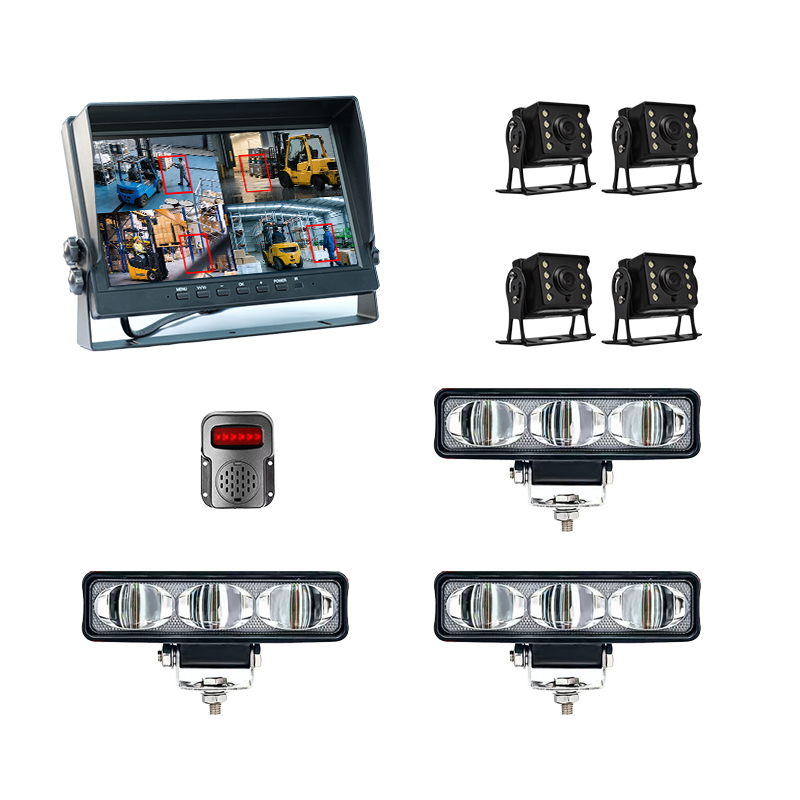
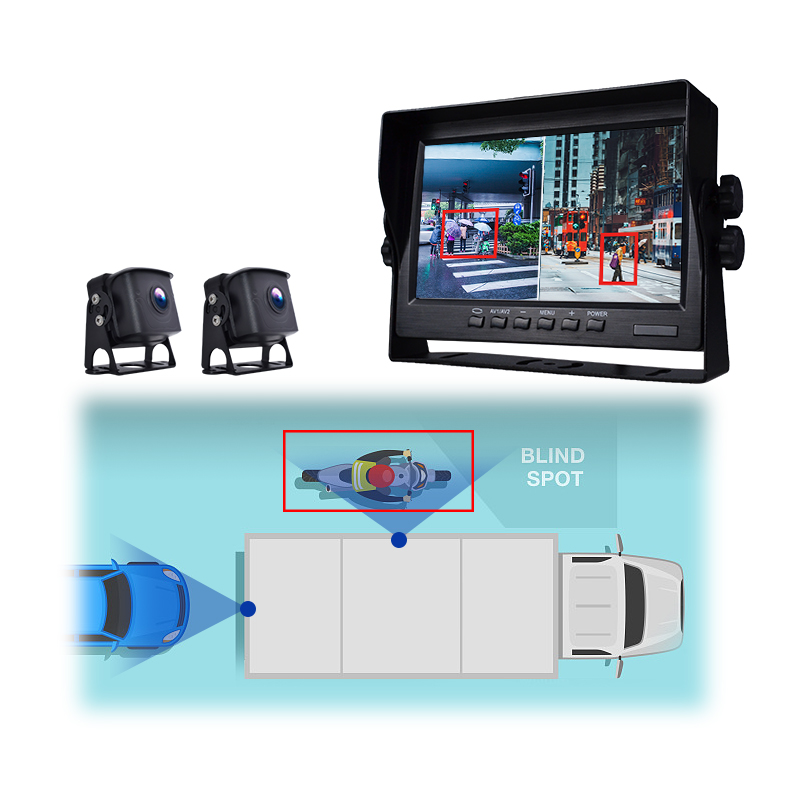
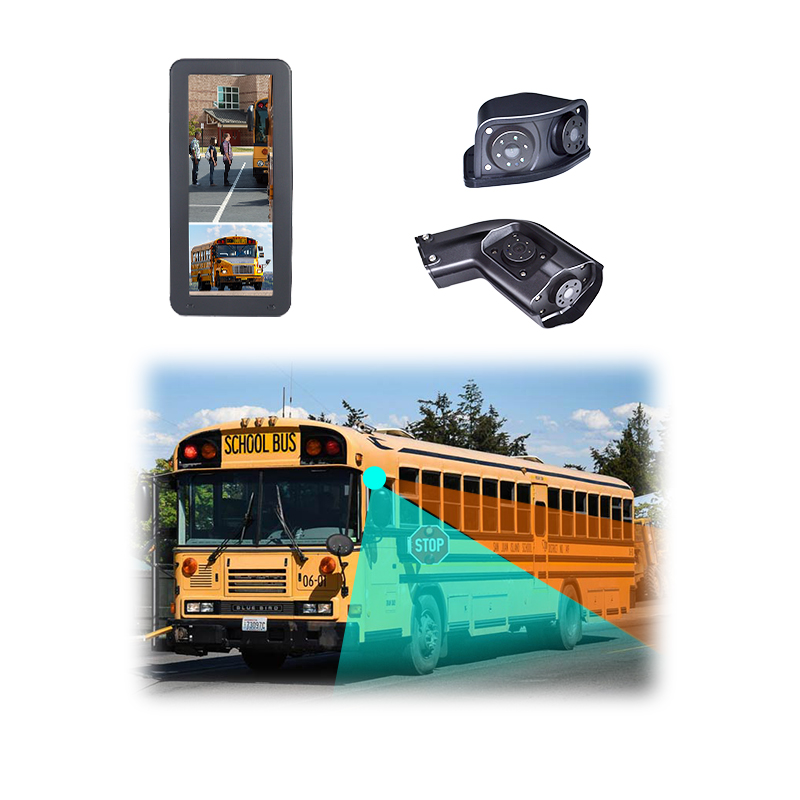
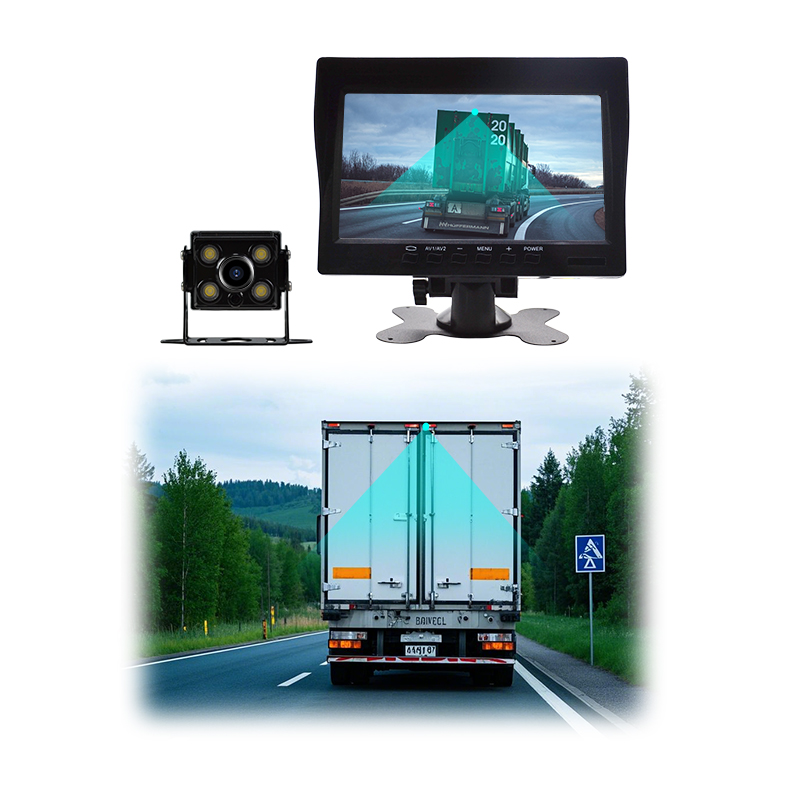

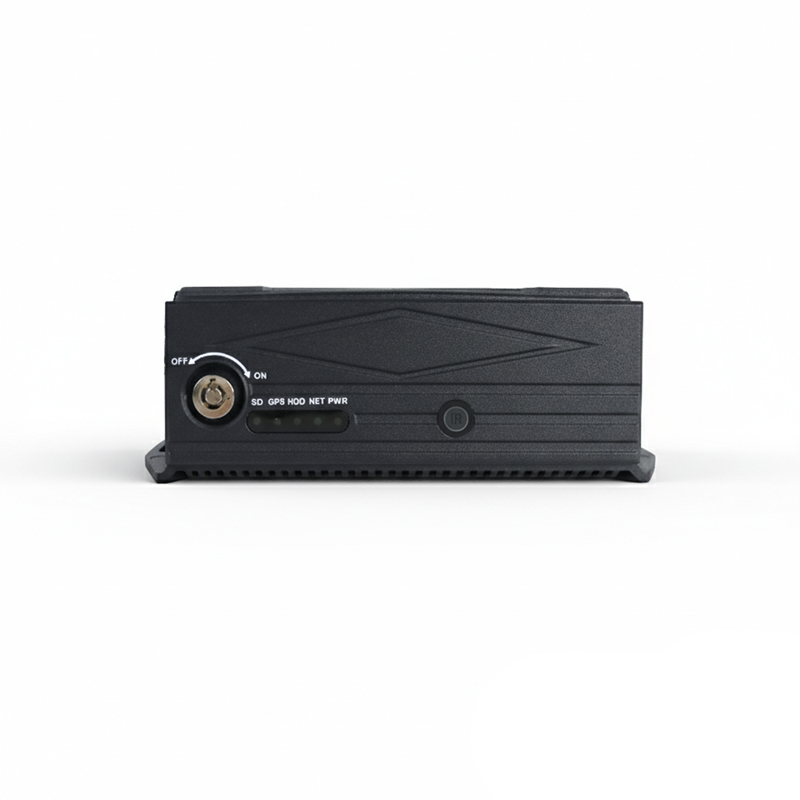
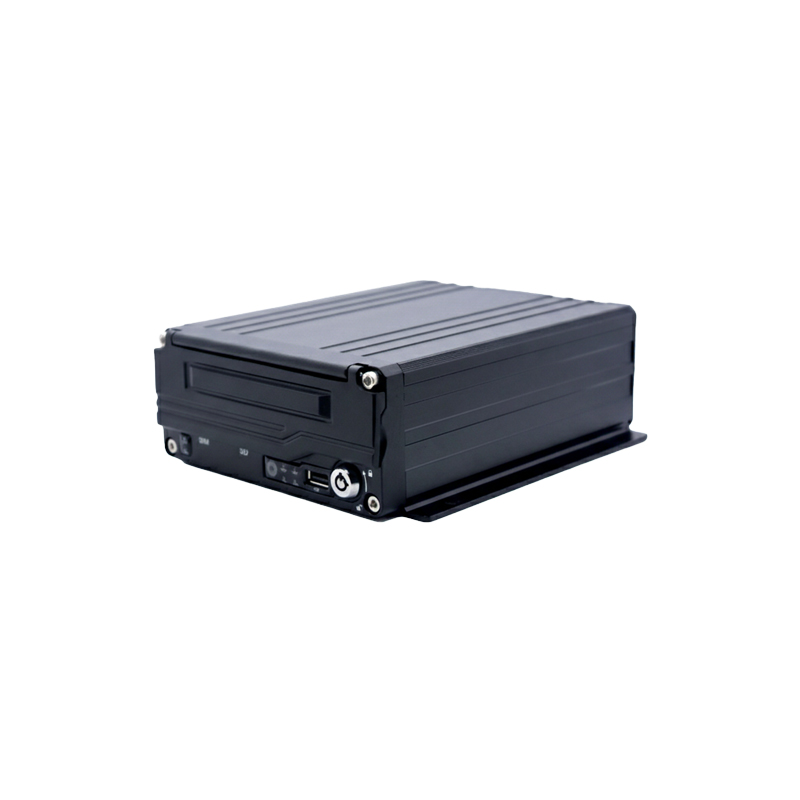
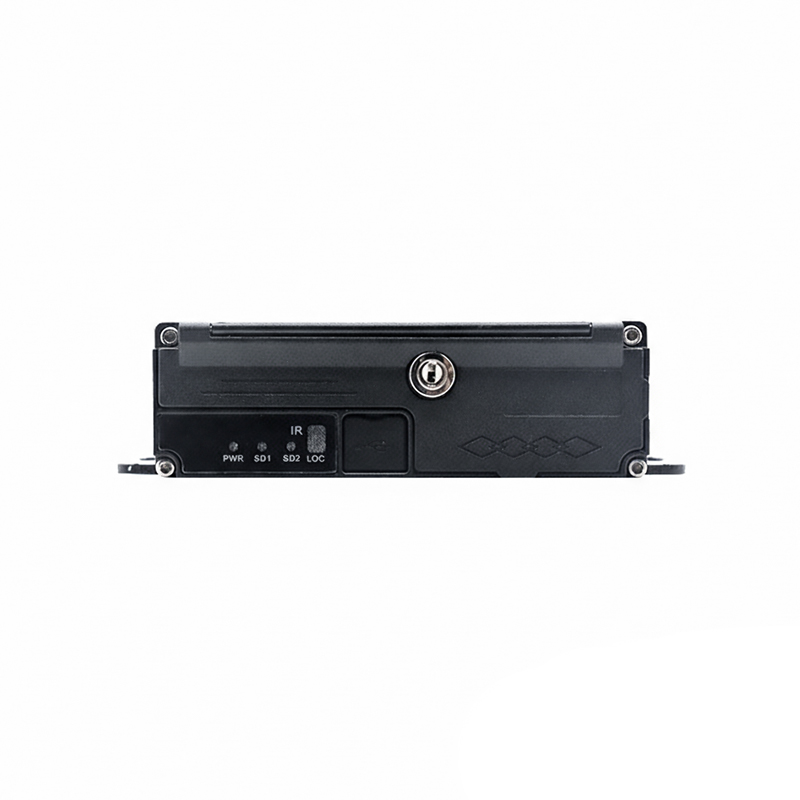
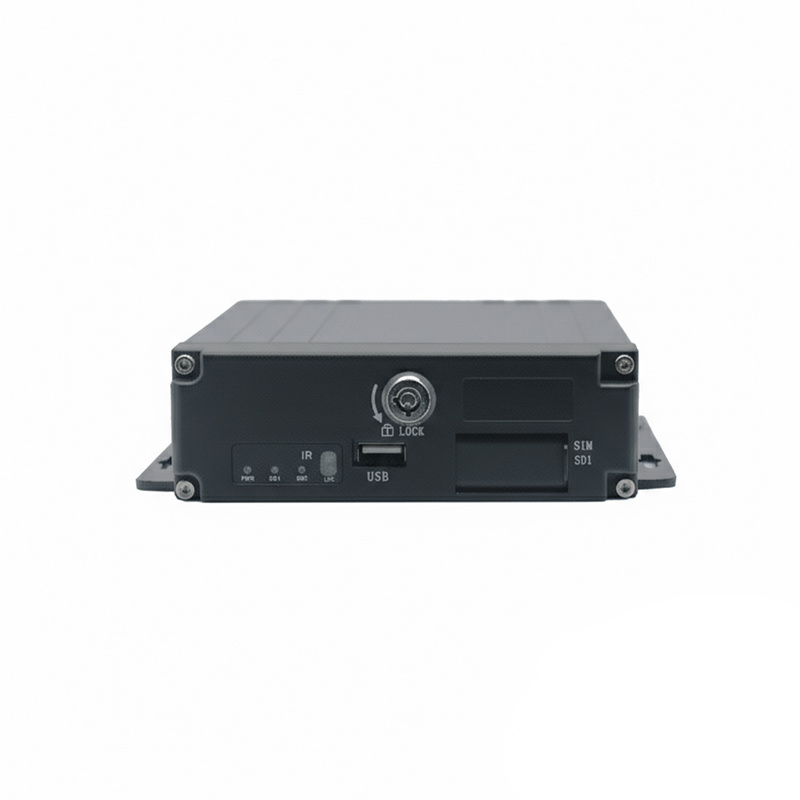
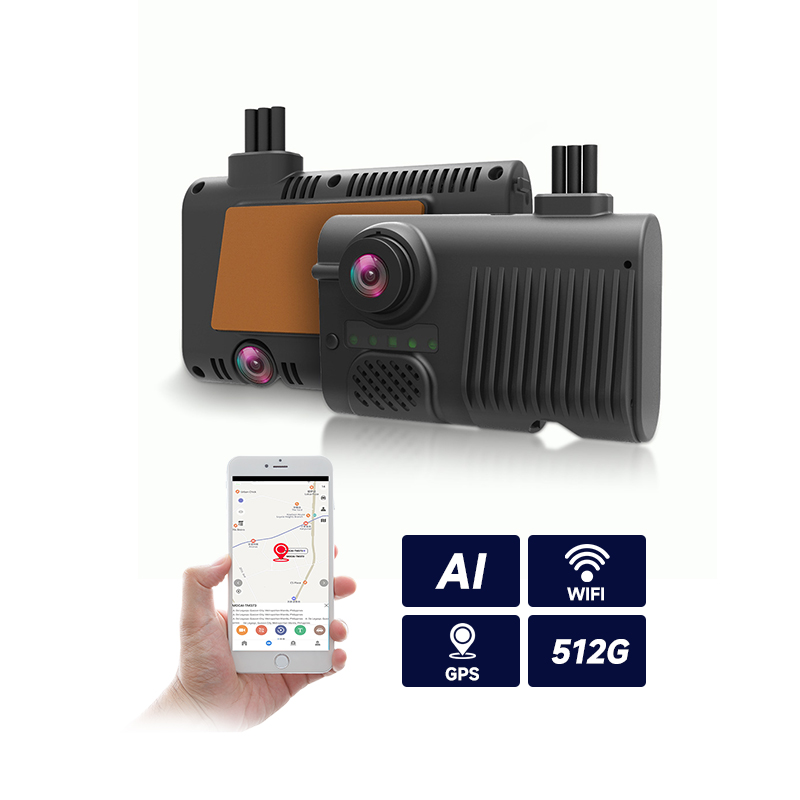
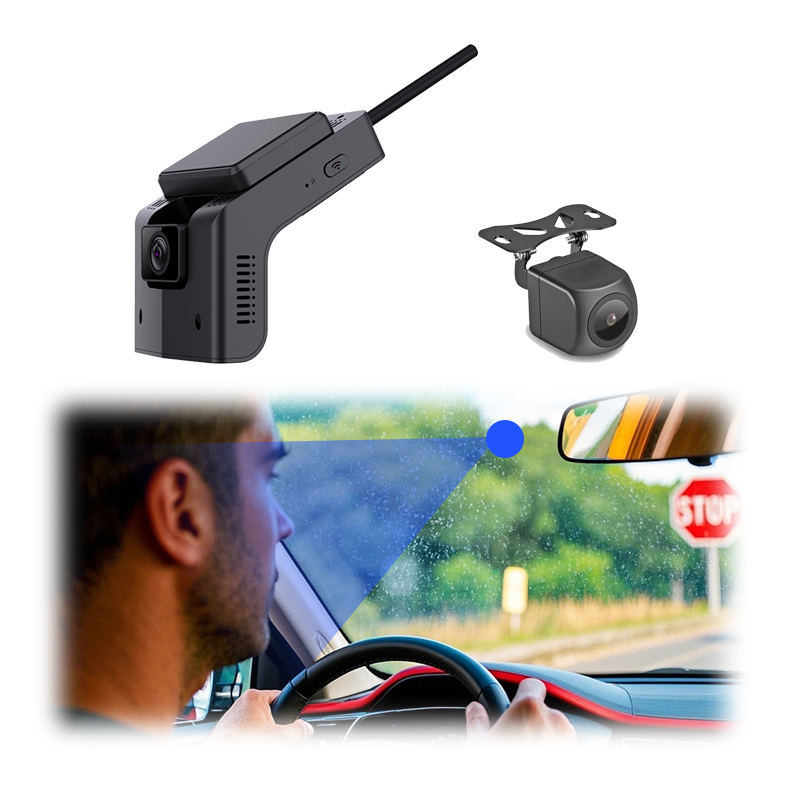
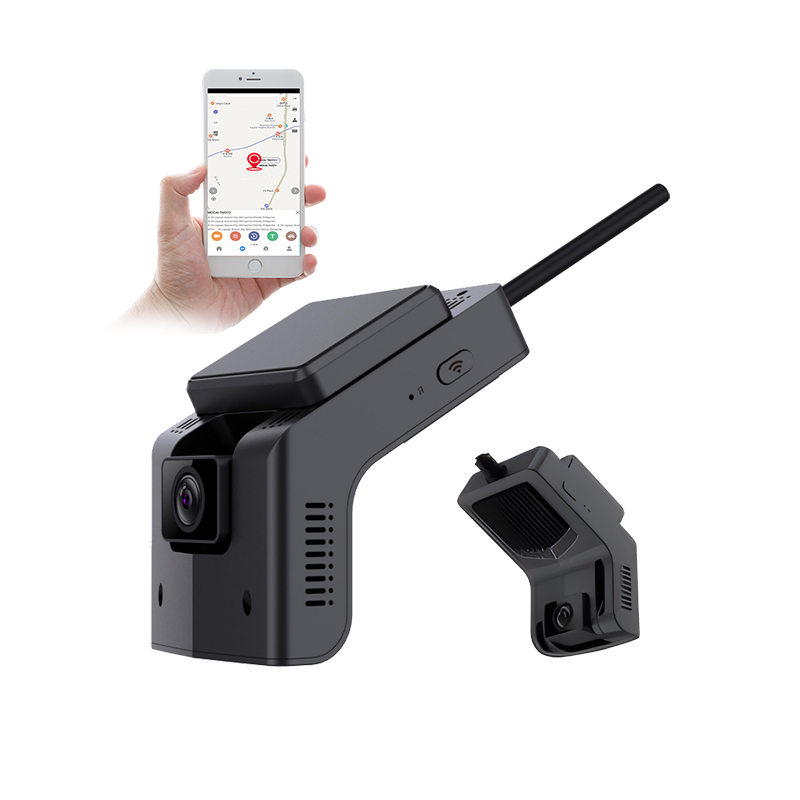


Complying with JT/T 883 is not a matter of whether a warning box is bolted to the cab. The standard, China’s technical specification for commercial-vehicle hazard warning systems, sets out what a forward-collision and lane-departure warning system must do, how well, how it must be fitted, with the test methods to prove it. Compliance lives in those proofs. A fleet meets the standard by choosing a system that can pass, fitting it as specified, calibrating it, testing it against the method, keeping it that way. The cheapest unit with the right label does none of that.
The shape of the job follows from what the standard is. JT/T 883 is a technical specification. It defines the warning functions a system must provide, the performance it must reach, the way it must be installed, the test methods that decide whether it measures up. Two of those carry the weight. The performance requirements set the bar. The test methods set how the bar is checked. A system complies when it can be shown, by the standard’s own tests, to do what the standard asks.
What functions the standard demands is its own subject, taken up where the active-safety requirements are set out. The concern here is the path from a standard on paper to a compliant vehicle on the road: the steps a fleet works through in order, each its own place to go right or wrong. JT/T 883 governs a forward-collision and lane-departure warning system, a warning to the driver. The automatic braking a heavier vehicle may carry falls under other rules.
The cost of getting it wrong is not just a failed inspection. A warning system bought, fitted and forgotten may sit on a vehicle doing nothing, its alerts mistimed or switched off, a line item that bought no safety. Worse, a fleet can believe itself covered while running systems that would not pass a test. A warning system that does not work can be worse than none, lulling a driver into trusting protection that is not there. Doing the steps is what turns a purchase into the safety it was meant to buy.
Compliance is whether the system works, proven by test.

JT/T 883 carries a precise title: the technical requirements and test methods for the driving hazard warning system of commercial vehicles. Issued by China’s transport ministry and in force since 2014, it covers a system with two warning functions, forward-collision warning and lane-departure warning. For each it lays down general rules, the functions the system must perform, the performance it must reach, how it is installed and used, the methods to test it. It is, in short, the rulebook for what a commercial-vehicle warning system has to be and how that is proven. It is one document in a wider framework, the one a fleet turns to for the warning system itself, separate from the rules that govern monitoring terminals and the platforms a vehicle reports to.
One point shapes everything that follows. JT/T 883 is a recommended industry standard. It is the technical yardstick for the system. What makes these systems mandatory on many commercial vehicles is separate, a matter of transport-monitoring regulations and regional mandates that reach beyond this one document. Fleets that fit the systems, by choice or by mandate, turn to JT/T 883 for the bar the system must clear. The standard sets what good looks like. Who must buy is left to other rules.
Its scope is narrower than people assume. That part is the one to mark. JT/T 883 is about warning, the alert that tells a driver a collision is coming or the vehicle is drifting from its lane. It says nothing about automatic braking. That function acts on the vehicle and answers to its own separate requirements. Nor does the standard reach every warning a truck might carry. Forward collision and lane departure are its two pillars. A fleet that treats JT/T 883 as a catch-all for active safety will misread both what it asks and what it leaves to other standards.
What the standard requires in detail, the functions and the numbers, is set out where its requirements are covered. The work here begins after that is known: a fleet has the list of what compliance demands and needs the path to reach it. That path is the same five moves whatever the exact figures. Choose, mount, calibrate, test, maintain. Those five are where compliance is made or missed.
Compliance starts at the purchase order. The first decision, which system to buy, sets a ceiling on everything after it: a unit that cannot meet the standard’s performance will not pass its tests no matter how well it is fitted. The job at selection is to buy a system that can clear JT/T 883, proven on paper before it reaches the vehicle. Price and brand matter less than evidence the unit performs.
What to look for is set by the standard’s own measures. A forward-collision warning has to fire at the right time, early enough to act on, late enough not to cry wolf, across the speed range the vehicle works in. A lane-departure warning has to trigger as the wheel crosses the line, neither a moment too soon nor too late. False-alarm behavior has to stay within bounds. The buyer checks the system’s rated performance against these and confirms the ratings cover the vehicle type and the conditions the fleet runs in.
A label is not a proof. A unit sold as compliant has to back the claim with a type-test report against JT/T 883, the kind of evidence a buyer can ask for and read. A cheap system carrying the right words on the box may never have passed the standard’s tests, or passed them on a vehicle nothing like the buyer’s. The way to tell a compliant system from a labeled one is the test evidence behind it, examined before the order, well ahead of fitting a hundred of them.
Choosing well narrows the work that follows. A system with genuine, vehicle-appropriate performance behind it can be made to pass on the truck, given correct fitting and calibration. No amount of careful mounting will rescue an order that was wrong at the start. The selection step is where the cost of compliance is set, long before the first sensor is bolted on.
Two checks separate a serious choice from a hopeful one. The first is the test report’s provenance: a result from an accredited test against the current JT/T 883, on a vehicle like the buyer’s, carries weight a generic datasheet does not. The second is fit with the rest of the fleet’s electronics, the monitoring terminal and platform a commercial vehicle already reports to. A warning system that cannot feed its events to that platform leaves a gap the fleet has to close by hand. Both are cheaper to settle before the order than after.
Cost enters here too, honestly counted. The price of compliance is the cost of a system that can pass, fitted and calibrated and tested across the fleet and kept that way for years. A unit bought cheap and failing later costs more than one bought right.
Where the system sits on the vehicle decides what it sees. A forward-collision sensor aimed too high reads the bridges. Aimed too low it reads the road surface. A lane camera mounted off-center misjudges where the lane edges lie. JT/T 883 sets installation requirements for a reason: the same unit, mounted two ways, gives two different systems, only one of which meets the performance bar.
Commercial vehicles make this harder than cars do. A high cab puts the sensor meters above the road, changing the angles it works at. A fleet runs many body types, rigid trucks and tractors and coaches, each with its own windscreen rake and mounting points. The glass itself bends the camera’s view. The spot behind the mirror has to be found separately for each model. Mounting to the standard means mounting to each vehicle.
A small mounting error grows with distance. A camera off by a degree points meters wide at the range a warning has to act, enough to miss a lane line or misplace a vehicle ahead. The system may still seem to work, firing warnings that look plausible. Its performance has dropped below what the standard demands. The fault hides until a test, or a missed hazard, brings it out.
Fitting is a controlled step, done to the maker’s and the standard’s specification and recorded. Each sensor goes in at the specified height, angle and position for that vehicle; each fitting is logged against the vehicle it sits on. The record weighs as heavily as the work: a fleet that cannot show how a system was mounted cannot show it was mounted right. Careful fitting sets up the calibration that comes next.
Across a fleet this becomes a production task. A hundred vehicles of six body types means six mounting schemes, each proven once and then repeated to the same spec on every vehicle of that type. What it takes is sameness: the tenth coach fitted the way the first was, the records showing it. A fleet that mounts each vehicle a little differently ends with a hundred systems performing a hundred ways, with no way to claim any of them meets the standard.
Mounting is checked after fitting. The position and angle are measured against the spec, the result recorded with the vehicle. A photo of the install, the measured height and angle, the part numbers: this is the evidence that the system went on right. A fleet that mounts a hundred systems and records none has a hundred systems it cannot vouch for. The record is what lets a mounting be trusted long after the fitter has moved on.
Calibration is the step that turns a mounted system into a working one. A sensor bolted in place still has to be told where it points, what straight ahead means, where the vehicle’s centerline and the road plane sit. Calibration aligns the camera and radar to the vehicle. What the system reads as the lane and the path ahead then matches where they sit.
Small errors here cost dearly. A calibration off by a fraction of a degree throws the system’s aim off by meters down the road, the same error a mounting slip causes and just as able to push performance below the bar. A system that is the right model, fitted in the right place, still fails if it was never aligned to the vehicle it rides. Calibration is where a good system is made to perform.
How it is done depends on the system. Some calibrate at the factory or the bodybuilder, aligned once to a known reference. Others need a target board set at a measured distance, the camera shown a pattern it uses to find its bearings. Many need a road-drive calibration, the system learning the vehicle’s behavior over a stretch of driving before it settles. Whatever the method, it follows a procedure with a checkable result.
Calibration drifts, knocked out by a windscreen change, a sensor bump, a suspension repair that shifts the vehicle’s stance. A system aligned on the day it was fitted can fall out of true months later with nothing visibly wrong. That is why compliance does not end at fitting. The steps that keep a system aligned matter no less than the ones that set it up.
Doing a calibration is not the same as checking it. A system’s own report of being aligned can be wrong. The alignment is verified against a known reference: a target at a measured distance, a test drive past a marked lane, a reading compared to the truth. Only a calibration that can be shown correct, with a figure to back it, counts as done. An alignment nobody verified is a calibration the fleet only hopes for.
Who does the calibration weighs as heavily as whether it is done at all. Some systems align themselves on the road. Others need a workshop with the space, the targets and the trained hands to set them. A fleet calibrating in volume builds the equipment and the procedure once and aligns the hundredth vehicle the way the first was. Calibration left to chance, done differently each time or skipped when the bay is busy, undoes the care taken in selecting and fitting.
A fitted, calibrated system still has to be tested before it counts as compliant. JT/T 883 asks whether the system warns correctly under defined conditions, measured by a defined method. The proof of compliance is a test result. Until the system has been run against the method and seen to perform, compliance stays a claim.
The method sets the conditions. A forward-collision test puts the vehicle on a known approach to a target at a set speed and closing rate and checks the warning fires within the window the standard allows, early enough to be useful. A lane-departure test drifts the vehicle across a marked line and checks the alert comes as the wheel reaches it. The tests fix the speeds, the distances, the targets. A pass then means the same thing on every vehicle and is not a matter of opinion.
Testing is where earlier mistakes surface. A system chosen wrong, mounted off, or left badly calibrated misses the window when run against the method, or fires late, or cries at a target that was never a threat. The test reveals a fault that was there since selection or fitting. Better to find it on the test lane than in a crash report.
A passed test is the evidence of compliance. The record of it is what a fleet shows when asked. The result ties to the vehicle, the system, the date, the conditions. Without that record a compliant system and a hopeful one look identical on paper. The test turns fitting and calibration into something a fleet can stand behind, a documented pass against the standard’s own method.
Testing happens at more than one level. A system proves itself first through type testing, the maker showing the model meets the standard in a lab or on a test track. A fleet then has its own job: confirming that what was fitted to its vehicles performs as the type test promised, by sampling vehicles or checking each against a shorter in-service procedure. The type test clears the model. The fleet’s testing clears the vehicle. Both have to hold for a vehicle on the road to count.
Step back from the five moves and the shape of compliance is plain: it is a chain, only as strong as its weakest link, running from the purchase order to the vehicle’s last day in service. The standard hands a fleet two things, a set of requirements and a set of test methods, the bar and the way to check it. Everything between is the fleet’s work. Choosing buys a system that can reach the bar. Mounting puts it where it can see what it must. Calibrating aligns it to the truth of the vehicle. Testing proves it performs against the method. Maintaining holds it there as the vehicle ages. None of these is optional. None stands in for another. A fleet that buys the best system and has it fitted carelessly gets a system that cannot pass. A fleet that never tests cannot prove its system works. Drop any one step and the others cannot save it. Compliance is a property the whole chain has to hold, demonstrated at each step and kept demonstrated over time. The standard’s insistence on test methods, alongside its requirements, is the clue to what it wants: a system shown to warn, by a method anyone can repeat. That principle runs through every step. A system is chosen because a test report shows the functions. It is compliant because, mounted and aligned, it passed a test. The standard keeps asking the same question at each stage: show me. The fleet’s job is to be able to answer. Answering means having done each step and kept the proof of it, turning compliance from a word taken on trust into a record that can be laid on the table. The standard does none of that for the fleet. It hands over the bar and the method, leaving the doing to the people who run the vehicles. A fleet that treats JT/T 883 as a chain to build and keep gets vehicles whose warnings can be trusted, with a record that proves it. The standard gives the yardstick and the test. Compliance is the work of making every step measure up and keeping it that way.

Compliance has a shelf life. A system that passed on the day it was fitted does not stay compliant on its own. Calibration drifts. A windscreen gets replaced, a sensor is knocked, a suspension sags with load and age. Software is updated. Any of these can move a system off the mark it was set to, with no warning light to say so. A fleet that tests once and forgets knows its compliance only for that one day.
Keeping it compliant runs as a routine. Fleets recheck calibration on a schedule and after any work that could disturb a sensor, a glass change or a front-end repair. The monitoring platform a commercial vehicle reports to helps, flagging systems that have gone quiet or started crying wolf, the early signs of one drifting out of true. Each recheck is recorded against the vehicle, building the same evidence trail the first test began. The standard is met continuously, for as long as the vehicle runs. The recheck records, kept with each vehicle, are what an inspection or an audit asks to see: the proof that compliance held between one test and the next, beyond the day of fitting alone.
This is the step fleets skip, the one that undoes the rest. The money goes on buying and fitting. The recheck is easy to defer. A fleet that has stopped verifying its systems has quietly stopped being able to show they comply. A fleet stays compliant only as long as it keeps checking that it is.
JT/T 883 compliance, seen whole, is less a thing a fleet owns than a thing it keeps doing. The standard names the bar and the test. The fleet chooses, mounts, calibrates, tests, maintains. The warning systems on its vehicles either go on meeting the bar or quietly fall below it. The paperwork on the wall records a moment. The compliance that matters is the one running underneath, vehicle by vehicle, recheck by recheck.
A compliant fleet is one that can still prove its systems work.
JT/T 883 is a Chinese transport-industry standard, in force since 2014, that sets the technical requirements and test methods for a commercial vehicle’s driving hazard warning system. It covers two warning functions, forward-collision warning and lane-departure warning, defining what they must do, how well, how the system is installed, how it is tested. It is the yardstick a fleet measures a warning system against, with the method by which a system is proven to meet it.
JT/T 883 itself is a recommended industry standard. It is the technical specification. What makes such systems compulsory on many commercial vehicles is separate: transport-monitoring rules and regional mandates that sit outside this document. The standard answers how a warning system must perform. The requirement to have one comes from elsewhere. A fleet meeting a fitment mandate uses JT/T 883 as the bar its systems must clear.
No. JT/T 883 is about warning. It does not cover braking. It governs forward-collision and lane-departure warnings, alerts that tell the driver to act. Automatic emergency braking, which acts on the vehicle itself, falls outside this standard and answers to its own requirements. A fleet wanting automatic braking looks beyond JT/T 883 for it. Reading the standard as covering braking is a common error that leads fleets to expect a function it never specified.
Compliance runs through five steps. The first is choosing a system with proven performance against the standard, backed by a test report. The second is mounting it on each vehicle as specified, at the right height, angle and position. The third is calibrating it so its view matches the vehicle and the road. The fourth is testing it against the standard’s method to prove it warns correctly. The fifth is maintaining it, rechecking calibration over the vehicle’s life. Each step is recorded, building the evidence that the system meets the standard and goes on meeting it.
Because a system out of calibration fails the standard, whatever else is done right. Calibration aligns the sensors to the vehicle. What the system reads as the lane and the road ahead then matches reality. An error of a fraction of a degree throws the aim off by meters at the distance a warning must act, pushing performance below the bar. A system that is the right model and correctly mounted still fails its test if it was poorly aligned. Calibration is the step where a good system is made to perform.
By rechecking it. Calibration drifts as a vehicle ages, knocked out by a windscreen change, a sensor bump or a suspension repair, with no light to announce it. Fleets recheck calibration on a schedule and after any work near a sensor, leaning on the monitoring platform to flag systems behaving oddly. Each recheck is logged against the vehicle. A system compliant on the day it was fitted stays compliant only as long as the fleet keeps proving it does, recheck by recheck.