







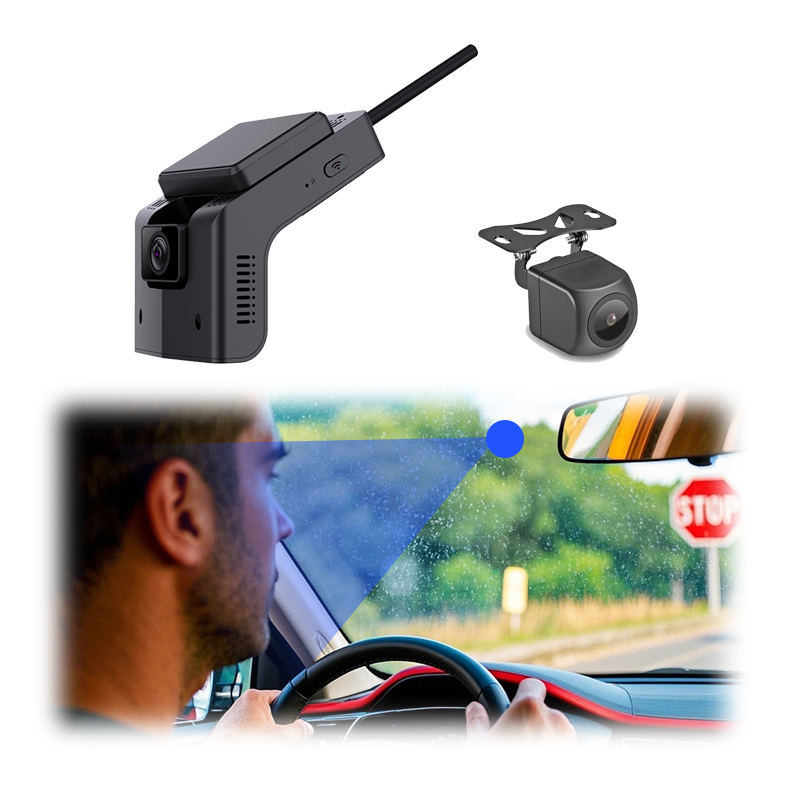
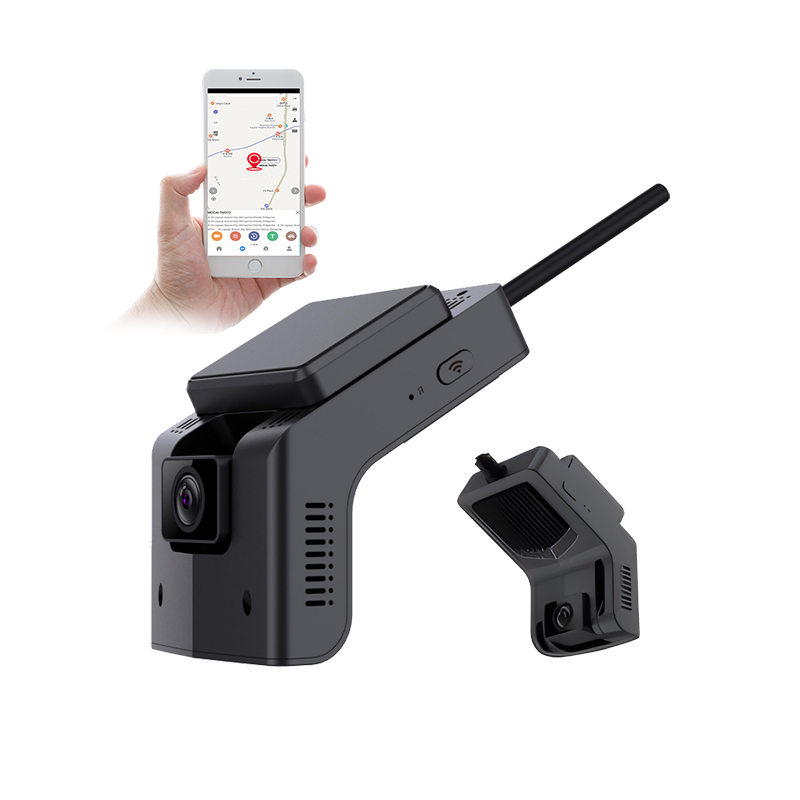
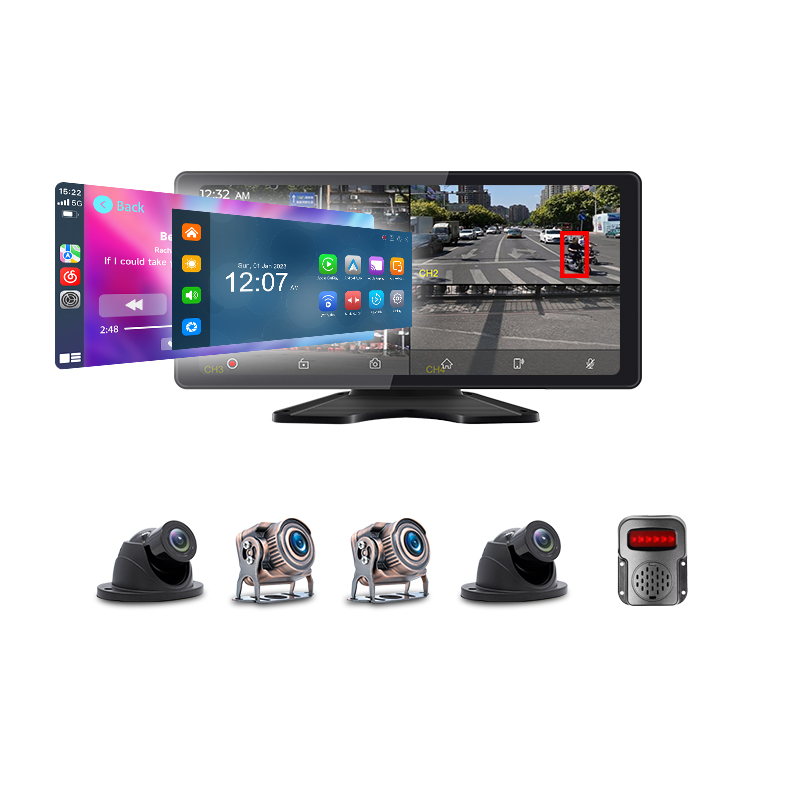

A vehicle’s video link to the cloud drops for a short list of reasons. The radio path fails in tunnels and coverage holes. The SIM hits a cap. An antenna connector works loose. A carrier’s address translation times out a quiet session. The platform refuses one more stream. The terminal reboots in the heat. Each cause leaves its own pattern in the logs. The pattern tells a fleet where to look.
A monitoring platform shows a vehicle as online when the terminal’s session is up. The session rides a mobile link from a moving vehicle, through a carrier’s network, to a server. Every segment of that path can fail on its own. A dropout is the platform’s view of any one of those failures: the live tile goes black, the vehicle’s marker goes grey, an upload stalls part-way.
The fleet’s first question at each dropout is which layer failed, because the layer decides who fixes it and what the fix costs. The causes sort into seven layers: the radio path, the SIM and its account, the antenna and its installation, the carrier’s network, the platform, the terminal hardware and the configuration. The layers fail in different ways. They recover in different ways. They leave different traces.
The dropout itself costs less than it appears to. The terminal records to its own card through every offline minute. The stored footage uploads after the link returns. The loss in the moment is the live view and the timeliness of alarms. The recording stays on the vehicle.
The radio path causes the largest share of dropouts, ahead of every other layer.
The platform’s record of a dropout is an offline event. The terminal holds its session open with periodic keep-alive messages. The platform marks the vehicle offline after those messages stop for longer than its timeout. The offline log records every dropout with a start time, an end time and a vehicle number, the three fields every diagnosis below starts from.
A dropout has three visible forms. A live view in progress freezes and closes. A vehicle’s marker turns grey on the map between reports. An alarm parcel’s upload stalls and waits. All three are the same event seen from different screens: the session between the terminal and the platform broke somewhere along the path.
The path has a fixed shape. The terminal’s modem talks to a cell mast. The carrier’s network carries the traffic to the public internet. The platform’s server accepts the session and the streams. A break at any segment looks identical on the platform’s surface, so telling the segments apart by cause and cure is the reason the layer question comes first.
Short dropouts are part of normal service. A vehicle that crosses a city passes dozens of cell boundaries, several concrete structures and a parking level or two in one shift. A clean installation on a healthy network still shows brief offline events every day. The diagnosis below concerns the dropouts that repeat, cluster or last, the ones with a cause a fleet can remove.
A working threshold separates the two kinds. An offline event under a minute, in a moving vehicle, on a route with known structures, needs no investigation. An event that lasts a quarter of an hour in open country does. A vehicle that logs ten times its siblings’ events in a week does. A whole depot offline outside its usual overnight window does. The fleet sets the thresholds once, in numbers, so the weekly reading flags events by rule.
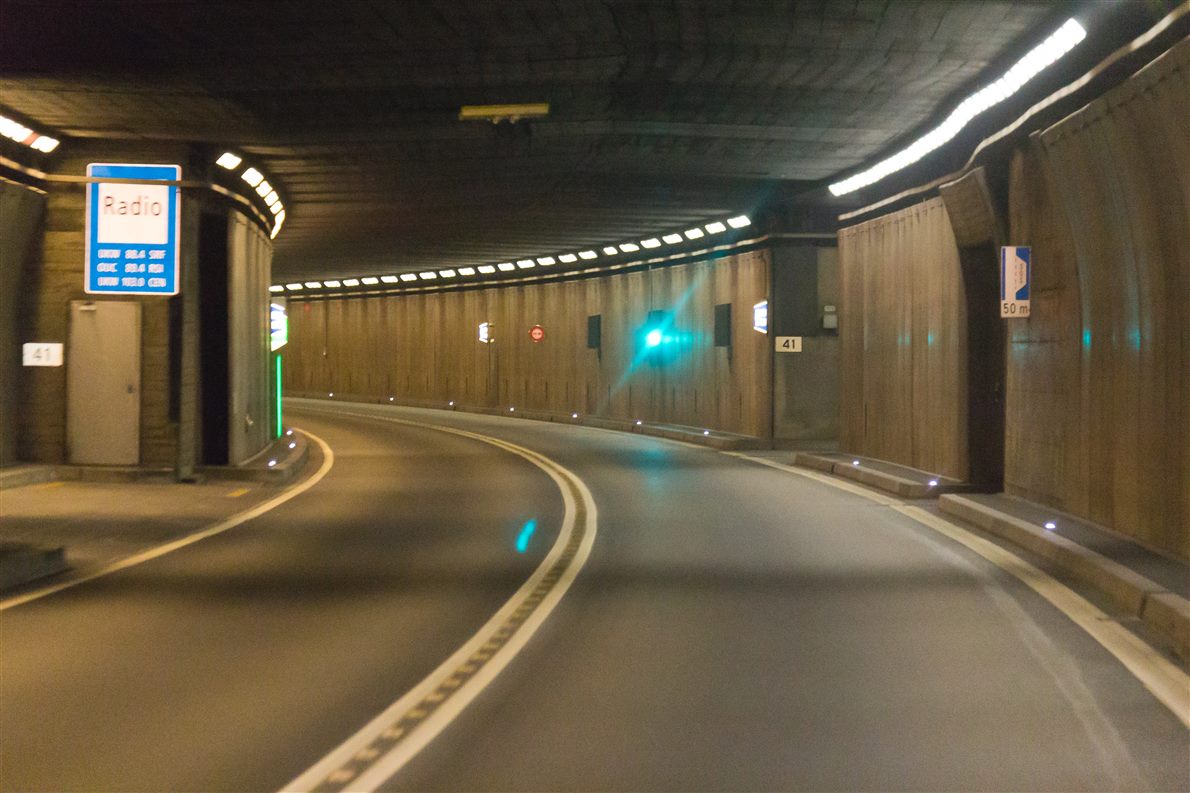
The radio path produces the largest share of dropouts. Its causes are geography. A road tunnel cuts the link to zero for its whole length, with reconnection at the far portal. An underground loading bay does the same for the whole stop. A depot with a steel roof holds parked vehicles offline overnight. An urban street walled with tall buildings weakens and reflects the signal, so the link flickers where the map shows full coverage. A rural stretch between masts runs at the edge of usable signal for kilometres at a time. The vehicle meets all of these in one working day, which is the basic difference between a vehicle terminal and a fixed camera on fibre. Cell handoff adds a second class of radio interruption. A moving vehicle hands its connection from mast to mast continuously. A handoff at the edge of two weak cells can drop the data session for seconds, with the terminal re-registering after it. A motorway at speed produces these handoffs every minute or two, so a long-distance vehicle’s log shows more brief events than a city vehicle’s, in exactly the places the masts thin out. The terminal re-registers on its own after each drop. The recovery takes longer where the vehicle has moved into the weak edge of the next cell, the case the rural sections produce. Congestion is the third radio cause. It follows the clock. A cell carries finite capacity shared by every user inside it. At rush hour, near event venues, in holiday traffic, the cell still shows full bars and delivers a fraction of its usual throughput. Real-world LTE uplink runs in the range of 5 to 20 megabits per second under good conditions and falls to 1 to 5 in fringe or congested cells. A video stream that fits the morning’s uplink can exceed the same cell’s uplink at the evening peak, so the stream stalls in places that worked all day. Weather sits last and smallest: heavy rain attenuates the signal a little, enough to push an already marginal link under its threshold and no more. Radio dropouts carry one shared signature. They correlate with place and time across vehicles. Two vehicles through the same tunnel drop at the same kilometre mark. The whole depot goes grey under the same roof each night. That signature separates the radio layer from every other layer in one read of the offline log.
The SIM fails as an account before it fails as hardware. A data plan that hits its cap mid-month gets throttled or cut by the carrier. The terminal’s link dies or crawls. Every radio indicator reads healthy through it. A plan that lapses on a billing date takes the vehicle offline at midnight with no physical cause at all. A vehicle that crosses a border with roaming disabled goes silent at the crossing and returns at the same point on the way back.
The card itself fails more rarely and more physically. A SIM seated loosely in its tray makes intermittent contact under vibration, producing dropouts that track rough roads. Corrosion on the contacts, in a humid cab over years, produces the same pattern more gradually. A re-seat and a contact clean settle the question in minutes during a service stop. The swap test settles the SIM questions the portal cannot. Move the suspect SIM into a known-good vehicle. A fault that travels with the card is the card or its account. A fault that stays with the vehicle is the vehicle: its tray, its modem, its antenna path. One swap, one day of logs, one answer, with no equipment purchased.
Account-layer dropouts show their own signature in the carrier portal. The portal records the cap event, the suspension or the roaming refusal against the SIM’s number, with a timestamp that matches the platform’s offline log. One look at the per-SIM record either confirms the account cause or clears it. The check costs minutes and removes a whole layer from the search.
The antenna decides how much of the cell’s signal the terminal ever sees. An antenna left inside a metal cab sees the mast through a steel box, with the signal cut hard before the modem touches it. A vehicle fitted this way drops in places where every properly fitted vehicle holds the link. The difference was set on installation day and stays for the life of the fitting.
Placement on the roof carries the same logic at smaller scale. An antenna mounted beside a roof rack, behind a light bar or under a body extension loses part of the sky to metal. The loss is directional: the link drops on the headings that put metal between the antenna and the mast, a pattern that looks random until the headings are compared.
A combined antenna housing carries the 4G and the positioning feeds in one fin, on separate cables. The two fail separately. A damaged 4G feed drops the streams with the position still reporting over the surviving session path. A damaged positioning feed leaves the streams up with the map marker frozen. Reading which half failed names which cable the fitter opens first. A clear patch of roof, away from other antennas and metalwork, is the cheap insurance the install plan writes in one line.
The feed cable between antenna and terminal fails by damage. A cable pinched in a door frame, crushed under trim or bent tight at a corner loses signal with every flex. Water that enters a damaged jacket corrodes the conductor over months, so the vehicle’s link quality decays slowly across a season, with no single day to point at. A cable run protected and strain-relieved at install avoids the whole class.
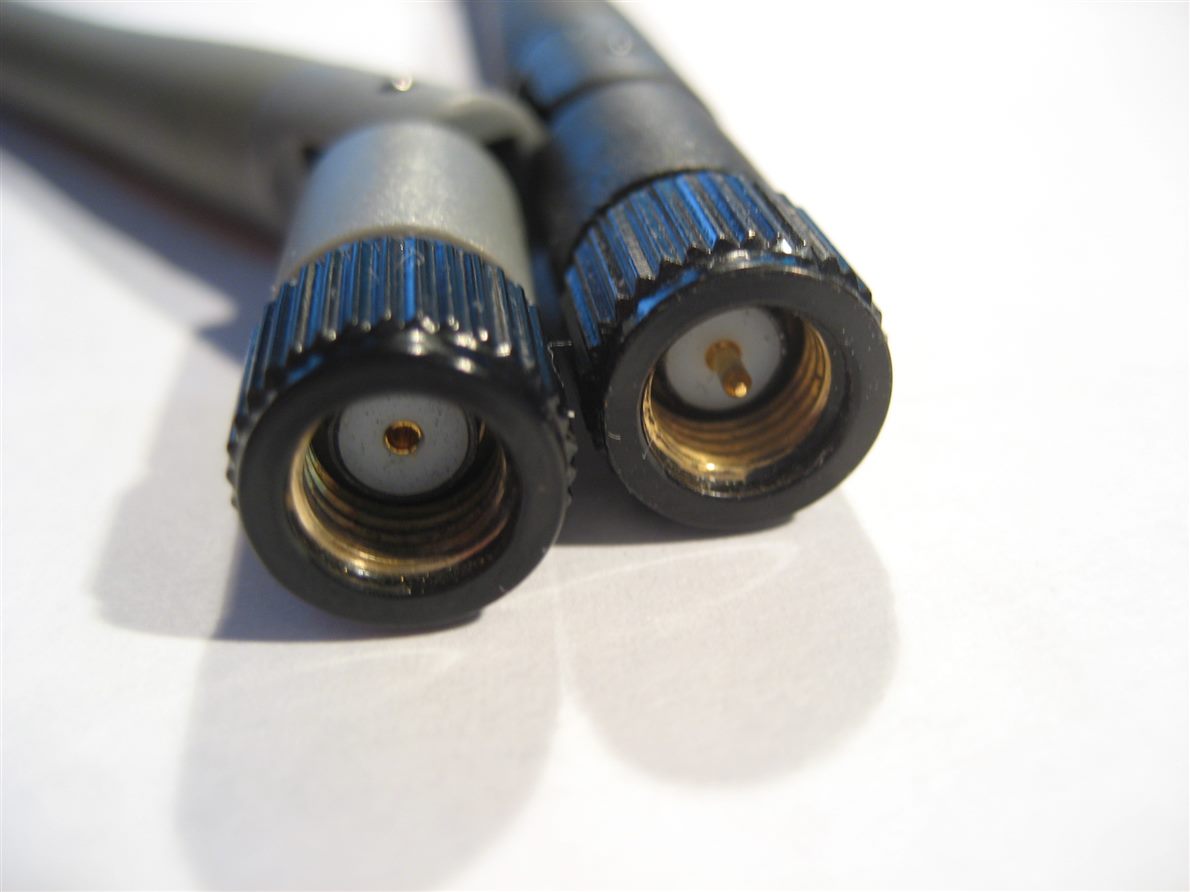
The connector is the smallest part with the largest record. The SMA-family joins on antenna feeds loosen under years of vibration. A connector a half-turn loose makes contact that comes and goes with the road surface, producing dropouts that track potholes and accelerate on rough routes. The fix is a torque check at service intervals, seconds per connector, on a list every fitter already carries.
Installation dropouts carry their own signature. They follow one vehicle, on any route, in places where its siblings hold the link. The offline log shows one vehicle number repeating where the fleet’s pattern shows none. That single-vehicle repetition is the cue to put that vehicle on a ramp before changing anything else.
The carrier’s network can end a session that the radio carried perfectly. Mobile carriers place vehicles behind carrier-grade address translation. The translation table holds an entry per session. Idle entries expire. On cellular networks the idle timeouts commonly run in minutes, with measured cases under five minutes for established connections and under one minute for idle UDP mappings. A session that goes quiet longer than the timer loses its table entry. The next message from the platform side finds no path to the vehicle.
The keep-alive exists to beat that timer. The terminal’s periodic heartbeat refreshes the translation entry along with the platform’s session state, so a correctly tuned interval keeps the path alive through quiet periods. An interval set longer than the carrier’s timer produces a fleet that drops in calm minutes and reconnects on the next heartbeat, a rhythm visible in the logs as regular short offline events with no geography attached. The interval itself has its own page in this series. The dropout cause here is the mismatch.
The carrier’s network also fails in larger and rarer ways. A regional outage takes every vehicle in an area offline together regardless of route. A maintenance window at night shows as a synchronized gap across the fleet’s quiet hours. An APN misconfiguration on one SIM profile blocks the data path, leaving calls and texts on the same SIM working. Each is visible as a pattern no vehicle-side fix can touch, the cue to call the carrier with timestamps in hand.
The escalation pack decides how fast that call gets answered. Three columns settle it: the affected SIM numbers, the offline start and end times from the platform log, the locations from the last position reports. A carrier’s support desk can match that against its own cell records in one pass. A call that opens with the pack gets a network answer without a second call.
Private-APN contracts change the middle layer’s behaviour. A fleet SIM on a private APN bypasses the public translation pool, holds longer sessions and exposes fewer timeout surprises. The option costs more per SIM and appears in carrier fleet offers. A fleet that suffers timeout-pattern dropouts on public SIMs has this as the structural cure, with the heartbeat tune as the cheap one.
The platform refuses or drops sessions of its own. A licence tier with a session cap turns the cap into a queue at the busiest hour: the last vehicles to register wait for a slot, showing offline with their radio links fully up. A server sized for the average evening fails at the morning wake-up, when a whole depot of terminals registers within minutes. The morning registration storm is a platform-side load test the fleet runs every day, unpaid and unplanned.
Platform maintenance and faults show the clearest signature in the whole subject. Every vehicle goes offline together, regardless of place, route or carrier. No radio cause produces that shape, because no single cell holds the whole fleet. A fleet that sees a simultaneous full-fleet drop reads it as the platform or its data centre and calls the platform vendor first.
The platform also ends sessions deliberately. A terminal that fails authentication after a credential change, a vehicle removed from the active list, a duplicate registration from a cloned device identity: each shows as a vehicle that connects and is dropped within seconds, repeatedly. The platform’s own session log names the refusal reason, one query away for the vendor.
The platform’s health graphs close the loop at acceptance time. A session-count graph across one full day shows the morning peak against the licensed ceiling. A fleet that asks for that graph before signing knows whether the wake-up fits.
The terminal drops the link when it reboots. Heat is the leading cause of unplanned reboots. A unit in a summer cab, mounted near a heater duct or stacked against other electronics, crosses its thermal limit and resets to protect itself. The pattern follows the thermometer: afternoon dropouts in hot months, on the vehicles with the hottest mounting spots, recovering after the restart and repeating the next hot day.
Power produces the same reboot by a different route. A supply connection that sags during engine crank restarts the terminal at every ignition, so the vehicle goes offline for a minute exactly when each trip begins. A loose power connector resets the unit on rough ground the same way a loose antenna drops the link, the two faults distinguishable because the power fault restarts the whole device and writes a boot record, the antenna fault dropping only the link.
Firmware faults produce reboots without environmental pattern. A software fault that accumulates over days makes the terminal restart at irregular intervals on any route in any weather. The internal watchdog catches the hang and reboots the unit, which is the recovery working as designed. A vehicle showing patternless reboot dropouts is a candidate for a firmware update before any hardware is touched.
Storage faults reach the link indirectly. A card at the end of its write life slows the recording pipeline. The upload tasks that read from that card stall behind it, so alarm parcels time out on a healthy link. The platform logs the failed uploads as link trouble. The terminal’s own storage health counters, where the model exposes them, name the true cause in one screen.
The terminal’s own log separates all of these from link-layer causes in one read. A reboot writes a boot record with a timestamp and a reason where the device keeps one. An offline event with no boot record around it happened outside the terminal: link, network or platform. A boot record around the event places it inside: heat, power or firmware. That one distinction halves the search space before anyone leaves the office.
A configuration can order more than the link can carry. A live tier set at a high bitrate, or several channels watched at once, can exceed the uplink of a fringe cell, where real uplink falls toward 1 to 5 megabits per second. The stream stalls, the session times out, the platform logs a dropout in a place with working coverage. The cure is the sub-stream tier doing the supervisory work, with the bitrate matched to the worst cell on the route, a configuration choice the codec and consumption pages of this series price out.
A second mismatch survives platform migrations. A terminal still pointed at an old server address, after a platform move or an IP change, registers nowhere and shows permanently offline. Every layer below it works. Fleets meet this on the day a batch of vehicles returns from long routes after a migration, carrying the old configuration the push never reached. The fix is the configuration push repeated on return, with the old address retired only after the last vehicle confirms. A migration checklist that keeps the old server answering for a transition month turns this from an outage into a log entry.
The offline log answers the layer question by pattern. The patterns are few. Dropouts that correlate with places, the same tunnel, the same depot roof, the same rural stretch, are the radio path. The map explains them, and only route planning or carrier choice changes them.
Dropouts that follow one vehicle everywhere are that vehicle. The candidates are its antenna, its feed, its connectors, its SIM seating, its power and its heat, in roughly that order of frequency. The vehicle goes on a ramp with a checklist. The fleet pattern stays clean during the check.
Dropouts that hit every vehicle at once are the platform, its data centre or a regional carrier event. No vehicle-side action helps. The timestamps go to the platform vendor for a fleet-wide drop, or to the carrier for one confined to a single region.
Dropouts that follow the clock are load. Evening events across the city’s vehicles point at cell congestion. Morning events at the depot point at the registration storm meeting a platform limit. Regular short events at fixed intervals with no geography point at a keep-alive losing to a network timer, the rhythm the middle layer produces when the interval is mismatched.
The reading costs minutes per week on two screens. The platform’s offline log gives the start, end and vehicle of every event. The carrier portal gives the per-SIM account view. The two together assign nearly every dropout to its layer without touching a vehicle. The vehicles that do need touching are named by their own repetition.
The reading works on a weekly rhythm for the same reason usage billing does. A week gives enough trips to separate the repeats, the clusters and the clock patterns from the noise of normal structures and handoffs a single day cannot. SIMs labelled by fleet number in the carrier portal make the cross-reference a one-glance job, the same labelling habit the billing pages of this series rely on.
A dropout interrupts the link. The link is the only thing it interrupts. The terminal records every camera to its own storage through the whole offline period, on the local-first design the transport standards build in. Alarm parcels that could not send are queued and resume from their breakpoint when the signal returns. The only loss is the live view, for the duration. The footage returns the moment the vehicle reconnects. The mechanism that guarantees this has its own page in this series. The operational point here is plain: on a terminal built to the standards, a dropout delays the evidence. The evidence itself stays on the vehicle. The uploaded parcels carry their original event times, so the record reads in order after the delay.
Specify an external antenna with a protected feed. Confirm the connector torque check sits in the service schedule. Ask the carrier for per-SIM visibility, with the private-APN option on routes that show timeout patterns. Confirm the platform’s session capacity covers the morning wake-up. Have dual-SIM terminals priced for routes that cross known coverage holes. Each line removes one layer’s commonest cause before the first dropout is ever logged.
The radio path leads: tunnels, underground stops, steel-roofed depots, urban canyons, rural gaps between masts, cell handoffs and rush-hour congestion. These dropouts correlate with place and time across the fleet. The remaining causes divide among the SIM account, the antenna and its connectors, carrier network timeouts, the platform’s capacity, terminal reboots and configuration mismatches.
Two usual reasons. A steel-roofed depot blocks the signal, taking every vehicle under the roof offline together. A quiet session can also expire in the carrier’s address translation, where idle timeouts commonly run in minutes on cellular networks. A keep-alive interval longer than the carrier’s timer produces regular short offline events with no geography attached. The interval tune and the private-APN option are the two cures, in that cost order.
No. The terminal records continuously to its own card whether the link is up or down. Alarm uploads queue and resume from their breakpoint after reconnection. The dropout costs the live view and the timeliness of alarms. The footage itself stays on the vehicle and uploads later, with its original event times keeping the record in order. The local-recording mechanism has its own page in this series.
By the pattern in the offline log. One vehicle dropping everywhere points at that vehicle: its antenna, its connectors, its SIM seating, its power feed or its heat, checked in that order on a ramp. Many vehicles dropping at the same places point at the radio path. The whole fleet dropping at once points at the platform or a regional carrier event. Dropouts on a clock point at congestion, a platform limit or a keep-alive losing to a network timer. The platform offline log and the carrier portal together assign the layer in minutes.
Yes. Real-world LTE uplink runs around 5 to 20 megabits per second in good cells and falls to 1 to 5 in fringe or congested ones. A live view or playback configured above what the current cell carries will stall and time out, logging dropouts in places with working coverage. The supervisory sub stream at a few hundred kilobits avoids the whole class, with the bitrate matched to the worst cell on the route.
The morning surge when a whole depot of terminals wakes and registers within minutes. A platform sized only for the daytime average can refuse or queue the last vehicles, which then show offline with their radio links fully up. The same surge appears after a regional outage ends, when every affected vehicle reconnects at once. Platform session capacity is specified against this peak, with the morning depot count as the sizing number.