







A fleet that returns to a depot every night owns a second network the road never sees. A wireless network across the parking rows turns every overnight stop into a bulk transfer window: stored footage, firmware files, deep retrievals, all moved without touching the metered 4G plan on any vehicle. The 4G link keeps the road duty it is good at, alarms and live views and tracking. The campus network takes the heavy lifting at zero marginal cost per gigabyte moved. The split is standard industry practice. Its advantages can be counted on one sheet.
The design is a division of labour by place and by size. On the road, the vehicle is reachable only by 4G, so the 4G link carries everything with a clock on it: the heartbeat, the position stream, the alarm parcels, the supervisory views an operator opens. At the depot, the vehicle sits for hours inside a network the fleet owns, so the bulk classes wait for the gate: the shift’s archive copy where policy wants one, the investigation pulls that can wait until the evening, the firmware files that belong on a fast and unmetered link.
The industry runs this as a dual-connectivity model. Cellular handles the real-time alerts and the incident clips at the moment they happen on the road. The campus network handles the full-resolution bulk when the vehicle returns, with terminals configured to associate and upload on arrival without anyone touching them. Fleets with predictable return-to-base schedules collect the pattern’s whole value, which is the honest boundary the limits section below draws in detail.
The advantages divide into five, each with its own arithmetic: marginal cost, throughput, plan relief, congestion independence and the firmware window. The five sit in one section below, followed by the mechanics, the coverage design, the limits and the acceptance test.
The road link carries the minutes. The depot network carries the bulk.
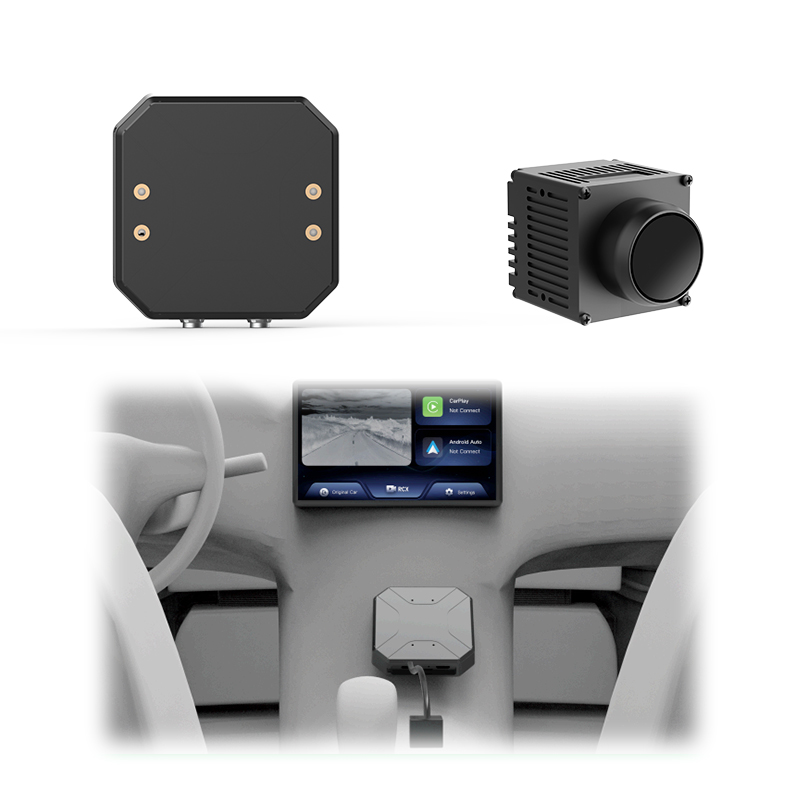
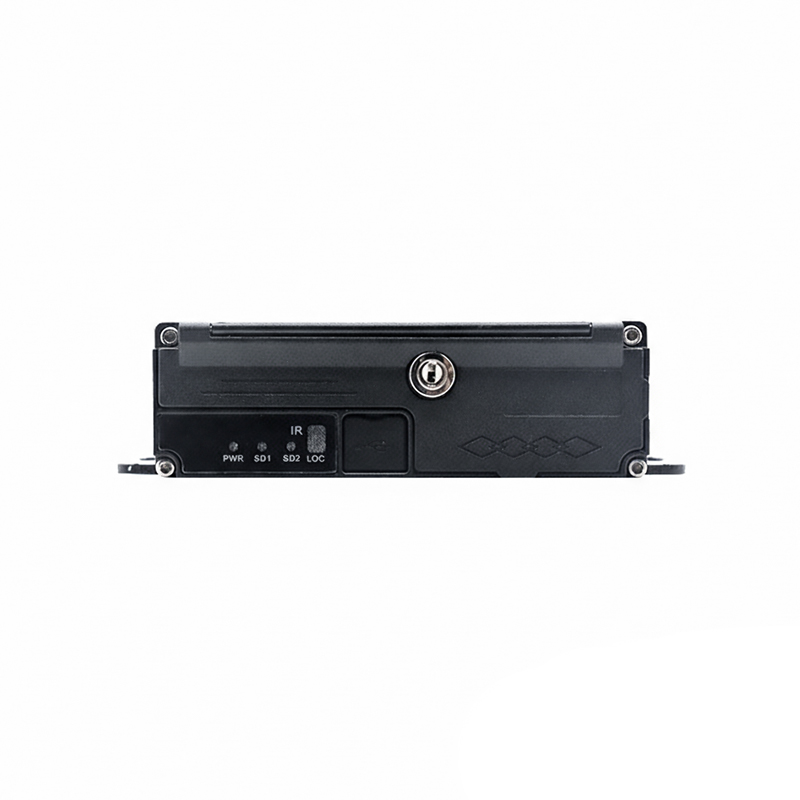
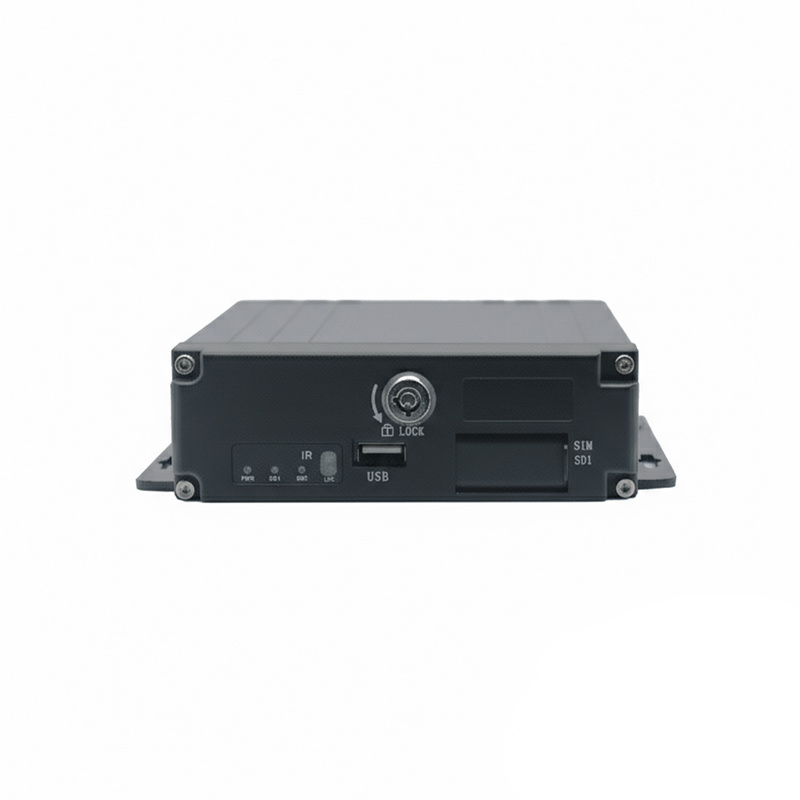
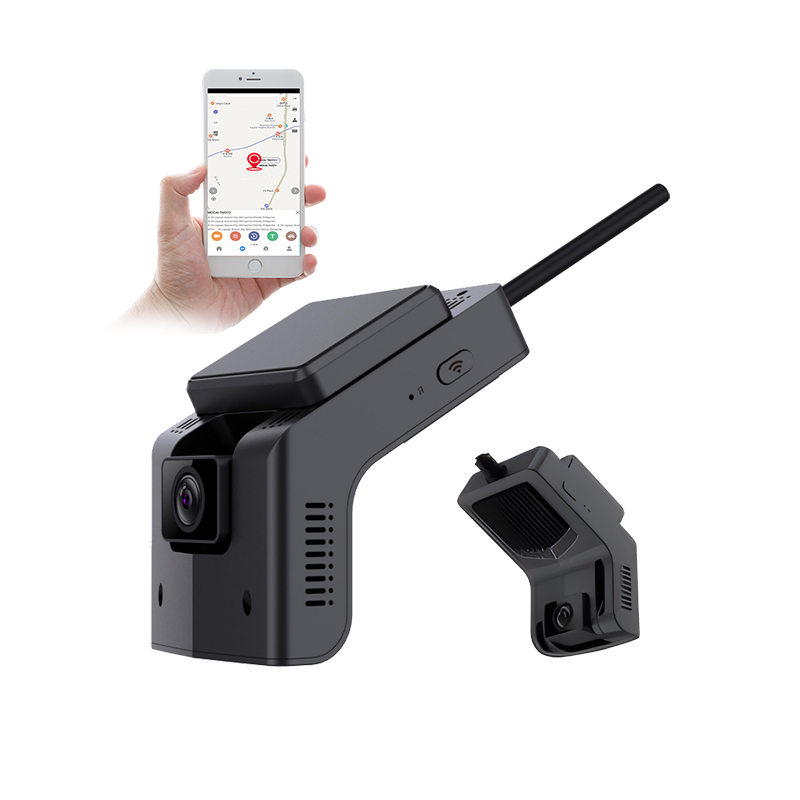
The terminal carries both radios already in common designs. The 4G modem is the road link the whole series describes. The wireless interface is a standard fitting on terminals built for depot fleets, listed as its own separate line on the datasheet. One device, two paths, with the terminal firmware deciding which path carries which class of traffic under which conditions at which hour.
The protocol stack does not change between the paths. The transport protocol is bearer-neutral, the property the 5G page establishes for the radio generations and the same property that covers a wireless interface. Registration, queues, resumable transfers and event times all behave identically over the campus network. The platform sees the same vehicle on a different address, the situation the dual-SIM page already normalised.
The wireless side runs on the ordinary commercial standard family, the same access points an office or a warehouse buys, in outdoor housings for the yard. Nothing about the vehicle case needs special radio equipment. The terminals speak the standard, the points speak the standard, the depot’s network treats the fleet as a set of clients on its own segment. The ordinariness is part of the economics: the parts are commodity, the skills are common, the spares are next-day.
The fleet’s own infrastructure closes the loop at the yard. Access points across the parking area, wired back to the depot’s network, reach either the platform over the depot’s internet line or a local storage server inside the same building, by policy per class. Both destinations appear in industry deployments: cloud platforms fed through the depot’s uplink, plus local servers that hold the bulk archive entirely on site, with the trade-off page’s placement logic deciding which classes land where.
The first advantage is marginal cost, the headline number of the whole design. Every gigabyte moved over the campus network crosses hardware the fleet already bought: the access points, the cabling, the depot’s internet line. The per-gigabyte price of the transfer is zero on the carrier’s meter, because the carrier’s meter does not see it. The same gigabyte on 4G crosses the data plan at the per-gigabyte reality the billing pages price. Bulk classes moved across that gap change the monthly assembly the consumption page builds, with the pull component and the exceptional firmware items leaving the 4G column entirely. The second advantage is throughput, an order of magnitude or more in the bulk direction. Real 4G uplink runs at single-digit to low-double-digit megabits per second in working cells, the band the dropout page quotes. A local access point a few metres from a parked vehicle delivers tens to hundreds of megabits in the same direction, shared across the vehicles on that access point. A transfer that would occupy a 4G uplink for an hour finishes in minutes at the depot, which is the difference between a transfer the operation schedules and one it forgets about. The third advantage is plan relief, the consumption page’s arithmetic read from the other side. A fleet whose pulls and firmware ride the campus network sizes its 4G pool against alarms, viewing and the resident floor alone. The percentile that sizes the pool falls, the pool’s tail allowance shrinks, the throttling edge moves away from the working months. The data contract gets smaller as the data moved gets larger, the trade that makes the access points pay for themselves on the carrier invoice. The fourth advantage is congestion independence. The depot’s network is the fleet’s own: its load is the fleet’s own vehicles, its coverage is designed for the parking rows, its busy hour is chosen by the upload scheduler. None of the public-network failure modes the dropout page catalogues apply inside the fence. The evening cell congestion that stalls a 4G upload has no equivalent on a network with one owner and a known load. The fifth advantage is the firmware window. Firmware files are the largest routine downloads a terminal takes. A fleet-wide update multiplies them by every vehicle. Over 4G the update is a metered, scheduled, trickled operation. Over the campus network it is one evening: every vehicle takes the file at local speed on arrival, with the update applied overnight and the fleet rolling out current the next morning. The update habit the recording and switching pages ask for, re-testing after firmware changes, gets cheaper to keep when the firmware itself moves for nothing.
The alarm parcels stay on the instant path wherever the vehicle is. An event at the depot uploads over the campus network because that is the link in front of it. An event on the road uploads over 4G at the moment it fires, on the survival logic the trade-off page makes the whole case for. Nothing about the campus design delays evidence. The class that moves is the bulk behind the evidence. The evidence itself keeps its instant path.
The pull class moves almost entirely to the gate. Investigations that name footage by date and channel can wait for the evening in the ordinary case, the discipline line the recording page writes for the retrieval habit. The query goes out during the working day, the terminal pins the named stretch against overwrite, the transfer runs at the gate at local speed that evening. The urgent exception stays on 4G by a priority flag on the request, priced as the exception it is in the case budget.
The archive copy is the class the campus network creates. Fleets with audit duties or client contracts sometimes want whole shifts copied off the vehicles nightly, a class far too heavy for any metered link at any plan size. Over the campus network the nightly copy turns into a scheduling exercise, sized by the window arithmetic below. The trade-off page’s placement table gains a third place, the depot server, holding bulk the cloud never needed to see.
The live view stays transient on either network. An operator watching a parked vehicle’s camera over the campus path costs the depot network a stream and the data plan nothing, a small bonus of the design. The class still stores nowhere, the rule the trade-off page sets, with the misconfiguration that records live views just as visible in the monthly figures whichever network carried them.
Firmware and large configuration move by default. The update file lands on the depot server once, every returning vehicle pulls it locally on arrival, the application happens overnight on the bench-test schedule the parameter pages set for firmware changes. The class is the cleanest win of the five advantages, because its size is large, its urgency is low and its schedule is entirely the fleet’s own.
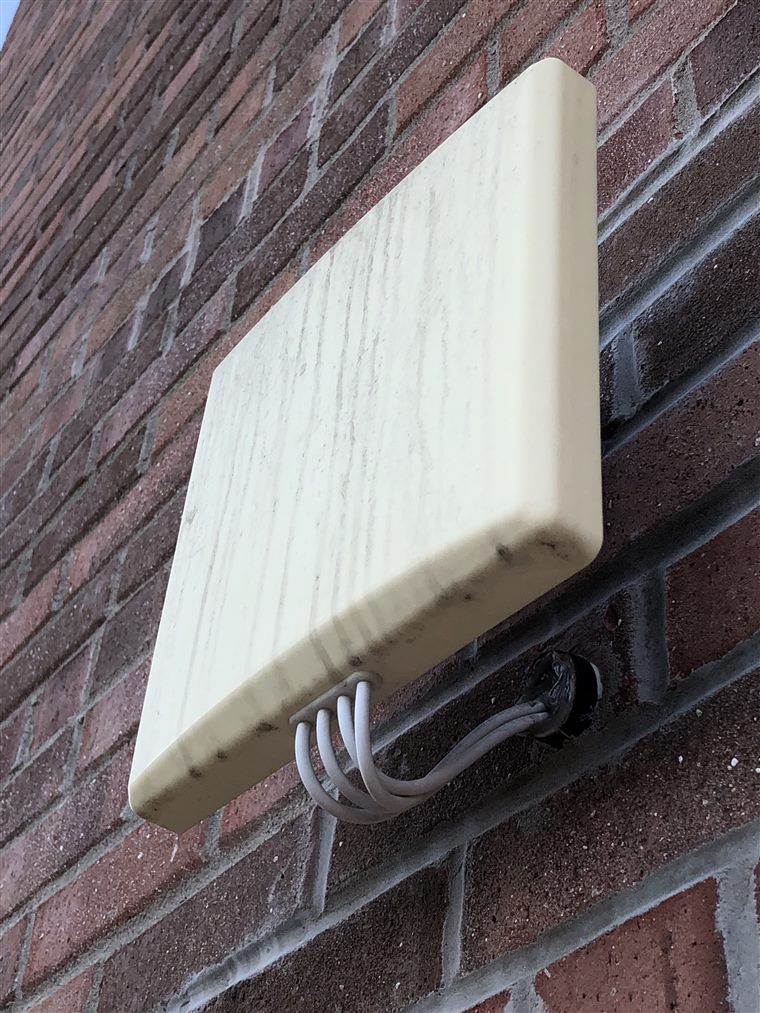
The association is automatic on arrival at the yard. The terminal carries the depot network’s name and credentials in its configuration table, pushed over the parameter channel like every other setting in this series. The terminal scans as it enters range, associates, then reports the new path to its upload scheduler. Nobody in the cab or the office touches anything, the property the industry deployments advertise and the acceptance test below verifies.
The scheduler drains the queues in priority order on the new path. Any alarm parcels still queued from the day’s coverage holes go first, in the same oldest-first order the recording page sets for the resume. The pinned pull requests go next. The bulk archive copy runs last, sized to the window. The order means the campus network clears any evidence backlog within minutes of arrival, before the heavy classes take the link for the rest of the night.
The resume machinery carries over unchanged. A transfer interrupted by a vehicle moving between rows, a power-down mid-copy or an access point reboot resumes from its breakpoint on the next association, the same mechanism that survives 4G coverage holes on the road. The overnight window tolerates interruption by design, because the protocol underneath it already did.
The platform’s view stays single. The vehicle re-registers over the campus path under the same device identity, the identity logic the dual-SIM page walks. Position reports continue from the parked coordinates at the parked cycle. The offline marker stays green through the transition where the association is quick, the heartbeat continuity the interval pages size. A fleet reads the network switch in the address column of the platform log and nowhere else on the screen.
Departure reverses the sequence without ceremony. The terminal loses the access point as it rolls out and re-registers over 4G within its detection timers. The road profile resumes. Unfinished bulk waits pinned on the card for the next gate. The morning departure costs nothing because nothing time-critical was ever scheduled into the night’s tail, the slack the window arithmetic prices in from the start.
The window arithmetic is three numbers multiplied on one line. Vehicles in the yard, gigabytes per vehicle per night, hours of dwell between last arrival and first departure. A depot of fifty vans copying two gigabytes each moves a hundred gigabytes per night. Across an eight-hour dwell that is a sustained rate in the tens of megabits per second for the whole yard, a load one well-placed access point per few rows carries with margin. The same hundred gigabytes over 4G would be a visible slice of a monthly pool. Over the campus network it is a quiet night’s background work.
The dwell hours are the design’s hidden asset. Road uploads compete with the operation’s working day. Depot uploads run while the fleet sleeps, in a window longer than any transfer needs, scheduled to finish before the first departure with hours of slack. The scheduler that staggers vehicles across the night turns even a modest access point layout into enough capacity, because the divisor is the whole night, with no busiest hour in it.
The depot’s internet line is the one shared bottleneck where the destination is the cloud. A hundred gigabytes through the building’s uplink takes what the uplink gives. Fleets that archive to a local server inside the depot remove the bottleneck entirely, the placement the trade-off page prices for bulk with rare readers. The split is one policy line: evidence copies to the cloud, bulk archive to the local server, each at the speed its path allows.
The stagger is the scheduler’s one design decision. Fifty vehicles arriving across the evening drain in arrival order by default, the early returns finishing before the late ones start their bulk. A fleet whose vehicles arrive in one wave staggers by configuration: bulk transfers begin on a per-vehicle offset, spreading the load across the night’s hours. The access point counters from the acceptance test show whether the default suffices, the one number that decides whether the stagger line is needed at all.
The radio plan is a parking problem before it is a network problem. Vehicles park in steel rows. Steel rows shadow radio the way the antenna page describes for the cellular bands. An access point at the office door covers the office, the first row and little else. Coverage that reaches every bay comes from points mounted high on poles or walls, looking down the length of the rows, the one geometry that keeps a line of sight over the parked roofs.
The band choice trades reach against rate. The lower band carries further and bends around obstructions better, at lower throughput. The higher band moves bulk faster and dies sooner behind steel. Depot deployments commonly run both, with terminals taking the faster band where the bay allows and falling back where it does not. The window arithmetic above absorbs the difference, because the night is long enough for either rate.
The neighbours share the air, the one outdoor reality an office deployment never meets. Adjacent businesses, public hotspots and the depot’s own office network all occupy the same unlicensed bands. The survey reads the existing occupancy along with the signal, places the fleet’s points on the cleaner channels and leaves the office network its own. The unlicensed band carries no guarantees against a new neighbour, the small standing risk the weekly address-column glance covers in practice.
A site survey settles the layout in an afternoon. A laptop or a test terminal walks the rows, reading signal and rate at each bay, with the dead bays marked for an extra point or a relocated one. The survey repeats after any re-striping of the yard, because the radio map is the parking map. The cost scale is small: a handful of outdoor access points and their cabling, against a carrier invoice the design reduces every month after.
The cabling decides the install more than the radio does. Outdoor points take their power and their data over one cable in current practice, which puts the real work in the trenching and the conduit runs back to the depot’s switch room. A yard with lighting poles already wired shortens the job to mounting and one cable per pole. The survey that maps the radio also maps the cable paths, one drawing serving both trades.
The pattern pays in direct proportion to depot time. A city fleet home every night collects the full five advantages on every vehicle. A regional fleet home weekly collects a fraction of the archive value and all of the firmware value. A long-haul tractor that sees the yard twice a month keeps its 4G-first design, with the campus network as an occasional bonus gate, the profile reading the consumption page’s worked months already imply for that class of route.
The campus network is depot infrastructure, with everything that implies. Access points fail, switches fail, the internet line drops. The depot’s network needs the same ownership column any infrastructure needs. The failure mode is gentle by design: a dead access point delays bulk, the queues hold, the 4G path still carries everything urgent. The vehicle never depends on the campus network for anything the road cannot do without.
Multi-depot fleets repeat the pattern per site with one shared design. The terminal’s configuration carries the credential set for every site, the platform profile carries the same class policy everywhere, and each yard gets its own walked survey with its own acceptance numbers on file. A vehicle that overnights at a sister depot drains its queues there under the same rules. The design scales by copying paperwork, the cheapest kind of scaling there is.
Security closes the limits list with one line and one pointer. The depot network carrying vehicle video belongs on its own segment, behind the same access discipline the platform accounts already enforce, with the wireless credentials rotated on the configuration channel. The encryption of the video itself, in transit and at rest, has its own page in this series, the SM4 implementation its own subject. The campus design changes where the bytes flow. The protection of the bytes is the sibling page’s whole question.
The acceptance test takes one vehicle and one evening. Drive it through the gate with a day’s bulk queued on the card. Watch the platform’s address column flip as the association lands, with a stopwatch running on the interval from gate to associated. Watch the queue drain in priority order: parcels first, pulls, archive. Read the drain rate off the access point’s own counters against the survey’s prediction for that bay class. Pull the morning report and confirm the queue is empty and the firmware version moved where an update was staged.
The numbers go into acceptance the way every test in this series lands. Association inside a stated interval from arrival. Drain rate above a stated floor per bay class. Window completion before a stated hour with stated slack. The three lines turn the campus network from an installed hope into a measured facility, re-checked after firmware updates on the same cadence as every other mechanism.
The weekly confirmation costs one glance after the first month. The platform’s address column shows the fleet flipping to the depot path each evening. The morning report shows queues at zero. A vehicle that stopped associating shows up as a 4G address in the yard, the one-line anomaly that sends a technician to that bay with the survey sheet. The reading folds into the monthly data review the consumption page schedules, two columns on the same screen.
The terminal line states the wireless capability: the interface as a named datasheet item, the bands it serves, the credential handling over the remote configuration channel with rotation supported. The infrastructure line states the coverage: every bay above a stated rate, survey results attached. The policy line states the classes: alarms instant on any path, pulls and archive to the gate, firmware by default, with the urgent-exception flag priced. The assembly line updates the consumption page’s sheet: pull and exceptional components moved out of the 4G column, the pool resized at the next renewal on the smaller distribution.
The four lines land in four owners, the pattern the parameter pages repeat across this series. Hardware specification for the terminal line, facilities plan for the coverage line, platform configuration for the policy line, carrier contract for the assembly line. A fleet that writes all four has built the second network into its paperwork, which is where infrastructure either exists in writing or stops existing at the first staff change.
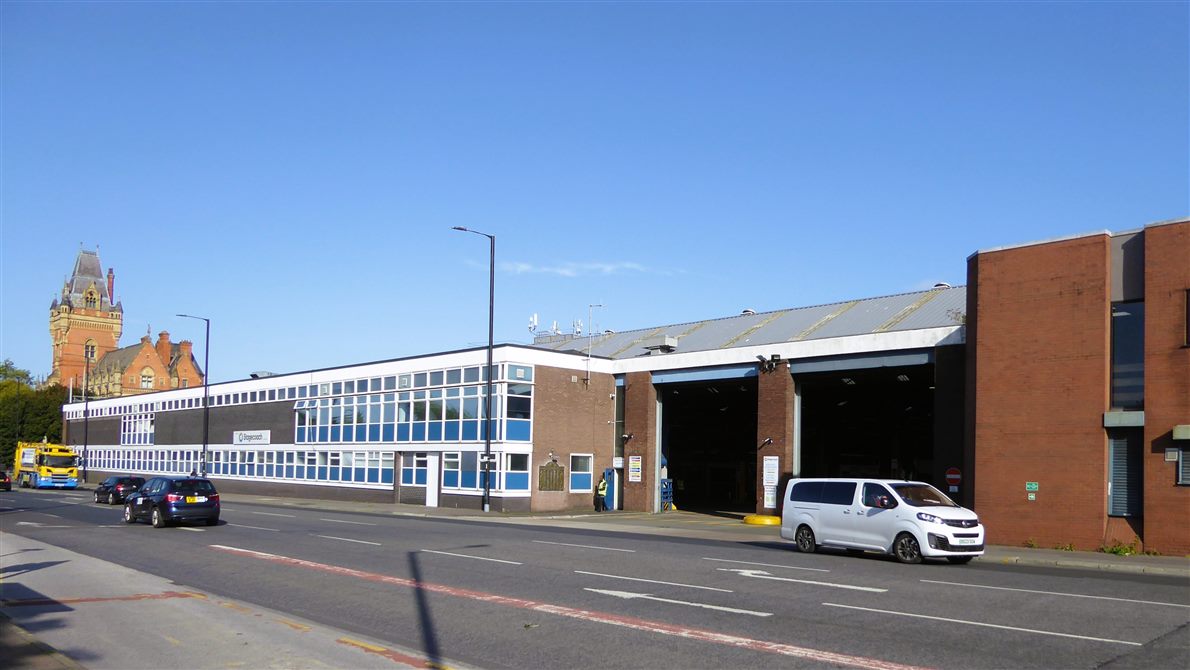
Specify the terminal’s wireless interface with remote credential handling on the configuration channel. Survey the yard and place the access points by the rows, with the dead bays fixed before acceptance. Write the class policy and the priority order into the platform profile. Update the consumption assembly and resize the 4G pool at renewal. Run the one-evening acceptance test and file its three numbers. The depot then moves the fleet’s heaviest bytes every night for nothing. The 4G plan goes back to carrying the road work it was sized for.
A second network the fleet owns, covering the depot’s parking rows with ordinary commercial access points in outdoor housings. Terminals associate automatically on arrival, with credentials pushed over the configuration channel, and move the bulk classes over it: queued parcels first, named pulls, the nightly archive copy where policy wants one, firmware files for the whole fleet. The 4G link keeps the road duty it was sized for: alarms, live views, tracking, heartbeat, everything with a clock on it. The split is the industry’s dual-connectivity model for return-to-base fleets, with terminals associating on arrival and draining queues in priority order without anyone touching them.
The bulk classes leave the metered column entirely. Pulls and firmware, the heavy and irregular components of the consumption page’s monthly assembly, move to infrastructure with no per-gigabyte meter on it anywhere. The 4G pool is then resized against alarms, viewing and the resident floor alone, at the next renewal, on a smaller and tighter distribution with a thinner tail. The access points are bought once, on commodity parts with common skills. The plan shrinks every month after, with the difference visible in the per-vehicle figures.
No. Alarm parcels upload at the moment of the event over whatever link the vehicle has, 4G on the road, the campus network in the yard. The survival logic of the storage trade-off page stays untouched on every route and at every hour. The classes that wait for the gate are the ones with no clock on them: named pulls in the ordinary case, the archive copy, firmware and large configuration. Nothing about the design delays evidence, at the depot or anywhere on the route.
An order of magnitude or more in the bulk direction. Working 4G uplink runs single-digit to low-double-digit megabits per second in the cell’s shared pool. A nearby access point delivers tens to hundreds on the fleet’s own network, shared across its vehicles, across a dwell window of hours. A depot of fifty vans copying two gigabytes each clears a hundred gigabytes in a night as background work, a volume no metered plan carries comfortably. The dwell hours, with the fleet asleep, are the design’s hidden capacity.
Every parking bay, above a stated rate, with the walked survey on file to prove it. Steel rows shadow radio, so coverage comes from points mounted high, looking down the length of the rows, commonly on both bands with the faster one taken where the bay allows and the further-reaching one as the fallback. A walk-the-rows survey finds the dead bays in an afternoon. The survey repeats whenever the yard’s parking layout changes, because the radio map is the parking map.
The design degrades gently and by intention. Queues hold on the vehicles. The 4G path still carries everything urgent. The bulk waits for the next working gate. The campus network carries nothing the road cannot do without, so its failure delays archives and firmware and leaves evidence and live operations untouched on any vehicle. The depot network gets the same ownership and monitoring column as any other piece of fleet infrastructure, with the weekly address-column glance as its health check.