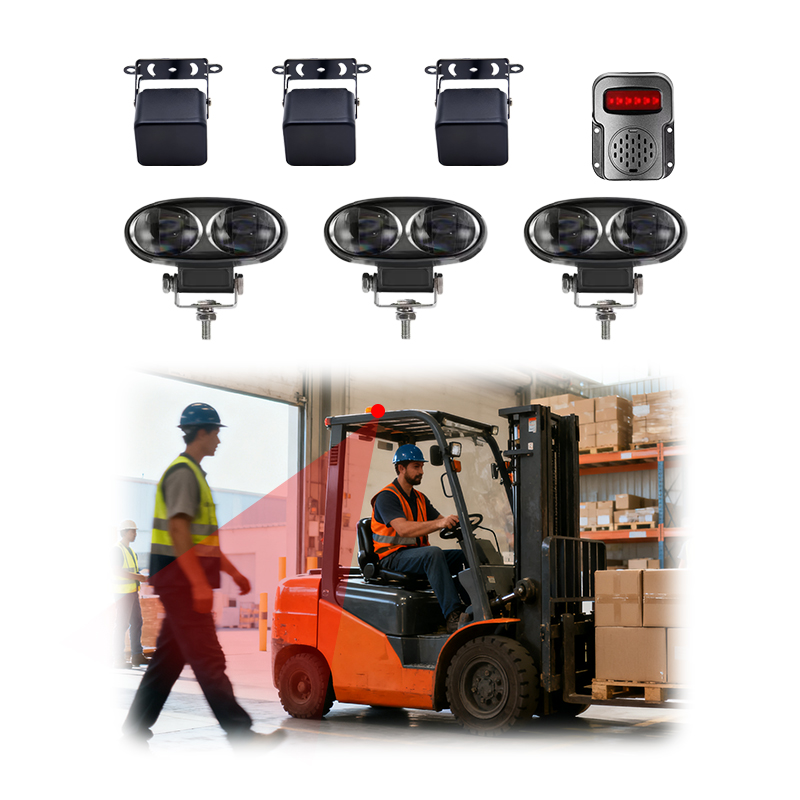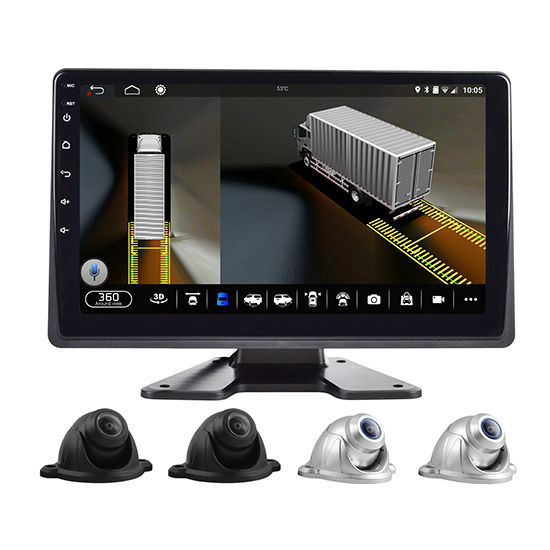

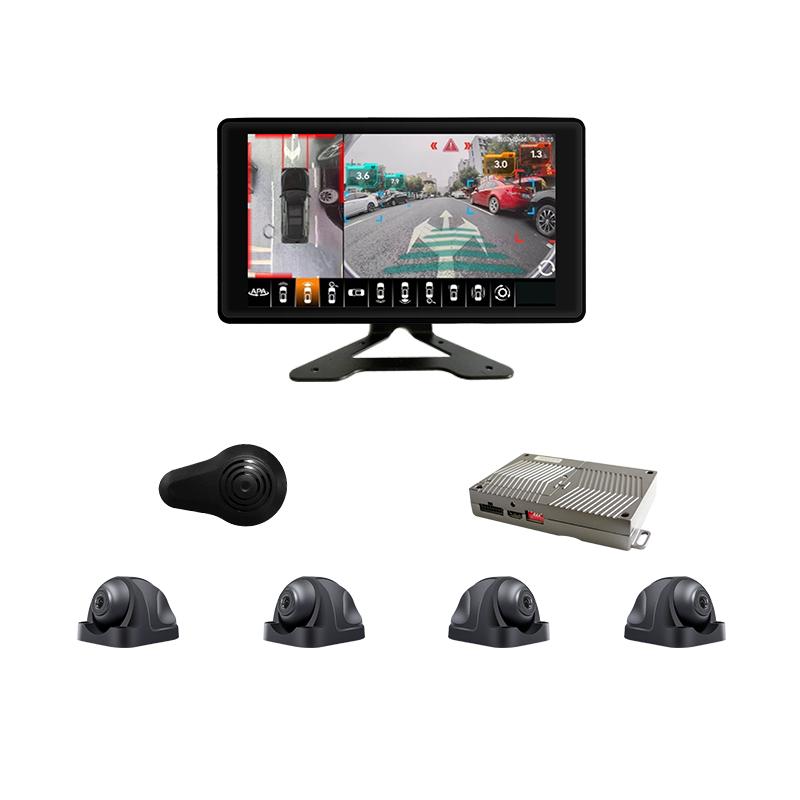





A driver-assistance system that warns too often gets switched off. A system switched off saves no one. That single fact governs the whole of false-alarm work. The goal is not a system that never makes a mistake, because no detector built from radar and cameras and code is free of them. The goal is a system that makes few enough false alarms that the driver keeps trusting it. It must still catch the real dangers it exists for. Those two aims pull against each other. Drive the false alarms to zero and you start missing real threats. Let the real threats all through and you drown the driver in false ones. False-alarm optimization is the work of finding the bearable point between those two. The deeper work is pushing that point somewhere better than a plain trade allows.
Every warning function on the vehicle lives with this. Forward collision, lane departure, pedestrian, headway, each detects something and each can be wrong in the same two ways. The cost of the two errors is not equal. A false alarm annoys. A missed danger can kill. That asymmetry argues for warning more, catching every real event whatever the noise. The annoyance has a sharp edge of its own. Past some rate of false alarms the driver stops believing the system and turns it down. The missed-danger rate then climbs to whatever the unaided driver misses. A system tuned to warn on everything protects no one once it has been muted.
So the work is to drive false alarms low enough to keep the driver’s trust, without giving up the real detections that are the point. Stated plainly, that is a balance on a tradeoff. The craft is in refusing the easy version of it. The easy version slides a single threshold until the false alarms fall, paying for each one with a real detection lost. The hard version changes what the system can tell apart, letting the same threshold catch more real events and fewer false ones at once. Knowing which of those you are doing is the whole of the discipline.
Cutting false alarms is easy on its own. Cutting them without missing real dangers is the entire problem.
There are exactly two ways a detector can be wrong, pointing in opposite directions. The first is the false alarm. The system calls a danger that is not there, warning or braking for a shadow, a sign, a car that was never on a collision course. The second is the missed detection. The system stays silent through a danger that is real, letting the pedestrian or the stopped truck pass unflagged. One is a cry of wolf. The other is a wolf let through. Every tuning decision a system carries trades in these two currencies. The rate of each is what false-alarm work measures.
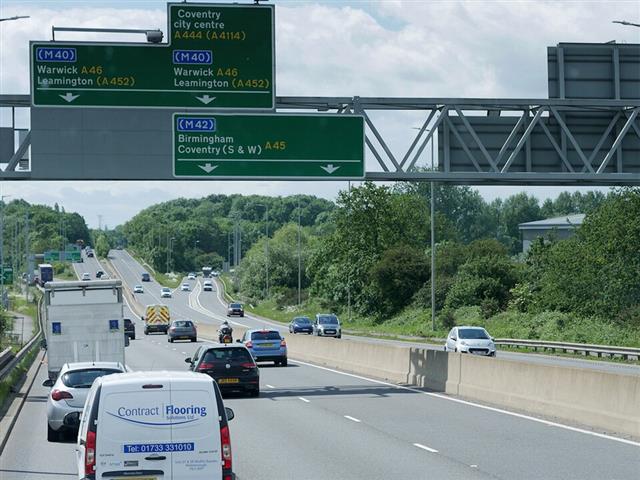
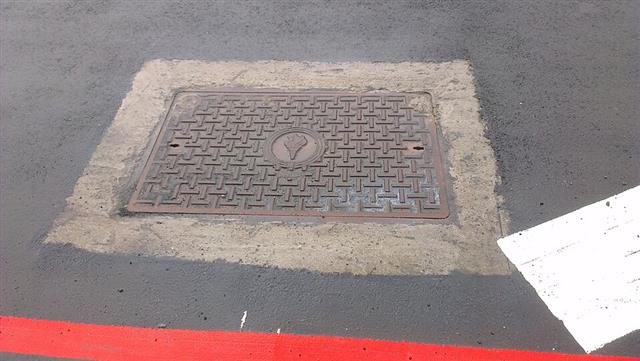
The false-alarm side fills with harmless things that look like threats. A radar return is strong off any large metal object. An overhead sign gantry, a manhole cover set in the road, the steel expansion joint on a bridge can all read as something solid dead ahead. A camera is fooled by a shadow thrown across the lane, by a low sun flaring off wet tarmac, by a billboard with a vehicle printed on it. Each can trip a warning, or worse a brake, for nothing in the road at all. Sudden braking for a phantom is its own hazard, a danger to the vehicle behind. Complaints of it run into the hundreds of thousands on some systems. The false alarm is a safety problem pointing the other way.
The missed side is quieter and worse. Here the system fails to call a danger that is real. A pedestrian in dark clothing steps off a curb at night and the camera, starved of contrast, does not resolve a person in time. A car sits stopped in the lane and the radar, trained to throw away stationary returns so it does not brake for every sign, throws this one away too. That discarded stopped car is the trade laid bare. The same rule that keeps the radar from braking at every gantry is the rule that let the real obstacle through. A lane line worn to a ghost gives the departure warning nothing to hold. The missed detection leaves no trace in the moment. The driver never sees the warning that failed to come. The error goes unnoticed until it is a crash. Every step taken to quiet the false alarms risks deepening this silent pile.
The two are bound together. At a fixed system, anything done to catch more of the real dangers lets through more of the false ones as well. Anything done to silence the false ones drops more of the real in turn. A detector made quicker to call a threat calls more phantoms. Made slower, it lets more real threats slip by unflagged. The knob that lowers one rate raises the other. There is no setting of that knob that lowers both. The link is built into any detector that draws a line between alarm and silence. Understanding why is the start of doing better than the knob allows.
Picture every version of a detector as a curve. Along one axis runs how many of the real dangers it catches, its recall. Along the other runs how clean its alarms are, the share of its alarms that prove true, its precision. A single detector, with its algorithm fixed, does not sit at a point on that curve by accident. It sits where its one threshold has been set, a point that can slide. Loosened, the detector catches more real dangers and raises more false alarms together. Tightened, it sheds false alarms and loses real detections with them. Every point reachable by turning that one threshold lies on the same curve. The curve always slopes the same way: more catch comes with more noise, less noise with less catch. This is the trade you cannot cheat. At a fixed algorithm no threshold gives both more real detections and fewer false alarms, because the curve does not bend that way. A team that boasts of cutting false alarms by half has said nothing about safety until it says what happened to the misses. The honest question is what the detection rate did at the same time. Cutting one number as the other quietly worsens is just sliding along the curve and reporting only the half that looks good. The work that counts as optimization does something harder. It moves the whole curve outward. Every threshold on the new curve beats the old one on both counts at once, more real dangers caught and fewer false alarms raised, with no trade between them. That outward move comes from giving the detector better evidence to judge on. The difference is concrete. Take a camera that flags a stopped vehicle and add a radar that has to agree before the alarm fires. At the same rate of real catches, the false alarms drop, because the two sensors rarely err together. That is the curve moving out. Compare that with raising the camera’s confidence bar on its own: the false alarms drop too, dragging the real catches down with them. That is the point sliding. The two can show the same lower false-alarm number and look identical in a report. One kept the catches. The other threw them away. And where on the curve a system chooses to sit is itself weighted by the lopsided cost of a miss against a false alarm, pushing the chosen point toward catching, as far as the driver’s patience will bear. The threshold decides where you sit on the curve. Only better evidence decides which curve you sit on.
Moving the curve means giving the system more to judge on than a single number from a single sensor. The better its evidence, the more sharply it can split a real threat from a look-alike, pushing the whole curve further out. Four kinds of better evidence carry the load: agreement between sensors, persistence over time, the geometry of the scene, a sharper classifier. None of them touches the threshold. Each changes what the detector knows before the threshold is ever applied.
The first is fusion. Radar and a camera fail in different ways. Radar is fooled by a metal gantry it cannot tell from a truck. A camera is fooled by a shadow it reads as a shape. The two rarely fail on the same thing at the same moment. Require both to agree before an alarm fires. The false alarms that fooled one alone are filtered out. The real threats still come through, because they show up to both. The gain is real detections held steady as the false ones fall. The cost is the harder engineering of fusing two sensor streams in time and space, plus the loss of a detection when only one sensor can see the threat at all. Which sensors to carry and how to weigh them is a trade taken up on its own.
The second is persistence. A real object holds together from one frame to the next, moving the way a solid thing moves. A phantom flickers, appearing for a frame or two and gone. Tracking a candidate across many frames, demanding it behave like a real object before it counts, throws out the flickers that a single frame would have called a threat. The real dangers persist and survive the test. The phantoms do not. This buys a lower false-alarm rate, paid for with a small delay, the time spent confirming, balanced against how fast the warning has to come.
The third is the geometry of the scene. A detector that knows where the lane goes can ask whether a return even sits in the vehicle’s path, setting aside the sign on the verge and the car in the next lane over. A detector that knows the road surface can reject a shape too small to be a person or too large to be real. A radar that resolves height, the four-dimensional kind, can tell a flat manhole cover or a low bridge joint, which have no height to speak of, from a standing pedestrian or a stopped truck that does. The flat metal that fools ordinary radar is no phantom once the sensor can see it lying flat in the road. Each of these reaches the same end, fewer false alarms with the real detections kept, by giving the system the context a bare return lacks.
The fourth is the classifier itself. The part of the system that decides this shape is a person and that one a bush can be made sharper. A sharper classifier separates the two classes with fewer mistakes of either kind. The lever here is data. A model trained on more miles, in more weather, on more of the rare cases, draws a cleaner line. The strongest single move is to feed it the failures, the gantries and manholes and shadows it once called pedestrians, labeled as the false alarms they were, teaching it to reject them. Mining those hard negatives moves the curve where it counts, on exactly the look-alikes that were tripping the alarm.
The dial is the cheap lever, the tempting one. The threshold is a single number in the software. Changed, it ships the new behavior the same day, on the same hardware, with no new sensor and no retrained model. Raised, it drops the false alarms at once. For a fleet drowning in nuisance alerts, that is a fast, real relief. It is the lever handed to the driver or fleet as well. The short, medium, long settings on a forward-collision warning are the same dial, exposed in the cab, sliding the same operating point a notch each way. Few drivers ever know which way the factory left it. The appeal is obvious. So is the catch.
The catch is the curve. Turning the dial slides the operating point along it. The slope is fixed: every false alarm the dial removes is paid for with a real detection it now misses. The forty percent cut in nuisance alerts that a fleet celebrates came with a rise in the dangers the system no longer calls, even if no one measured it. This is the commonest way false-alarm work goes wrong: reporting half the result, with no bad faith needed. A change pushed to cut a wave of customer complaints can sail through because the complaints stop, the safety case it quietly weakened going unchecked until a regulator or a crash asks the other question. A false-alarm rate is easy to show falling. The missed-detection rate is hard to see at all, because the misses are invisible until they crash.
None of this makes the dial illegitimate. Once the curve has been pushed as far out as the algorithm can manage, someone still has to choose where on it the system will sit. That choice is a real piece of engineering. A deployment in dense city traffic may accept a few more misses to quiet a stream of nuisance alerts. A long-haul fleet on open roads may hold the line tighter. Sliding the operating point to match the cost a particular operation can bear is honest work, as long as the recall given up is named and owned. The honest practice is to report the two numbers together, always. A claim that false alarms fell, with no word on what detection did, is half a result. Turning the dial is a legitimate tool for choosing the operating point. The fault lies in presenting that slide as an improvement, when the curve itself never moved.
None of this is tuned in theory. The curve is measured. The only way to measure it is on real driving. A system is run over recorded miles of real roads, the same scenes played back again and again, with the ground truth sitting against each, a labeled record of what stood there. With that in hand the two rates fall out by counting: how often the system alarmed where the truth says nothing was wrong, how often it stayed silent where the truth says a danger stood. Tuning is reading those counts, adjusting, reading them again.
The labeling is the hard, unglamorous heart of it. Someone, or some better sensor, has to say of each scene what was real: a pedestrian here, a plastic bag there, a stopped car, an empty road. On the test track the truth is staged and known. On public roads it has to be reconstructed after the fact, from a higher-grade sensor suite or a human reviewing the footage frame by frame. Without that record there is no way to tell a false alarm from a true one, because both look the same from inside the system. The quality of the tuning can rise no higher than the quality of the labels. Sloppy ground truth tunes the system toward the wrong answer with full confidence. This is why the data work, the collecting and the careful labeling of millions of scenes, costs more than the clever algorithm it feeds.
Real driving keeps feeding the loop. Every false alarm a fleet reports is a labeled negative waiting to be used, a gantry or a manhole the system should learn to wave off. Every miss, often surfaced only by a near miss or a crash, is a labeled positive it should have caught. Folded back into training, these sharpen the classifier and push the curve out again. The improvement reaches the fleet over the air without a workshop visit. The supply never ends, because the road never runs out of new scenes. A vehicle shaped oddly, a sign in a new style, a road marking no model has met all feed the long tail of rare cases where the next false alarm and the next miss are always hiding. Tuning is a loop run for the life of the system.
For a commercial operator this loop has teeth. A fleet’s own miles tune the system to its own routes, its own roads and weather and traffic, far better than a generic factory setting. Over-the-air updates let the curve keep moving after the vehicle is years into service, each release built on the failures the whole fleet has reported since the last. The discipline that holds it together is the regression test: a stored library of past scenes the system must still get right, run against every change, catching the case where a fix aimed at one false alarm would quietly break a detection that used to work. Without that guard, each improvement risks undoing an older one, the curve lurching from side to side and never outward.
A number is only as honest as the data it was measured on. Tuned against a set of scenes, adjusted until the false alarms and misses on those scenes both look good, a system can show a flattering result that means nothing on the road. It can learn the quirks of that particular set, the exact gantries and shadows in it, scoring well by memorizing the test and no better at the task than before. A detector tuned until it aces its own data has learned that data. The world it then drives in is a different set of scenes.
The guard against this is data the tuner never touched. A slice of the collected miles is held back, unseen during training and tuning. The rates that count are the rates on that unseen slice. Good practice goes further, holding out several different slices and rotating which one is used, keeping the result from hinging on one lucky or unlucky sample of road. Performance on the data used to tune always looks better than performance on fresh data. The size of that gap is the measure of how much the system memorized and how little it learned. A small gap means the gains are real and will travel to the road. A large gap means the system was fitted to its own test and will disappoint the moment the scenes change.
A sharper version of the same trap waits where the test is fixed and known in advance. If a system must pass a set scenario suite, a handful of staged encounters scored to a standard, it can be tuned to pass exactly those and no more. It scores full marks on the exam. It carries the same false alarms and misses onto roads the exam never covered. A braking system can ace every staged dummy on the proving ground. It can still slam on the brakes under the first real overpass it meets, because the overpass was never in the suite. The metric and the goal have come apart. The score measures performance on the suite. Safety is performance on everything the suite left out. A system optimized for the test is optimized for the wrong thing. The gap shows up only in the field.
The honest practice runs the other way. It measures on held-out data and on fresh field miles that no tuning has touched. It treats any fixed benchmark as a floor to clear. The question that matters is the rate on the roads the system has not seen. The gains that matter are the ones that travel from the test data out to roads no one tuned against.
There is no single right false-alarm rate, because there is no single driver or road. A city bus on a dense route meets a near-warning every block. A rate a long-haul driver would find maddening may be the cost of operating there at all. A coach on open motorway sees few. There the same rate would feel like constant crying wolf. The cost of a miss shifts too, higher where the vehicle is heavy and the speeds high, lower where everything moves at a crawl. The bearable point on the curve is a property of the operation the algorithm runs in.
So the operating point is set per deployment. The same detector, the same curve underneath, is configured differently for a city bus and an intercity coach, each placed where its own balance of nuisance and risk falls. A function that helps on the highway and only nags in town can be set to stand down at low speed for one fleet and stay alert for another, the same code wearing two policies. Some of this is the profile a manager picks. Some is learned from the deployment itself, the system watching its own alarm rate in service and trimming toward where the drivers of that operation will still heed it.
The action behind the alarm changes the bar. A false chime is a small thing, an annoyance the driver shrugs off. A false brake is not. A vehicle that stamps on its brakes for a phantom can be rear-ended by the traffic behind, turning a non-event into a crash. So the false-positive bar tightens sharply as the response escalates, from a gentle warning, to a loud one, to the system braking on its own. A rate of false warnings a fleet will tolerate becomes intolerable the moment those false events start applying the brakes. The braking function, where the cost of being wrong is highest, is held to the strictest false-alarm bar of all, a matter taken up with automatic braking itself.
What a given operation can bear is itself discovered in the field. A fleet that mutes a function in numbers is telling its supplier the point is set wrong for that work. The complaints become the data that moves it. The tolerance is read off how real drivers on real routes respond. It drifts as routes, vehicles, traffic change. The false-alarm rate that is right for a fleet is the one its drivers will live with as the system still catches what it must.
Zero is not on the table. A system with no false alarms at all is either switched off, warning on nothing, or it is a flawless detector, and no real sensor and no real model is flawless. At any real system the only way to reach zero false alarms is to miss real dangers, the one failure the whole apparatus exists to prevent. So the target was never zero. The target is the curve pushed as far out as the evidence allows, by fusion and persistence and context and a sharper classifier. After that comes an honest choice of where on it to sit, owning both numbers it commits to. False-alarm optimization done well makes the trade as gentle as the evidence can buy, then faces it squarely.
One number never tells the story. The honest report is always two.
A false alarm is the system calling a danger that is not there, warning or braking for a shadow, a sign, or a vehicle that was never on a collision course. A missed detection is the system staying silent through a danger that is real. Both are errors, in opposite directions. The false alarm is felt at once and annoys. The missed detection stays invisible until it becomes a crash. Cutting one tends to raise the other, the whole difficulty of the work.
Because at a fixed algorithm the two errors trade against each other. A system made quicker to warn catches more real dangers along with more false alarms. Made slower, it sheds false alarms and real detections together. Every setting of the threshold sits on one tradeoff curve of fixed slope. Driving false alarms to zero on that curve means missing the real dangers the system exists to catch. Zero false alarms is reachable only by a system switched off.
Better evidence does the real work. Four levers help: fusing radar and a camera so both must agree before an alarm fires, tracking a target across frames so flickering phantoms drop out, using the geometry of the scene to reject objects not in the path or without the height of a real obstacle, training the classifier on more data, especially the past false alarms it should learn to ignore. Each cuts false alarms and holds the real detections. A threshold change cannot do that.
It is a real change, a limited one. Raising the threshold slides the operating point along the tradeoff curve, the false alarms falling and real detections falling with them. It is fast and cheap. It can be the right move once the curve has been pushed as far out as the algorithm allows and someone must choose where on it to sit. The danger is reporting only the drop in false alarms and leaving the rise in missed detections unmeasured. A threshold change is honest when both numbers are named. It misleads when only the flattering one is shown.
Phantom braking is a false positive in the braking system. The sensors read something harmless as an obstacle and the vehicle brakes for nothing. Common triggers are large metal objects that throw strong radar returns, an overhead sign gantry, a manhole cover, a steel bridge joint, plus visual tricks like a hard shadow across the lane or a low sun flaring off wet road. Height-resolving radar helps by telling a flat object on the ground from a standing one in the way. Complaints of phantom braking run into the hundreds of thousands across some systems.
Because the cost of being wrong is far higher. A false warning is a chime the driver ignores. A false brake is a sudden deceleration in moving traffic that can cause the vehicle behind to run into it, turning a non-event into a crash. So a system that brakes on its own is held to a much lower false-positive rate than one that only warns. The bar tightens at each step from a gentle alert to a hard one to autonomous braking. The more forceful the response, the surer the system has to be before it acts.