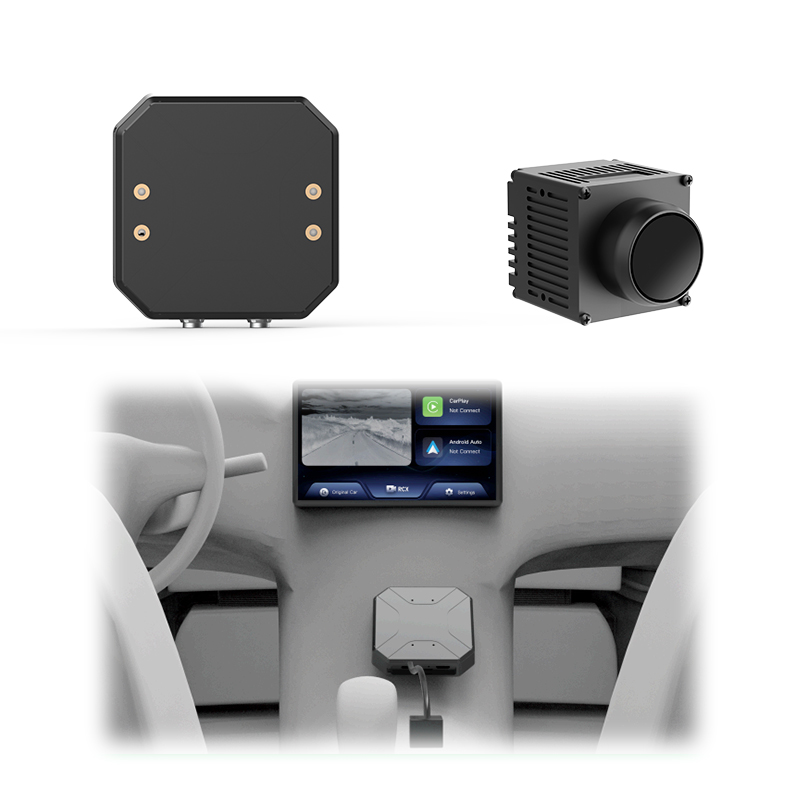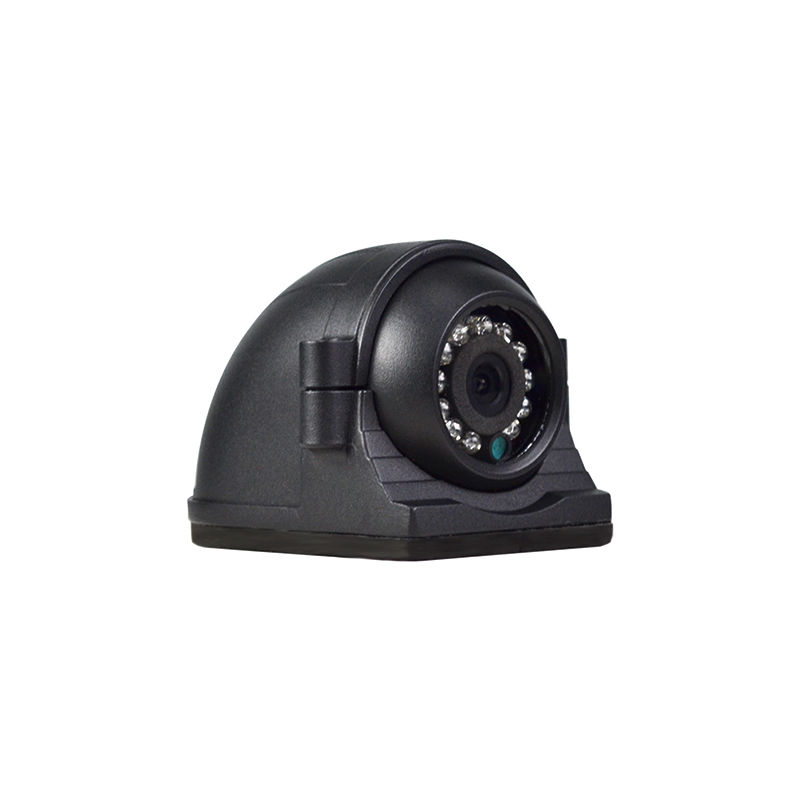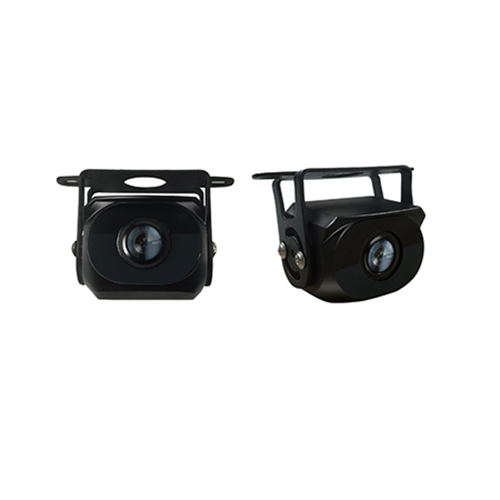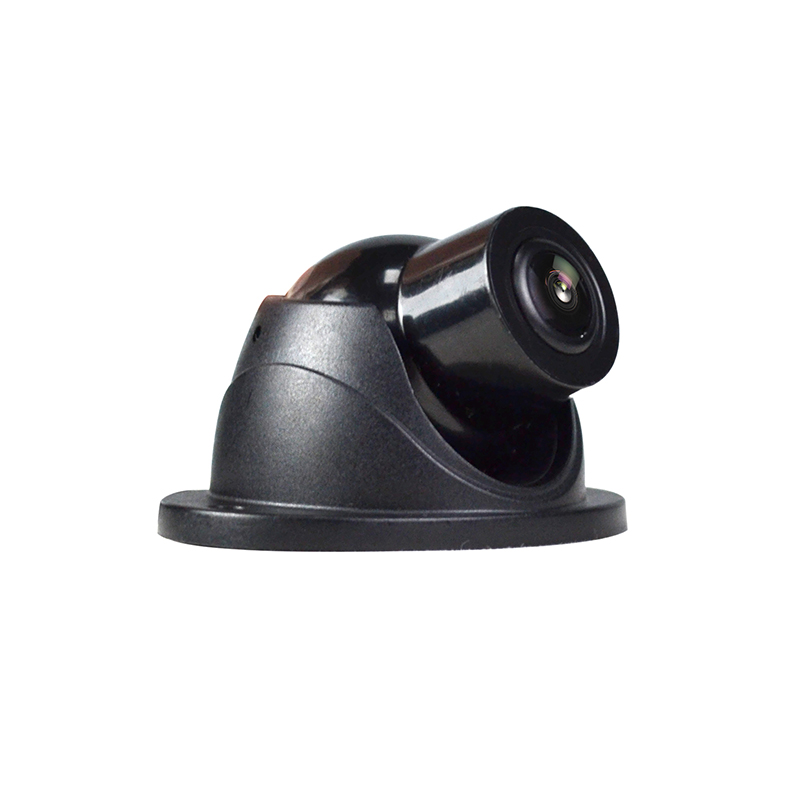


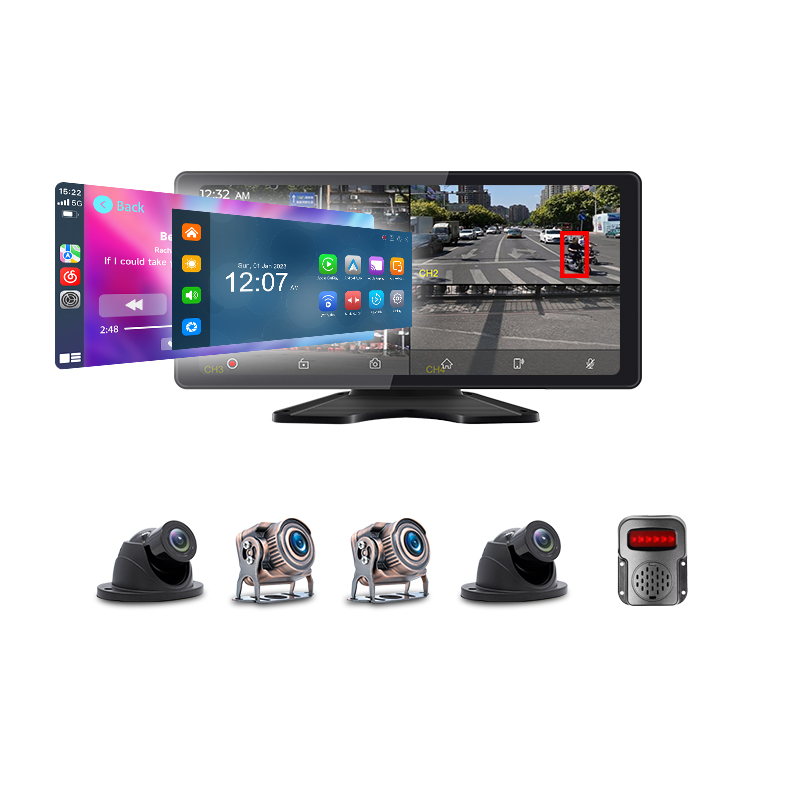

Fitting a passenger car’s ADAS to a truck is more dangerous than running no system at all. A car’s collision and lane-departure systems are tuned for a car: its weight, its height, its stopping distance, its single rigid body. Bolt that same system to a truck and every one of those assumptions breaks. The system reads the truck’s world through a car’s assumptions and gets it wrong.
The mismatch is not a matter of degree. ADAS is tuned to a specific vehicle, the sensors aimed for its geometry, the warnings timed to its mass and speed, the whole system calibrated to one make and model. Once it is on a truck, the system works from the wrong numbers throughout.
This problem reaches past any single function. How a truck’s emergency braking differs from a car’s is its own subject, taken up where the two are compared. That is one piece of it. The concern here is the whole transplant: what happens when an entire driver-assistance package, designed and tuned for a passenger car, is moved onto a vehicle it was never meant for. Each piece fails in its own way.
What makes this matter more than the swap itself suggests is what a truck is. A loaded rig carries twenty or thirty times the energy of the car the system grew up in and needs far more room to wash that energy off. When a warning comes too late or a brake reaches in too softly, a heavy truck has no margin to absorb it. Nothing in the system’s thresholds was reset for a truck’s far bigger consequences. That gap is not just a technical one. It shows up as the distance a heavy vehicle cannot recover once a warning comes a moment late. On a truck that green light covers a far more fragile reality.
Fitting car ADAS to a truck buys only the look of safety.
Passenger-car ADAS is everywhere and cheap. It is made in the millions, refined over years, sold as tidy aftermarket kits that promise forward-collision and lane-departure warning for a fraction of what a commercial system costs. A fleet looking to add safety, or to meet a mandate, sees a working technology at a low price and a quick install. On paper it looks like the move to make.
The reasoning seems sound. A forward-collision warning is a forward-collision warning, and a lane camera reads lanes whatever the vehicle. If the functions are the same, the thinking goes, the hardware should transfer. Fit the car’s camera and radar to the truck and wire them in, and the warnings the car had seem to come along. The logic holds right up until the system meets the truck. Bench tests and a working dashboard cannot show whether the judgments are right for this vehicle.
What the reasoning misses is that ADAS is not a generic function bolted to a generic vehicle. It is tuned, end to end, to the specific vehicle it ships on. The same camera fails in a truck because the vehicle around it changed. The system behind it was built for one car and no other.
That gap runs through every part of the system. Each assumption a passenger system makes, about height, weight, stopping distance, the shape of the vehicle, is an assumption a truck breaks. The trouble is bigger than one bad setting a good technician could find and correct. The entire frame of reference belongs to a car. A truck has no place in it. These mismatches show, one by one, why the transplant fails and how it does so quietly. The functions run over a vehicle they were never built to read.
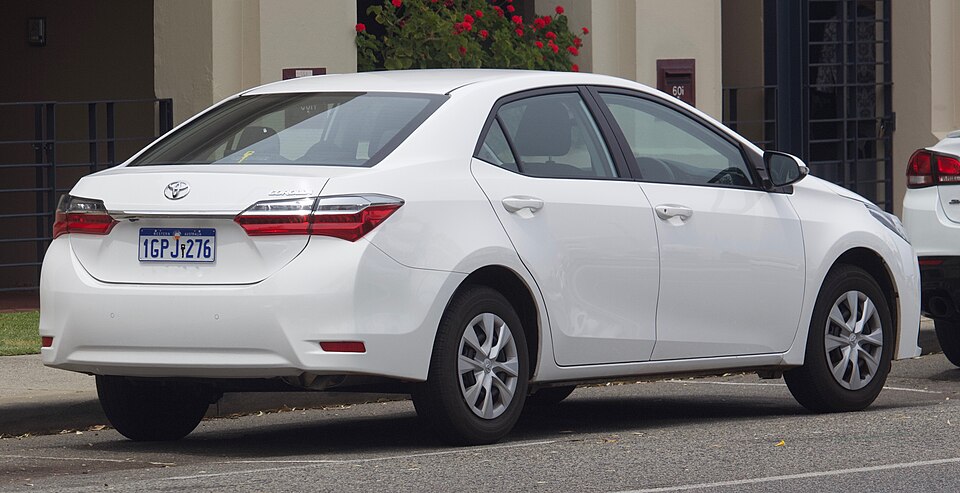
Start with how tightly ADAS is bound to its vehicle. A modern driver-assistance system is calibrated to a specific make and model, sometimes to the individual vehicle. The sensor positions, the target patterns used to align them, the tolerances each sensor is held to, all are set by the maker for that model. Move the system to a different vehicle and the references it was aligned against no longer describe where it now sits.
Calibration is only the start of it. The warning thresholds, when a collision alert fires, how far a lane drift goes before the system speaks, are tuned to the car’s mass, its braking, its typical speeds. The image processing is trained on what the road looks like from a car’s height and viewpoint. Even the assumptions about how the vehicle moves, how fast it can stop, how sharply it can swerve, are a car’s. The system is a car-shaped set of expectations through and through.
This is why even swapping one car’s system into another car is not casual work. Makers use their own alignment targets, their own mounting points, their own tolerances, none of them interchangeable. A workshop calibrating ADAS keeps a library of make-specific targets because one will not stand in for another.
Against that backdrop the truck is the extreme case. It is another kind of vehicle entirely, built to a scale and shape the car’s system has no setting for. The transplant lands a system whose every reference, threshold and assumption was set for a different vehicle.
The software side is just as bound. The models that read the camera feed were trained on the car’s data, the views, the speeds, the situations a car meets, so a truck feeds them images and motion that training never saw, from a height it never learned. Retuning that goes far past a settings change. It means building the system again for a vehicle it was never shown.
Set every mismatch side by side and the system is working confidently from the wrong premises. It reads the truck’s world through a car’s assumptions. It judges closing speed against a car’s stopping distance and times its warning to a point that comes late for a forty-tonne load. It places the lane from a camera made to see at a car’s height, so its read of where the truck sits can drift. It treats the rig as one body, blind to the trailer swinging behind. Take one moment to see it. A car ahead slows hard. The transplanted system times the threat by a car’s stopping distance and holds its warning too long for the loaded truck behind. The gap the truck needed to stop is already gone by the moment the warning comes. By its own logic the warning fires too late for the truck to use. Every judgment is built around another vehicle entirely. A truck with a car’s ADAS transplanted in runs warnings and lane locks aimed by numbers that belong to another vehicle. A truck the dashboard reports as equipped is a truck no one goes back to fix. The fleet has bought a placebo. The placebo does none of protection’s actual work. The green light on the dash closes the case. The green dashboard hides how exposed the truck is on the road. No one watches for a failure they believe they have already prevented.
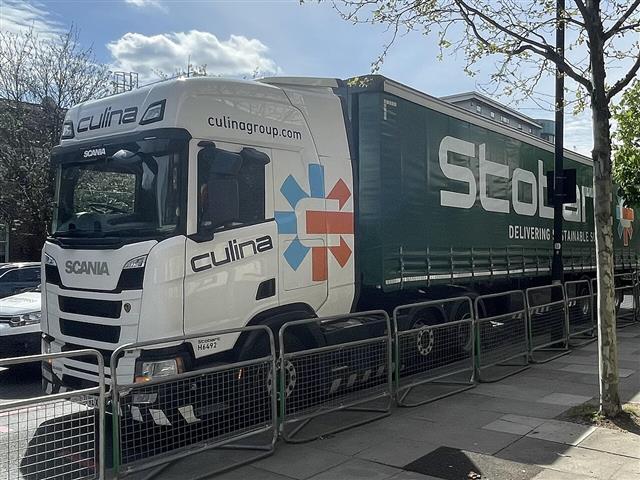
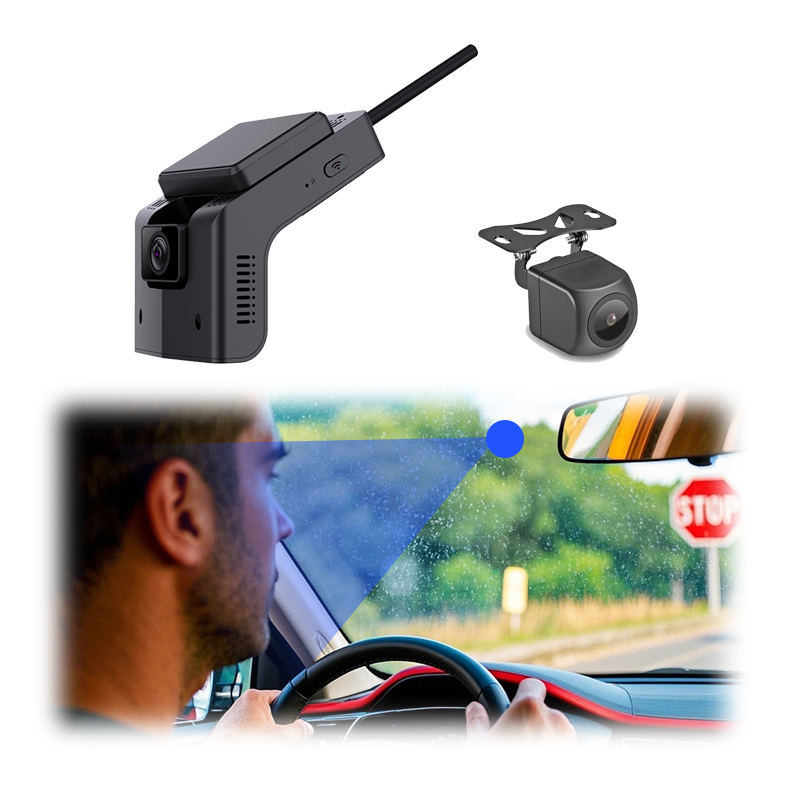
Begin with where the system looks from. A passenger-car camera is designed to see from about a meter off the ground, the height of a car’s windscreen. Its whole model of the road, how lane lines converge, how far a vehicle ahead appears, how the horizon sits, assumes that low viewpoint. The processing behind it learned the road from there.
A truck’s windscreen sits two or three times higher. Mount the car’s camera up there and it looks down at the road at an angle it was never trained for. Lane lines meet at a different point. Vehicles ahead present at a different size and place. The patch of road right in front falls into a deep blind spot below the high cab. The image the camera sends back is geometrically unlike anything its software was tuned to read.
Calibration cannot rescue what the viewpoint broke. Aligned to the best a car’s targets allow, the system still sees from the wrong height, with a model of the road built for a lower one. The calibration itself is a problem too: the targets and procedures are the car maker’s, set for the car’s geometry, with nothing that matches a truck’s. The alignment that keeps a system true is itself vehicle-specific, taken up where calibration is covered. No car procedure fits a truck.
From the wrong height, the system’s reads go wrong in ways that pass for ordinary output. It may place a lane edge a little off, or misjudge the distance to a vehicle, or miss entirely the cyclist sitting in the low blind spot a car never had. Each read comes back a little early here, a little late there, quietly wrong because the eye behind it is mounted where it was never meant to be.
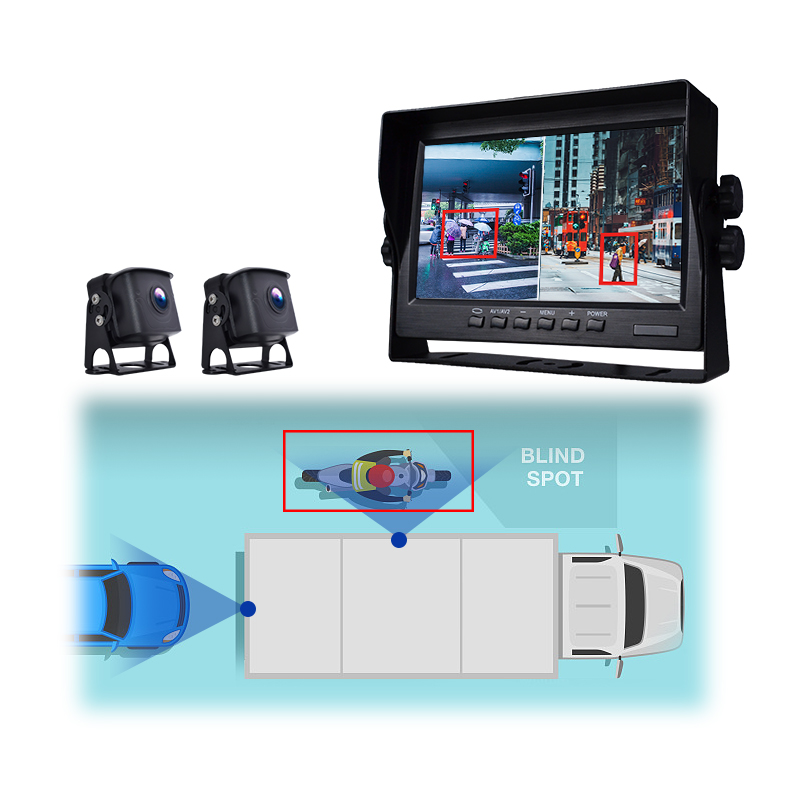
The blind spot the height opens is the sharpest of these. Raised to a truck cab, the camera loses the near ground beneath its view. A pedestrian or a cyclist can stand in exactly that spot. On the truck, the transplanted eye is blind to the very space around the vehicle that needs the closest watch.
The timing of every warning carries the same flaw. A forward-collision alert fires at a moment calculated from how long the vehicle needs to stop. A car’s system works from a car’s short stopping distance and times its warning to it. That timing is baked into the system, set for a vehicle that sheds speed quickly.
A loaded truck stops over a far longer distance, a difference taken up where the two vehicles’ braking is compared. The order of it can be felt without exact figures: a fully laden truck can need two to three times the ground a car does to pull up from highway speed. A warning timed for a car fires too late for a truck. By the moment the car’s system would speak, the truck, needing far more room, has already lost the distance it needed to stop. On the truck the alert arrives after the point of no return. The truck cannot use the software and threshold it was given.
Speed, handling and the locked thresholds compound it. A truck accelerates slower and corners wider than a car. It cannot dodge as a car can. A system expecting a car’s agility then acts on a belief the truck cannot meet. Retuning the thresholds runs into how these systems are built. A passenger ADAS is a closed unit, its parameters locked by the maker. The numbers wrong for the truck are the ones it will not let anyone change. A workshop cannot reach into such a unit to move the stopping-distance figure the maker burned in for a car. Matching a car’s system to a truck properly means redeveloping it, well beyond nudging a setting, a cost far past what the cheap kit ever saved.
A car is one rigid body. A passenger ADAS is built on that fact. Its model of the vehicle is a single shape that moves as one: brake it or steer it and the whole thing responds together. The system has no notion of a second mass hinged behind the first, because the car it was made for does not have one. Articulation lies outside its world.
A tractor and trailer are two bodies joined at a pivot, a case the car’s system cannot represent, let alone manage. How a trailer changes braking and stability is taken up where commercial emergency braking is covered. The point here is narrower. A car’s ADAS does not know the trailer is there. It cannot see the trailer swing under a hard stop, account for its push on the cab, or tell a jackknife beginning behind it. A system blind to half the vehicle cannot manage it.
The mismatch breeds false alarms and missed ones alike. The system on a truck reads the same scenes against the wrong yardstick: it fires at gaps a truck driver knows are safe, and it can miss the danger a slower-stopping truck is already in. A car’s following gap can read as dangerously short to a system that expects the truck to stop like a car, so it fires for nothing. Whether it fires too often or too seldom, a matter taken up where false-alarm rates are covered, it is now wrong on a vehicle it was never set for.
False alarms do their own damage. A warning that fires for nothing, again and again, trains the driver to ignore it, until the one true warning is tuned out with the rest. A safety system that cries wolf is worse than none. It spends the driver’s trust for nothing. The transplant that fills a truck with a car’s misfiring warnings does not just fail to help. It teaches the driver to stop listening.
With more than one trailer the gap widens again. A drawbar or B-double rig has several hinged sections, several ways to fold or sway, none of which a car’s system models. Even the truck’s own length defeats it: a truck runs fifteen or twenty meters back from the camera, far longer than a car’s sensors were built to expect. The problem goes past undertuning. The system has no representation of the kind of object the truck is.
The rules see the two vehicles apart, the same way the engineering does. Commercial vehicles answer to their own safety standards, the warning and braking requirements written for heavy vehicles, taken up where compliance is covered. Those standards set what a truck’s systems must do and how they are tested, on the truck.
A car’s ADAS, dropped onto a truck, has been tested against none of the truck’s requirements. It carries no approval for the vehicle it now rides. Type approval is granted for a vehicle category and the system as tested in it. Once it moves to a goods vehicle it was never assessed on, the device carries no standing. The paperwork that made it legal in the car does not travel with the hardware. A fleet fitting it to meet a commercial mandate may not be meeting that mandate at all, because the system was never shown to perform to the standard the truck is held to. Fitment alone does not meet the standard.
There is a liability side that outlasts the install. Modifying a vehicle’s safety systems, or adding ones it was not designed for, can shift responsibility onto whoever fitted them and cloud an insurer’s view of a claim. Vehicle makers warn that unapproved changes to ADAS may void coverage or support. The same act can read two ways after a crash. A court could call it a deliberate change to the vehicle’s safety equipment. The insurer that priced the risk was never told of the alteration. Either reading can land on the operator who fitted the kit, long after the saving at purchase was banked and forgotten. A fleet that bolts a car’s system to its trucks may be taking on a risk that surfaces only after a crash, in the claim and the court.
Put the safety and the legal side together and the saving shrinks. The cheap car kit may leave a fleet non-compliant, uninsured against the crash it was meant to prevent, carrying a system that does not protect. A commercial system built and approved for the truck is the only version that answers the standard, the insurer and the road.
The case against the transplant comes down to one line: a car’s ADAS on a truck is a different vehicle’s safety system running judgments made for a car. It calibrates wrong, sees from the wrong height, warns on the wrong timing, ignores the trailer. It holds no standing with the standard or the insurer. The dashboard hides every one of those behind a green light. For the fleet that bought it, the bill arrives in a shape no spec sheet showed: a mandate it may not actually meet, a claim an insurer may be within rights to question, a driver trusting a system that reasons about the wrong vehicle. None of this shows on the day of the install. It waits for the day the truck needs the protection it does not have.
A truck needs a system built for a truck. Anything else falls short.
The hardware will usually mount and wire. Aftermarket kits make the fitting look straightforward. ADAS is tuned to the vehicle it was built for. A car’s system carries a car’s calibration, thresholds, viewpoint and assumptions. Fitted to a truck, it judges the truck’s world by a car’s rules. It should not be relied on there.
Because the system is built around a car. A truck’s camera sits two or three times higher than the system was designed for. The warning timing is set for a car’s short stopping distance, far too short for a loaded truck, so the warnings arrive too late. The system treats the vehicle as one rigid body. It accounts for no trailer at all. Its calibration follows a car’s geometry. Every judgment behind the functions is made for the wrong vehicle.
Only on the purchase order. A car kit’s fraction-of-the-price saving is gone the moment the system is on the truck. The system may not perform, may not meet the standard the fleet answers to, may not hold up with an insurer after a crash. A cheap system that neither protects nor counts as compliance is no saving. The discount on the order becomes an exposure the fleet has to cover after an incident.
No, never on its own. Recalibration only aims a sensor. The viewpoint the camera was designed for, the thresholds locked in the software, and the assumption that the vehicle is one rigid body all stay beyond its reach. Calibrated to the best a car’s procedure allows, the system still sees and judges as a car. There is usually no car procedure that even fits a truck. Making a car’s ADAS genuinely suit a truck means rebuilding it.
Yes. A commercial ADAS is built around a truck’s mass, height, stopping distance and articulation, and tested against the standards a truck has to meet. It expects the viewpoint of a high cab, times its warnings to a heavy vehicle’s braking, and accounts for a trailer. Its calibration, thresholds and testing are all matched to a truck. For a truck, a system designed for trucks is the only one that does the job it appears to do.
The central risk is false confidence. A system that lights up and warns is easy to mistake for protection. A fleet and a driver trust judgments that are made for the wrong vehicle. It can warn too late to help, misread the truck’s lane or surroundings, miss what sits in a truck’s blind spots, and flood the driver with false alarms until real ones are ignored. The compliance and liability risks sit on top of the safety gap. A mandate the fleet believed it met may not be met. An insurer may treat an unapproved safety modification as grounds to question a claim. The worst outcome is the quiet one. Everyone believes the truck is protected. The crash is when they find out it was not.