

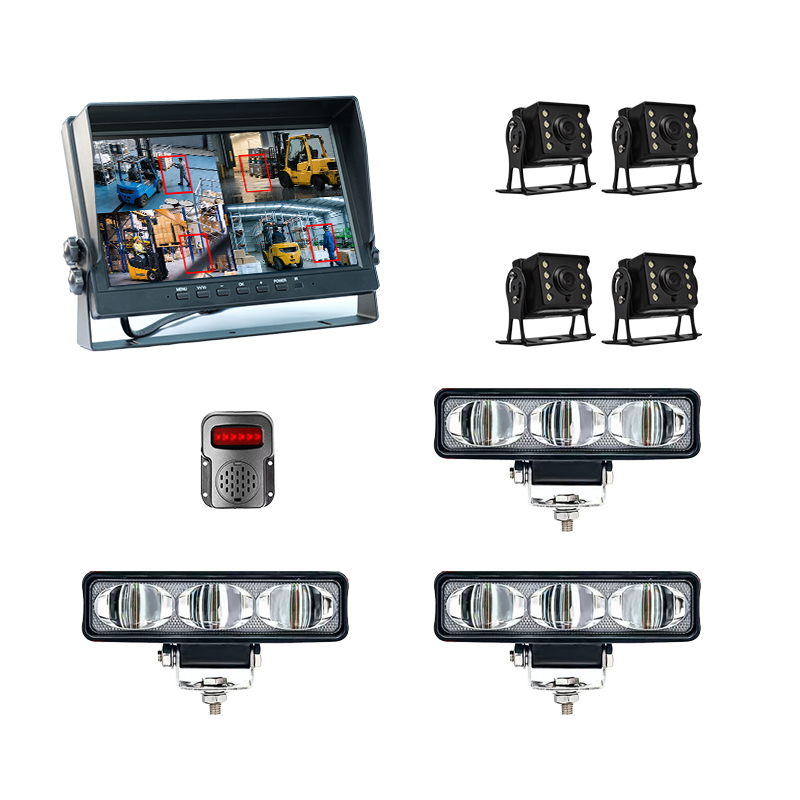
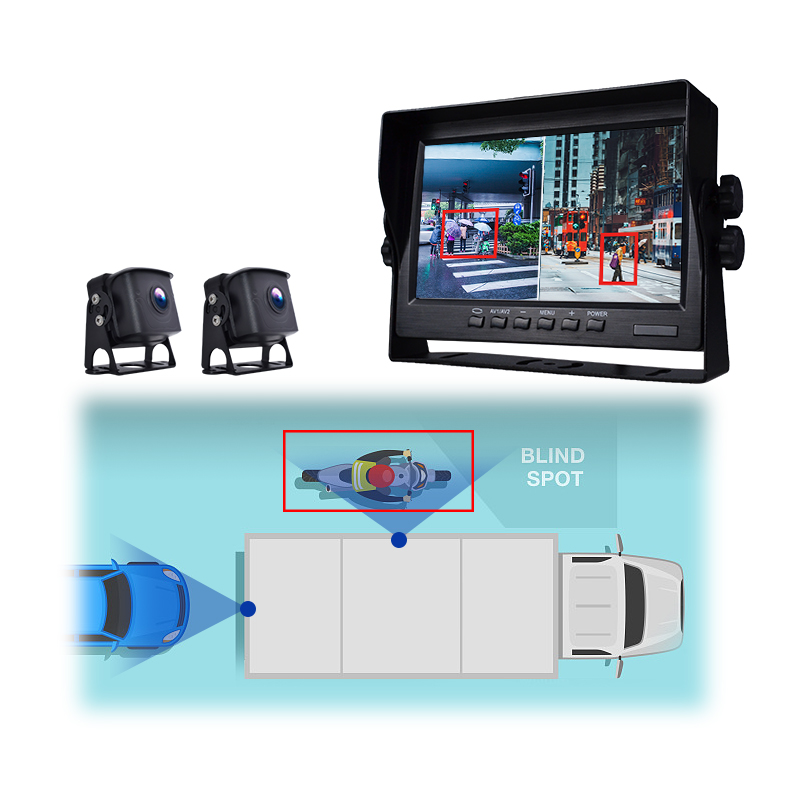
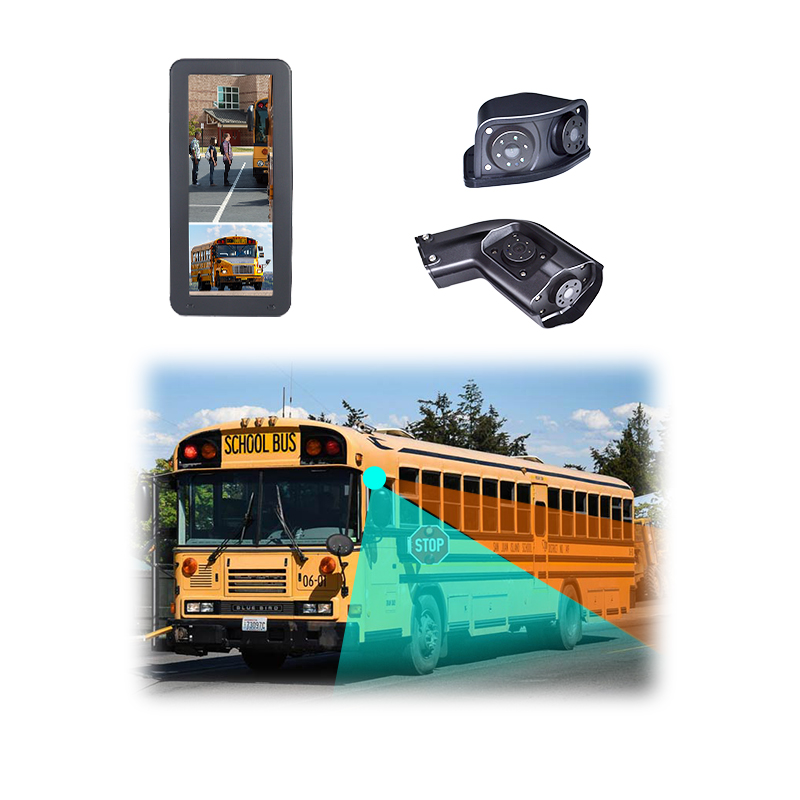
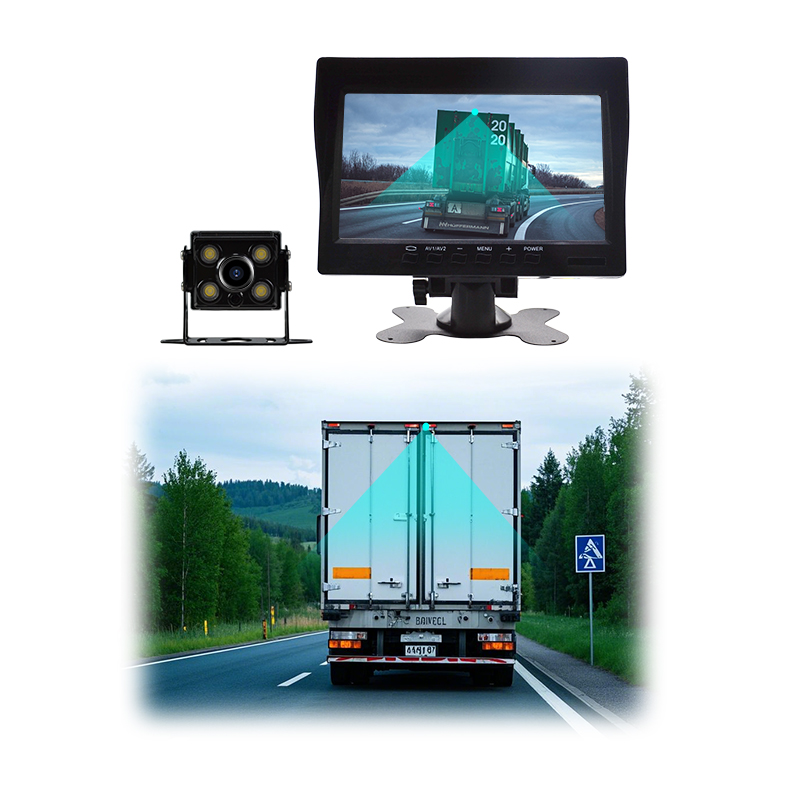
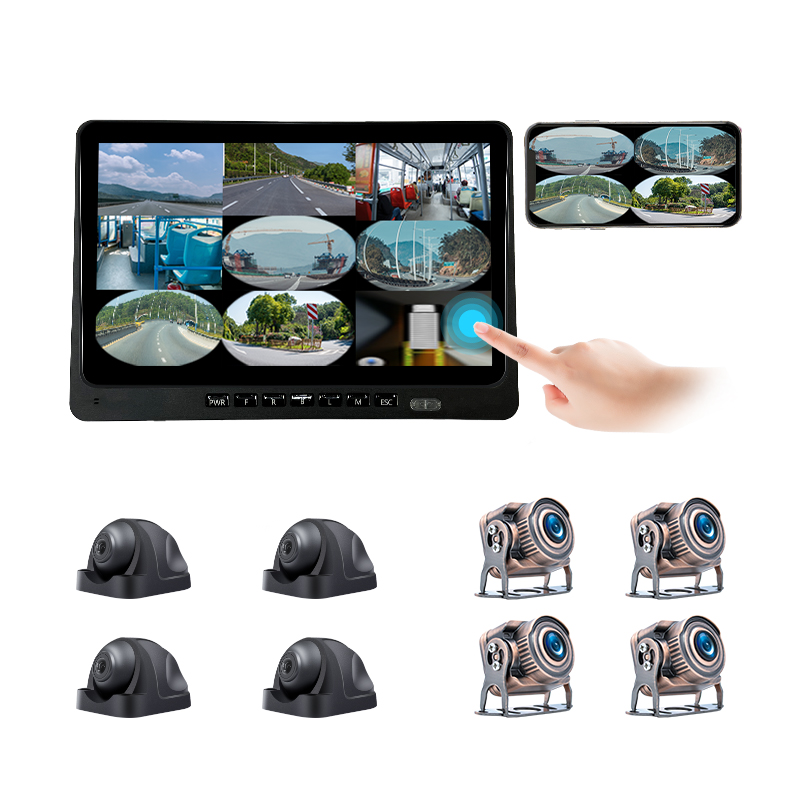
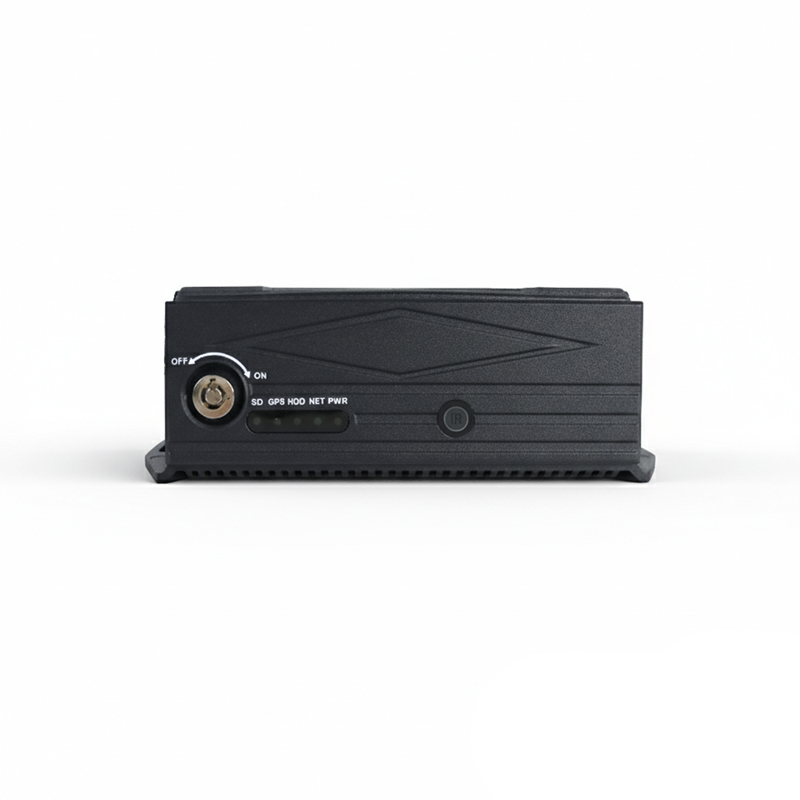
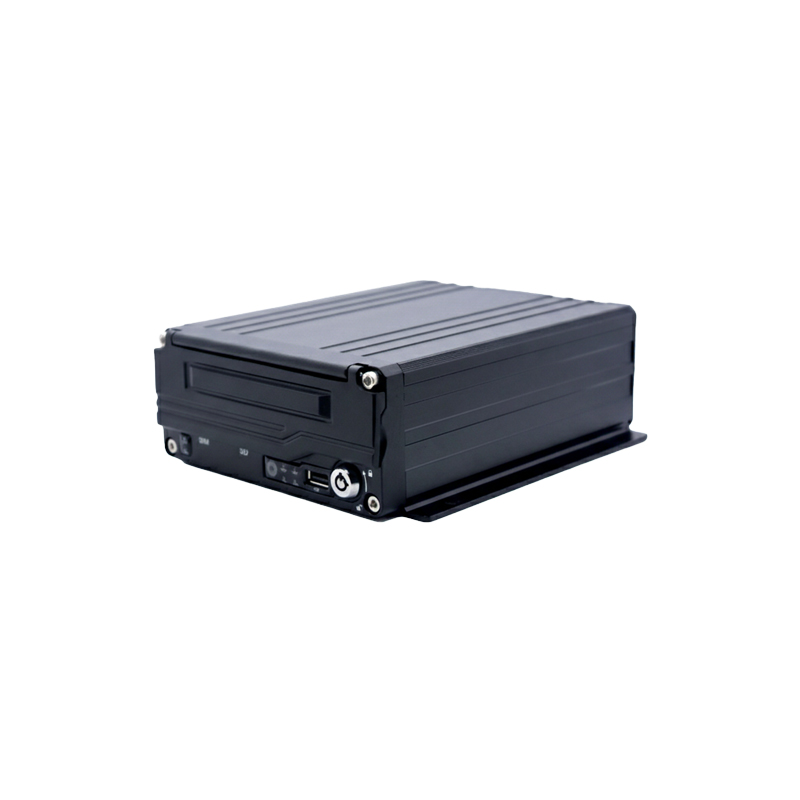
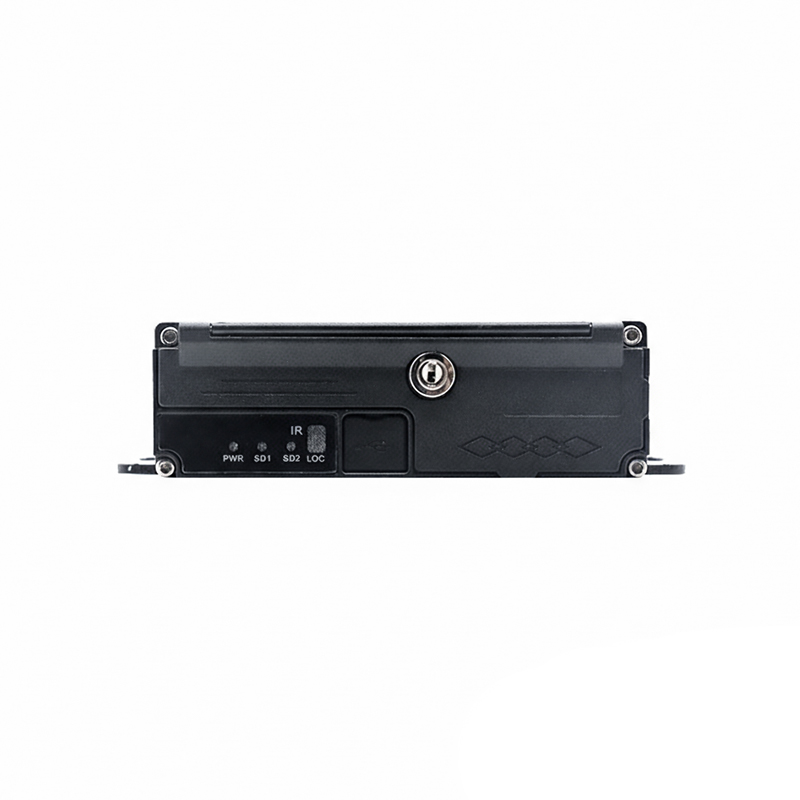
China’s safe-city camera networks run on GB 28181, a public security video standard. A commercial vehicle’s cameras run on JT 1078, a transport standard. The differences between the two run from addressing through streaming to certification. Every one of them follows from a single physical fact that a buyer new to vehicles often overlooks: the camera moves.
A buyer who knows surveillance sometimes asks why a commercial vehicle cannot carry the safe-city video system that already works on every street corner. The question is fair. GB 28181 is older, proven, and built to do the same broad thing JT 1078 does, which is to carry camera video over a network to a monitoring platform. The trouble is that GB 28181 was written for a camera that stays put. Almost everything that makes vehicle video hard comes from the camera not staying put.
The confusion is understandable. A safe-city camera and a vehicle camera do the same plain thing: they capture video and send it to a place where someone can watch it. From the outside the two look like one job, which is why an integrator who has fitted hundreds of fixed cameras reaches for the familiar standard when a vehicle arrives. The trouble shows only below the surface, in the assumptions the familiar standard quietly makes. Once the camera moves, one assumption after another that the safe-city standard rests on falls away.
A moving camera breaks assumptions a wall-mounted one never tests.
Each assumption breaks in its own way once the camera moves. A fixed camera sits at a known address, on a reliable wired link, with bandwidth to spare and steady mains power behind it. Each of those is something a vehicle takes away, each loss opening a difference between the two standards. The differences do not stop at the network: the platforms above the camera are chained differently, the approvals behind the equipment come from different ministries, the two meeting only at a bridge built for the purpose.
GB 28181 was written for the cameras of a safe-city system, the ones mounted on poles and building walls that feed a police control room. A camera like that sits in one place for its whole life. It has a fixed address on a wired or fibre network, a connection that stays up, bandwidth far beyond what one camera needs and mains power that never wavers. The control room can reach out and pull video from it whenever it wants, because the camera is always there at the same place on the network.
A control room does more than watch its fixed cameras. It drives them. An operator pans and tilts a camera, zooms it onto a detail, calls up one feed among hundreds, all over the stable network that holds every camera at a known address. This rich control is another thing the fixed network affords, the operator reaching any camera at will. A vehicle, slipping between addresses on a link that comes and goes, cannot offer that same steady reach.
These conditions are so ordinary in a fixed installation that the standard built on them without needing to spell them out. A protocol for fixed cameras can assume a stable address, a dependable link, room to stream at full quality, and a camera that never loses power or shakes. GB 28181 is a capable standard precisely because it could take all of that as given and get on with the work of moving video around a city. A vehicle is where every one of those givens stops being true.
A safe-city system also has somewhere settled to put its video. The streams from its cameras run to recorders in a control room, banks of storage sized for the job, on the same fixed network that carries everything else. The recording lives at the centre, fed by cameras that stay connected to it. This too is a condition a fixed installation affords, the storage central and the cameras always reaching it, an arrangement a vehicle has no way to copy.
The first thing a vehicle takes away is the fixed address. A camera on a truck reaches the network through a mobile connection. As the truck drives it hands off from one cell to the next, its network address changing as it goes. The platform cannot keep a stored address for it, because any address it stores is stale within minutes. The truck is never reliably where the platform last saw it.
This breaks the safe-city way of working at its root. A fixed system has the platform call the camera: the camera waits at its known address, the platform reaching out for video when it wants it. A vehicle cannot wait to be called, since nothing can be sure how to call it. So the transport standard turns the relationship around. The terminal on the truck registers itself with the platform and reaches out, announcing where it is each time it connects. The calling now runs from the camera to the platform. A standard built around the camera waiting to be reached has no answer for a camera that has to do the reaching, which is the first reason safe-city equipment does not drop onto a truck unchanged.
Holding the connection open takes work the fixed case never needed. A vehicle terminal keeps a link alive to the platform, sending small keep-alive messages so the platform knows it is still there and reachable. When the mobile network drops the connection, the terminal re-establishes it and registers again. This steady housekeeping, invisible in a fixed camera that sits unmoved at its address, is part of what the transport standard has to specify and a vehicle terminal has to run.
A fixed camera’s link stays up. A truck drives through tunnels, under bridges, into the dead spots between masts, its connection dropping and returning through the day. For a fixed camera a dropped link is a minor thing, since the camera sits on the same spot tomorrow and can be reached again. For a vehicle a dropped link at the wrong moment, the moment of a crash, would lose the footage an incident turns on.
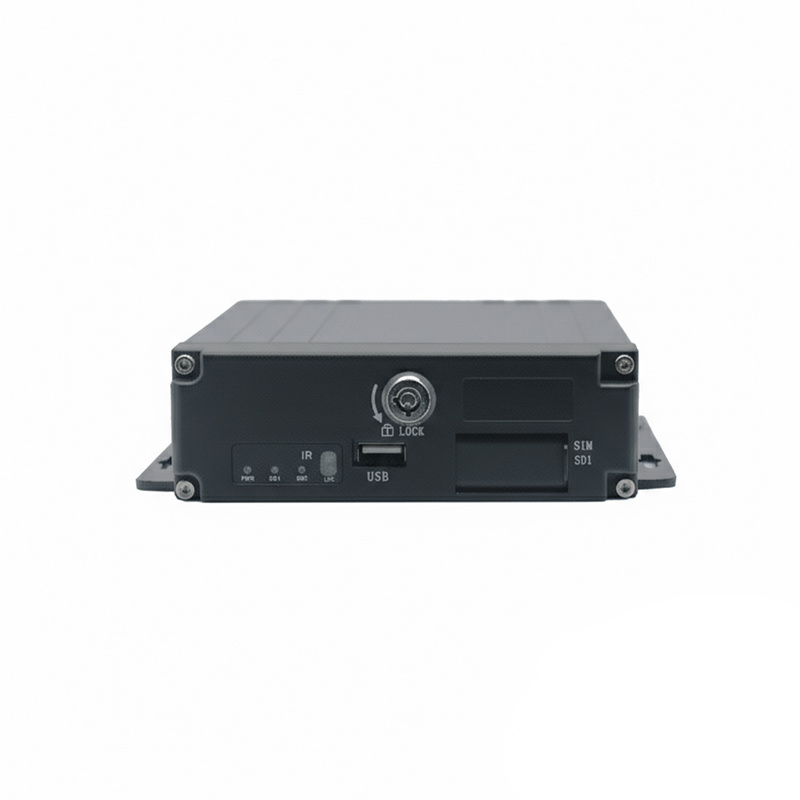
The transport standard answers this by not trusting the link at all. A vehicle terminal records to a card in the cab continuously, holding the video locally whether or not the network is there. When the link returns, the terminal can send up what the platform missed. The recording lives on the vehicle first, with the network as a way to retrieve it later. In the fixed case the network carries the recording as it happens. A safe-city camera that lost its link would lose nothing it could not send again. A vehicle that lost its link in the wrong second would lose the evidence for good, so the transport standard builds the local recording in as its foundation.
The local recording brings its own demands. A vehicle terminal carries storage in the cab, a card or a drive holding days of footage from several cameras, sized so the record survives long stretches out of contact. The footage is kept until the platform retrieves it or it ages out under newer recording. This onboard store is the core of a vehicle video system, the place the evidence sits. A safe-city camera keeps nothing locally, trusting the network with everything.
The local recording sits at the centre of the whole matter, since it inverts the logic of a video system. In a safe-city installation the network is the recording: the camera streams to a recorder over a link that never fails. The footage exists because the link carried it there. With that reliable link gone, the logic collapses. A vehicle on a patchy mobile connection cannot count on the link to carry its footage to safety, least of all in the seconds of a crash, when the link itself may drop. So the transport standard reverses the safe-city logic. It puts the recording on the vehicle first, on a card in the cab that captures every camera continuously, with the network present or not. The network becomes a way to fetch that footage later, when the link is good, no longer the thing the footage depends on. A safe-city camera that lost its connection would lose nothing it could not stream again from its fixed spot. A vehicle that lost its connection in the wrong second would lose footage that exists nowhere else. That single inversion, the recording coming first where the safe-city stream came first, is why a vehicle video system is built around a store of footage in the cab where a safe-city system is built around the stream. It shapes the hardware, since the terminal needs the storage and the managing of it. It shapes the protocol, since JT 1078 has to define how the stored footage is found and uploaded after the fact. A buyer who grasps this one inversion grasps why safe-city equipment, capable as it is on a wall, has no place to keep the footage a moving truck has to hold, the reason the transport standard had to be built from the recording outward. Everything else the transport standard does about video follows from this one point. The addressing that lets a roaming truck be found, the upload that pulls stored clips off the card, the lighter packaging that fits the footage down a thin link: each serves a system whose recording lives on the vehicle. The moving camera forced the recording into the cab. The recording in the cab shaped the standard around it, a standard a fixed camera, settled on its wall, would never have had any reason to need, the moving camera the single source of the whole transport design from end to end.
The size of that onboard store is a spec a buyer can check. A terminal holds days of footage from its cameras, the card or drive sized so the record outlasts the longest stretch a truck spends out of contact or unvisited by the platform. A store too small overwrites the footage of an incident before anyone retrieves it, the loss the capacity is chosen to prevent. The number has no equivalent in a safe-city camera that keeps nothing aboard, since the recorder in the control room carries that burden for the fixed system. A fleet confirms the store is sized for the days its trucks may run unreached, a check with no counterpart in the safe-city world the equipment buyer may be used to.
A fixed camera on a building’s fibre has bandwidth to spare. A vehicle shares one mobile connection across all its cameras, on a link that thins as it moves. A platform watching a fleet pulls from many vehicles at once, each squeezing several camera feeds through a single mobile pipe. That abundance is gone on the road.
This shapes how the transport standard packages its video. GB 28181 wraps its video in a heavier container, a program stream carried for compatibility with the broadcast-derived surveillance world it grew up in. JT 1078 strips that layer out, carrying the video in a lighter wrapping that suits the thin mobile link. It provides for sub-streams and selective requests, so a platform can pull a low-quality view of many vehicles and a full-quality view only of the one it is watching closely. The lighter packaging is a different design for a connection that cannot afford the weight. A server built to read the heavy safe-city stream meets the lighter transport stream packaged a different way, which is why a platform is built for one or the other.
The control side differs just as widely. GB 28181 sets up its streams with SIP, the session protocol of the telephony and surveillance world. The standard itself has run three generations, GB/T 28181-2011, then 2016, now GB/T 28181-2022, each revision deepening the same fixed-network assumptions. None of the three editions ever writes for a camera that moves between cells. JT 1078 carries its control inside the JT 808 message framework it extends, so a vehicle’s video commands ride the same channel as its position reports. A platform built around SIP does not speak the 808 message set. The control side, like the video, sits on a different footing in each standard, which is why bridging them takes a server that understands both. The stacks differ from the first byte: the safe-city side signals over SIP, the session protocol borrowed from internet telephony, with media packed as PS streams. The transport side signals inside 808 messages with its own framed media, so a bridge re-terminates everything, sessions on one face, vehicle links on the other.
The last things a vehicle takes away are the steady power and the quiet of a wall. A safe-city camera draws clean mains and sits still. A vehicle terminal runs off the truck’s electrical system, a supply that sags when the engine cranks and surges as the alternator charges. It lives through constant vibration, summer heat in a cab and winter cold, the rough physical life of a working vehicle.
None of this touches a camera bolted to a building, so the safe-city standard and the equipment built to it never had to account for it. A vehicle terminal has to ride the dirty power, survive the shaking and keep working across a temperature range a wall-mounted unit never sees. These demands sit underneath the protocol, in the hardware. They are part of why a vehicle device is a different thing from a surveillance device even before the question of which video standard it speaks. A box built for a calm wall fails in a cab for reasons that have nothing to do with video at all.
The transport standard and its hardware account for all of this. A vehicle terminal is built for a wide input voltage, so it rides the supply from a cold crank to a hard charge without faulting. It is built to take vibration over years of rough road. It is sealed against the dust and damp a cab collects. These are demands a wall-mounted camera never meets. A device built for the wall carries none of the answers to them.
None of these hardware demands is exotic. A wide-voltage input, a vibration-rated build, a sealed case: these are ordinary features of a device made for vehicles, the marks of a maker that builds for the road. They cost something to engineer in, which is part of why a device built for a calm wall, sold cheaply, lacks them. A buyer weighing a vehicle terminal against a repurposed surveillance box is weighing a device built for these demands against one that ignores them.
Above the single platform sits a question of how platforms join up, where the two standards diverge for a reason unrelated to the camera moving. GB 28181 has a mature way to link platforms into a hierarchy, a district feeding a city feeding a province, each level cascading to the one above through the standard itself. This native cascade suits the tiered structure of public-security monitoring across a country.
JT 1078 has no such cascade of its own. The transport framework climbs the chain a different way, through a separate protocol, JT 809, that carries data from a lower platform up to a higher one. A JT 1078 platform does not cascade to another directly. It leans on JT 809 for the exchange between platform levels. A buyer expecting safe-city-style cascading from a transport platform is expecting a feature the transport framework keeps in a different protocol, the kind of gap that surfaces only when an integrator tries to build the chain. The split reflects two systems built by two authorities for two purposes, set apart from the single physical fact of the moving camera.
JT 809 does the work the native cascade would have done. It defines how one platform passes its vehicle data up to another, the format and the exchange between an operator’s platform and a regulator’s. A province building a view of every vehicle in its area gathers the data through JT 809 from the operator platforms below it. The climb up the chain happens, only through a separate protocol the transport framework keeps apart from JT 1078.
The deepest reason the two standards stay apart is who owns them. GB 28181 belongs to public security, written for the surveillance the police run. JT 1078 belongs to transport, written for the monitoring of commercial vehicles. They are the work of two different ministries, each governing its own domain. A device is tested and approved down one route or the other. A GB 28181 product passes the public-security testing. A JT 1078 product passes the transport ministry’s designated testing.
This matters to a buyer because the approval is what a regulator checks. A commercial vehicle reports to a transport platform, so it needs a terminal approved through the transport route, separate from any surveillance approval for public security. An approval from the wrong ministry is the wrong approval, whatever the device does. The two ownerships are the formal expression of the gap that the moving camera opened in engineering, a gap that runs all the way up to which government body signs the device off. The testing routes run through different bodies. A GB 28181 product is verified by the institutes the public-security side designates. A JT 1078 product passes the testing centres the transport ministry names. A device carries the approval of one route or the other. That approval is what a regulator looks for. A fleet sourcing a vehicle terminal confirms it holds the transport approval, since an approval from the surveillance side does the truck no good with the platform it has to report to.
For all that separates them, the two standards do meet in one place: a monitoring centre that watches both fixed sites and the vehicles around them. Software exists to bridge them, a media server that speaks both protocols and presents the safe-city feeds and the vehicle feeds on one screen. An operator running a depot can watch its building’s cameras and its fleet’s cameras together through such a bridge. The bridge sits at the platform, never on the vehicle. It translates between the two protocols where both feeds arrive, which does nothing to change what the vehicle has to carry. The truck still needs its JT 1078 terminal to reach the transport platform. The bridge cannot reach down and make a safe-city box work on a moving truck. A buyer who sees a combined monitoring centre and concludes the two standards are interchangeable has mistaken a translation at the platform for an equivalence at the device. The vehicle end is settled by the moving camera long before the platform decides what to do with the feed. The bridge integrates the two without merging them. The fixed cameras keep speaking GB 28181, the vehicles keep speaking JT 1078, the server in the middle translating between them. A monitoring centre with such a server holds both kinds of feed without either standard changing. The vehicle still carries its JT 1078 terminal whatever the centre that watches it runs, since the translation lives at the platform end alone.
For a fleet, the whole chain of reasoning lands on a simple rule: cameras on a moving commercial vehicle take JT 1078, paired with JT 808 for position, approved through the transport route. A device built to GB 28181, good as it is as a surveillance product, is built for a camera that stays still. A truck is the one place that assumption fails. Seeing GB 28181 quoted on a vehicle device is a sign the device was designed for a wall.
The check costs a moment and saves a fleet a great deal of trouble. Confirm a vehicle camera system names JT 1078 and JT 808 and carries the transport approval. Read a safe-city standard on a vehicle device, or a vague answer about which standard it meets, as a reason to look harder. A fleet that fits the right standard puts cameras on its trucks that take their place in the transport platform every Chinese commercial vehicle reports to.
The warning sign is a vehicle device that names the safe-city standard. A maker who has built for fixed surveillance and is reaching for the vehicle market may quote GB 28181 on a product never designed for the road. A buyer who knows the difference reads that as a flag, since a device built for a wall rarely carries the answers a moving truck needs. The right standard on the page is a sign the maker built for vehicles from the start. A device that hides which standard it meets is one to pass over.
Because GB 28181 was written for a camera that stays in one place, with a fixed address, a reliable wired link, spare bandwidth and steady mains power. A vehicle takes all of those away. Its camera moves, its address changes, its link drops, its bandwidth is tight and its power is rough. JT 1078, the transport standard, is built for those conditions, which is why a moving vehicle uses it.
GB 28181 is the public-security standard for fixed surveillance cameras. JT 1078 is the transport standard for cameras on a moving commercial vehicle. The differences in addressing, recording, bandwidth and packaging all follow from the one being built for a fixed camera and the other for a moving one, under two different ministries.
Because a moving vehicle has no fixed address for a platform to call. As the truck drives, its mobile address changes from cell to cell, so any address the platform stored is quickly stale. The terminal solves this by reaching out and registering each time it connects, announcing where it is. A fixed camera waits at a known address and skips all of it.
Because a vehicle’s mobile link cannot be trusted to stay up. A truck drives through tunnels and dead spots where the connection drops. A drop at the moment of a crash would lose the footage an incident turns on. JT 1078 has the terminal record to a card in the cab continuously, with the network used to retrieve the footage later, so a lost link does not mean lost evidence.
Because a vehicle shares one mobile connection across all its cameras, with little bandwidth to spare. GB 28181 carries a heavier container suited to abundant fixed bandwidth. JT 1078 strips that layer out and provides for sub-streams, so a platform can watch many vehicles on light feeds and pull full quality only when needed. The lighter packaging fits the thin mobile link.
Yes, through a bridge. A media server that speaks both protocols can show GB 28181 feeds from fixed cameras and JT 1078 feeds from vehicles on one screen. The bridge works at the platform. The vehicle carries nothing extra for it. The truck still needs its JT 1078 terminal. The bridge cannot make safe-city equipment work on a moving vehicle.