






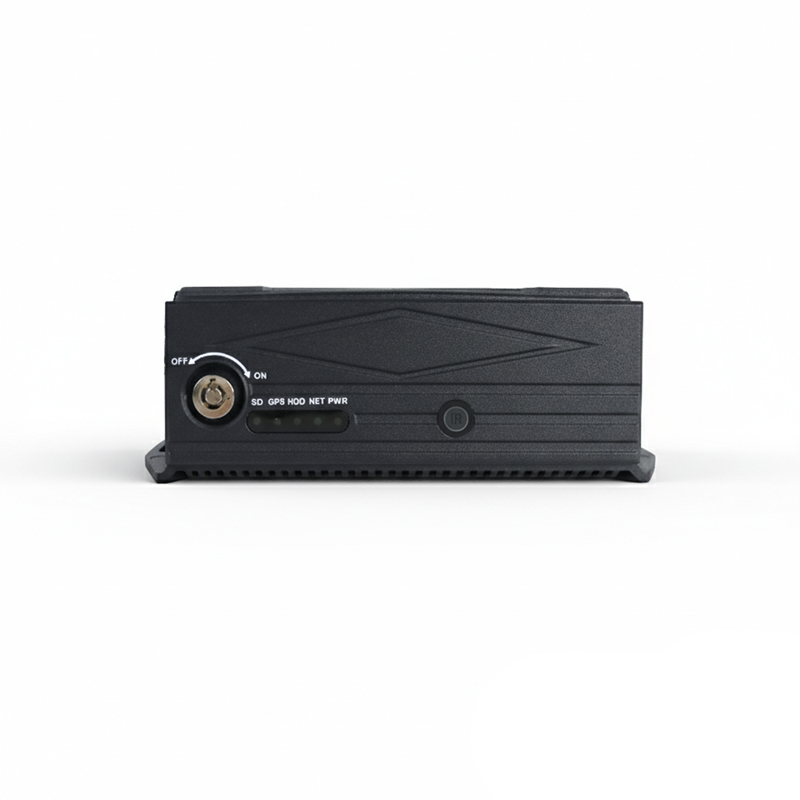
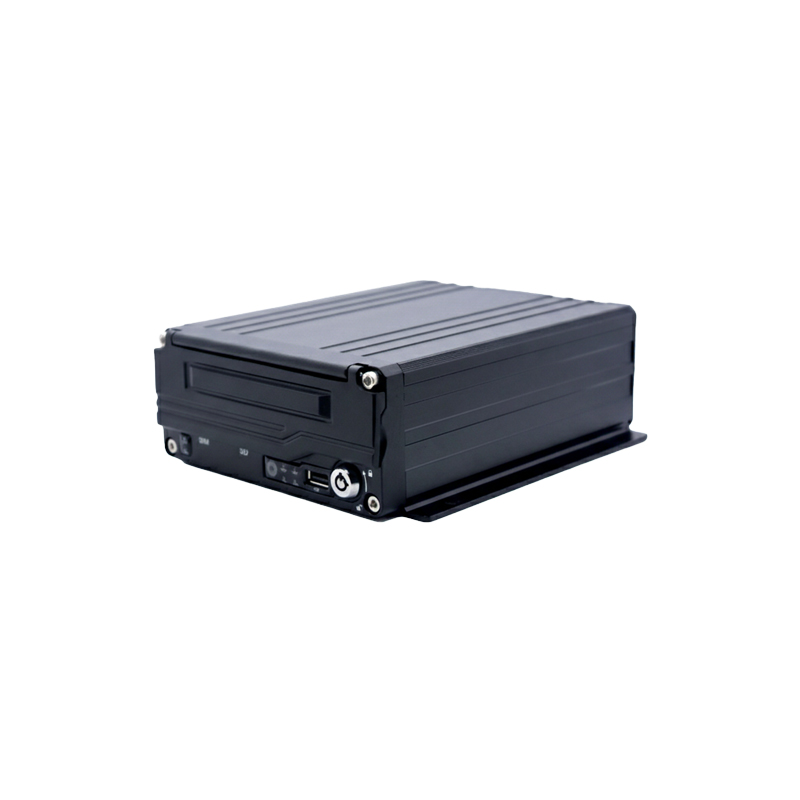
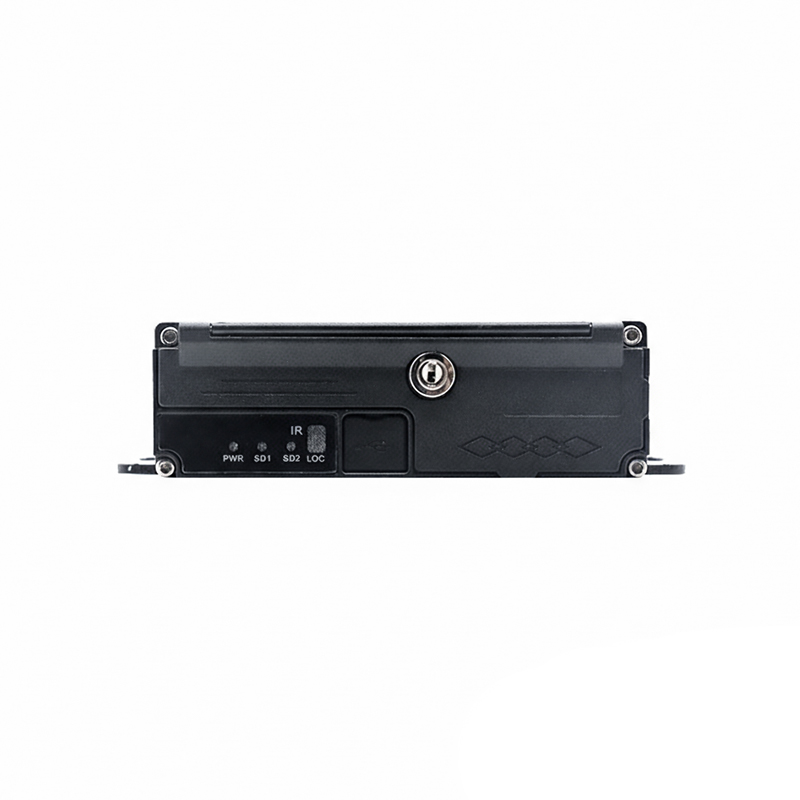
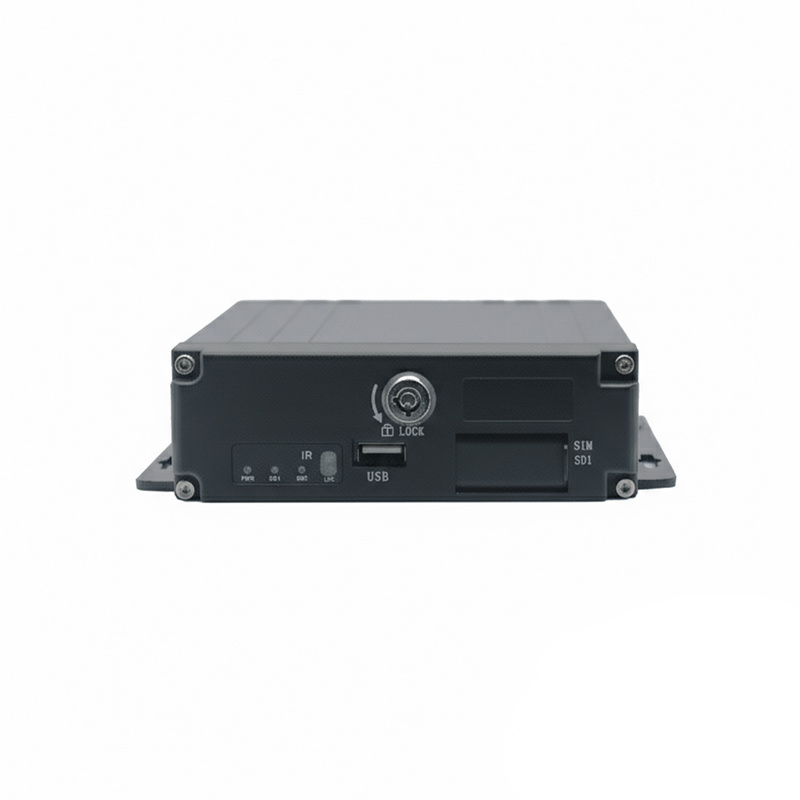

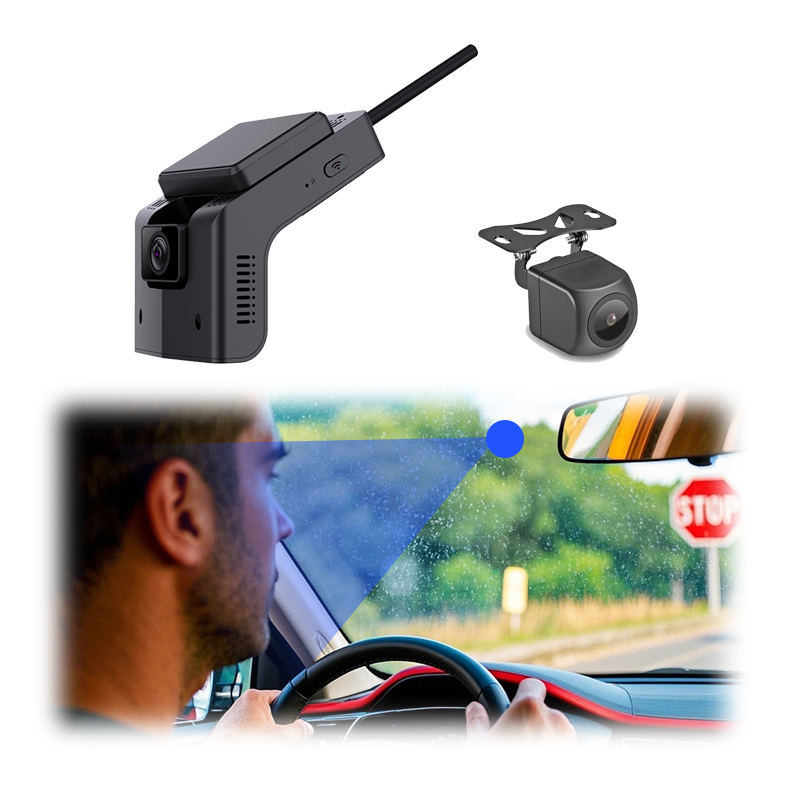
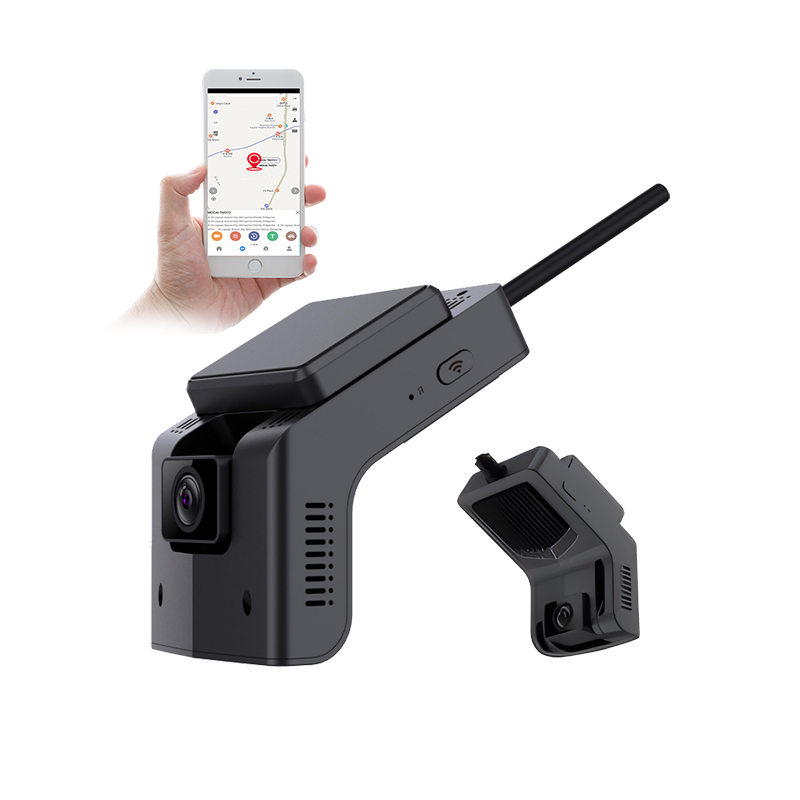
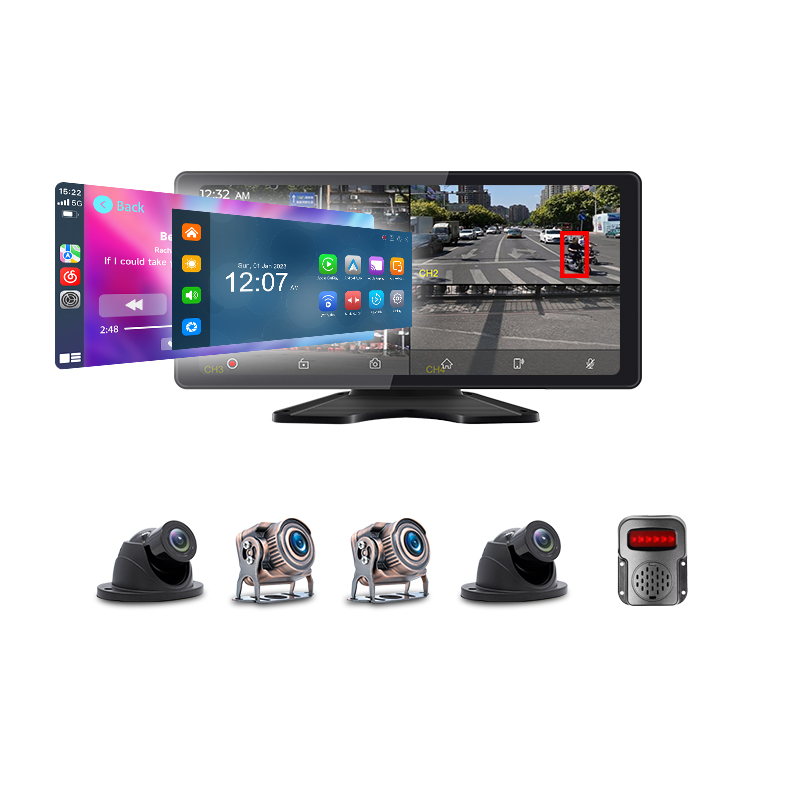

5G reached Chinese networks years before it reached Chinese trucks. The licences came in 2019. The national build-out followed. The vehicle terminal market stayed on 4G through all of it, for reasons of cost, power and need. The path that changes this has a name, RedCap, a lightened 5G written for devices of exactly this class. The timeline for factory-fitted 5G monitoring runs through three gates: a vehicle-grade module, a vehicle design cycle, a workload that needs it.
A timeline question gets an answer a buyer can use only when the dates are separated by what they date. Network dates say when 5G coverage exists. Standard dates say when the technology was frozen on paper. Module dates say when a terminal maker can buy the part. Vehicle dates say when a truck rolls off the line with the part inside. The four run years apart, in that order.
The vehicle terminal’s own requirements drive the gap. A monitoring terminal needs a modem that survives the cab, costs a small share of the device, draws little power at parked-recording duty and carries video uplink the network can hold. The first 5G modems met none of those lines. Each module generation since has met more of them, the current one beginning to meet all four. The years in between are the gap in question.
For a fleet writing specifications today, the dates turn into purchase language: what to buy now, what to require of a new platform, how to read a 5G line on a current datasheet.
The trucks arrive on their own clock, years behind the networks.
The standard side is settled history, datable to the meeting. 3GPP completed Release 15, the first full 5G set, in 2018. Release 16 followed in July 2020 with the additions aimed at industry and vehicles, including the 5G sidelink for vehicle-to-vehicle work. Release 17 closed in June 2022 and carried the decisive item for this market, the reduced-capability profile written for mid-tier devices.
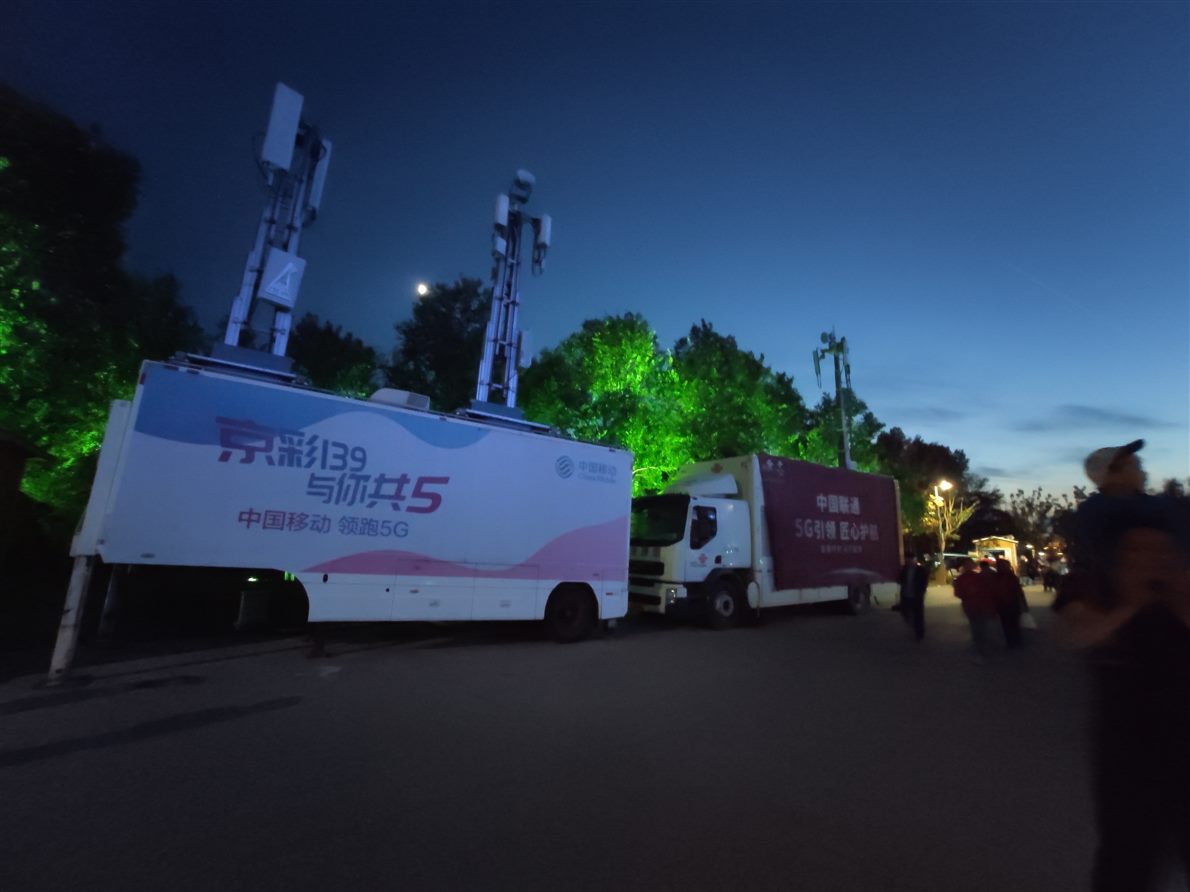
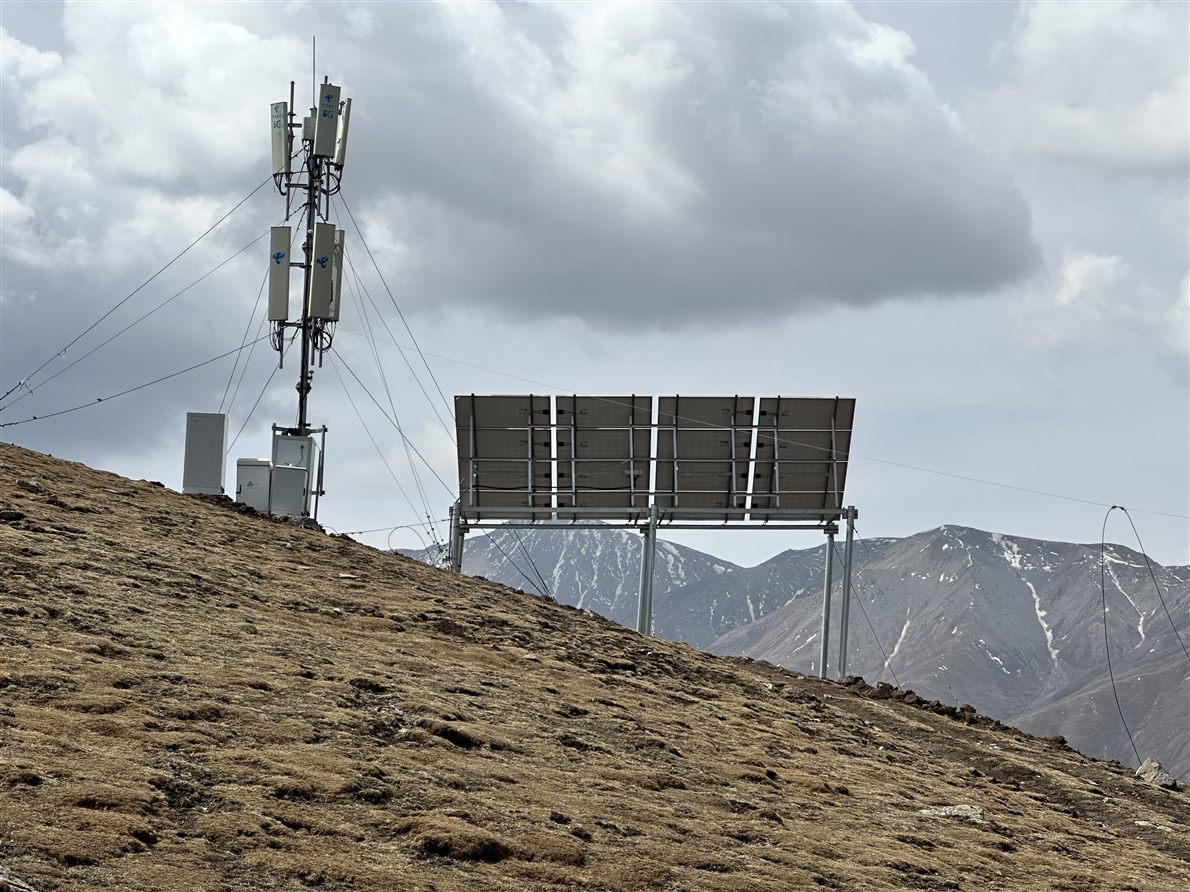
The network side moved on its own dates. China’s ministry issued the commercial 5G licences in June 2019. The three carriers built out from the cities along the trunk roads, on the pattern every cellular generation before it has followed, with the count of live base stations climbing year on year since. Coverage reached far past the metros within a few years, including high rural passes where a mast and a solar array serve a road with no grid power.
The build-out pattern matters to a road fleet more than the headline totals. Coverage follows people first: cities, then trunk corridors, then county roads, with the thin tail last. A fleet’s routes sample that pattern unevenly: an urban distribution fleet sits inside strong 5G today, a long-haul fleet crosses bands of every vintage in one shift. The coverage answer is route-shaped, the same way the 4G coverage answer was a generation earlier, and the same overlay method from the dual-SIM page reads it.
The device side lagged both on purpose. The first 5G modems were phone-class parts: high bandwidth, high price, high power draw. A monitoring terminal gained nothing from them. The market for vehicle terminals stayed on 4G, with the modem choice sitting at Cat-4 for video duty and Cat-1 for tracking duty, the same split the consumption pages of this series price.
Each release left one item for vehicles. Release 15 delivered the radio the networks were built on. Release 16 added the sidelink work for vehicle-to-vehicle warning, the layer the existing Chinese deployments run in its LTE form. Release 17 added RedCap, the item that touches the monitoring terminal directly. The standards work for this market is, in that sense, already done. The remaining dates belong to modules and vehicle programmes.
The workload fits inside 4G. A monitoring terminal’s steady uplink is a supervisory sub stream at a few hundred kilobits, with alarm parcels in the megabytes and the heavy recording kept local on the card. Real 4G uplink carries that with room over, on figures the dropout page of this series quotes. A technology upgrade with no workload behind it buys a fleet nothing it can name.
The cost sits where a fleet feels it. A terminal is priced as a fleet purchase times hundreds of vehicles. A phone-class 5G modem cost many times more than the 4G part that already met the specification, all for bandwidth the duty never used. Procurement mathematics held the line for years, vehicle by vehicle, with no committee needed, on a bill-of-materials gap any buyer could read off two module price lists.
Power and heat point the same way. A 5G modem of the first generations drew more power at duty than the 4G part it would replace. A terminal that records through the night on a parked vehicle budgets its standby power in fractions of a watt. The thermal budget of a sealed cab unit, the same budget the codec page walks through, had no allowance for a hotter radio either.
The supplier base reinforced the same choice. The 4G module market for vehicle terminals is deep: several makers, long supply commitments, second sources for every socket. A specification written around a part with one young supplier carries a procurement risk the fleet pays for later. Terminal makers held their designs on the deep catalogue until the new one grew, the standard conservatism of an industry whose products live for a decade on the road.
The holdout is rational on every line. It is also temporary on every line. Each objection names a number. The numbers belong to the module generation. The module generation changes, on the calendar RedCap brought.
RedCap, short for reduced capability, is the Release 17 profile that trims 5G down to the mid-tier device. It cuts the antenna count against full 5G. It narrows the operating bandwidth. It simplifies the radio’s processing. The design target fits exactly the class a vehicle terminal sits in: more capable than a sensor, far below a phone. The published positioning names video surveillance as one of its three headline use cases, beside industrial sensors and wearables. A vehicle camera system is the video surveillance case on wheels, with the same uplink-heavy shape and the same cost ceiling. The cost projections in the industry literature put large-scale RedCap module prices in the region of 4G Cat-4 parts, the line the procurement mathematics has been waiting for. The calendar behind the profile is short and checkable. The specification froze with Release 17 in June 2022. Commercial chipsets and modules appeared across 2023 and 2024. The first module certifications under the global scheme landed in the third quarter of 2024. The Chinese carriers ran early commercial RedCap deployments, with China named across the industry as the lead market for the profile. A terminal maker shopping for a RedCap module today is shopping a young catalogue with real parts on it, the condition that did not exist two years earlier. The profile also changes the question a fleet asks. RedCap asks the 4G question again at 5G terms: a modest module, a modest power draw, a network with a longer future ahead of it than the 4G network it joins. The power side matters as much as the price side on a vehicle. A parked vehicle recording overnight budgets its electronics in fractions of a watt, on the supply arithmetic the wide-voltage page of this series walks. A radio profile cut down for mid-tier devices carries a duty power draw cut down with it, the second number a terminal designer reads off the module datasheet before the price. The catalogue also answers the coverage question inside the module. The shipping RedCap parts pair the 5G radio with LTE fallback, so a vehicle outside 5G coverage rides 4G on the same module and the same SIM. The coverage residue of a young build-out costs the fleet nothing in dead ground. The answer to the fleet’s question then follows the module price curve, the curve the three gates of factory fitting sit on.
The first gate is the vehicle-grade module. A consumer RedCap module is one milestone. A module qualified for the cab is a second one: the temperature range, the vibration rating and the long supply commitment the device standards pages of this series describe. Module makers run that qualification on the parts the market asks for, a cycle that has historically taken one to two years past the consumer part. A terminal maker cannot start a vehicle design before this gate opens.
The second gate is the design cycle. A factory-fitted terminal lives inside a vehicle programme: design-in, validation against the device standards, type approval, the production line. The cycle runs years on its own, the reason every pre-installed technology trails its aftermarket counterpart. The factory-fitted one waits for the next vehicle programme that opens after the module exists.
The third gate is demand with a number on it. A vehicle maker adds a part when the order book asks for it. The order book asks when the workload does. The workloads with 5G numbers attached set this gate more than any technology date does. A gate that waits on demand opens at a different time in each segment, which is why the timeline lands as bands.
The gates also add, which is the arithmetic a planner can run. A consumer module on the market in one year reaches vehicle qualification one to two years later, on the historical pattern. A qualified module entering the next vehicle programme reaches the production line on that programme’s own clock, commonly two or three years from design-in. A buyer who reads a module announcement can add the two spans and place the earliest realistic factory date for that part, the simple sum behind every band in this subject.
Higher-resolution evidence is the first pull. The codec page of this series prices the move to 4-megapixel and 4K forward cameras. The recording stays local either way, on the storage arithmetic those pages already priced. The uplink feels the change when the platform pulls stored footage remotely, where a half hour of high-resolution playback crosses the link as recording-tier data at whatever rate the cell allows. A fleet that reviews remotely at scale meets 4G’s uplink ceiling first. RedCap’s uplink eases exactly that path.
Multi-channel live evidence is the second pull. Operations that stream several full-rate channels from one vehicle, a hazardous-goods escort, an incident vehicle under live review, stack their bitrates onto one uplink. The dropout page names the fringe-cell uplink as the stall point. A 5G bearer raises that ceiling where the network is built out, the difference a control room feels on the day it needs four sharp streams at once from one vehicle in one cell.
The vehicle-to-vehicle layer is the third pull, on its own track. The sidelink work in the standards since Release 16 serves warning and coordination between vehicles, a regulatory layer with its own mandates and its own clock. The layer is separate from monitoring in data and in destination, the same separation the emissions-terminal page drew for its own ministry. Where a regulation requires that layer on a vehicle class, the radio arrives with the regulation, with the monitoring terminal’s bearer choice riding the same platform decision. The existing deployments in China run on the LTE-based version, with the 5G version specified for newer work.
The uplink numbers carry the pulls. Real 4G uplink runs at single-digit to low-double-digit megabits in working cells, on the figures already quoted across this series. A 5G bearer in built-out coverage carries uplink several times that, with the exact figure depending on band and load. That extra uplink rewrites the arithmetic for recording-tier playback and multi-channel evidence, the two workloads named above, which is why those two lead every realistic 5G case for this market.
None of the three pulls touches the baseline duty. A fleet whose vehicles report position, raise alarms and stream a supervisory sub stream sits inside 4G’s envelope today and stays inside it. The pulls are segment-shaped: remote-review-heavy fleets, escort operations, regulated corridors. The timeline bands below follow those segments.
The transport protocol stack is bearer-neutral. That one fact removes a whole class of waiting. The registration, the position reports, the video negotiation and the attachment flows of the 808 and 1078 family ride any data path the modem provides. A terminal that swaps its 4G module for a RedCap module reports to the same platform with no protocol change. No revision of the transport standards sits between a fleet and 5G.
The platform side carries the same neutrality. The platform reads sessions and streams, with no knowledge of the radio underneath. A mixed fleet, some vehicles on 4G, some on 5G, reports to one platform the way mixed-codec fleets already do on the codec page. The session looks the same from the server side at either rate. The migration mechanics a fleet learned there apply unchanged here: per-vehicle, reversible, audited by the same per-vehicle figures. The practical consequence is that 5G adoption is a hardware decision alone. The waiting sits at the module gate and the vehicle-programme gate, with no standards gate behind them. A fleet’s existing platform investment, its docking work, its configuration profiles all carry forward. The provincial docking a vehicle passed on 4G holds on 5G, because the docking tested the protocol behaviour the radio never touches. The switch costs a terminal generation, the cost every terminal generation already costs.
The aftermarket band opens first and has opened. RedCap modules exist, the certifications run, the Chinese networks carry commercial RedCap traffic. Aftermarket terminals built on those modules follow the module catalogue by a product cycle, the short cycle of a box that needs no vehicle programme. A fleet that wants a 5G monitoring terminal on a working vehicle reaches this band first, as retrofit. The retrofit carries the full migration toolkit of this series with it: per-vehicle rollout, the same platform, the per-vehicle figures auditing the change.
The factory band follows the vehicle programmes. A module that qualified for vehicle duty enters the design-in queue. The queue empties at the pace of vehicle launches. The historical pattern across telematics generations puts factory fitting a few years behind the aftermarket on the same technology. The segments with a pull arrive first: export-grade tractors with remote-review contracts, escort and hazardous classes, the platforms whose tenders started naming 5G readiness.
The mainstream band arrives when the module price meets the 4G part. The radio then stops being a separate decision on the order sheet. The industry’s own cost projection for RedCap at scale, parity with Cat-4 class parts, names the condition. The date follows volume, with China’s early RedCap build-out pushing its vehicle market to the front of the queue. A fleet planning purchases inside this band plans terminal generations, with the radio as one line among the rest.
The band openings announce themselves in observable markers. Carrier RedCap coverage statements name the cities and the corridors. Module makers announce second sources for the same socket, the supply event that unlocks conservative designs. Tenders from large operators begin naming 5G readiness as a scored line. A fleet that watches those three markers reads the bands opening in its own region without forecasting anything.
The 4G floor persists under all three bands. The Chinese 4G networks carry the national fleet’s monitoring today, with no sunset on the working horizon and a continuing stream of new 4G terminal models. A timeline that promised a hard cutover date would be inventing one. The honest shape is bands that open in sequence over the second half of this decade, with 4G running underneath throughout.
Today’s correct purchase for baseline duty is the current 4G terminal, specified by the pages this series has already walked: the device standards, the protocol stack, the storage, the antenna and the SIM strategy. The radio meets the workload. The price meets the budget. The platform needs nothing else. A fleet that delays a needed monitoring purchase to wait for 5G pays in uncovered months for a bandwidth its duty does not use.
The hedge a fleet can buy now is structural. Specify terminals whose modem sits on a replaceable module where the maker offers it. Specify antenna installations with feeds and placements that serve the higher bands. Keep the platform contract bearer-neutral in writing. Each line costs little at purchase and shortens the later swap, the same pattern the dual-SIM and codec pages priced for their own migrations.
The fleet with a real pull buys differently. An operation already meeting the uplink ceiling on remote review or multi-channel evidence prices a RedCap retrofit on its affected vehicles as the aftermarket band opens, leaving the rest of the fleet on 4G. The per-vehicle migration pattern carries it: pilot, measure, widen. The platform sees one fleet throughout.
A worked specification line shows the shape of today’s purchase. Video vehicles: a Cat-4 terminal to the device standards of this series, external antenna with protected feed, dual-SIM by route. Tracking-only vehicles: Cat-1, the cost floor for the duty. Contract lines: module part numbers stated, platform bearer-neutrality in writing, antenna installation specified to serve the higher bands. The whole 5G question then sits in two written lines that cost nothing today, with the rest of the specification unchanged from the pages already walked.
The cost of waiting has its own arithmetic, for the fleet tempted to delay. A monitoring purchase deferred by a year leaves the fleet’s vehicles unrecorded for that year, against incidents whose evidence the cards would have held. The deferred terminal arrives one generation newer at the same class of price. The trade is a year of missing evidence against one hardware generation, a trade no incident-bearing fleet wins. The timeline favours the fleet that buys its duty now and swaps radios when its own numbers call for it.
A 5G line on a vehicle terminal datasheet needs three decodings, each one answerable in writing. The first names the profile: full 5G NR, RedCap, or a 4G part with a 5G-ready label printed beside it. The label without a module behind it describes a case design, with no radio attached. The module’s own part number, requested in writing, settles what radio the box carries.
The second decoding names the bands against the carriers. A 5G module serves the fleet only on the bands the fleet’s carriers run in its operating area. The carrier pair from the dual-SIM page extends here: the coverage overlay for 5G runs the same method, with the residue larger because the build-out is younger. A vehicle that drops to 4G outside 5G coverage keeps working, on the LTE fallback the shipping module catalogue pairs with the 5G radio. The coverage question is then a question of where the higher rate applies, with the working floor guaranteed everywhere 4G reaches.
The third decoding names the duty figures: power draw at standby and at streaming, on the numbers the thermal and power pages of this series make decisive. A module that doubles standby draw rewrites the parked-recording budget whatever its bandwidth offers. The figure sits in the module datasheet, one request away from the terminal maker.
Buy the duty, with the dates in view and the hedges written into the order. Specify 4G for baseline monitoring today. Price RedCap retrofits where a named workload already meets the 4G ceiling. Require module part numbers, band lists and duty power figures in writing on any 5G claim. Keep the platform bearer-neutral and the antenna installation band-capable. The bands then open on their own dates, with the fleet positioned to enter each one as its own numbers say so. The cheapest position in a timeline question is the one that costs nothing while it waits.
In bands by segment. Aftermarket RedCap terminals follow the module catalogue that opened across 2023 and 2024, a short product cycle behind the parts. Factory fitting trails the aftermarket by vehicle programme cycles, with pulled segments first: remote-review fleets, escort and hazardous classes, tenders naming 5G readiness. Mainstream factory fitting follows module price parity with 4G parts, across the second half of this decade, with 4G running underneath throughout. The gates add: module qualification one to two years past the consumer part, then a vehicle programme’s own design-in years on top.
RedCap is the reduced-capability 5G profile frozen with 3GPP Release 17 in June 2022. It trims antennas, bandwidth and radio complexity to fit mid-tier devices, with video surveillance named among its three headline use cases beside industrial sensors and wearables. A vehicle camera terminal sits squarely in that class. Industry cost projections put RedCap modules at scale near 4G Cat-4 prices, the condition that opens vehicle terminals to 5G economics. Commercial chipsets and modules appeared across 2023 and 2024, with the first global certifications in late 2024 and the Chinese carriers running early commercial deployments.
No. The 808 and 1078 protocol family is bearer-neutral: registration, position, video negotiation and attachment flows ride whatever data path the modem provides. A terminal with a RedCap module reports to the same platform unchanged. Mixed fleets of 4G and 5G vehicles report side by side, the same way mixed-codec fleets already do. The provincial docking holds across the radio change, because it tested protocol behaviour the bearer never touches.
No, for baseline duty. The supervisory sub stream, alarm parcels and telemetry sit inside 4G’s envelope, with the heavy recording local on the card. A delayed purchase costs uncovered months for unused bandwidth, a year of missing evidence traded against one hardware generation. The practical hedge is structural: replaceable-module designs where offered, band-capable antenna installations and a bearer-neutral platform contract. Each hedge line costs little at purchase and shortens the later module swap to a hardware exchange.
The uplink-bound work. Remote playback of high-resolution stored footage and multi-channel full-rate live streaming meet 4G’s uplink ceiling first, on the figures the dropout and codec pages quote. A 5G bearer raises that ceiling where coverage exists. Baseline supervisory viewing changes little, because its bitrates were never the constraint. The vehicle-to-vehicle layer runs on its own regulatory clock, with existing Chinese deployments on the LTE-based version.
No retirement sits on the working horizon. The national fleet’s monitoring runs on 4G today. New 4G terminal models keep shipping. The carriers run 4G and 5G side by side. The timeline for vehicles is additive: 5G bands open over this decade on top of a 4G floor that stays in service throughout. The shipping RedCap modules carry LTE fallback, so even a 5G vehicle rides the 4G floor wherever the newer coverage thins.